
Buy, sell or gift shares with Legal Startup. A dedicated compliance expert reviews your Articles, drafts the share purchase agreement, prepares Form SH-4, guides you on stamp duty and makes sure the company records the new shareholder correctly.
Free call & custom quote · Professional fee + government fee
Transfer of shares is the process by which a shareholder passes ownership of shares to another person by sale, gift or other arrangement. In India it is governed by Section 56 of the Companies Act, 2013, the company's Articles of Association and the Indian Stamp Act, 1899. For physical shares, a transfer needs a signed and stamped Form SH-4, the original share certificate, board approval and an update of the company's register of members. Shares held in demat form are moved through the depository participant.
Last updated: October 2026. Forms, duties, thresholds and time limits can change, so we confirm the current position before the transfer is signed. This page is general information and not a substitute for advice on your specific case.
Shares are movable property, and a shareholder is generally free to transfer them. A transfer changes the owner of existing shares. It is different from an issue of shares, where the company creates and allots new shares. In a transfer, the company's share capital stays the same and only the name of the holder in the register of members changes.
The process depends on the company and how the shares are held. A public company's shares are freely transferable, subject to the Companies Act and its Articles. A private company must restrict the right to transfer in its Articles, so you may need board consent, offer the shares first to existing shareholders or follow terms in a shareholder agreement. Under Section 56, a transfer is not registered unless a proper signed instrument is delivered to the company, and a private company that refuses to register a transfer must follow the notice procedure under Section 58.
Other laws may apply alongside the Companies Act. Stamp duty is payable on the transfer instrument, income tax rules can apply to the price and the gain, and FEMA rules apply when a non-resident is the buyer or the seller. For official forms and company records, visit the portal of the Ministry of Corporate Affairs at mca.gov.in. If your company needs new shares instead, see our issue of shares service, and for ongoing compliance after the transfer see our virtual CFO services.
Important limits and timelines every buyer and seller should know.
The right route depends on who is transferring, to whom and why.
A shareholder sells all or part of the shareholding to an outside buyer.
One shareholder buys the shares of another, for example when a partner exits.
Shares passed to a family member or relative without payment.
Shares pass to a legal heir or nominee after the death of a shareholder.
A non-resident buys or sells shares of an Indian company.
Shares held in dematerialised form with a depository participant.
Not sure which route fits your case? Tell us who is selling, who is buying and the company type, and our experts will suggest the right procedure free of charge.
Why buyers and sellers both gain from getting the paperwork right.
The buyer's name is recorded in the register of members as the lawful owner.
Correct forms and timelines reduce the risk of disputes and penalties.
Founders, partners and investors can exit or join with a clear agreement.
Clean transfer records help in later funding, sale or audit.
A share purchase agreement fixes price, payment and warranties in writing.
We track the 60-day delivery period and the follow-up with the company.
Share your documents and sign from anywhere in India.
From checking restrictions to an updated register, here is how a share transfer is completed.
Timelines depend on the company's board schedule and on any approvals the Articles require. Not to scale.
We review the Articles, any shareholder agreement, the register of members and whether the shares are pledged, locked in or held in demat form.
We draft the share purchase agreement or gift deed, and coordinate a valuation where the price or the parties make it necessary.
The transferor, transferee and a witness sign Form SH-4, and the stamp duty is paid on the instrument as per the law in force.
The signed form and the original share certificate go to the company within 60 days of execution, with a request to register the transfer.
The board approves the transfer, the register of members is updated and the new share certificate is issued, generally within one month of the company receiving the form.
We help with any FEMA reporting, change in directors or signatories, and give you the final set of signed documents for your records.
Keep these ready to avoid delays. Our expert will confirm the exact list for your case.
The total cost of a share transfer depends on the value of the shares, the company type, whether a valuation is needed and how many parties are involved. It generally has three parts:
Stamp duty is payable on the transfer instrument or the demat transaction, and the rate depends on the law in force. We confirm the current charge before you sign.
Our fee depends on the complexity of the transfer and the number of parties. Call free for a custom quote before you pay anything.
A valuer or chartered accountant certificate, a detailed share purchase agreement, tax advice and FEMA reporting for non-residents are charged separately.
We share a clear, itemised quote before you begin – no hidden charges. Get your free quote →
Choose the situation that matches your transfer, or call free for a custom quote.
A simple transfer of shares between resident persons in a private or public company.
A founder exit, investor entry or a sale where price and terms must be documented.
Family gifts, shares of a deceased shareholder or transfers involving a non-resident.
Our professional fee is quoted after a free call based on the type of transfer and the number of parties. Stamp duty, valuer fees and tax payments are separate. Not sure which option fits? Ask for a free consultation.
If shares are changing hands, the transfer must be documented and recorded correctly.
Owners who want to sell part or all of their shares in a company.
Persons acquiring shares who want clear title and a correct record.
Promoters leaving the business and handing their shares to co-founders.
Parents or relatives gifting shares of a family company.
Heirs or nominees who need the shares of a deceased holder moved to their name.
Companies updating records when a non-resident buys or sells shares.
A quick view of how the main routes differ. Exact requirements depend on the company and its Articles, so ask us which one applies to you.
| Route | When it applies | Key document | Approval | Points to note |
|---|---|---|---|---|
| Transfer of physical shares | Sale or gift of shares held as certificates | Form SH-4 and share certificate | Board of the company | Stamp the form and deliver within 60 days |
| Transfer of demat shares | Shares held with a depository participant | Delivery instruction to the DP | Not usually needed for the transfer itself | No physical certificate, duty collected on the transaction |
| Gift of shares | Transfer to a relative without payment | Gift deed with Form SH-4 | Board of the company | Stamp duty and tax position should be checked |
| Transmission | Death or insolvency of the shareholder | Application with legal heir documents | Board of the company | By operation of law, not a voluntary sale |
| Transfer involving an NRI | Non-resident buys or sells shares | Share purchase agreement with FEMA documents | Board, and RBI route if applicable | Pricing rules, caps and RBI reporting apply |
Checking the Articles first and keeping the paperwork complete prevents most problems.
Registration is only one part. These follow-up steps keep both sides protected.
The company records the buyer as the holder and the seller as having ceased to hold those shares.
The company delivers the certificate for the transferred shares after receiving the transfer.
If the transfer changes control, update directors, bank signatories and beneficial ownership records.
Show the new shareholding in the annual return and the financial statements, and settle the tax on the gain.
Need help with annual filings, accounting and board-level compliance after the transfer? See our virtual CFO services. If the company is raising fresh funds, see our issue of shares service.
Quick answers on transfer of shares in India.
Transfer of shares is the process by which a shareholder sells, gifts or otherwise passes ownership of shares to another person. The company records the new owner in its register of members, and the transfer is governed by the Companies Act, 2013, the company's Articles of Association and applicable tax and FEMA rules.
Check the Articles and any shareholder agreement, agree the price, sign a share purchase agreement, execute and stamp Form SH-4, deliver it with the share certificate to the company, obtain board approval, and have the company update its register of members and issue a new certificate. Shares held in demat form move through a delivery instruction to the depository participant.
Form SH-4 is the securities transfer form used for shares held in physical form. It is signed by the transferor and the transferee, witnessed, stamped and delivered to the company along with the share certificate. It is not filed with the Registrar of Companies.
The board of the company normally approves the registration of a transfer, and a private company's Articles may add restrictions such as a right of first refusal or director consent. We check the Articles and any shareholder agreement before the transfer is signed.
Stamp duty is payable under the Indian Stamp Act, 1899 on the transfer instrument for physical shares, and for demat shares it is collected at the time of the transaction. The rate and the paying party depend on the law in force, so we confirm the current position before the form is signed.
The signed transfer instrument must be delivered to the company within 60 days of its execution. Once the company receives it, the new share certificates must be delivered within one month, as per Section 56 of the Companies Act, 2013.
A transfer is a voluntary act, such as a sale or gift, by the shareholder. Transmission happens by operation of law, for example on the death or insolvency of the shareholder, and the legal heir or nominee applies to the company with supporting documents.
A company can refuse only on grounds permitted by law and its Articles, and it must send a notice of refusal within 30 days of receiving the instrument. The affected person can approach the National Company Law Tribunal within the time allowed.
There is no separate Registrar of Companies form for an ordinary transfer between residents. The company records it in the register of members, and the new shareholding appears in the annual return. Other filings may arise, such as a beneficial ownership declaration or a FEMA report where a non-resident is involved.
Yes, subject to FEMA pricing guidelines, sectoral caps and the approval route that applies to the business. The transfer must be reported to the Reserve Bank of India through the prescribed form within the time allowed, which is currently 60 days. We confirm the current rules before the transfer.
The seller may be liable to capital gains tax, and where unlisted shares are transferred at a price different from fair market value, income tax provisions can apply to the seller, the buyer or both. We recommend confirming the tax position with your tax advisor before fixing the price.
Typically the original share certificate, signed Form SH-4, PAN and identity proof of both parties, a share purchase agreement or gift deed, proof of payment, the board resolution and, where relevant, valuation, NOC or FEMA documents. Our expert confirms the exact list for your case.
The cost has three parts: government charges such as stamp duty, any valuation or certification fee, and our professional fee for the agreement, forms and record updates. Call for a free consultation and an itemised custom quote.
Planning to buy, sell or gift shares? Speak to our compliance expert today – the first consultation and the quote are free.
Tell us what you need and our team will get back to you with the right guidance.
Legalstartup ke certificates, registrations aur recognitions jo hamari credibility dikhate hain.
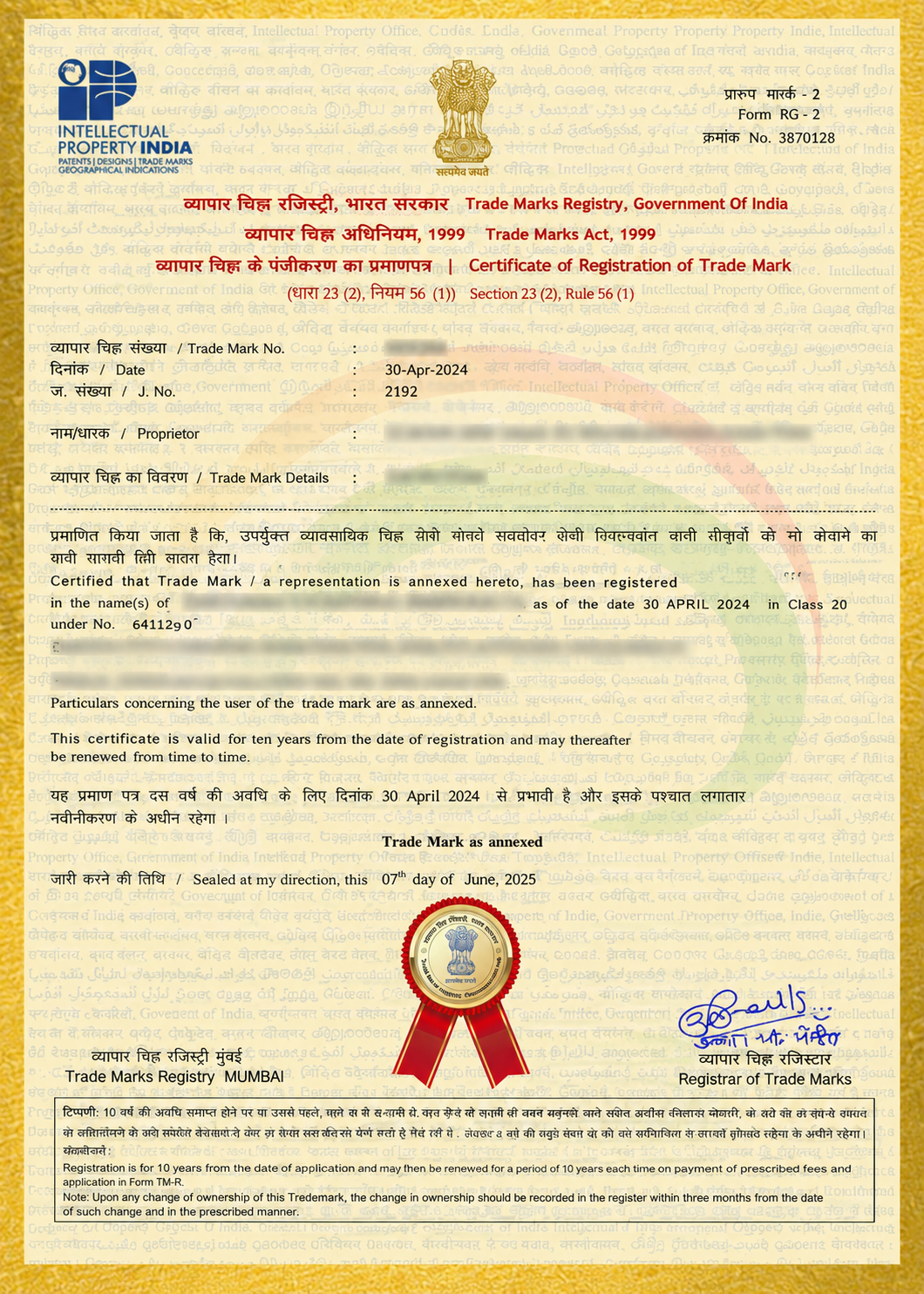
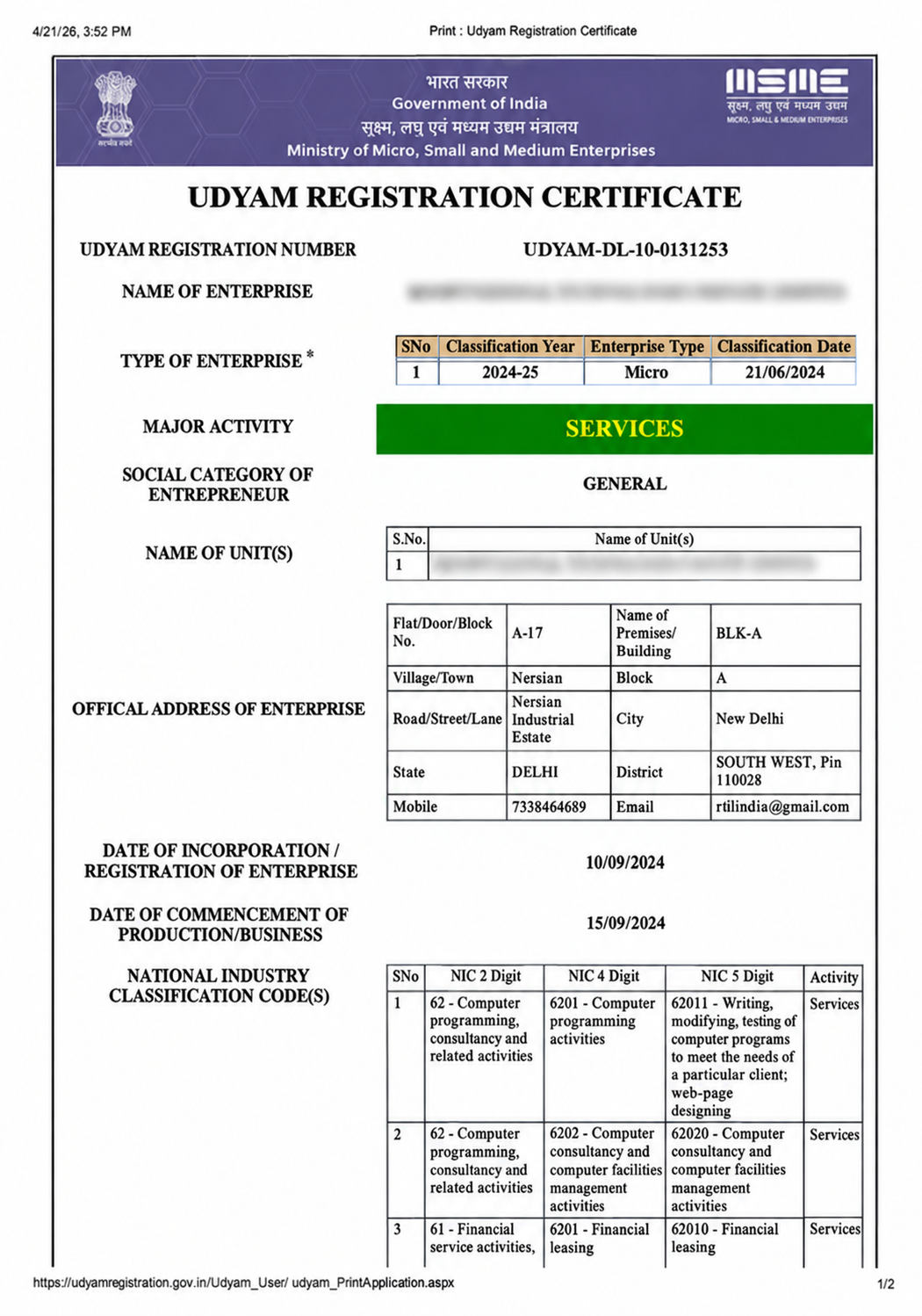
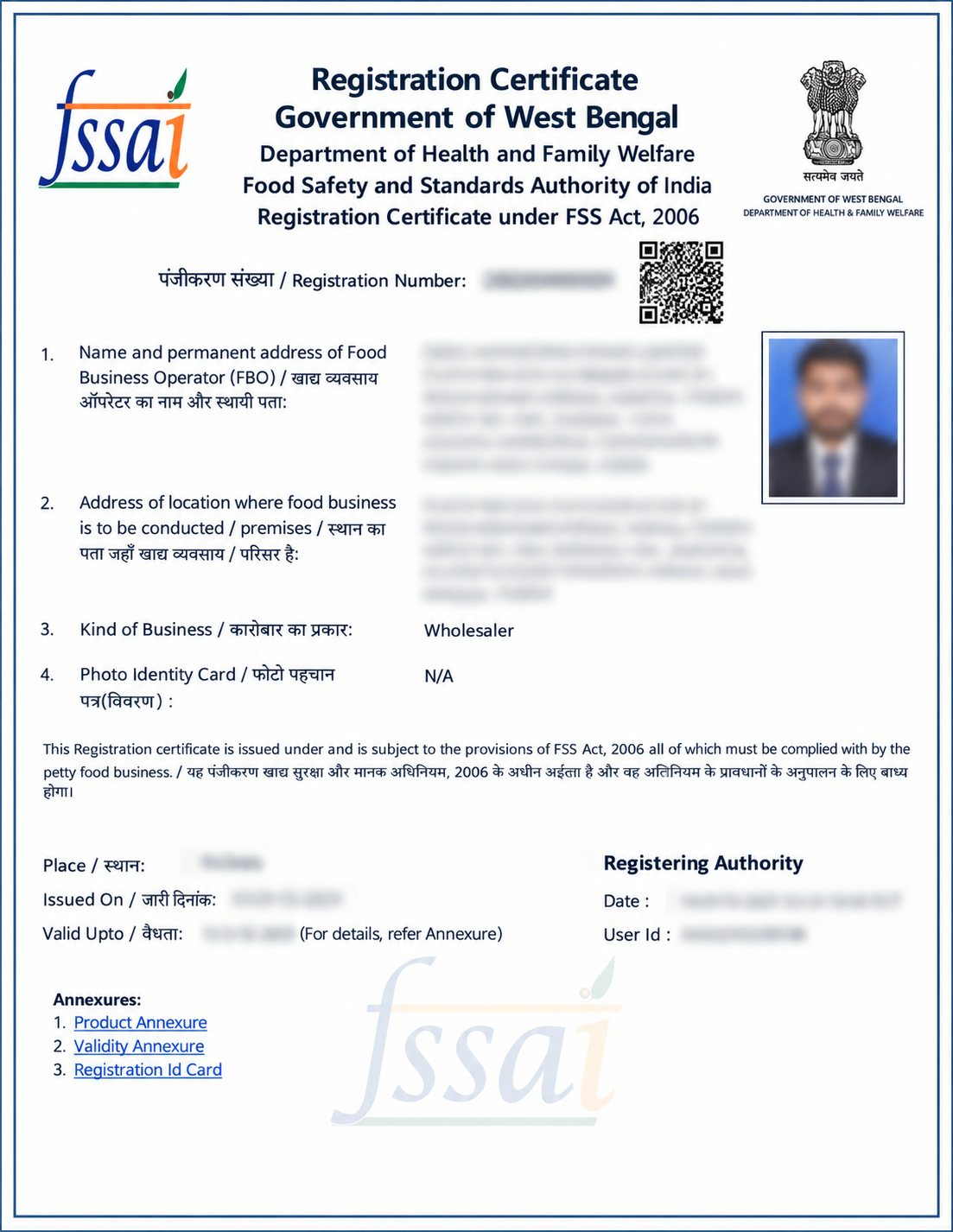
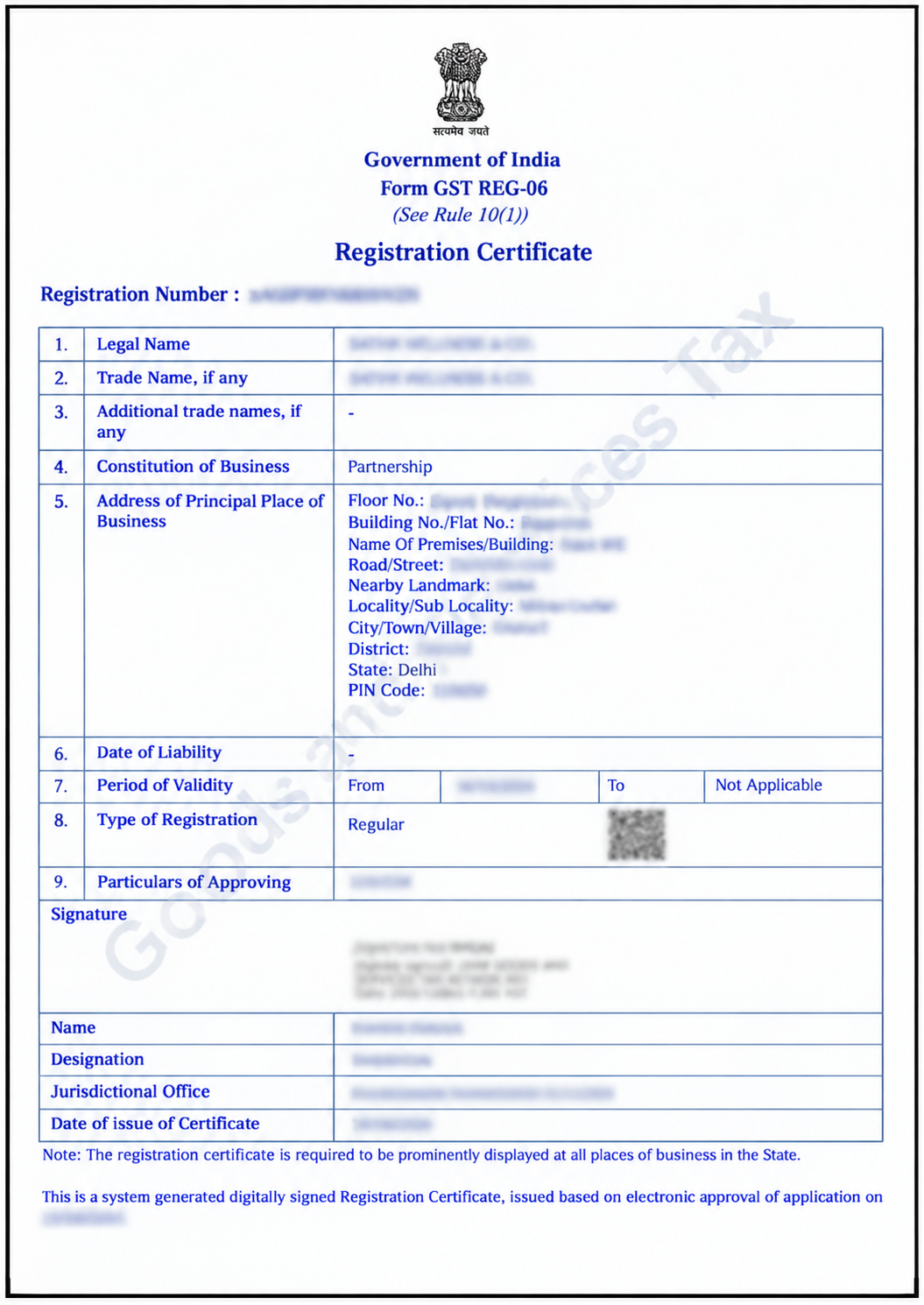
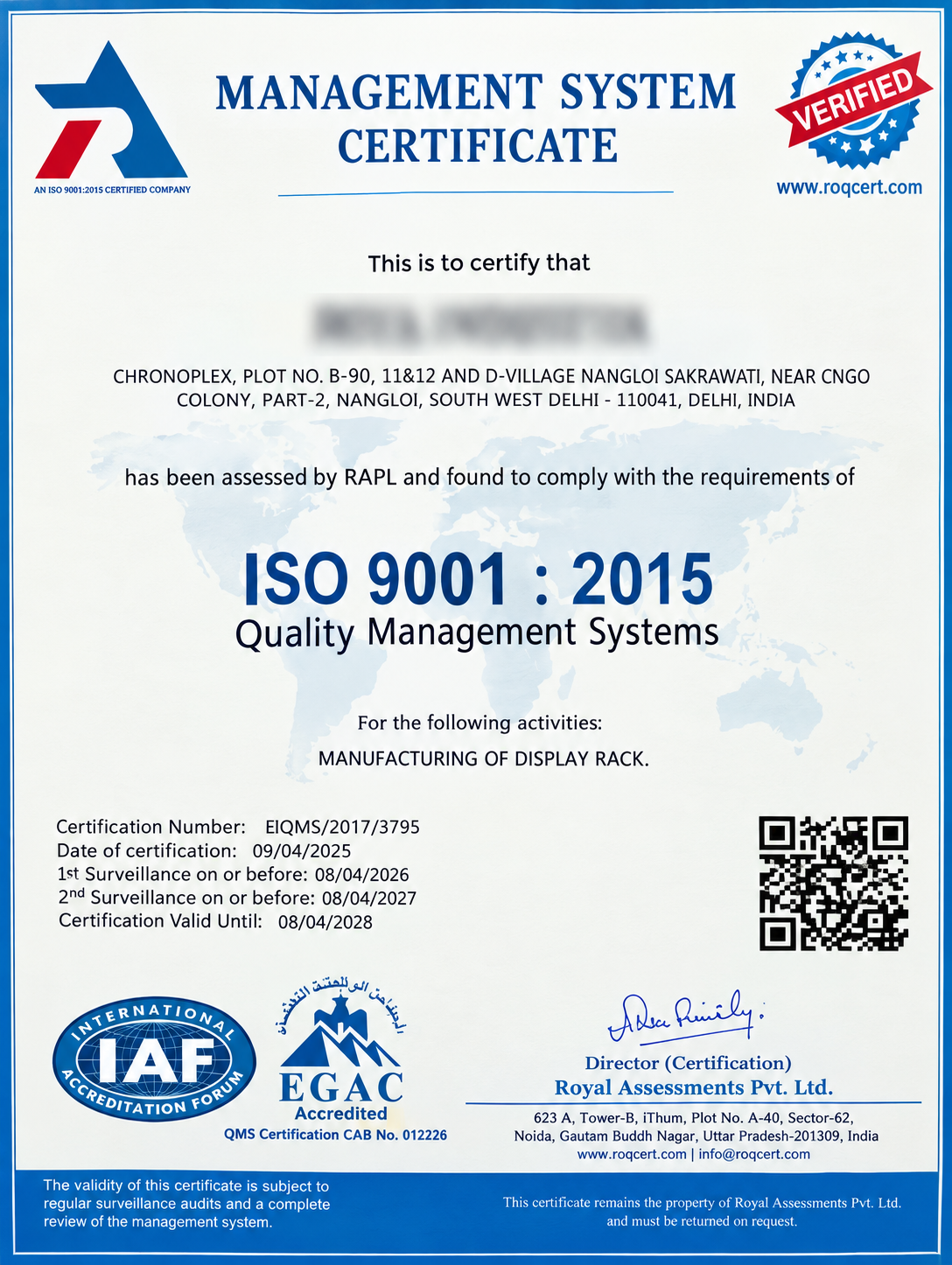
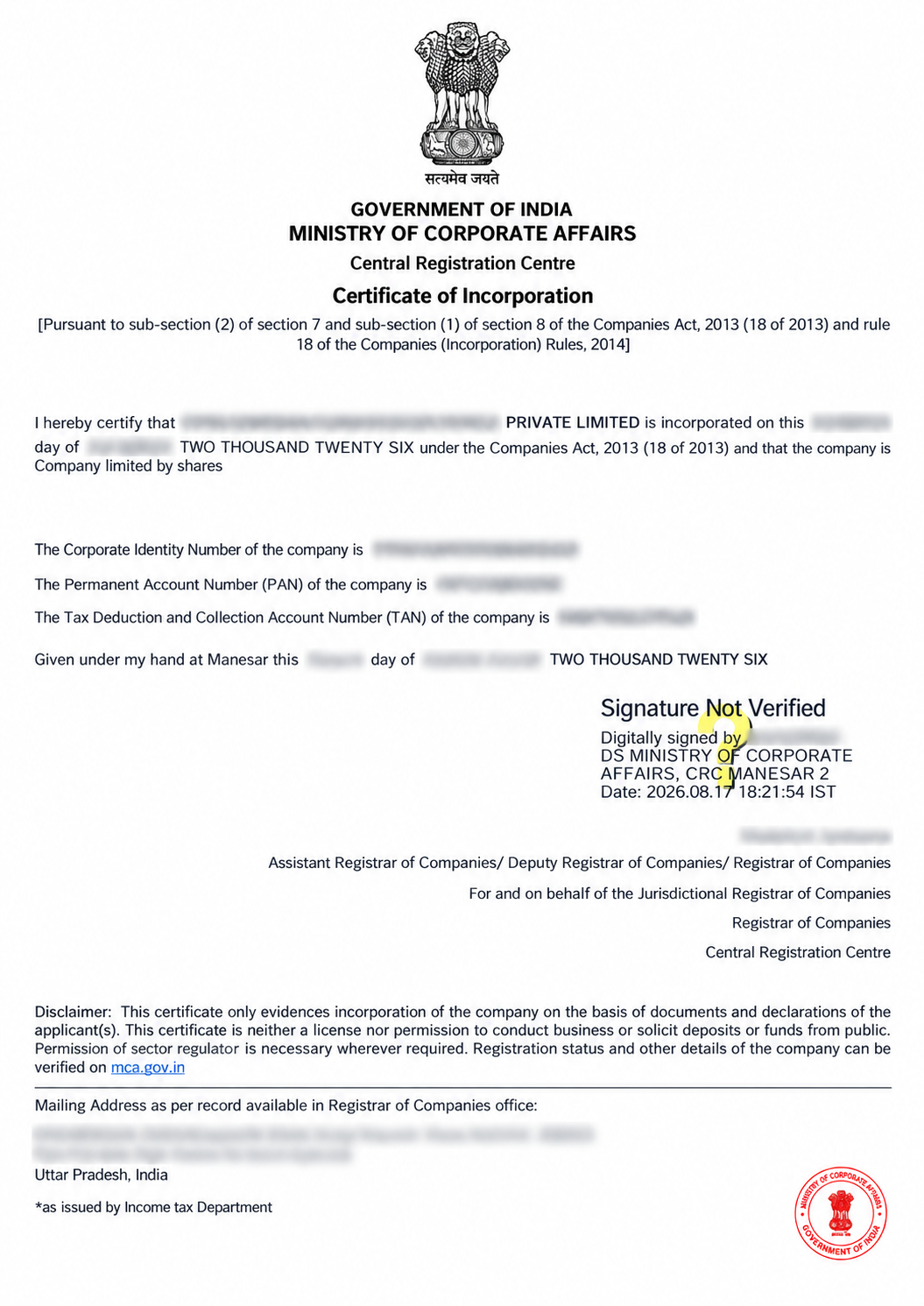
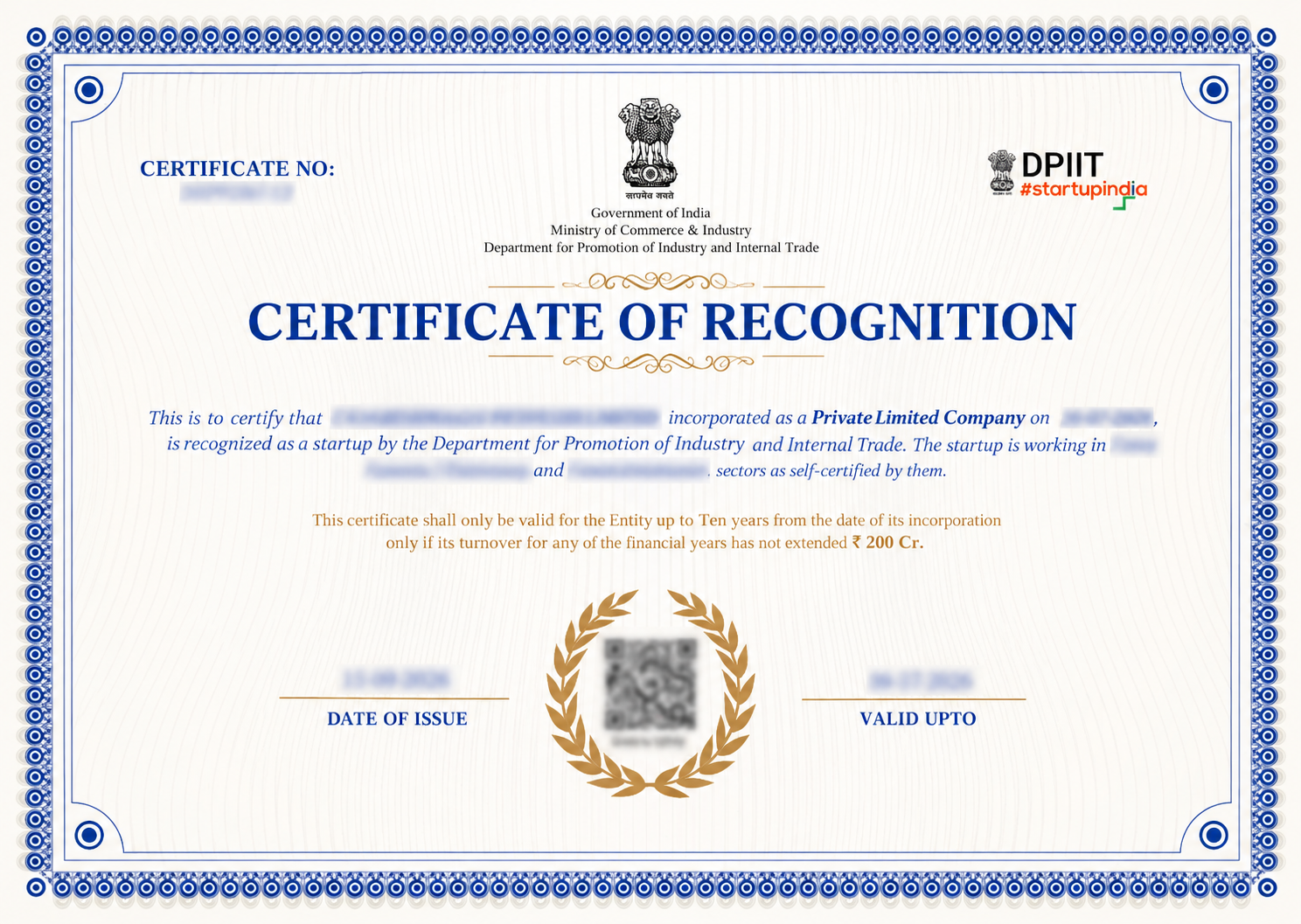
"Explore how Legalstartup has helped businesses reach new heights as their trusted partner."

Thousands of businesses and founders trust LegalStartup.