
Someone copying your brand, content or invention, or received an infringement notice yourself? A dedicated expert reviews your IP dispute, collects evidence, drafts or replies to legal notices, handles IP Office and domain proceedings and coordinates court action with advocates when needed.
Free call & custom quote · Government and court dues + professional fee, shown separately
IP dispute resolution is the process of enforcing or defending your trademark, copyright, patent, design or domain name rights through a notice, negotiation, an IP Office or domain proceeding, or a court case.
Last updated: October 2026. This page is general information, not legal advice for a specific case. Laws, court procedures, limitation periods and fees can change, so we confirm the current position before you proceed.
An IP dispute arises when there is a conflict over who owns an intellectual property right or whether it is being misused. It may be a competitor using a confusingly similar brand name, a website copying your content, a rival product that allegedly infringes a patent or design, or a domain name registered to trade on your reputation. It can also work the other way, where you receive a notice claiming that your own brand or product infringes someone else's rights.
Not every IP dispute ends in court. Many are resolved by a well-prepared notice, a negotiated settlement or a coexistence agreement. The right route depends on the strength of your rights, the quality of your evidence, how serious the damage is and how fast you need to act.
Registration records and IP Office proceedings are handled through the Office of the Controller General of Patents, Designs and Trade Marks (ipindia.gov.in). If your rights are not yet registered, see our trademark registration and copyright registration pages, or our trademark renewal page to keep existing rights alive.
The route and forum change with the type of right involved.
The most common IP dispute for businesses.
Copying of original work.
Technical and product-appearance rights.
Misuse of names on the internet.
Not sure which category your problem falls under? Share your brand or work, what the other party is doing and any proof you have, and our experts will advise free of charge.
Why prompt, structured action usually protects your position.
Stopping copycats early prevents customer confusion and damage to your reputation.
Quick action reduces the sales and goodwill that an infringer can divert from you.
Online content can disappear quickly, so dated evidence collected early strengthens your case.
A clear notice and a practical offer can resolve many disputes without the cost of a full case.
Long delay in acting can weaken a request for urgent court relief.
You know your options, costs and risks before deciding to negotiate, file or defend.
From case review to resolution.
Timelines depend on the other party and the forum. Outcomes are never guaranteed. Not to scale.
We study your rights, the other party's activity, dates of first use and how strong each side's position looks.
We guide you on dated screenshots, URLs, invoices, registrations and proof of reputation before anything is changed or removed.
We prepare a cease and desist notice, or a reply to a notice you received, that states your position clearly without creating avoidable risk.
Where suitable, we help with settlement terms such as stopping use, rebranding, coexistence or a licence, recorded in a written agreement.
If settlement fails, we help you file opposition, rectification or a domain complaint, or coordinate a civil or criminal case with advocates.
After resolution, we advise on registrations, renewals, monitoring and records so the same problem does not return.
Keep these ready to avoid delays. Our expert will confirm the exact list for your case.
The total has separate parts, and we show them separately so there are no surprises:
Fees for IP Office filings, court proceedings or domain complaint providers are paid as applicable and are separate from our fee.
Our fee depends on the type of dispute, the route and the support required. Call free for a custom quote before you pay anything.
Advocate appearances, court hearings, settlement agreement drafting and ongoing brand monitoring are quoted only if you need them.
We share a clear, itemised quote before you begin. Get your free quote →
Choose the situation that matches your dispute, or call free for a custom quote.
Infringement by others, or a notice you received.
Opposition, rectification and domain name disputes.
Serious or urgent infringement needing an injunction or damages.
Our professional fee is quoted after a free call. Government, court and forum dues are separate. Outcomes depend on the facts, evidence and the decision-maker, and we cannot promise a result. Not sure which option fits? Ask for a free consultation.
A quick view of the main options, which can also be combined.
| Route | Where it happens | Purpose | Best suited for | Complexity |
|---|---|---|---|---|
| Cease and desist notice | Between the parties | Demands the other side stop and gives a chance to settle | Clear infringement and early action | Low |
| Negotiation or mediation | Between the parties, or with a mediator | Agreed outcome such as rebrand, coexistence or licence | Parties who want to avoid litigation | Low to medium |
| IP Office proceedings | IP Office, through its online system | Opposition, rectification or cancellation of a registration | Disputes about a registered right | Medium |
| Domain complaint | Domain dispute provider under INDRP or UDRP | Transfer or cancellation of a domain name | Cybersquatting and lookalike domains | Medium |
| Civil suit | Competent court | Injunction, damages or account of profits | Serious, ongoing or urgent infringement | High |
| Criminal complaint | Police or magistrate, where the law allows | Action against wilful infringement or counterfeiting | Piracy and counterfeit goods | Medium to high |
Most weak cases come from poor evidence, delay or the wrong first move.
Resolution is only the start. Your rights still need to be kept strong.
Save the notice, settlement agreement, orders and correspondence in one place.
If your trademark or copyright was not yet registered, file for it so that your rights are clearer next time.
Keep renewals, assignments and licences recorded and up to date.
Watch for new filings, lookalike domains and marketplace listings that copy your brand.
If the other party breaks the settlement, review the agreement and move to the next route without delay.
Quick answers on IP disputes in India.
An IP dispute is a disagreement over ownership, use or infringement of intellectual property such as a trademark, copyright, patent, design or domain name. It can arise when someone copies or misuses your brand, content or invention, or when someone alleges that you are doing so.
Common disputes include trademark infringement and passing off, copyright infringement of content, software, images or music, patent and design infringement, domain name disputes and cybersquatting, and disputes over ownership, licences or assignments. Disputes can also arise before the IP Office, such as trademark opposition and rectification.
First preserve evidence such as screenshots, URLs, invoices and dates, and confirm your own rights through registration or proof of use. Then decide the route, which may be a cease and desist notice, negotiation, an IP Office proceeding or court action. A notice is often sent first but is not always mandatory, and a careless or baseless notice can create risk, so get it reviewed before sending.
Civil IP suits are filed before the court that has jurisdiction under the relevant Act and the Commercial Courts Act, which may be a commercial court, district court or a High Court depending on the facts, the value and the territory. Some High Courts have dedicated IP benches. Disputes about registration, such as opposition and rectification, go to the IP Office or the relevant appellate forum. We confirm the right forum for your case.
Courts can grant an interim injunction to stop the infringing use and may award final relief such as a permanent injunction, damages or an account of profits, and an order for delivery up of infringing goods. Whether and how quickly relief is granted depends on the facts, the evidence and the court, and we cannot promise any outcome.
Disputes over .in domains are generally handled under the INDRP framework of the .IN Registry, while disputes over many other domain extensions follow the UDRP process. Both are faster than a court case, and the complainant usually has to show rights in the name, that the domain is identical or confusingly similar, and bad faith registration or use.
Do not ignore it and do not delete anything. Note the response date, collect your proof of rights and use, and get the notice reviewed. Depending on the facts, the reply may deny the claim, propose a settlement, or involve changing the disputed use. A well-considered reply can often prevent a court case.
It depends on the route. A notice and settlement can close within weeks if the other side responds, while IP Office proceedings and court cases can take months or years. We explain a realistic path for your case but cannot promise a date or an outcome.
Useful evidence includes registration certificates or applications, proof of first and continuous use such as invoices and advertising, proof of reputation, dated screenshots and URLs of the infringement, evidence of the other party's sales or use, any earlier correspondence, and records of loss or confusion. We confirm the list for your case.
Cost depends on the type of dispute, the route chosen, the number of parties and whether court action is needed. Government, court or arbitration fees are separate from our professional fee. We share an itemised quote after a free call.
Facing an IP dispute or received an infringement notice? Speak to our expert today – the consultation and the quote are free.
Tell us what you need and our team will get back to you with the right guidance.
Legalstartup ke certificates, registrations aur recognitions jo hamari credibility dikhate hain.
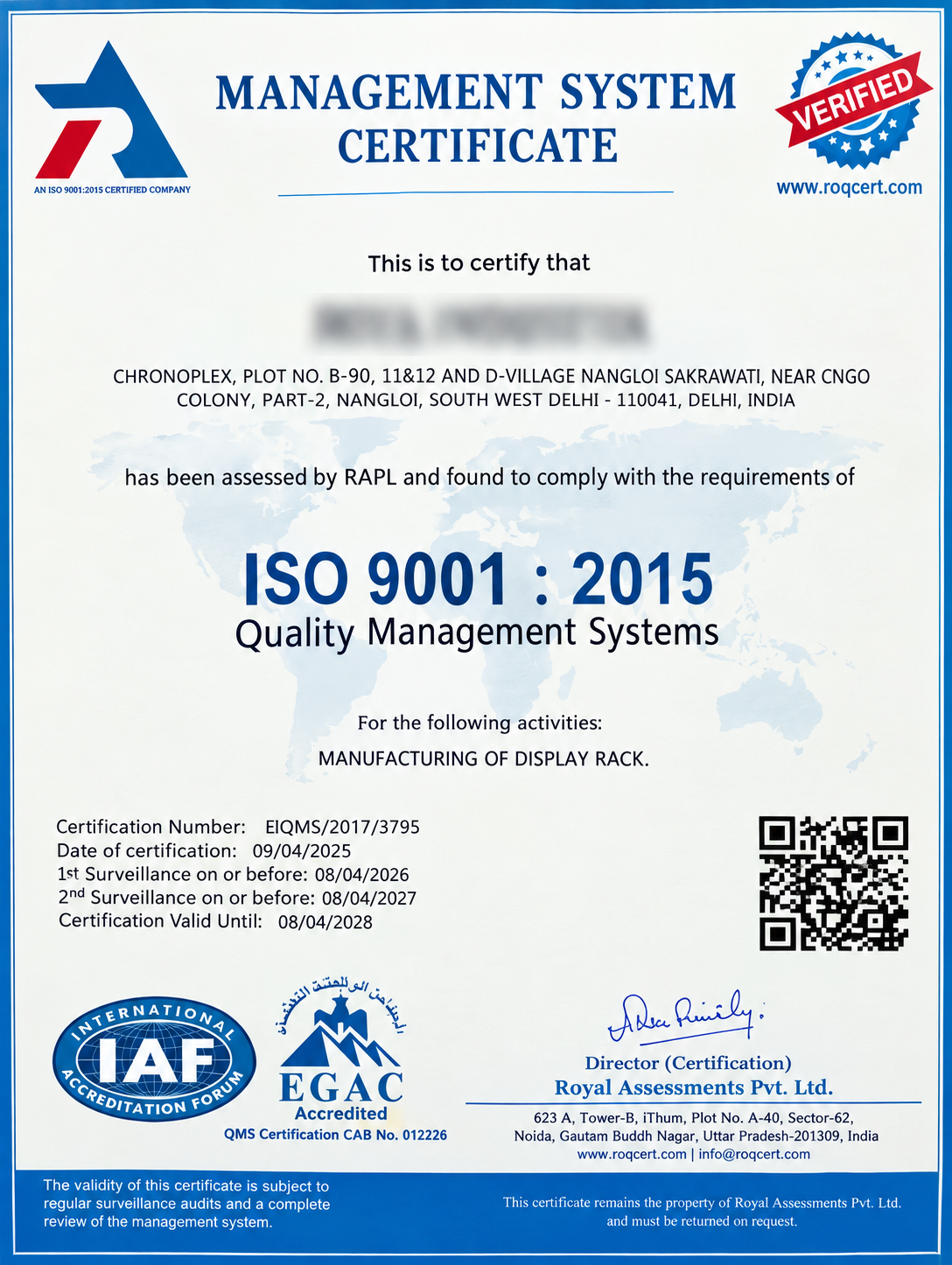
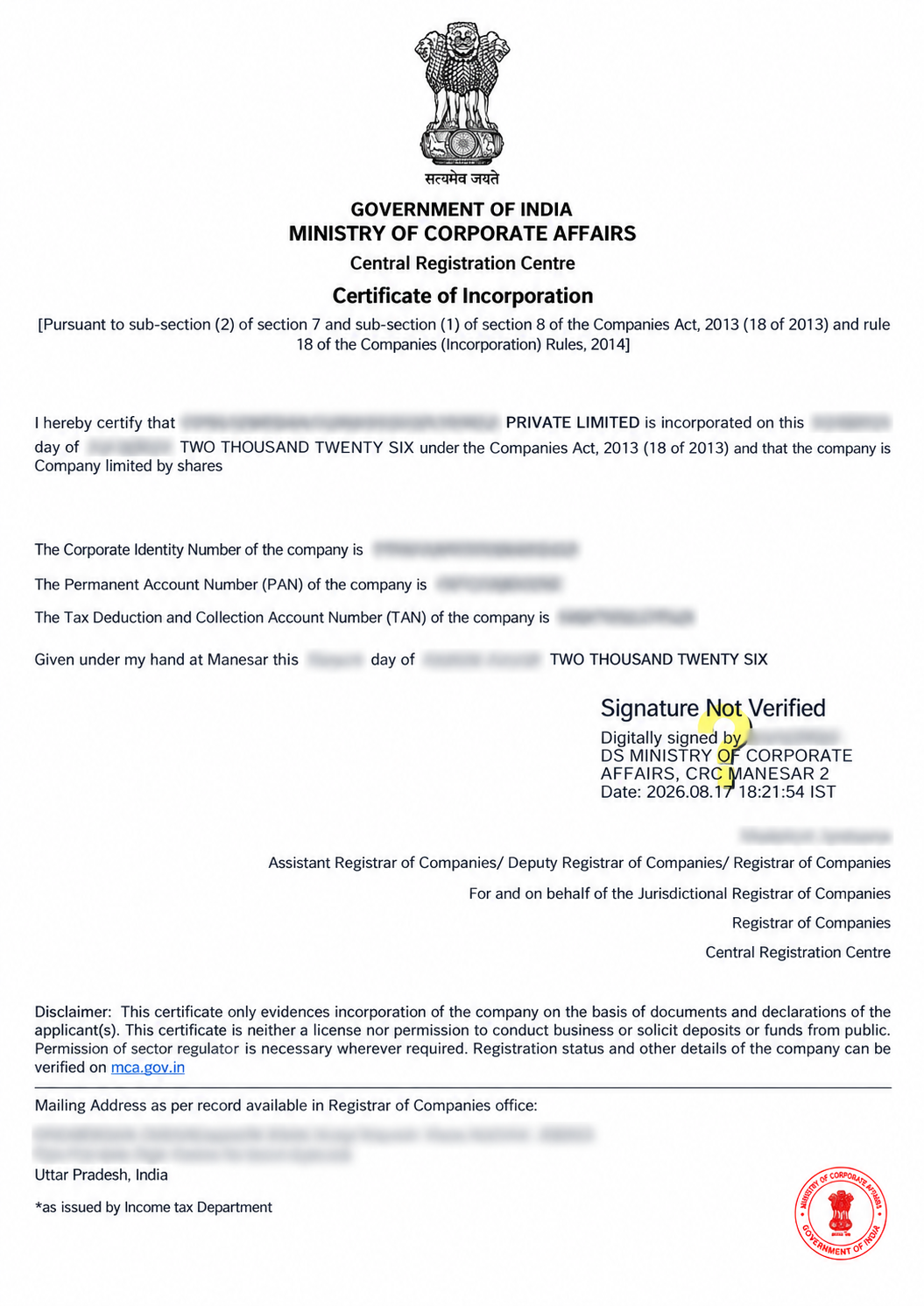
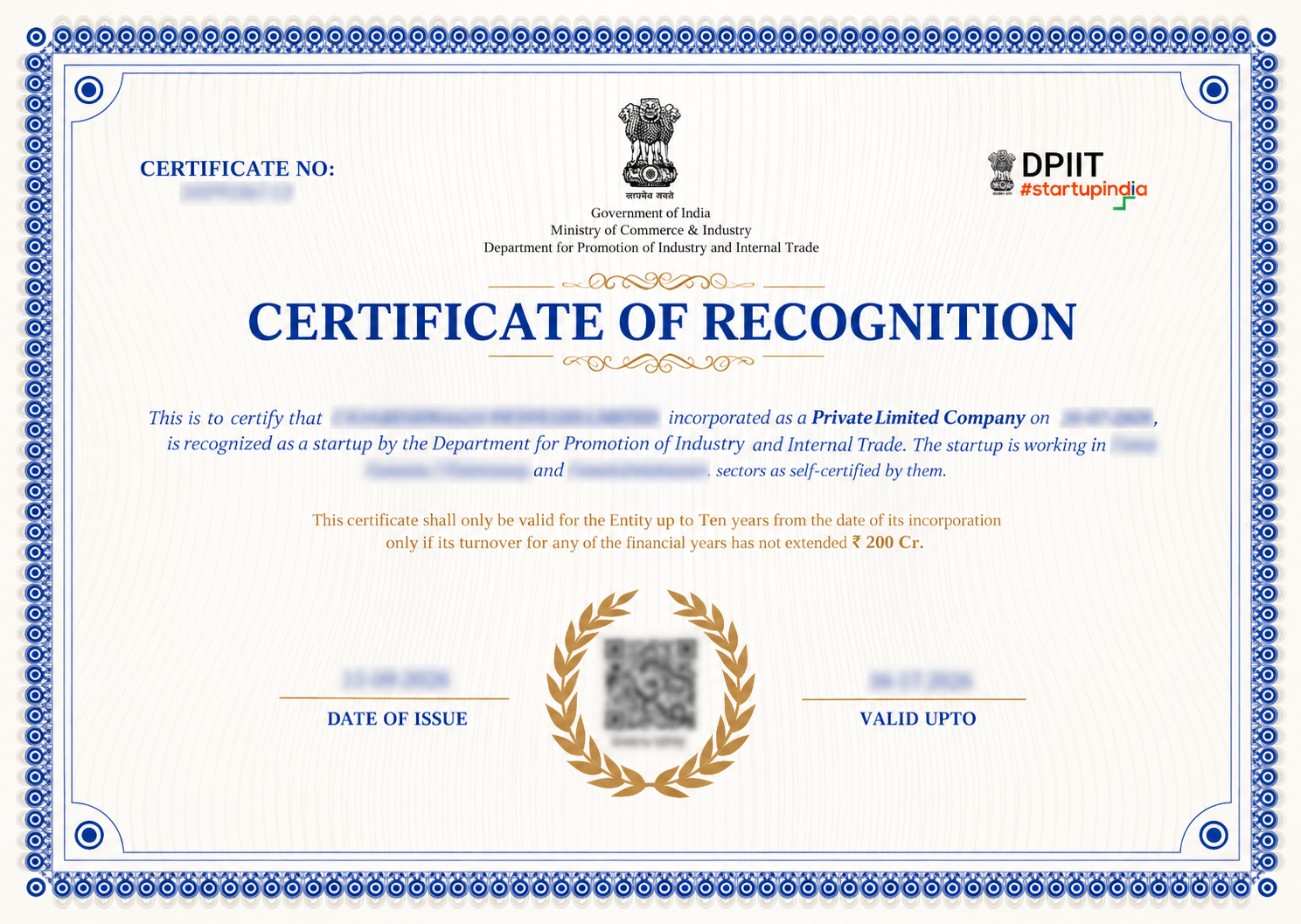
"Explore how Legalstartup has helped businesses reach new heights as their trusted partner."

Thousands of businesses and founders trust LegalStartup.