
File your monthly PF return with Legal Startup. A dedicated expert checks your wage and UAN data, prepares the ECR, guides the challan payment and helps you fix late or pending months and EPFO queries.
Free call & custom quote · PF dues to government + professional fee, shown separately
A PF return is the monthly Electronic Challan cum Return (ECR) that an employer files on the EPFO portal, reporting each employee's wages and the provident fund contributions paid for that month.
Last updated: October 2026. Contribution rates, wage ceilings, due dates and portal rules are set by EPFO and the government and can change, so we confirm the current position before you proceed.
The Employees' Provident Fund (EPF) is a retirement savings scheme run by the Employees' Provident Fund Organisation (EPFO). Each month, the employer deducts the employee's share from wages, adds the employer's share and deposits the total. The PF return, filed as an ECR, tells EPFO which employee the money belongs to and how it is divided across EPF, EPS and EDLI.
The ECR is linked to each employee's Universal Account Number (UAN). If the return is wrong, late or missing, an employee's PF credit can be delayed, and the employer may face interest, damages or an inquiry. Accurate monthly filing protects both sides.
For official information, registration and filing, visit the EPFO website (epfindia.gov.in) and the EPFO employer portal.
The right filing depends on what happened in the month.
The regular return for every wage month.
For a month with no wages paid.
For corrections to earlier months.
For new and changing workforces.
Not sure which filing applies to your month or backlog? Tell us your employee count and pending months, and our experts will advise free of charge.
Why filing correctly each month matters for employers and employees.
Meet your obligations under the EPF Act and avoid interest, damages and inspection risk.
Timely credit builds each employee's retirement savings and supports pension and insurance cover.
Regular returns help employees see their balance and settle withdrawals and transfers without disputes.
Correct wage and UAN data reduces queries and recovery action from EPFO.
A clean PF record helps you attract staff and builds confidence with clients and auditors.
Filed returns and challans support audits, due diligence and vendor or tender applications.
From wage data to a filed ECR.
Credit to employee accounts depends on EPFO processing. Not to scale.
We identify whether this is a regular, nil, arrears or catch-up filing and note the due date.
You share monthly wages, attendance, new joiners and exits, which we organise by UAN.
We look for inactive or mismatched UANs and missing details that can cause rejection or delay.
The ECR is prepared and uploaded on the employer portal, and a Temporary Return Reference Number is generated.
You pay the contribution and related charges online against the generated return reference.
Keep the ECR and payment receipt, and check that contributions appear in member accounts.
Keep these ready to avoid delays. Our expert will confirm the exact list for your case.
The total has separate parts, and we show them separately so there are no surprises:
Employee and employer contributions and related charges are paid to EPFO. Any interest or damages for delay are paid there too.
Our fee depends on the number of employees, months pending and the support needed. Call free for a custom quote before you pay anything.
PF registration, arrears returns, catch-up filing and notice replies are quoted only if you need them.
We share a clear, itemised quote before you begin. Get your free quote →
Choose the situation that matches your business, or call free for a custom quote.
Registered employers who need regular ECR filing.
New establishments and growing teams.
Pending months, corrections and EPFO notices.
Our professional fee is quoted after a free call. PF dues are separate. We do not guarantee waiver of interest or damages. Not sure which option fits? Ask for a free consultation.
A quick view of the common PF filings and the employee claim route.
| Filing | Who files | When | Purpose | Payment needed |
|---|---|---|---|---|
| Monthly ECR | Employer | Every month, around the 15th of next month | Report wages and contributions | Yes |
| Nil return | Employer | Months with no wages | Keep compliance record regular | No |
| Arrears or revised ECR | Employer | When earlier months need correction | Fix or add wages and contributions | Usually yes |
| PF claim | Employee, using UAN | On exit or when eligible | Withdraw or transfer PF | No |
Most problems come from late filing, wrong wages or inactive UANs.
Filing is only part of the process. Records and follow-up matter too.
Keep the return, challan and payment proof for audits and future queries.
Confirm that contributions reach employee accounts and fix rejected or unmatched entries.
Record joining and exit dates promptly so employees can claim or transfer their PF.
Use an arrears or revised return where earlier wages or contributions were wrong.
Keep wage data ready early so the next return and payment are not delayed.
Quick answers on PF return filing in India.
A PF return is the monthly Electronic Challan cum Return (ECR) that an employer files on the EPFO employer portal. It reports each employee's wages and the employee and employer contributions for the month, and it is linked to the payment made through the challan.
Establishments covered under the Employees' Provident Funds and Miscellaneous Provisions Act, 1952 must file a PF return every month. This generally includes establishments with 20 or more employees, and smaller establishments may also register voluntarily. Applicability can depend on the industry and local rules.
The monthly PF return and contribution payment are generally due by the 15th of the following month. For example, the return for April is due by 15 May. Due dates can change by notification, so we confirm the current date before filing.
You need your establishment code and EPFO portal login, the list of employees with active UAN and KYC, monthly wage and attendance data, joining and exit dates, and details of the previous month's return. If you are filing arrears or corrections, you also need the earlier return details.
The employer prepares the ECR file or enters data on the EPFO employer portal, uploads it, and checks it. A Temporary Return Reference Number is generated, the challan amount is paid online, and the return is treated as filed once the payment is made and the ECR is confirmed.
Late payment of PF dues can attract interest and damages under the PF law, and repeated default may lead to inquiry or recovery action. Employees may also see delays in their PF credit. We confirm the applicable charges for your case and help you regularise pending months.
If a registered establishment paid no wages in a month, it can generally file a nil return on the EPFO portal instead of leaving the month blank. This keeps the compliance record regular, and we confirm the right step for your situation.
Yes, in many cases. Errors such as wrong wages or missed employees can be handled through an arrears or revised return, subject to the options available on the portal. Some mistakes, such as incorrect member details, may need separate correction requests.
Employees can check their balance and passbook on the EPFO member portal using their UAN, and apply for withdrawal or transfer online after meeting the KYC and eligibility conditions. This page mainly covers the employer's PF return, but we can guide you on the right claim route.
Our professional fee depends on the number of employees, the months pending and whether you need registration, corrections or notice support. The PF contribution, interest and damages are paid to the government and are separate from our fee. We share an itemised quote after a free call.
Need help with your PF return? Speak to our expert today – the consultation and the quote are free.
Tell us what you need and our team will get back to you with the right guidance.
Legalstartup ke certificates, registrations aur recognitions jo hamari credibility dikhate hain.

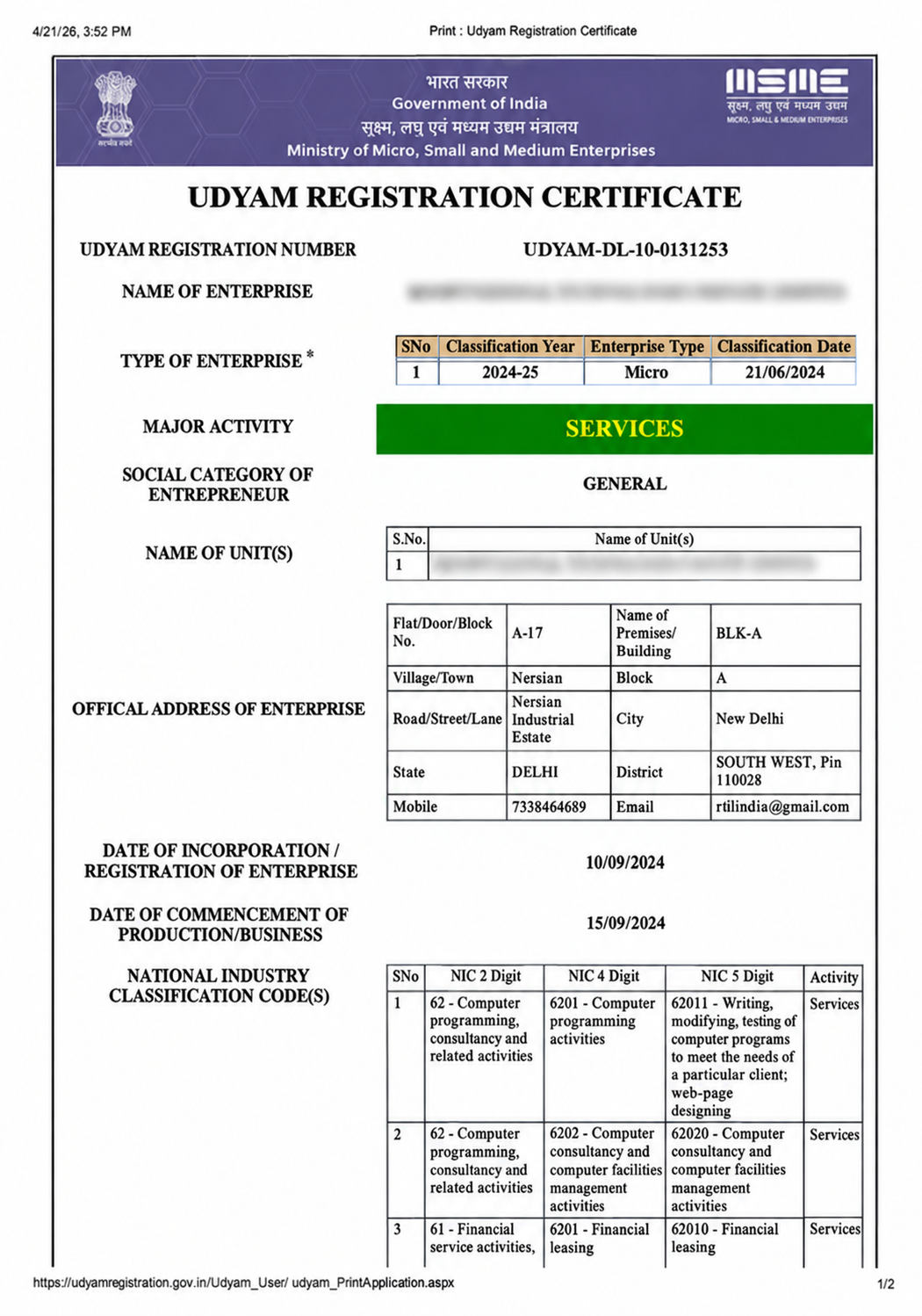




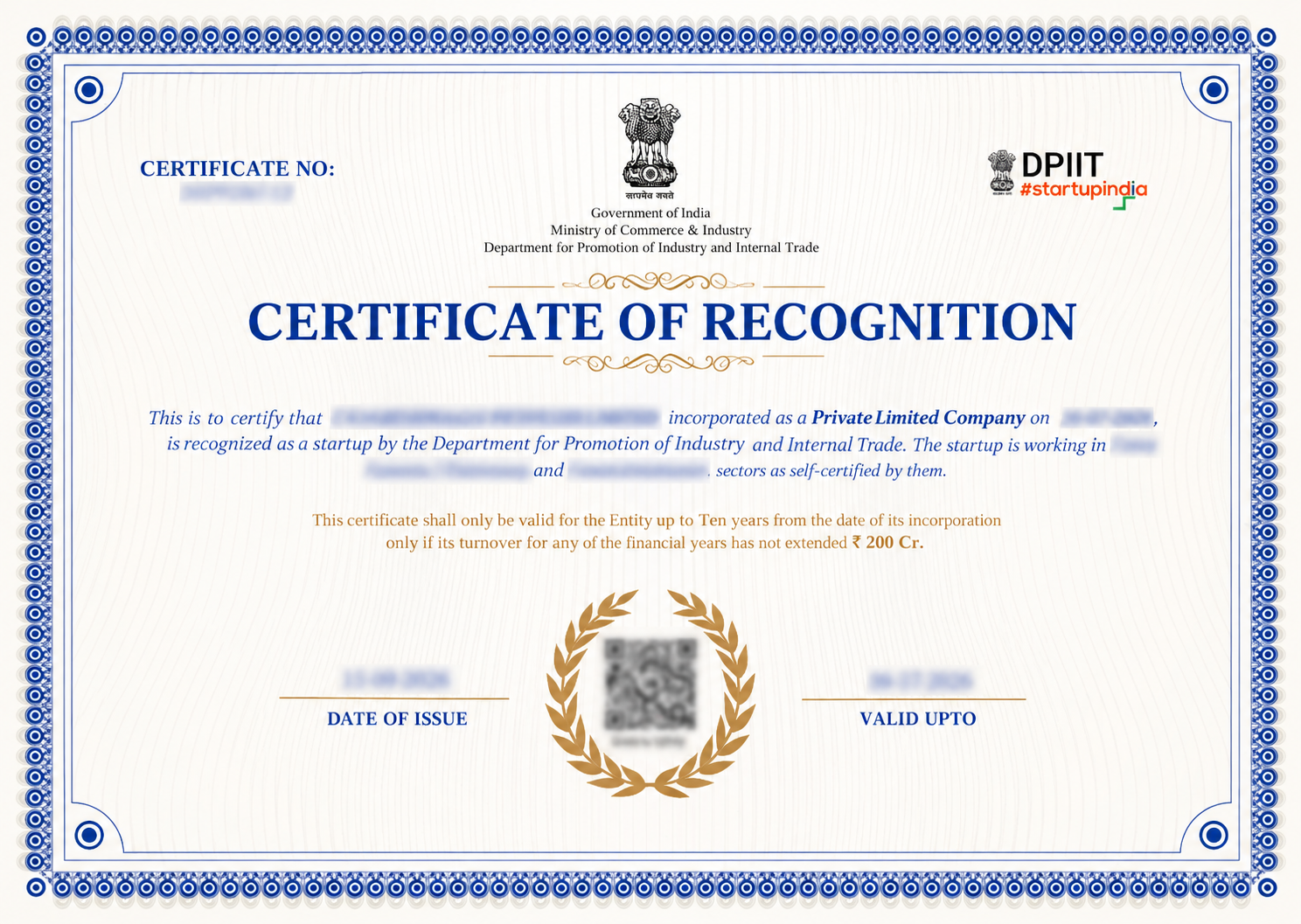
"Explore how Legalstartup has helped businesses reach new heights as their trusted partner."

Thousands of businesses and founders trust LegalStartup.