
Get your joint venture agreement drafted or reviewed by Legal Startup. We structure the venture, set out capital, profit sharing, control, IP and exit terms clearly, and flag the legal and stamping points before you sign.
Free call & custom quote · Professional fee quoted before you start
A joint venture agreement is a written contract in which two or more parties agree to combine resources for a defined business purpose while remaining separate entities. It records who contributes what, how profits and losses are shared, who controls decisions, and how the venture ends.
Last updated: October 2026. This page is general information, not legal advice for your specific case. Laws, duties and thresholds can change, so we confirm the current position before drafting.
A joint venture (JV) is a business arrangement where parties work together on a specific project or business line. Each party keeps its own identity, but shares the investment, risk, control and returns as agreed. The joint venture agreement is the document that makes those terms enforceable.
Without a clear agreement, common disputes arise over capital calls, profit shares, ownership of IP created during the venture, who can speak for the business, and what happens when a partner wants out. A good agreement answers these questions before they become conflicts.
The right structure and clauses depend on your facts. A short project JV can run on a contract alone, while a long-term venture usually needs a company or LLP with a shareholders' or LLP agreement. If a foreign party is involved, FDI policy, sectoral limits and RBI reporting may apply, and some larger combinations may need approval from the Competition Commission of India. Brand ownership matters too; see our trademark registration online service to protect the venture's name and logo.
What every joint venture should settle in writing.
The right structure depends on duration, liability, funding and control.
Parties cooperate under a contract without forming a new entity.
Parties hold shares in a new or existing company.
Parties become partners in a limited liability partnership.
Parties form a partnership firm for the venture.
An Indian party joins with a foreign party.
Parties join for a tender, contract or defined project.
Not sure which structure fits? Share your plan and our experts will suggest options free of charge.
The terms that protect each party and keep the venture running.
Defines the business, territory, duration and what is outside the venture.
Sets contributions, further funding, and how profits and losses are shared.
Covers board or committee seats, voting and matters needing every party's consent.
States who owns existing IP and what is created during the venture.
Protects trade secrets and limits competing activity, within reasonable limits.
Provides a way forward when the parties cannot agree on a key decision.
Covers share transfer, first refusal, tag and drag rights, and winding up.
Names the governing law, forum and arbitration seat to settle disagreements.
From first discussion to a signed and stamped agreement.
Timelines depend on how quickly the parties agree on terms and complete approvals. Not to scale.
We learn the parties, the business plan, the funding and who will run what.
We compare contract, company, LLP and partnership routes against liability, tax and control needs.
Key commercial points are recorded in a term sheet or MoU before the full agreement is drafted.
We draft clauses on capital, profit sharing, management, IP, exit and disputes in clear language.
All parties review the draft and we update it until the terms are settled.
We guide you on stamp duty and execution, plus any approvals or filings the structure needs.
Keep these ready to avoid delays. Our expert will confirm the exact list for your case.
The cost depends on the complexity of the venture, the number of parties, the structure and how much negotiation is needed. It generally has three parts:
Our fee depends on the structure and scope. Call free for a custom quote before you pay anything.
Set by state law, so it varies by state and document. We confirm the amount before execution.
Company or LLP incorporation, registrations, foreign investment filings and approvals are charged separately where needed.
We share a clear, itemised quote before you begin – no hidden charges. Get your free quote →
Choose the option that matches your situation, or call free for a custom quote.
You have agreed the deal and need a clear, enforceable agreement.
You have received a joint venture agreement and want it checked.
Your venture needs a new entity, or a foreign partner is involved.
Our professional fee is quoted after a free call. Stamp duty and any registration or filing charges are separate. Not sure which option fits? Ask for a free consultation.
Any parties sharing investment, risk and control in a business should put it in writing.
Teaming up with another business to launch a product or enter a market.
Sharing resources, technology or distribution on a defined project.
Landowners, developers and contractors pooling land, funds and skills.
Combining production, supply and sales under agreed terms.
Entering India with a local partner within FDI and FEMA rules.
Parties bidding together who need clear roles and liability splits.
A quick view of how the main routes differ. Ask us which one suits your venture.
| Structure | Separate entity | Governing law | Best for | Consideration |
|---|---|---|---|---|
| Contractual JV | No | Indian Contract Act, 1872 | Short projects | Liability and tax need careful drafting |
| Company JV | Yes | Companies Act, 2013 | Long-term ventures, outside funding | More compliance, shareholders' agreement |
| LLP JV | Yes | LLP Act, 2008 | Professional and service ventures | Limited liability, flexible terms |
| Partnership JV | Firm, not separate for liability | Partnership Act, 1932 | Small, simple ventures | Partners share liability |
Most JV disputes trace back to terms that were left vague or unwritten.
The agreement works best when the parties follow it and keep records.
Store stamped, signed copies of the agreement and all annexures safely.
Make any company, LLP, tax or foreign investment filings the structure requires.
Hold meetings, keep minutes and obtain consents for reserved matters.
Record any change in terms, parties or contributions through a written amendment.
Quick answers on joint venture agreements in India.
A joint venture agreement is a written contract in which two or more parties agree to pool resources for a defined business purpose, while staying separate businesses. It sets out contributions, profit sharing, control, exit and dispute terms.
Yes. A joint venture agreement that meets the requirements of a valid contract under the Indian Contract Act, 1872 is enforceable. It should be properly stamped as per the applicable state stamp law to be admissible as evidence.
Purpose and scope, capital contributions, profit and loss sharing, management and decision-making, intellectual property, confidentiality, non-compete, deadlock resolution, exit and transfer terms, termination, governing law and dispute resolution.
A joint venture is usually formed for a specific project or limited purpose, while a partnership is an ongoing business relationship under the Indian Partnership Act, 1932. A joint venture can itself be structured as a partnership, company, LLP or purely by contract.
It depends on duration, liability, funding, tax and control. A contractual joint venture suits short projects; a company or LLP suits long-term businesses needing separate legal identity. We review your facts before recommending one.
Yes. Stamp duty on agreements is governed by state law, so the amount and the stamp paper requirement depend on the state and on the nature of the document. We confirm the position before execution.
Yes, subject to the FDI policy, sectoral caps and FEMA rules, including any RBI reporting for foreign investment. The agreement should address these compliances and the currency, tax and governing law terms.
Most agreements provide a step-wise process: discussion between senior representatives, then mediation or arbitration under the Arbitration and Conciliation Act, 1996, with a stated seat, language and governing law.
A well-drafted agreement includes a deadlock clause, such as escalation to senior management, mediation, a buy-sell mechanism or exit rights, so the business is not stuck.
Cost depends on the complexity, number of parties, structure and negotiation needed. Stamp duty and any registration charges are separate. Call us free for a custom quote before you pay anything.
A simple agreement can be drafted quickly once the commercial terms are clear. Complex or cross-border ventures take longer because of negotiation, approvals and compliance checks.
Planning a joint venture? Speak to our legal expert today – the first consultation and the quote are free.
Tell us what you need and our team will get back to you with the right guidance.
Legalstartup ke certificates, registrations aur recognitions jo hamari credibility dikhate hain.
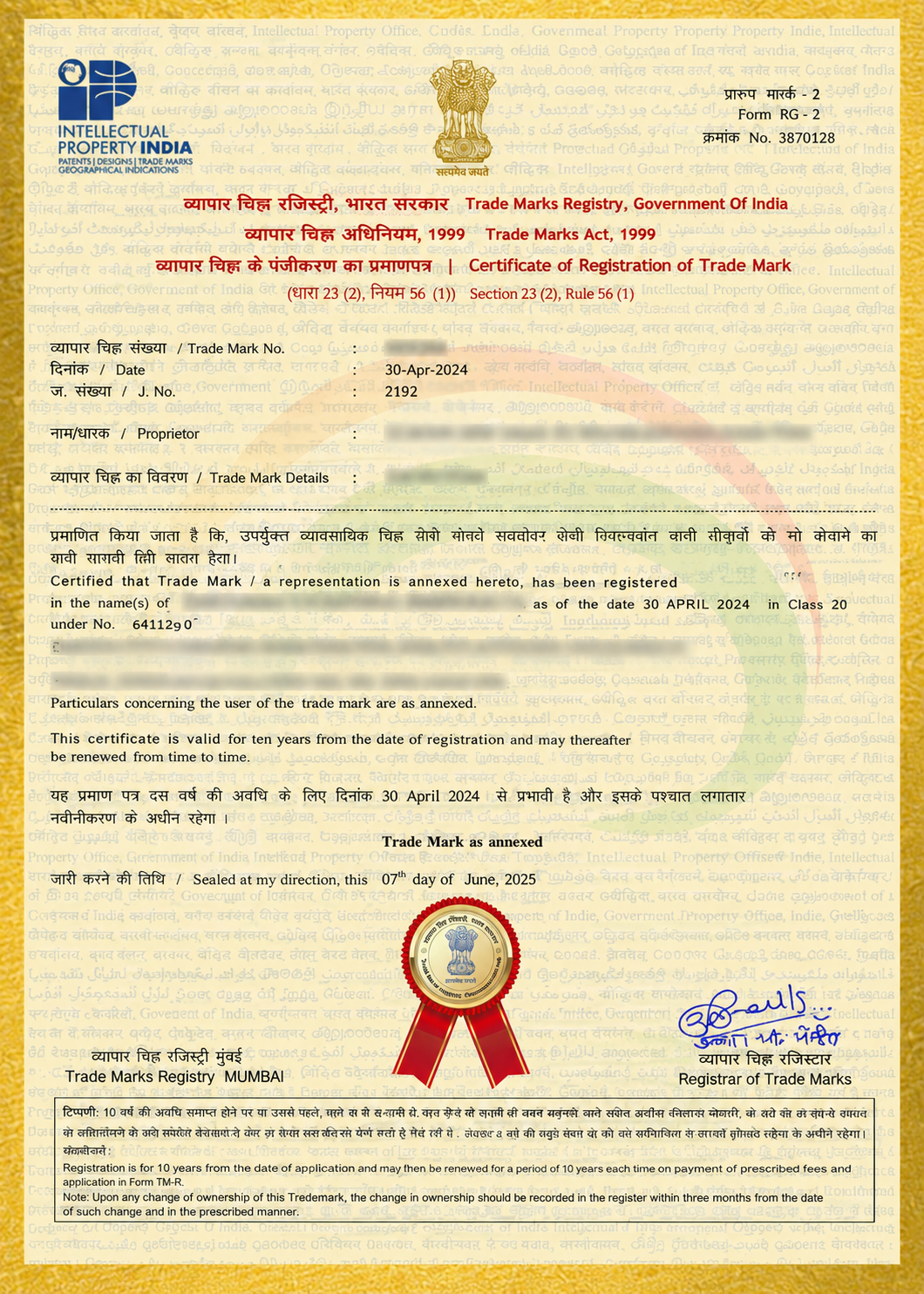
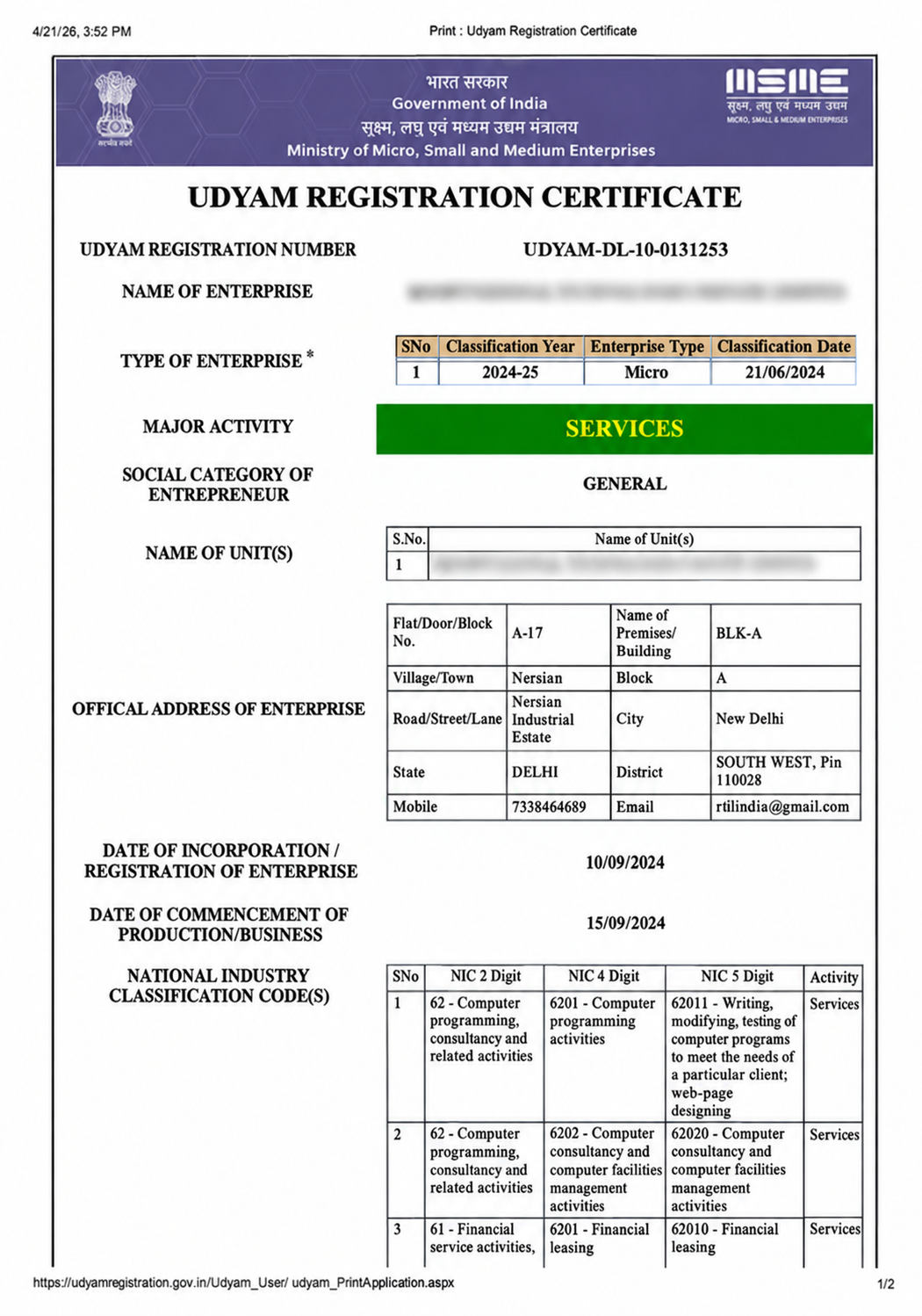
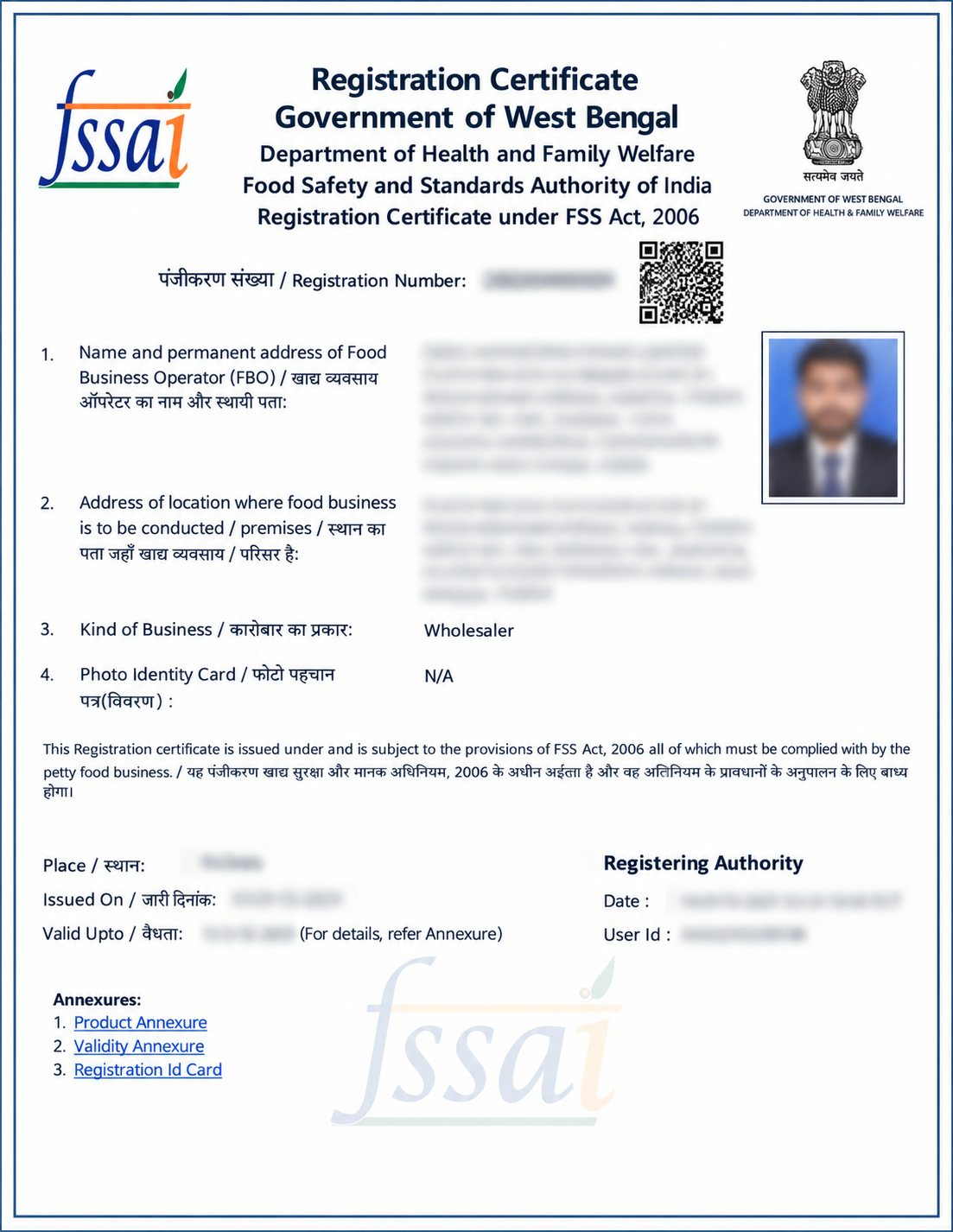
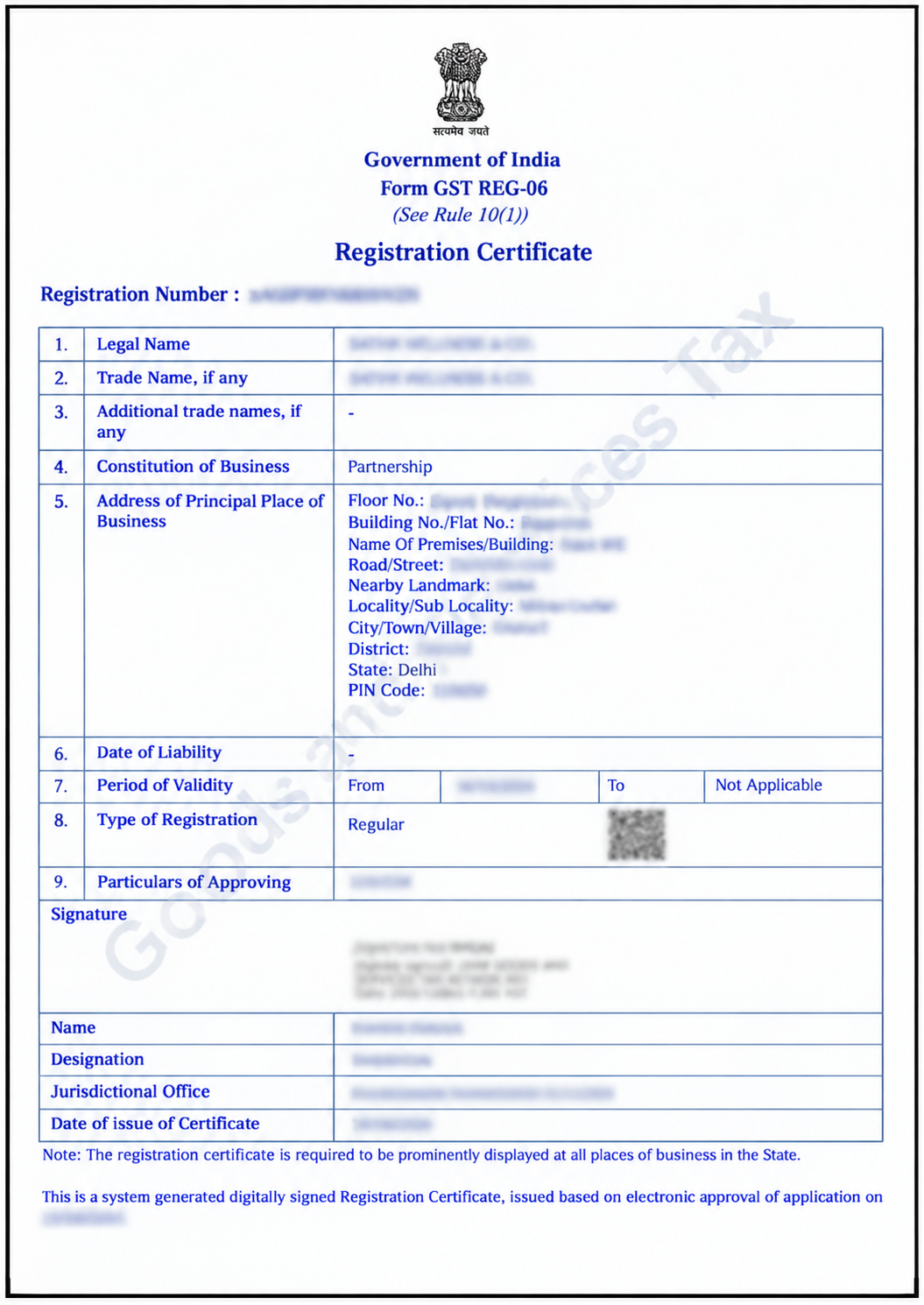
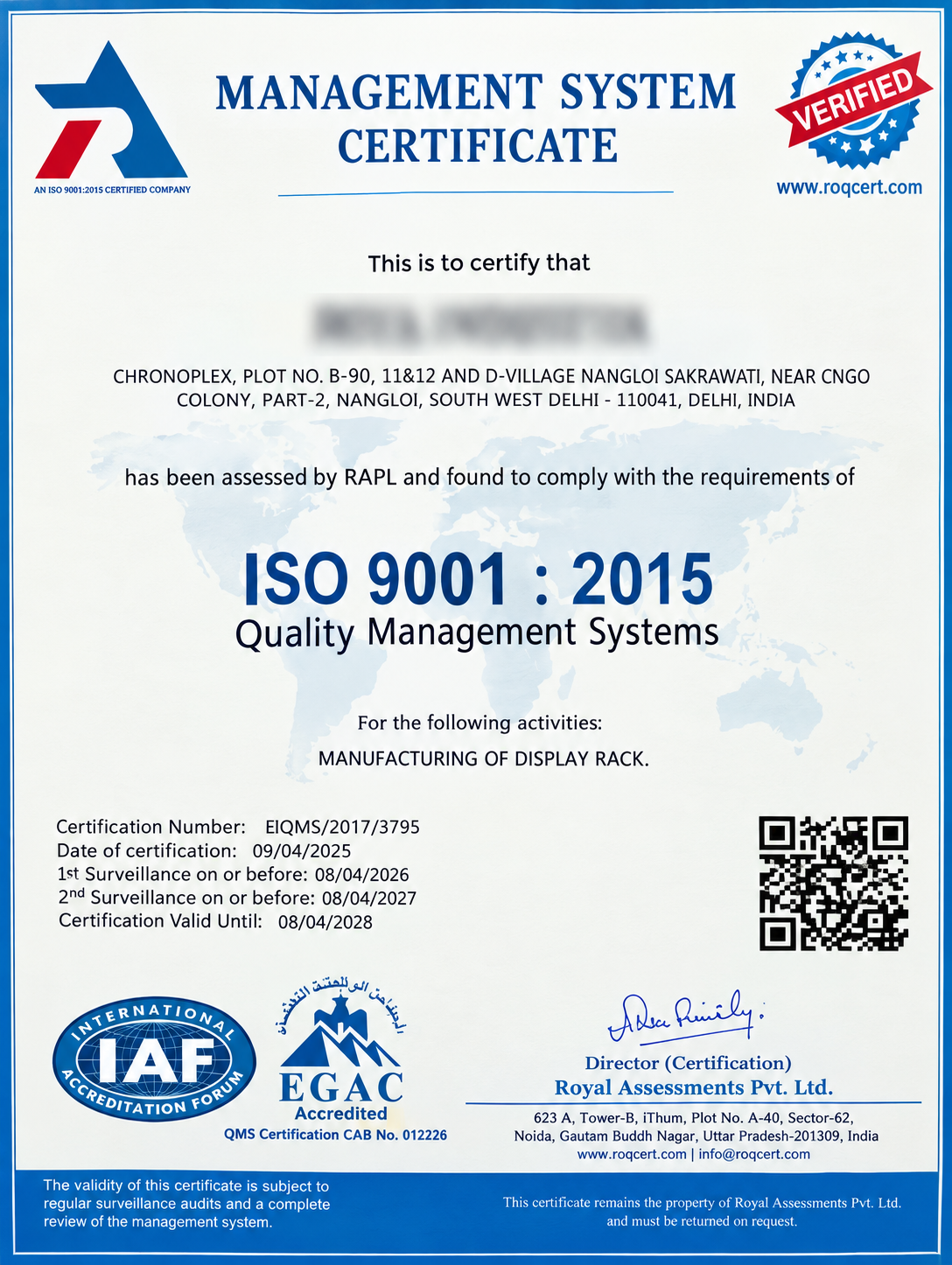
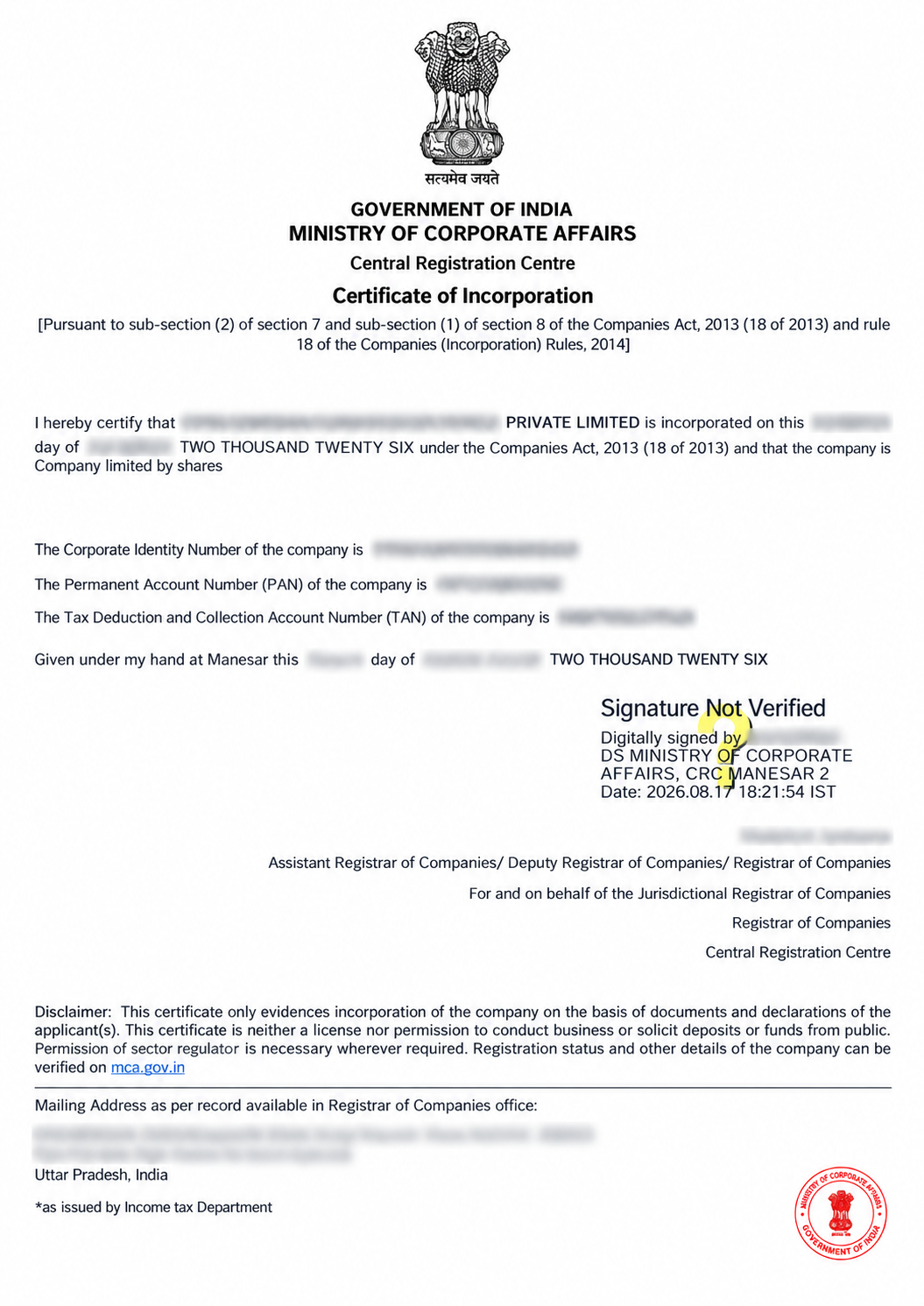
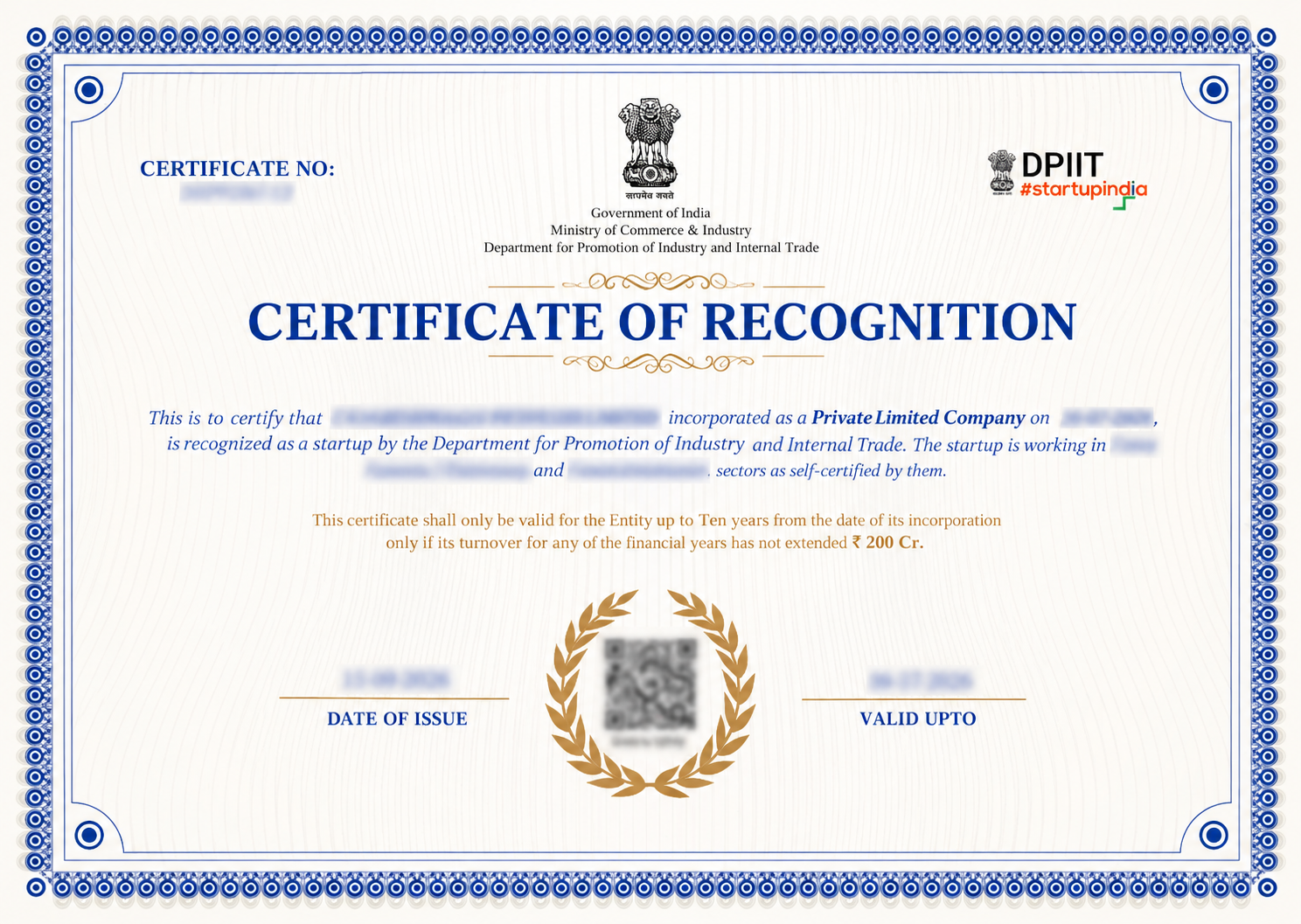
"Explore how Legalstartup has helped businesses reach new heights as their trusted partner."

Thousands of businesses and founders trust LegalStartup.