
Exporting products to India from a factory abroad? Legal Startup helps overseas manufacturers and Indian importers with the BIS Foreign Manufacturers Certification Scheme: applicability check, application and documents, authorised Indian representative guidance and readiness for factory inspection and testing.
Free call & custom quote · Professional fee + BIS and testing charges
BIS FMCS is the Foreign Manufacturers Certification Scheme of the Bureau of Indian Standards. It lets a manufacturer located outside India obtain a licence to use the ISI mark on products exported to India. For products covered by a government Quality Control Order, the mark is mandatory before the goods are imported or sold in India.
Last updated: October 2026. Product lists, standards, fees, currency of payment and procedures change from time to time, so we confirm the current position before filing. Inspection, testing and the final decision rest with BIS and the laboratories.
Indian Standards apply to goods sold in India no matter where they are made. When a product falls under a mandatory Quality Control Order, a foreign factory cannot simply ship it. The factory must be licensed by BIS and the product must carry the ISI mark with its licence number. FMCS is the route that makes this possible for manufacturers located outside India.
The process mirrors the one for Indian factories, with some differences. The manufacturer names an Authorised Indian Representative who deals with BIS in India. BIS reviews the application, arranges an inspection of the overseas factory and tests samples against the Indian Standard. After the licence is granted, BIS continues to check the factory through surveillance.
Indian importers are also affected. Importing covered goods from an unlicensed supplier can lead to customs holds and penalties, so many importers push their suppliers to start the FMCS process early. For official details, visit the Bureau of Indian Standards website.
Important points for overseas manufacturers and Indian importers. Rules can change.
The route depends on who you are and where your product stands today.
You make a covered product abroad and want to sell in India.
Your supplier does not yet hold a BIS licence.
You need to name the person or entity that acts for you in India.
You have more than one plant or a range of models.
Your FMCS licence is near expiry.
New models, grades or a change in factory or ownership details.
Not sure which situation applies? Send us your product and factory details and we will check it free of charge.
Why overseas manufacturers get a BIS licence.
Covered products cannot be imported or sold in India without the mark.
A licensed factory can ship to Indian buyers without compliance surprises.
Indian buyers prefer suppliers who already hold the licence.
The ISI mark shows that the product meets an Indian Standard.
Preparing for inspection pushes the factory to document and improve testing.
A certified factory stands apart from suppliers that cannot export to India.
Correct marking and licence details reduce the risk of holds and penalties.
From checking applicability to receiving the licence, here is how it normally works.
Timelines depend on the product, factory readiness, inspection scheduling, laboratory timelines and BIS processing. Not to scale.
We check whether your product is covered, which Indian Standard applies and which BIS scheme and fee category it falls in.
The manufacturer names its representative in India and signs the authorisation. We explain the role and the documents needed.
We list the documents, review them against BIS requirements and help prepare the quality control plan and equipment details.
The application is submitted online with the prescribed fee, and we follow up on any query raised by BIS.
BIS inspects the overseas factory, the process and the testing facilities, and samples are tested against the Indian Standard. If a sample fails, the issue is corrected and retesting may be needed.
After BIS grants the licence, the factory can put the ISI mark with its licence number on the product as per the marking rules.
Keep these ready to avoid delays. Our expert will confirm the exact list for your product and country.
The total cost of BIS FMCS certification depends on the product, the number of models, the factory location and the tests needed. It generally has three parts:
These include the application fee, charges for inspecting the overseas factory, annual licence fee and marking fee. The schedule can change, so we confirm the current fees before you apply.
Samples are tested in a laboratory recognised by BIS, and charges depend on the product and the tests required.
Our fee depends on the product, the scheme and the support needed. Call free for a custom quote before you pay anything.
We share a clear, itemised quote before you begin – no hidden charges. Get your free quote →
Choose the situation that matches your business, or call free for a custom quote.
Your factory is outside India and you need a BIS licence for the first time.
You import from an overseas factory that still needs BIS certification.
Your licence is near expiry or you want to add products or update details.
Our professional fee is quoted after a free call. BIS fees, inspection and testing charges are paid separately as per the current schedule. Not sure which option fits? Ask for a free product check.
If your factory is outside India and your product is covered by a mandatory standard, you need to check certification.
Factories exporting covered products to India.
Businesses buying covered goods from overseas suppliers.
Brand owners whose products are made by factories abroad.
Sellers who must make sure imported goods carry a valid mark.
Suppliers whose contracts require BIS-certified products.
Traders who need their manufacturing partners to hold the licence.
A quick view of how FMCS differs from related BIS schemes. Ask us which one applies to your product.
| Route | Who applies | Factory location | Mark | Note |
|---|---|---|---|---|
| BIS FMCS | Foreign manufacturer | Outside India | ISI mark | Needs an Authorised Indian Representative |
| BIS licence for Indian manufacturers | Indian manufacturer | India | ISI mark | Factory inspection in India |
| CRS registration | Manufacturer, Indian or foreign | Anywhere | Registration mark | Specified electronics and IT products |
| Foreign test reports or marks | Not a BIS route | Anywhere | Foreign mark | Do not replace the ISI mark for covered goods |
Early checks on the product, the representative and the factory prevent most delays.
The licence is only the beginning. Here is how to keep it in good standing.
Use the ISI mark with the licence number and standard number as BIS requires.
Keep testing, records and calibration up to date for BIS surveillance.
Report changes in the factory, ownership, name, representative or products and update the licence.
Apply for renewal in time so that shipments to India are not interrupted.
Selling under your own brand in India? See our trademark registration online service to protect your brand name and logo.
Quick answers on BIS FMCS certification.
BIS FMCS is the Foreign Manufacturers Certification Scheme of the Bureau of Indian Standards. It allows a manufacturer located outside India to obtain a BIS licence to use the ISI mark on products it exports to India, after factory inspection and testing against the relevant Indian Standard.
A manufacturer outside India that wants to export products to India that are covered by a mandatory Quality Control Order, or that wants to use the ISI mark voluntarily. Indian importers also need to confirm that their overseas supplier holds a valid licence.
Yes. A foreign manufacturer must appoint an Authorised Indian Representative, who acts as the contact point with BIS in India and is named in the application. The representative's role and responsibilities are set by BIS, so confirm the current requirements before appointing one.
Confirm the applicable Indian Standard and scheme, appoint the Authorised Indian Representative, apply to BIS online with the documents and fee, undergo factory inspection at the overseas plant and sample testing, and receive the licence once the requirements are met. The ISI mark can be used only after the licence is granted.
Typically business registration and identity papers of the manufacturer, factory address and ownership or lease papers, an authorisation appointing the Indian representative with the representative's details, product details and the Indian Standard, a process flow chart, a list of production and testing equipment, a quality control plan and test reports. Some documents may need notarisation or legalisation.
It depends on the product, the readiness of the factory, the scheduling of the overseas inspection, laboratory timelines and the accuracy of the application, and it commonly takes several months. We cannot promise a fixed date because inspection and testing are carried out by BIS and the laboratories.
Costs include the BIS application fee, inspection charges for the overseas factory, sample testing charges, annual licence fee and marking fee, plus our professional fee. The amounts depend on the product and scheme and can change, so we confirm the current fees before you apply.
A licence is granted for a fixed period set by BIS and must be renewed before it expires. The manufacturer must keep meeting the standard through regular surveillance by BIS, including factory visits and sample tests, so the renewal application should be filed in good time.
Both lead to a licence to use the ISI mark under the BIS Act, 2016. FMCS is for factories outside India, so it involves an Authorised Indian Representative and inspection of the overseas plant. Indian manufacturers apply under the scheme for factories in India.
FMCS is the route for foreign manufacturers to get the ISI mark licence on products with an Indian Standard. The Compulsory Registration Scheme applies to specified electronics and IT products and uses a registration mark rather than the ISI mark. They are separate BIS schemes with different rules.
The licence is granted for the factory that makes the product. Traders and brand owners usually need their manufacturing factory to hold the licence, and the conditions for using a brand name are set by BIS. Check the current rules before shipping.
Covered goods that do not carry the ISI mark with a valid licence number can be held at customs, and selling or stocking them can lead to penalties under the Bureau of Indian Standards Act, 2016. It is safer to check that the overseas manufacturer is licensed before the goods are shipped.
Exporting to India or importing from abroad? Speak to our compliance expert today – the applicability check and the quote are free.
Tell us what you need and our team will get back to you with the right guidance.
Legalstartup ke certificates, registrations aur recognitions jo hamari credibility dikhate hain.
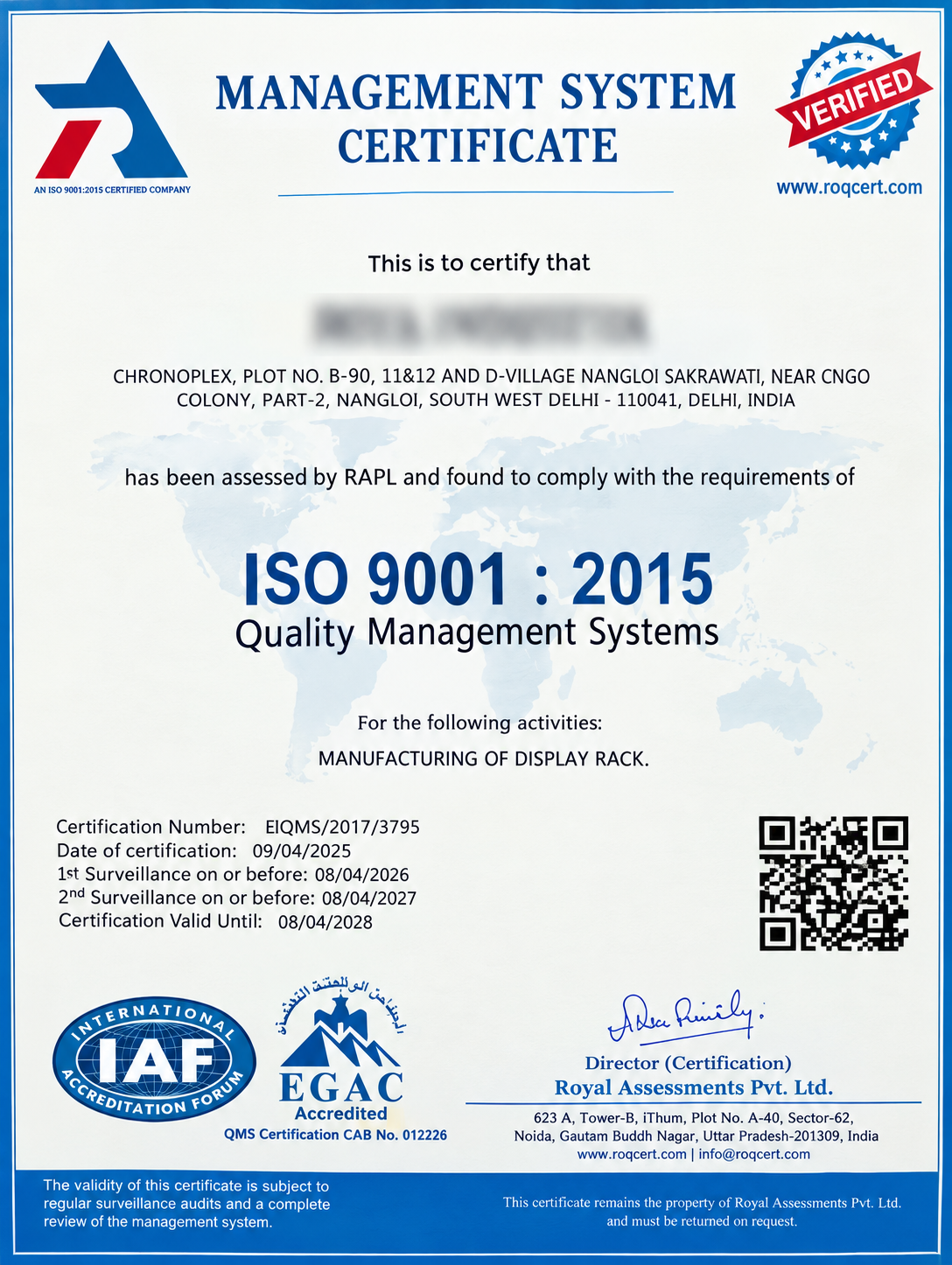
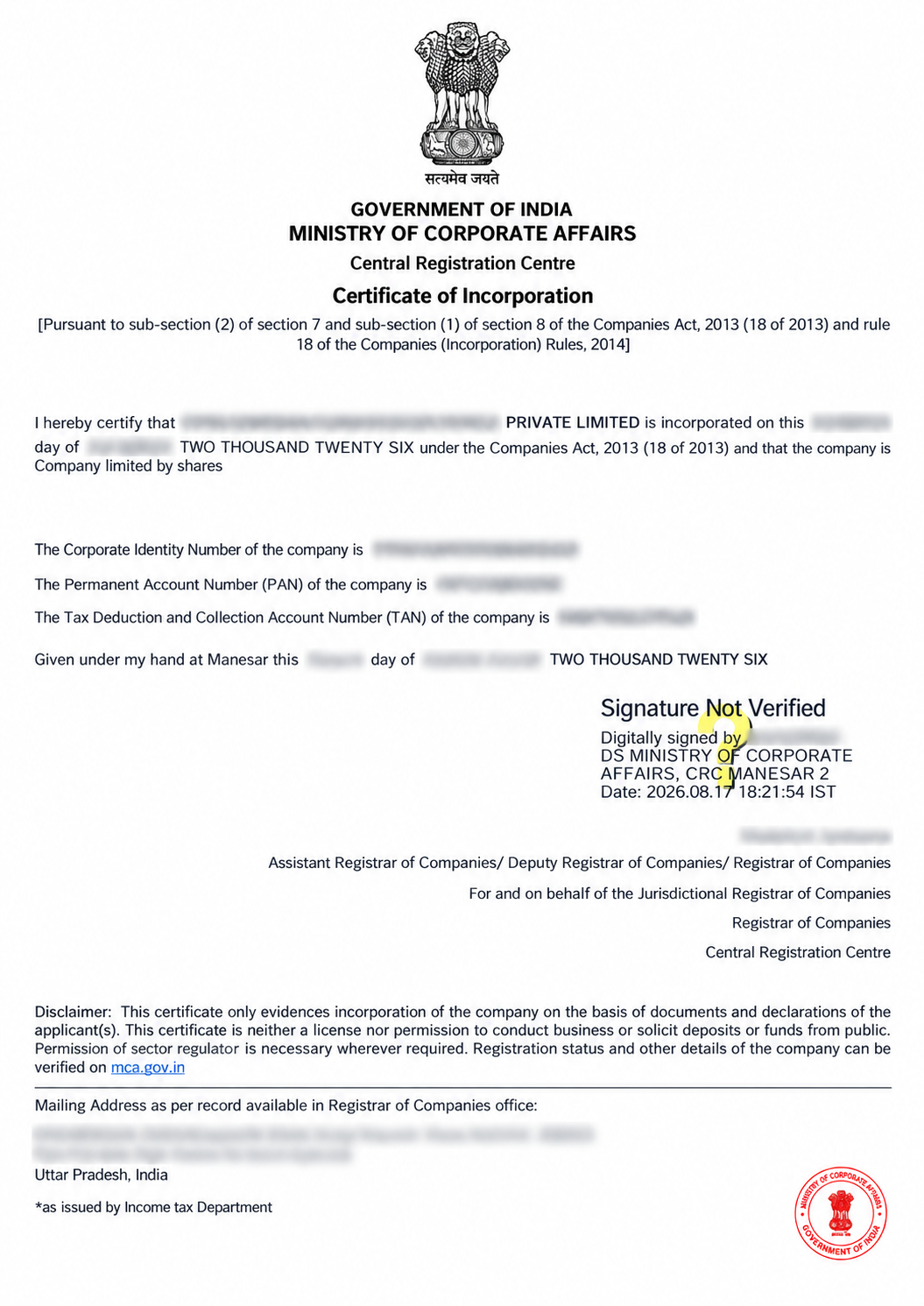
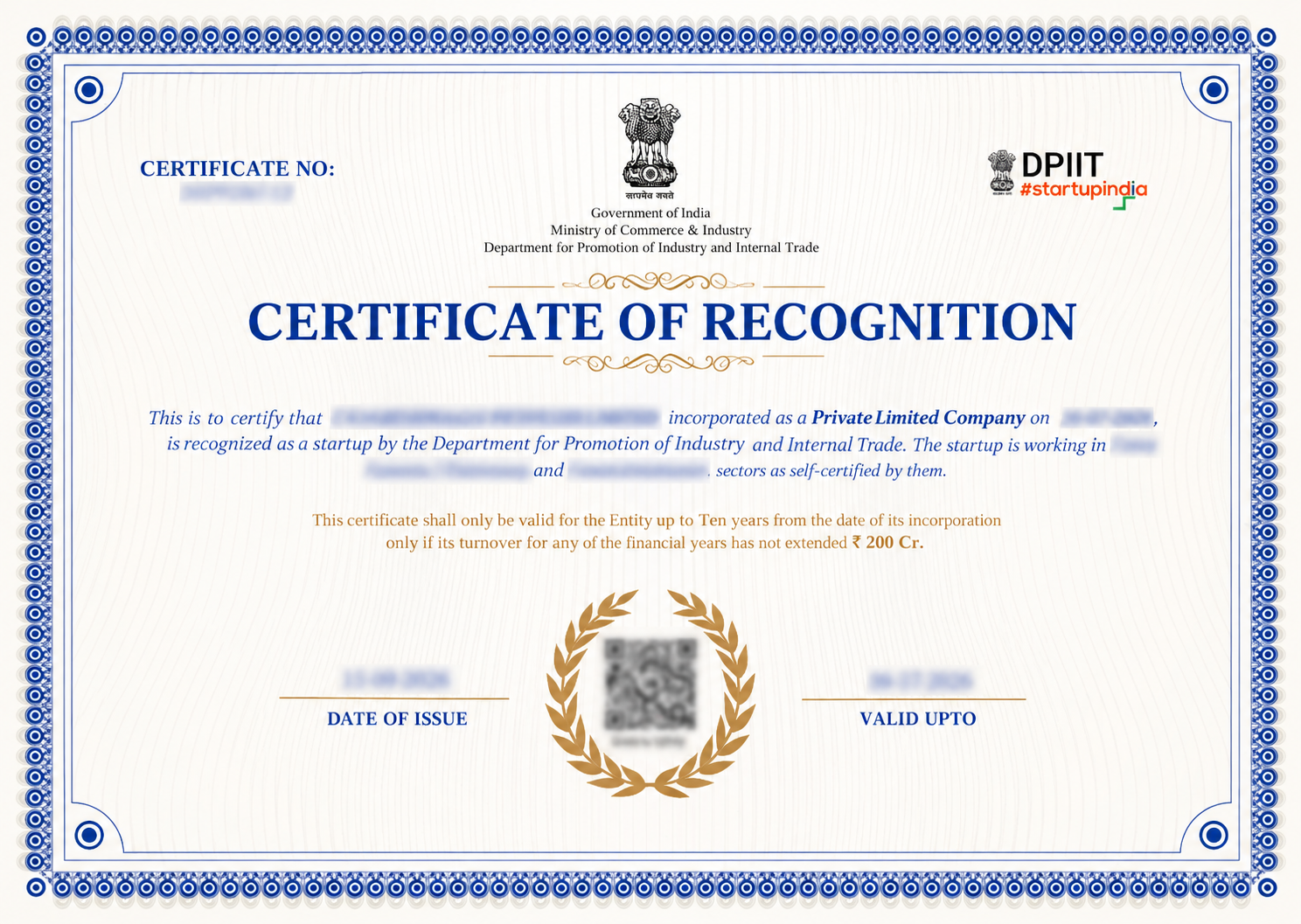
"Explore how Legalstartup has helped businesses reach new heights as their trusted partner."

Thousands of businesses and founders trust LegalStartup.