
Get your company restored to the register with Legal Startup. A dedicated compliance expert reviews your strike-off, prepares the NCLT petition, files the order with the ROC and clears the pending filings so your company is active again.
Free call & custom quote · Professional fee + government and NCLT fee
Revival of a struck off company means getting the company's name restored to the register of companies after the Registrar of Companies (ROC) has struck it off. In India this is done by filing an appeal with the National Company Law Tribunal (NCLT) under Section 252 of the Companies Act, 2013.
Last updated: October 2026. The outcome depends on the Tribunal's decision. Forms, fees and time limits can change, so we confirm the current position before filing.
Under Section 248 of the Companies Act, 2013, the ROC can remove the name of a defunct company from the register after issuing a notice. A company that has not carried on any business or operations for two immediately preceding financial years, and has not applied for dormant status, is a common target. Once the name is struck off, the company stands dissolved.
Striking off does not always reflect the real position. Many companies are struck off while they still hold property, bank balances or contracts, or because notices were sent to an old address. Section 252 gives a remedy: an aggrieved person can approach the NCLT, which can order the company's name to be restored.
The NCLT looks at evidence of operations, the reasons for the default and fairness to all parties. It may impose conditions such as payment of costs and filing of all pending returns. For forms and company records, visit the Ministry of Corporate Affairs at mca.gov.in, and for Tribunal benches and cause lists, the NCLT website. If your brand is registered, see our trademark registration online service.
Important limits and timelines every director should know.
The right approach depends on why and when your company was struck off.
The ROC removed the company for non-operation or non-commencement.
The company was operating or notices were never received.
The struck off company still holds property, funds or contracts.
Owners want to keep the original CIN, name and history.
The strike off happened close to three years ago.
More than three years have passed, or the entity is an LLP.
Not sure whether your company can still be restored? Send us the CIN and our experts will review the record free of charge.
Why owners restore the company instead of starting afresh.
The company is treated as if it had never been struck off.
The restoration order helps in operating or closing frozen bank accounts.
Property, receivables and agreements remain with the company.
Keep the original incorporation record and business track record.
The company can sue, be sued and settle claims properly.
Registrations tied to the company can be revived and used again.
We prepare and track the case remotely, with hearing support as required.
From strike-off review to restored company, here is how revival works.
Timelines depend on the NCLT bench, the listing of the case and the ROC's response. Not to scale.
We check the ROC records, the Gazette notice and the date of the strike-off order to confirm the 3-year limit.
We collect proof that the company was operating, such as bank statements, invoices, filings and tax records.
The petition, affidavit and board resolution are prepared, explaining the facts and the grounds for restoration.
The appeal is filed before the bench with jurisdiction and served on the ROC and the Regional Director.
We support the hearing, answer queries and comply with the Tribunal's directions on costs and filings.
The certified order is filed in Form INC-28 within 30 days and the company's name returns to the register.
Keep these ready to avoid delays. Our expert will confirm the exact list for your case.
The total cost depends on how many years of filings are pending, the complexity of the case and the Tribunal's directions. It generally has three parts:
The NCLT filing fee, ROC fees for INC-28 and fees on pending annual filings. The schedule can change, so we confirm the current fee before filing.
Our fee depends on the facts of the case and the work involved. Call free for a custom quote before you pay anything.
Costs imposed by the Tribunal, late fees on overdue returns and filings for multiple years are charged separately where they apply.
We share a clear, itemised quote before you begin – no hidden charges. Get your free quote →
Choose the stage that matches your company, or call free for a custom quote.
You want to know if your company can still be revived.
You are ready to restore the company and clear its record.
The order is passed and you need the company brought up to date.
Our professional fee is quoted after a free call. Government, NCLT and ROC fees are separate. We cannot guarantee the Tribunal's decision. Not sure which option fits? Ask for a free review.
If your company has been removed from the register but still matters, check your options early.
Owners who want to continue the business under the same company.
Struck off companies that still hold funds or immovable property.
Aggrieved creditors or shareholders who need the company restored to recover dues.
Employees with dues who are affected by the strike off.
Parties acquiring a business or assets that sit in a struck off company.
Directors who learnt of the strike off only after the bank or a tax office raised it.
A quick view of how revival compares with the other options. Ask us which one applies to you.
| Route | When it applies | What is filed | Cost | Risk |
|---|---|---|---|---|
| Revival through NCLT | Within 3 years of the strike-off order | Appeal under Section 252, then INC-28 | NCLT fee, pending filings, professional fee | Depends on the Tribunal's order |
| Older strike off | More than 3 years after the order | Case-specific application | Higher, with legal costs | High, not certain |
| Fresh company | If revival is not possible or not needed | New incorporation | Incorporation fee | Old CIN, contracts and history are lost |
| Dormant status | To prevent a future strike off | Application for dormant status | Fee for the application | Low, but only for a live company |
An early review and good evidence prevent most revival problems.
The NCLT order is a milestone, not the end. Here is what follows.
File the certified order with the ROC so the name returns to the register.
Submit overdue annual returns and financial statements, with applicable fees, as the Tribunal directs.
Update director KYC, the bank account, GST, PAN and other licences using the order.
File on time every year, or apply for dormant status if the company will stay inactive.
If your brand also needs protection, see our trademark registration online service. For local support, see our pages for trademark registration in Dwarka and Jaipur.
Quick answers on reviving a struck off company in India.
It is the restoration of a company's name to the register of companies after the Registrar of Companies has struck it off. In India it is done by an order of the National Company Law Tribunal (NCLT) under Section 252 of the Companies Act, 2013.
Under Section 248 the Registrar can strike off a company that has not carried on business or operations for two immediately preceding financial years without applying for dormant status, or that did not commence business within one year of incorporation, after giving notice.
The company, a member, a creditor, a workman or any other person aggrieved by the striking off can file an appeal before the NCLT under Section 252.
The appeal to the NCLT must be filed within three years from the date of the Registrar's order striking off the company. After that period, revival is difficult and the case should be reviewed individually.
Check the ROC record and the date of strike off, prepare the NCLT petition with evidence and affidavit, file it with the NCLT bench having jurisdiction, attend the hearing and, after the order, file it with the ROC in Form INC-28 within 30 days and complete pending filings.
The NCLT can restore the company if it is satisfied that the company was carrying on business or was in operation at the time of striking off, or that restoration is just and equitable. The Tribunal may impose conditions such as costs and filing of pending returns.
The certificate of incorporation, Memorandum and Articles, the ROC notice or strike-off order, financial statements, bank statements or other proof that the business was operating, a board resolution, an affidavit and details of directors and members.
Once the NCLT order is filed with the Registrar, the company is restored as though it had never been struck off, and its name is again shown on the register.
File the NCLT order in Form INC-28 within 30 days, file all pending annual returns and financial statements with applicable fees, update director KYC and reactivate bank, GST and licences. Consider dormant status if the company will stay inactive.
The cost depends on the NCLT filing fee, the Tribunal's directions on costs, the pending ROC filings and their fees, and our professional fee. We share an itemised quote after a free call.
Is your company struck off? Speak to our compliance expert today – the eligibility review and the quote are free.
Tell us what you need and our team will get back to you with the right guidance.
Legalstartup ke certificates, registrations aur recognitions jo hamari credibility dikhate hain.
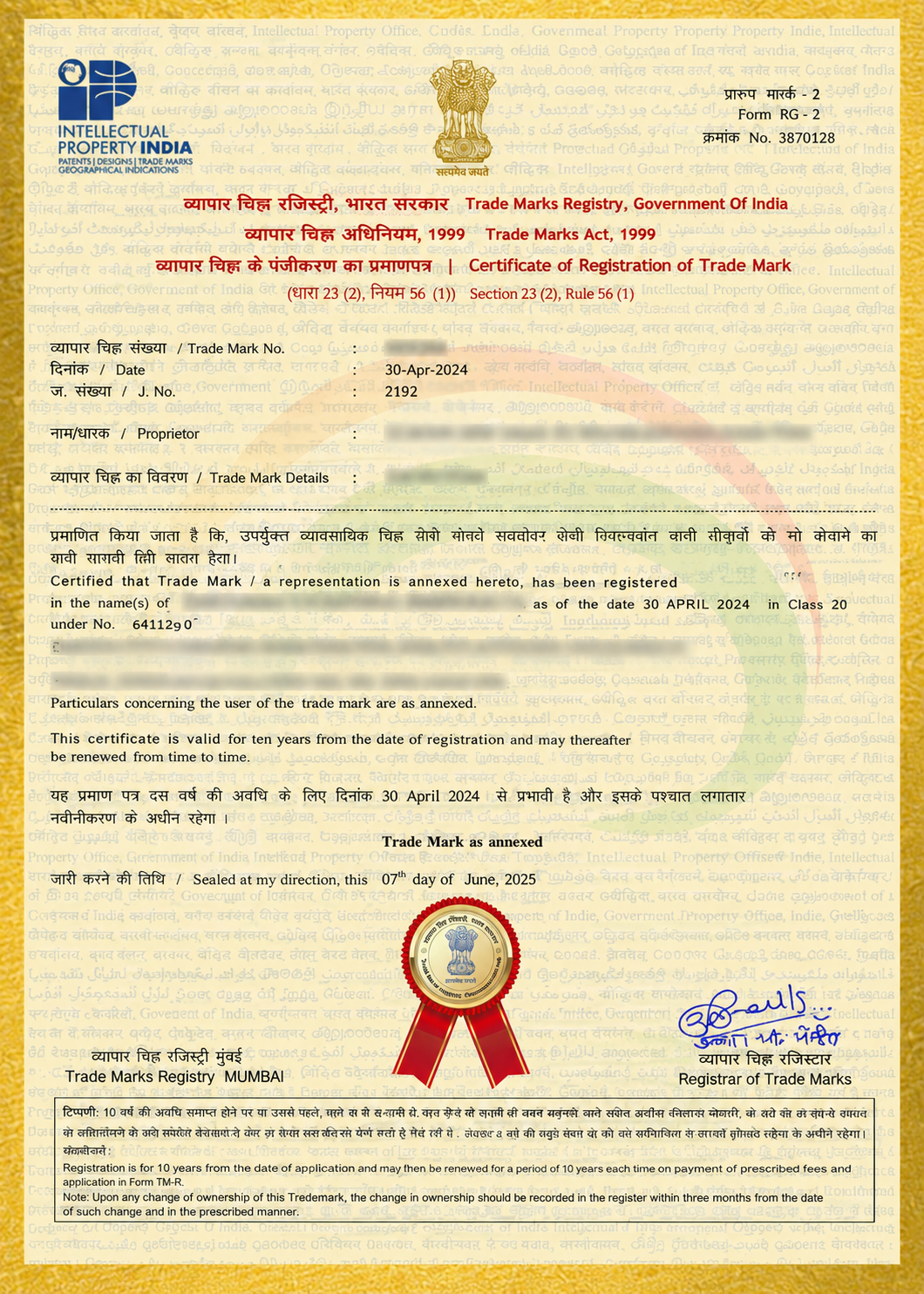
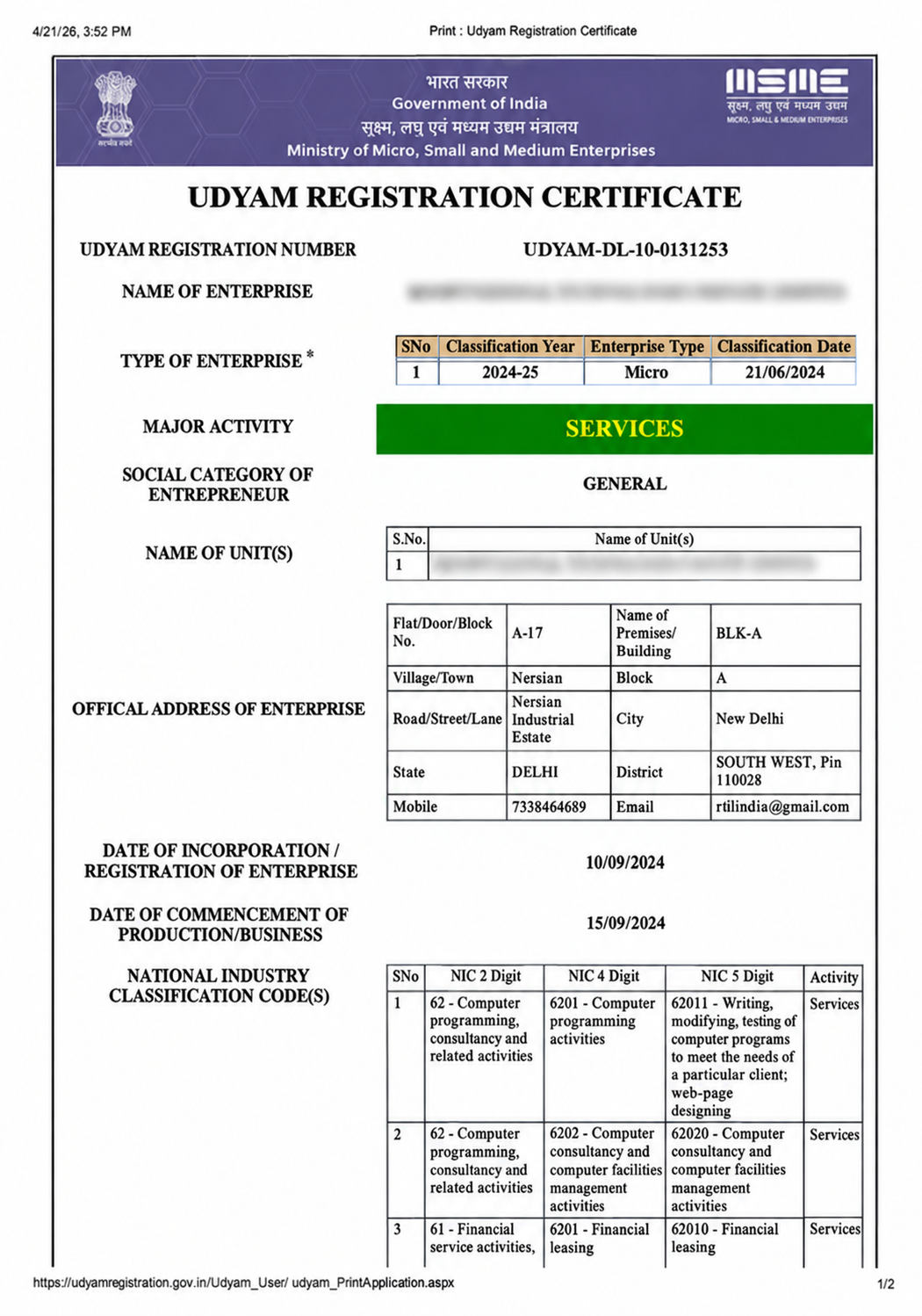
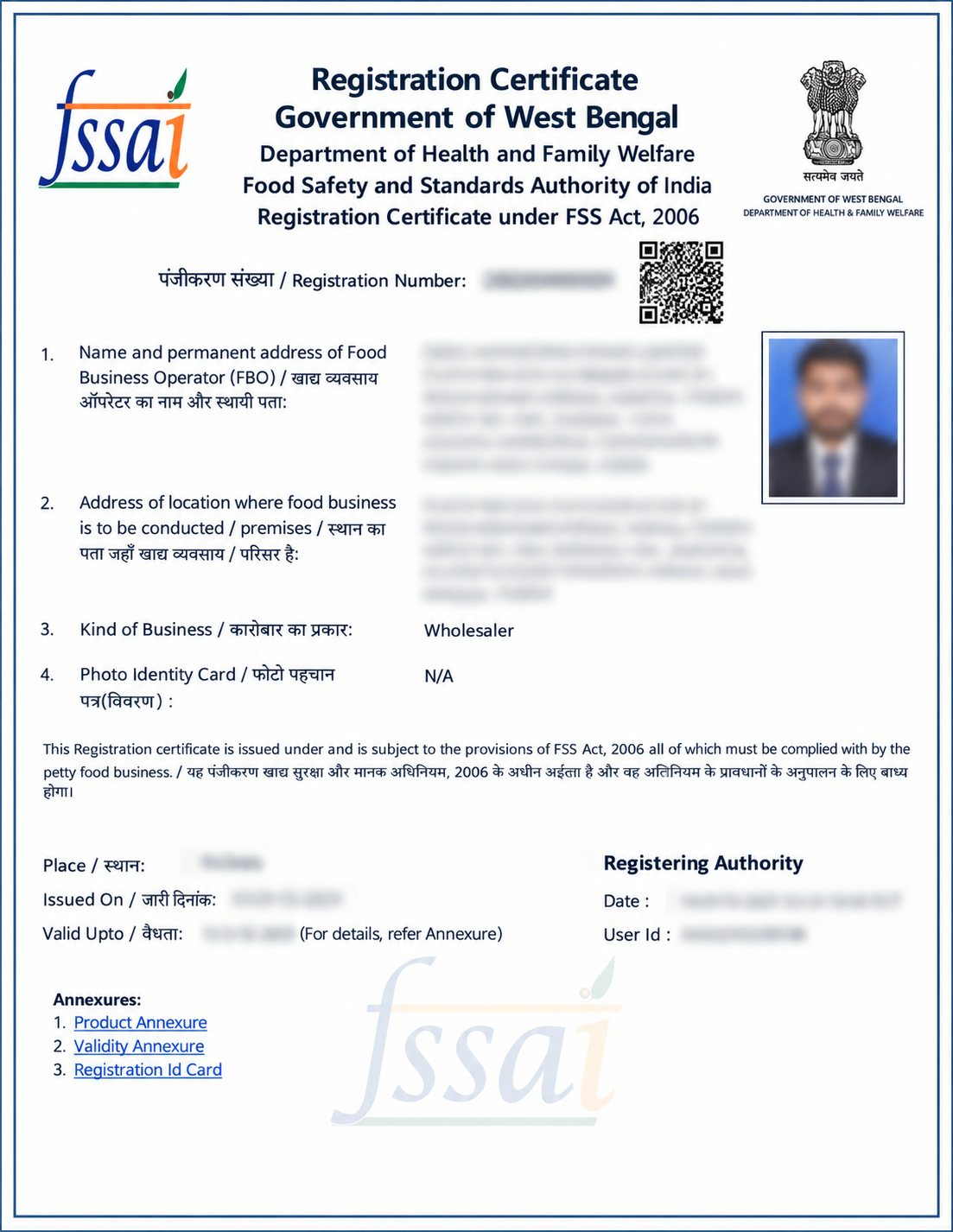
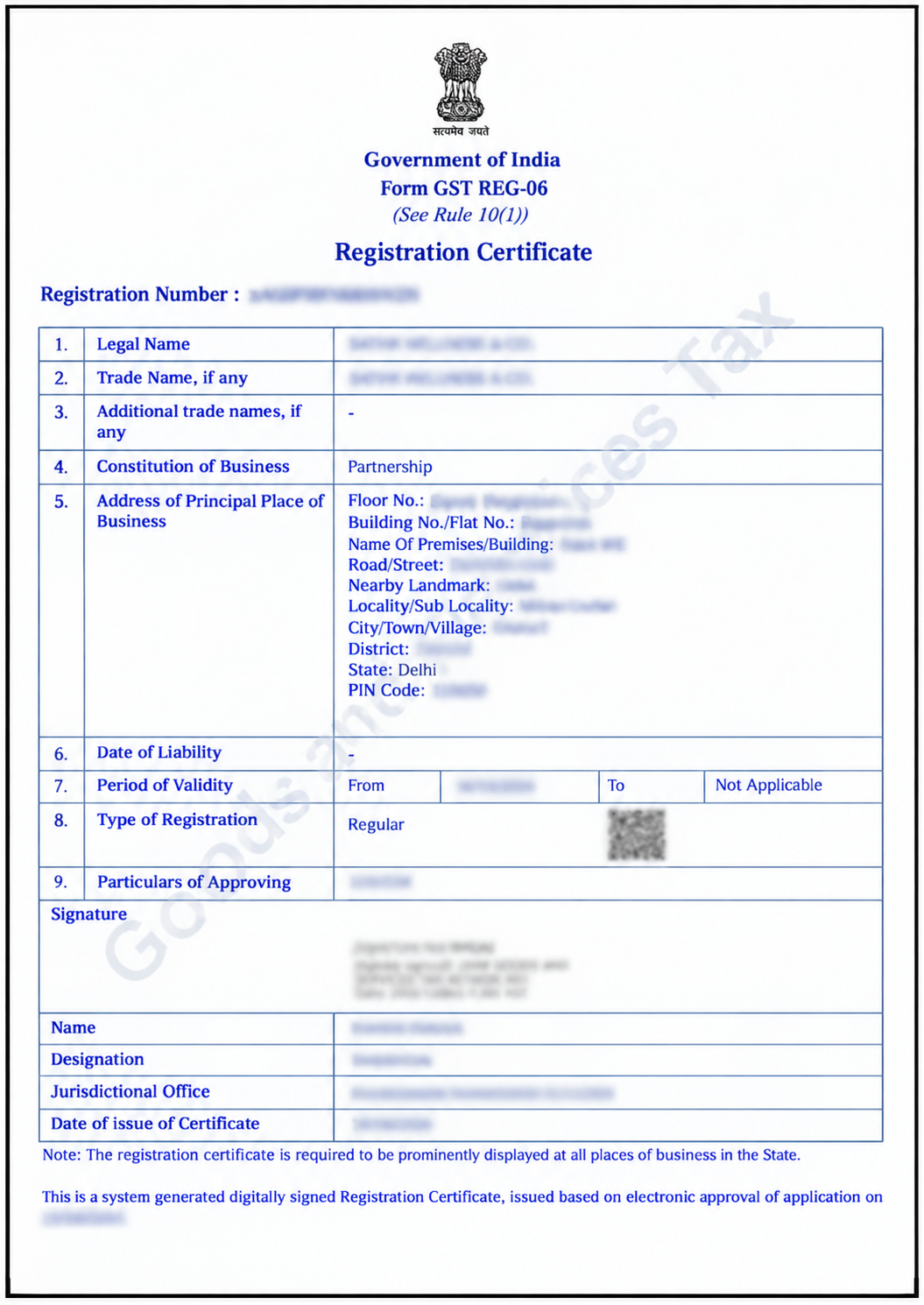
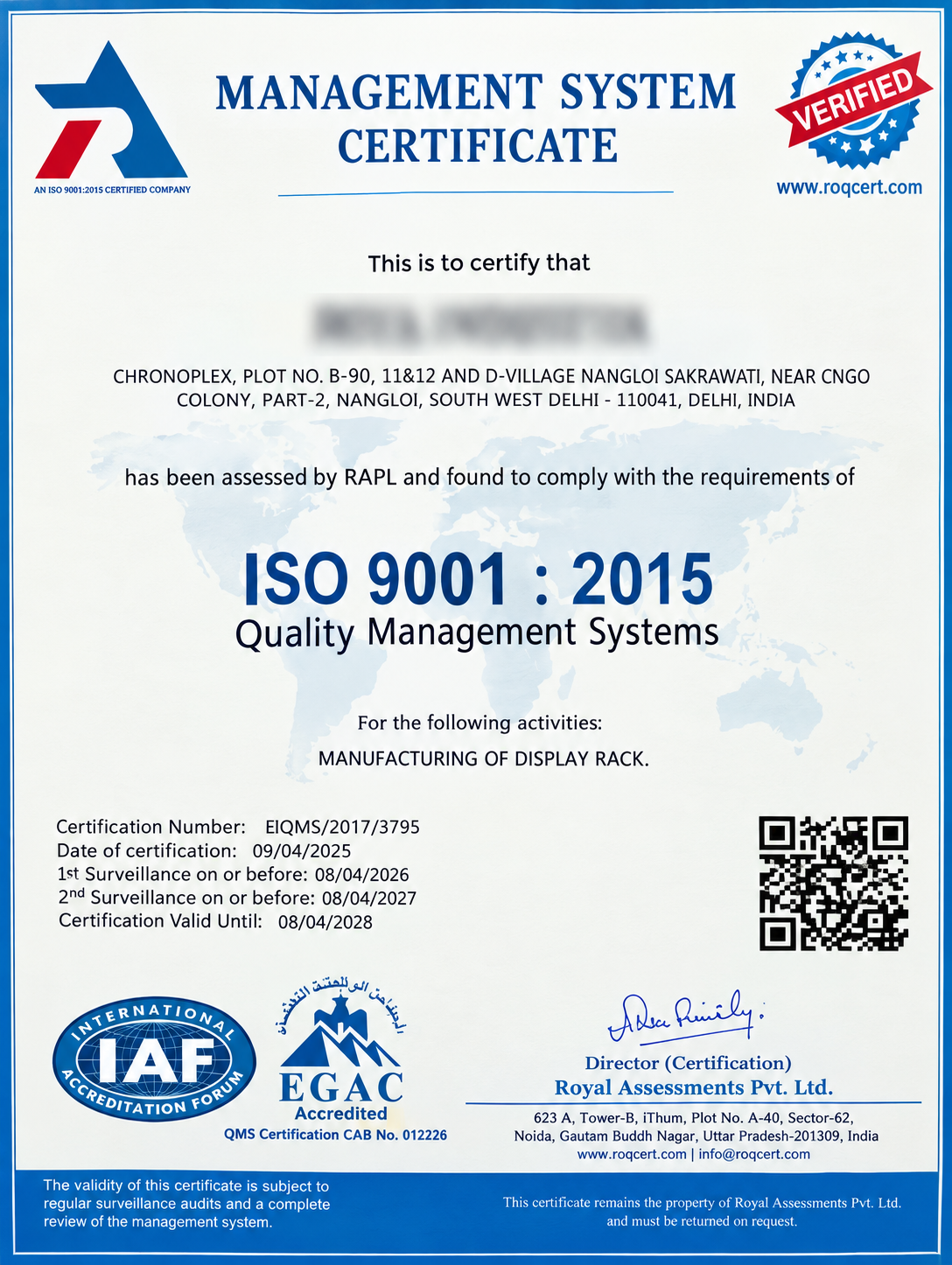
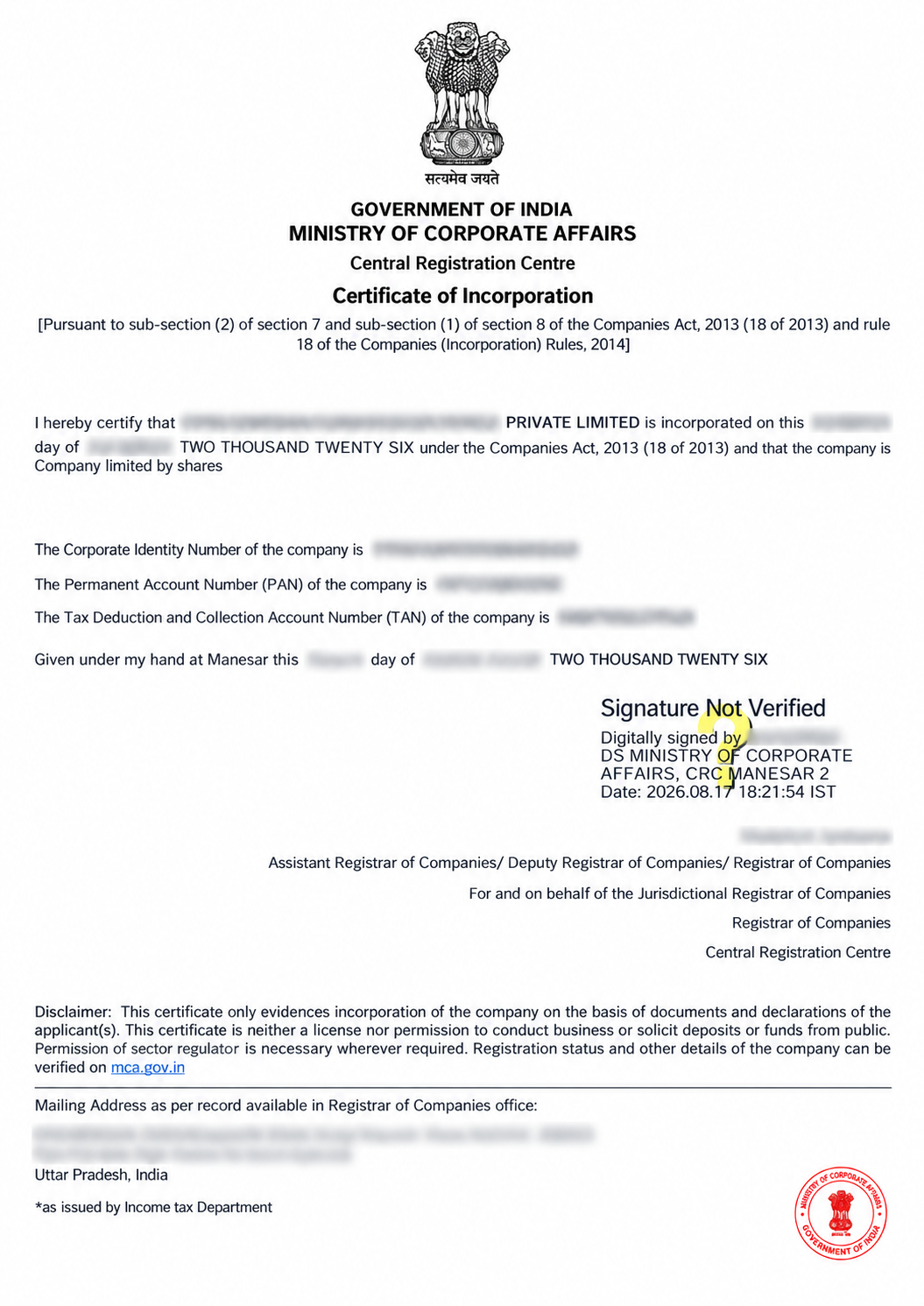
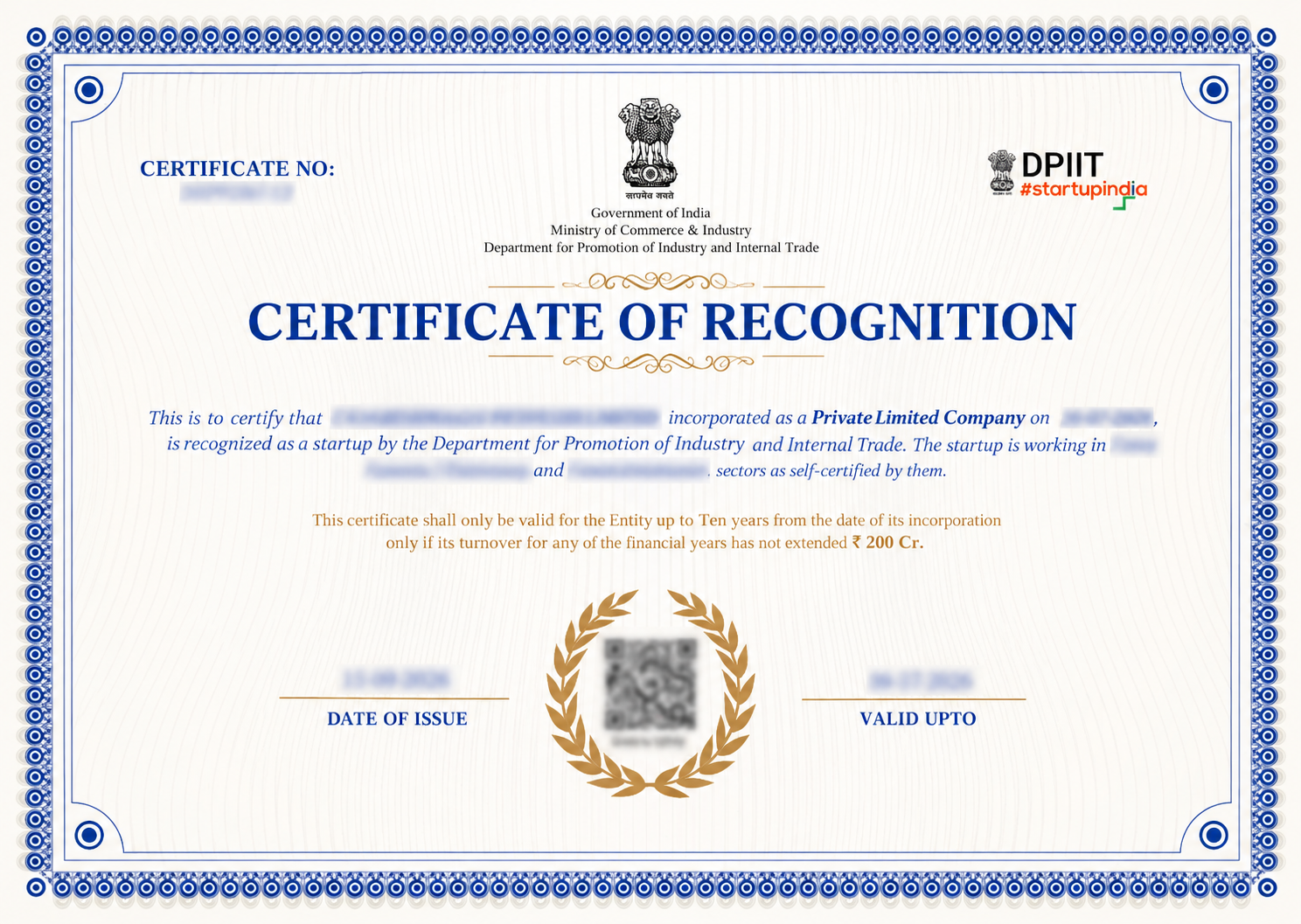
"Explore how Legalstartup has helped businesses reach new heights as their trusted partner."

Thousands of businesses and founders trust LegalStartup.