
Register your private limited company online with Legal Startup. A dedicated corporate expert helps with name approval, digital signatures, DIN, SPICe+ filing and the documents you need, and guides you through the first compliances after incorporation.
Free call & custom quote · Professional fee + government fee & stamp duty
Private limited company registration in India means incorporating a company under the Companies Act, 2013 by filing the SPICe+ form, with the e-MoA and e-AoA, with the Registrar of Companies (ROC) through the MCA portal. Once approved, you receive a Certificate of Incorporation with a Corporate Identification Number (CIN), and the company's PAN and TAN.
Last updated: October 2026. Forms, fees, stamp duty and time limits can change, so we confirm the current position before filing.
A private limited company is a separate legal entity that exists independently of its owners. It can own property, sign contracts, borrow money and sue or be sued in its own name. Shareholders are liable only up to the unpaid amount on their shares, and the company cannot invite the public to subscribe to its shares.
The structure is popular with startups and growing businesses because it allows equity funding, issue of shares and ESOPs, and builds credibility with banks, vendors and investors. In return, the company must follow annual compliance such as statutory audit, annual filings with the ROC and income tax returns.
Registration is done online through the Ministry of Corporate Affairs. For the official forms, name search and fee schedule, visit the MCA portal (mca.gov.in), the official website of the Ministry of Corporate Affairs, Government of India. Once your company is incorporated, you can protect its brand with our trademark registration online service.
Important requirements and timelines every founder should know.
The right route depends on who the founders are and what you are starting from.
The most common route for startups and small businesses.
Founders or investors who live outside India.
Proprietorship, partnership firm, LLP or OPC moving to a private limited company.
Founders planning angel, VC or ESOP-based growth.
Two or more people who want limited liability and continuity.
Check whether your preferred company name is available.
Not sure which case applies to you? Tell us about your business and our experts will suggest the right structure free of charge.
Why founders choose to incorporate as a private limited company.
Shareholders are liable only up to the unpaid amount on their shares, so personal assets are generally kept separate.
The company owns assets, signs contracts and can sue or be sued in its own name.
The company continues even if directors or shareholders change or leave.
It can issue shares, accept equity investment and set up ESOPs.
A registered company is often preferred by lenders, enterprise clients and tender processes.
Once registered, the same or a similar name cannot be allotted to another company.
Incorporate from anywhere in India without visiting a Registry office.
From name check to Certificate of Incorporation, here is how online registration works.
Timelines depend on name approval, document accuracy and Registry workload. Not to scale.
Proposed directors need a DSC to sign the e-forms. We guide you through the video verification and issuance.
We check availability on the MCA register against naming rules and similar existing names, and suggest alternatives if needed.
We draft the company objects and internal rules, and collect director, shareholder and registered office documents.
The integrated form covers name reservation, DIN allotment, PAN and TAN. The MCA fee and stamp duty are paid at filing.
If the ROC asks for corrections, we revise the documents and resubmit within the time allowed.
On approval you receive the certificate with CIN, plus PAN and TAN. We then explain your first compliance dates.
Keep these ready to avoid delays. Our expert will confirm the exact list for your case.
The total cost of private limited company registration depends on the authorised capital, the state of your registered office and the number of directors and shareholders. It generally has three parts:
The MCA fee is linked to authorised capital. The fee schedule can change, so we confirm the current amount before filing.
State stamp duty applies to the MoA and AoA and varies by state and authorised capital.
Our fee depends on the number of directors and the case. Call free for a custom quote before you pay anything.
Optional services such as GST registration, trademark filing, Udyam registration and ongoing compliance are quoted separately. We share a clear, itemised quote before you begin – no hidden charges. Get your free quote →
Choose the situation that matches your plan, or call free for a custom quote.
Resident directors and shareholders starting a new private limited company.
One or more directors or shareholders live outside India.
Converting a proprietorship, partnership or LLP, or planning for investors.
Our professional fee is quoted after a free call. Government fee and stamp duty are separate and depend on authorised capital and state. Not sure which option fits? Ask for a free consultation.
If you want limited liability, investors or a brand that outlives its founders, this structure fits.
Teams building a product or service who plan to raise funds or issue ESOPs.
Proprietors and partners who want limited liability and a stronger market identity.
Sellers who need a registered entity for marketplaces, GST and payment gateways.
IT, consulting and trading businesses that deal with larger clients and overseas customers.
Founders setting up an Indian entity with a resident director, subject to FEMA and FDI rules.
Firms ready to move from proprietorship, partnership or LLP to a company structure.
A quick view of how a private limited company differs from other common structures. Ask us which one suits your plan.
| Structure | Liability | Minimum members | Fundraising | Compliance |
|---|---|---|---|---|
| Private limited company | Limited to shares | 2 directors, 2 shareholders | Equity, shares and ESOPs possible | Higher, annual ROC filings and audit |
| LLP | Limited to contribution | 2 partners | No shares; harder to raise equity | Moderate |
| One Person Company | Limited to shares | 1 director and shareholder | Limited; no outside equity | Moderate to higher |
| Partnership firm | Unlimited, personal | 2 partners | Mostly partner funds and loans | Lower |
| Sole proprietorship | Unlimited, personal | 1 owner | Owner funds and loans | Lowest |
Careful planning before filing prevents most delays and rejections.
Incorporation is the start. Here are the steps that follow.
Open a current account in the company's name and deposit the subscribers' capital.
The Board appoints the first auditor and the appointment is filed with the ROC (Form ADT-1).
File Form INC-20A after share capital is paid in, so the company can start business and borrow.
Apply for GST, Udyam, Shops and Establishment and other licences your business activity requires.
Registering the company name does not give trademark rights. File a trademark for your brand and logo.
File financial statements and annual return with the ROC, complete statutory audit and income tax return, and complete director KYC.
Plan your brand protection early: see our trademark registration online service, and our trademark hearing online service if your mark faces an objection. For local support, see our pages for trademark registration in Dwarka and Jaipur.
Quick answers on private limited company registration in India.
A private limited company is a separate legal entity registered under the Companies Act, 2013. Its shareholders have limited liability, its shares are not offered to the public, and it continues to exist independently of its owners.
Obtain a Digital Signature Certificate for the directors, choose a name, and file the SPICe+ form with the e-MoA, e-AoA and supporting documents on the MCA portal. After the Registrar of Companies approves, you receive the Certificate of Incorporation along with the company's PAN and TAN.
A private limited company needs at least 2 directors and at least 2 shareholders. It can have up to 200 members, and one person can be both a director and a shareholder. At least one director must be a resident in India.
No. The Companies Act, 2013 does not prescribe a minimum paid-up capital for a private limited company. You decide the authorised and subscribed capital based on your business needs, and the government fee and stamp duty are linked to the authorised capital.
Each director and shareholder needs PAN, an identity and address proof, a photograph, and email and mobile details. The company needs proof of registered office, such as a recent utility bill, plus a rent agreement and NOC from the owner if the premises are not owned.
Timelines depend on name approval, the correctness of documents and the Registrar's workload. Many straightforward applications are completed within a couple of weeks, but queries or a rejected name can extend this.
The cost has three parts: MCA government fees, state stamp duty on the MoA and AoA, and the professional fee. Government fee and stamp duty depend on the authorised capital and the state of the registered office, so we confirm them before filing.
Yes, subject to the Companies Act, 2013 and applicable FEMA and FDI rules for the business activity. At least one director must be a resident in India, and foreign directors need additional document attestation.
Both offer limited liability. A private limited company can issue shares and is generally preferred for venture or angel funding, while an LLP has lighter compliance and no share structure. The right choice depends on funding plans and compliance appetite.
Key steps include opening a bank account, appointing the first auditor, filing the declaration for commencement of business (INC-20A), and annual filings of financial statements and annual return with the ROC, statutory audit, and income tax return. Directors also complete DIR-3 KYC.
The name must end with Private Limited and must not be identical or too similar to an existing company or a registered trademark. It must also not suggest a government link or violate naming rules. We check availability before filing.
Yes. A partnership firm or LLP can convert under the Companies Act, 2013, and a proprietorship can be taken over by a newly incorporated company. The process differs for each, and licences, GST and contracts need to be transferred.
Yes. Every company must have a registered office in India to receive official communication. It can be owned, rented or provided by a director's family, and the Registry requires address proof and verification after incorporation.
Planning to register a private limited company? Speak to our corporate expert today – the consultation and the quote are free.
Tell us what you need and our team will get back to you with the right guidance.
Legalstartup ke certificates, registrations aur recognitions jo hamari credibility dikhate hain.

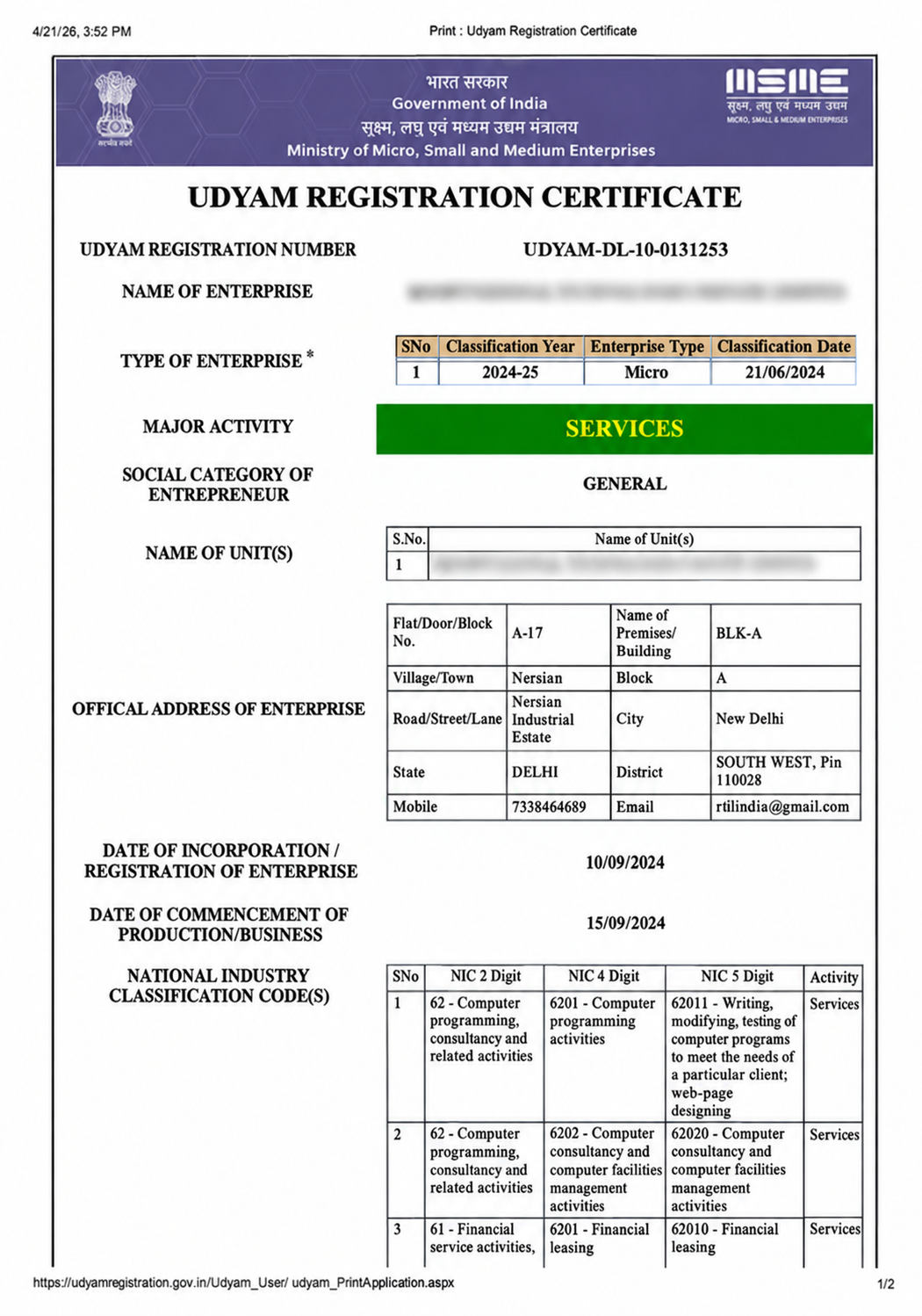

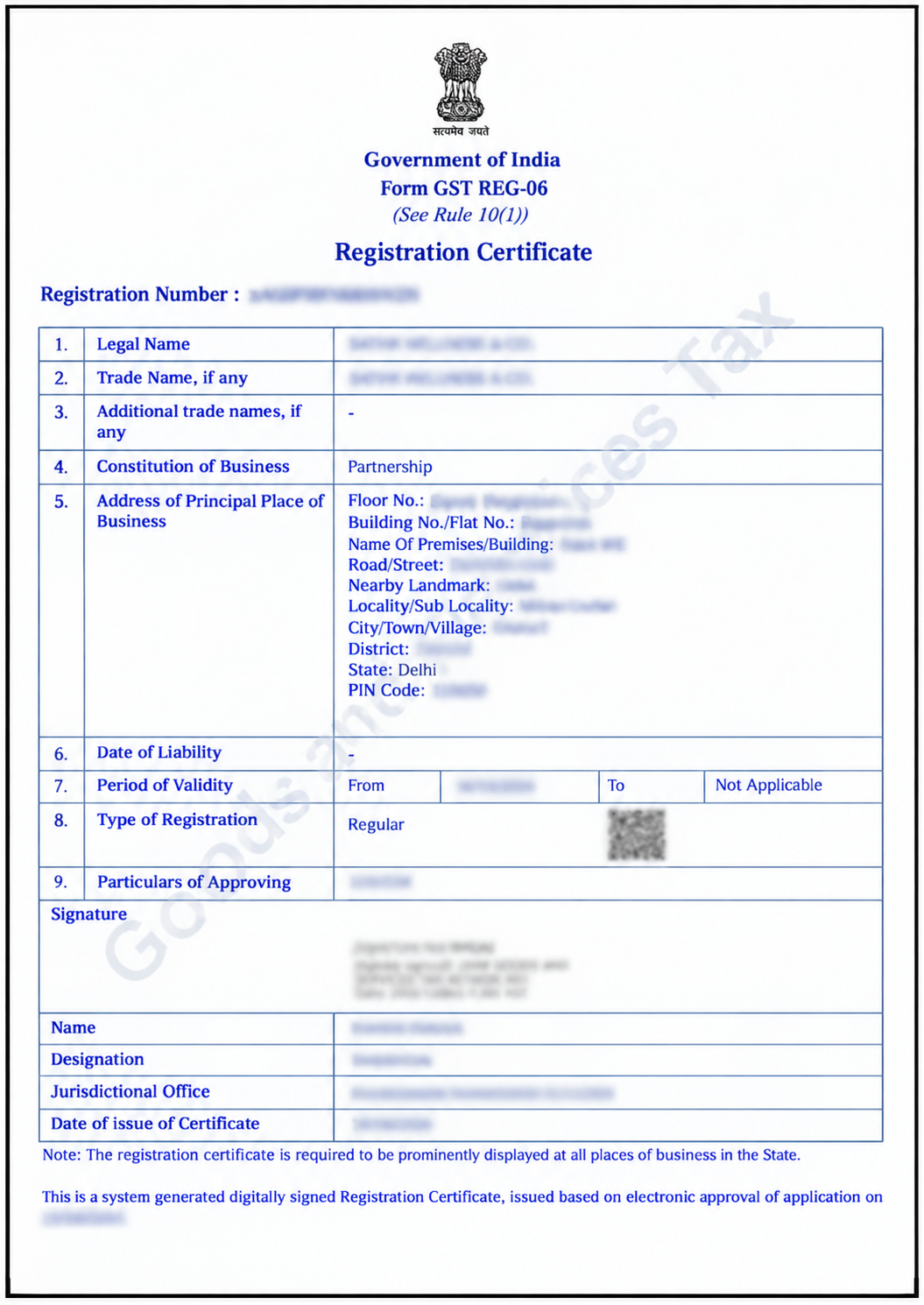
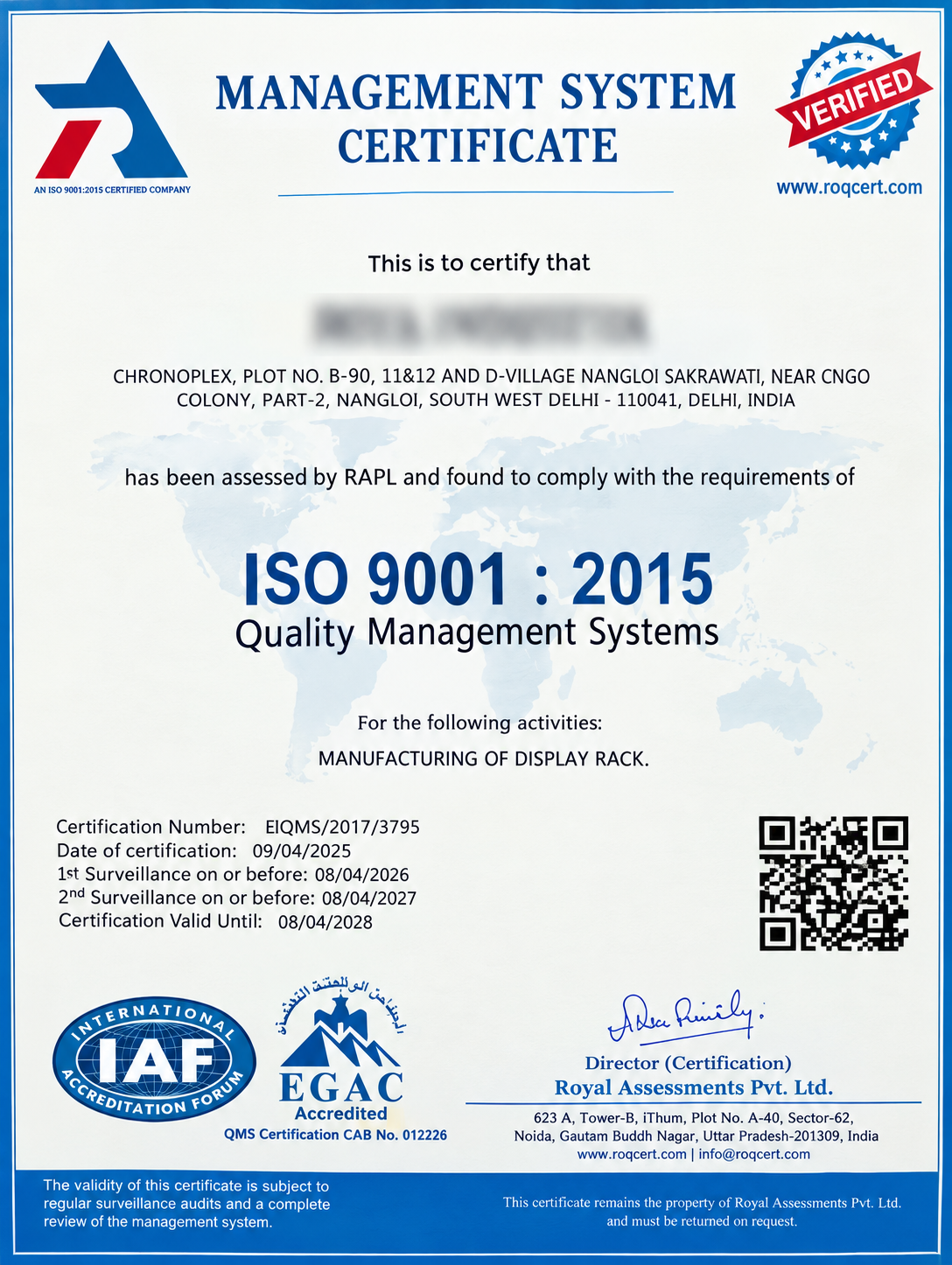
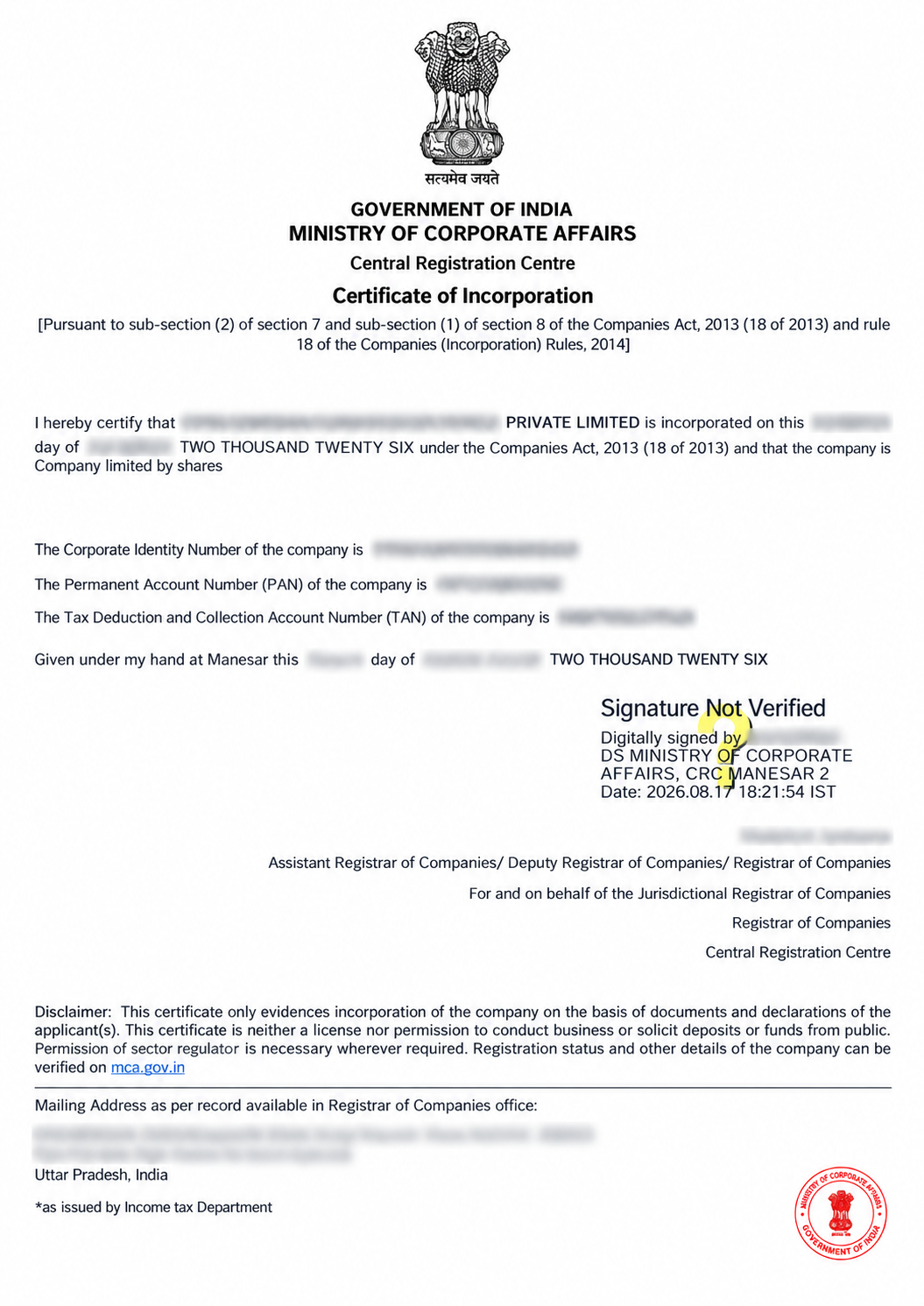
"Explore how Legalstartup has helped businesses reach new heights as their trusted partner."

Thousands of businesses and founders trust LegalStartup.