
Get the legal authority to act on a will with Legal Startup. A dedicated expert reviews the will, confirms the right court, prepares the petition and documents, tracks notices and hearings, and guides you through the steps after the grant.
Free call & custom quote · Professional fee + court fee, where applicable
Probate of a will is a court-certified copy of the will, granted to the executor named in it. It confirms that the will is genuine and validly executed and gives the executor legal authority to collect the assets of the deceased, deal with banks and property, and distribute them as the will directs, as provided under the Indian Succession Act, 1925.
Last updated: October 2026. Laws, court fees and procedures differ by state and can change, so we confirm the current position before filing. This page is general information, not legal advice for your specific case.
A will tells the family how a person wants their property to be shared after death. Probate is the court's formal recognition of that will. When a court grants probate, it is satisfied that the will is genuine, was properly signed and attested, and that the person named as executor has the right to administer the estate. Until it is revoked, probate is conclusive proof of the will's validity.
An executor is the person the testator (the maker of the will) has chosen to carry out the will. The executor applies to the court with the original will, details of the assets, the names and addresses of the legal heirs, and the prescribed court fee. The court gives notice to the heirs and invites objections. If there is no objection and the evidence is in order, probate is granted.
Whether you need probate depends on who the testator was, where the will was made and where the property is. Wills of Muslims are governed by personal law, and special rules apply in different regions, so the first step is a proper review. For the text of the law, see the Indian Succession Act, 1925 on India Code, and to track a case, use the eCourts services portal. If the deceased owned a business or brand, our online CA services can help with the accounts and tax records of the estate.
Important points that every executor and beneficiary should know.
The right route depends on whether there is a will, an executor and a dispute.
The will names an executor who is willing to act.
There is no will, or no executor is named or available.
Debts and securities of the deceased need to be claimed.
A relative objects to the will or files a caveat.
Assets are spread across cities or states.
The testator died years ago and probate was never taken.
Not sure which situation applies? Share a copy of the will and basic details, and our experts will review it free of charge.
Why executors and families obtain probate.
Probate confirms that the will is valid and was properly executed.
The executor can deal with the estate with the backing of the court.
Banks and other institutions often release assets on seeing the grant.
Mutation and sale of property are simpler with a court-certified will.
A court grant after notice to heirs reduces the scope for later challenges.
Buyers and lenders usually prefer title that rests on a probated will.
Share documents and get updates without repeated visits to our office.
From reviewing the will to receiving the grant, here is how probate usually works.
Timelines depend on the court, service of notice and whether anyone objects. Not to scale.
We check that the will is complete, names an executor, and identify the court where the petition should be filed.
We list the legal heirs, beneficiaries and assets with values, since the court fee and notices depend on them.
The petition, verification and supporting affidavits are drafted for the executor's review and signature.
The petition is filed with the original will and documents, along with the court fee required under the applicable state law.
The court issues notice to the heirs and a public citation. We track service and any objection or caveat that is filed.
The attesting witness and documents are examined, and if the court is satisfied, probate is granted and certified copies are issued.
Keep these ready to avoid delays. Our expert will confirm the exact list for your case.
The total cost of probate depends on the value and location of the estate, the court, and whether the matter is contested. It generally has three parts:
Set by the state law, usually linked to the value of the estate. The schedule can change, so we confirm the current fee before filing.
Our fee depends on the complexity and the stage of the matter. Call free for a custom quote before you pay anything.
Publication of the citation, valuation reports, certified copies and contested proceedings are charged separately.
We share a clear, itemised quote before you begin – no hidden charges. Get your free quote →
Choose the situation that matches your case, or call free for a custom quote.
The will names an executor and there is no known dispute.
There is no will, no executor, or only debts and securities need to be claimed.
Objections are expected, or assets are in several states.
Our professional fee is quoted per matter after a free call. Court fee is separate and depends on the state and the value of the estate. We cannot guarantee any court outcome or timeline. Not sure which option fits? Ask for a free review.
If a loved one has left a will and assets need to be transferred, check whether probate is required.
You are the person the court can authorise to administer the estate.
You need the will recognised before you can receive property or money.
Mutation and sale of land or flats are smoother with a court-certified will.
Institutions often ask for probate before releasing larger balances or holdings.
Handle the process online while the executor or heirs live abroad.
If a relative challenges the will, get advice early on caveats and objections.
A quick view of the documents families are often confused about. Ask us which one applies to your case.
| Document | When it applies | Issued by | Main use | Note |
|---|---|---|---|---|
| Probate | There is a will with a named executor | Court | Proves the will and authorises the executor | Granted only to the executor |
| Letters of administration | No will, or no executor available | Court | Authority to administer the estate | Bond or security may be required |
| Succession certificate | Debts and securities of the deceased | Court | Claim bank deposits, shares and dues | Not for immovable property |
| Legal heir certificate | Proof of who the legal heirs are | Local revenue or municipal authority, as per state practice | Basic proof of relationship | Not a court order, and not proof of a will |
Most probate delays come from missing documents and unclear records.
The grant is the start of administration. Here is what usually follows.
Keep several certified copies of the probate for banks, registrars and other institutions.
Claim bank balances, securities and insurance, and apply for property mutation in the name of the beneficiaries.
File pending tax returns of the deceased, if required, and pay debts and liabilities from the estate.
Hand over the assets to the beneficiaries and keep a record of everything the executor receives and pays.
If the deceased held a registered trademark, the ownership details on the register may also need updating before renewal. See our trademark renewal online service for details.
Quick answers on probate of will in India.
Probate is a copy of a will certified under the seal of a competent court, granted to the executor named in the will. It confirms that the will is genuine and legally valid and gives the executor the authority to deal with the estate of the deceased.
It depends on the law applicable and the place where the will was made or the property is situated. Under the Indian Succession Act, 1925, probate is compulsory in certain cases, such as wills of Hindus, Buddhists, Sikhs and Jains made within the former Presidency towns of Mumbai, Kolkata and Chennai. In other places it is not always compulsory, but banks, registrars and buyers often ask for it.
Probate can be granted only to an executor named in the will. If the will does not name an executor, or the named executor cannot or will not act, the beneficiaries may need to apply for letters of administration with the will annexed.
The application is filed before a court of competent jurisdiction, usually the District Court within whose area the deceased lived or held property. In places where the High Court has original civil jurisdiction, such as Delhi for higher-value matters, the High Court may hear it. We confirm the correct court for your case.
The original will, death certificate of the testator, identity and address proof of the executor, details and addresses of legal heirs and beneficiaries, details of attesting witnesses, a list of movable and immovable assets with values, property documents, and the petition with supporting affidavits.
The executor files a petition with the original will and asset details and pays the court fee. The court issues notice to the legal heirs and publishes a citation for objections. If no one objects, the court examines the evidence, including that of an attesting witness, and grants probate. If someone objects, the matter proceeds as a contested case.
There is no fixed time. An uncontested petition with complete documents usually moves faster than a contested one, but the duration depends on the court, service of notice and the court's workload. A dispute or objection can extend it considerably.
The cost has two parts: the court fee and our professional fee. The court fee depends on the state law and is usually linked to the value of the estate, while professional fees depend on the complexity of the matter. We confirm the applicable court fee and share an itemised quote after a free call.
A person claiming an interest can file a caveat or an objection. The petition is then treated as a contested matter, and the court may frame issues and hear evidence on the validity of the will, such as due execution, the testator's sound mind, and allegations of fraud or undue influence.
Probate is granted to the executor named in a will. Letters of administration are granted when there is no will or no executor. A succession certificate is mainly used to claim the debts and securities of the deceased, such as bank deposits and shares, and does not by itself transfer immovable property.
Registration of a will is not mandatory and does not replace probate. Whether probate is needed depends on the applicable law and place, as well as on what banks, registrars and other institutions require. A registered will is easier to prove but may still need probate.
Courts have generally entertained probate petitions filed after long gaps, but delay can raise questions and make evidence harder to produce. It is better to apply promptly and to explain any delay clearly in the petition.
Need probate of a will? Speak to our legal expert today – the first consultation and the quote are free.
Tell us what you need and our team will get back to you with the right guidance.
Legalstartup ke certificates, registrations aur recognitions jo hamari credibility dikhate hain.
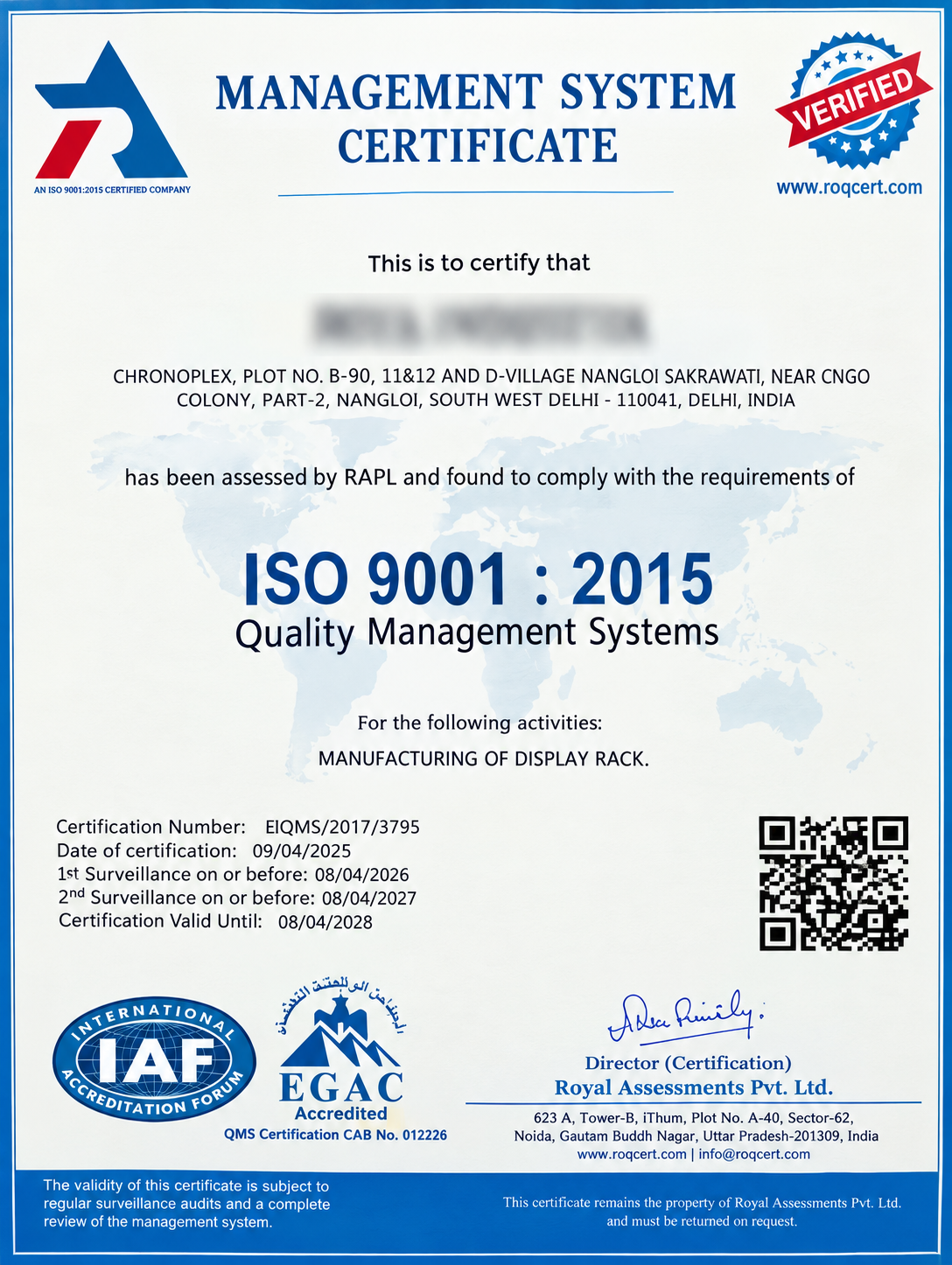
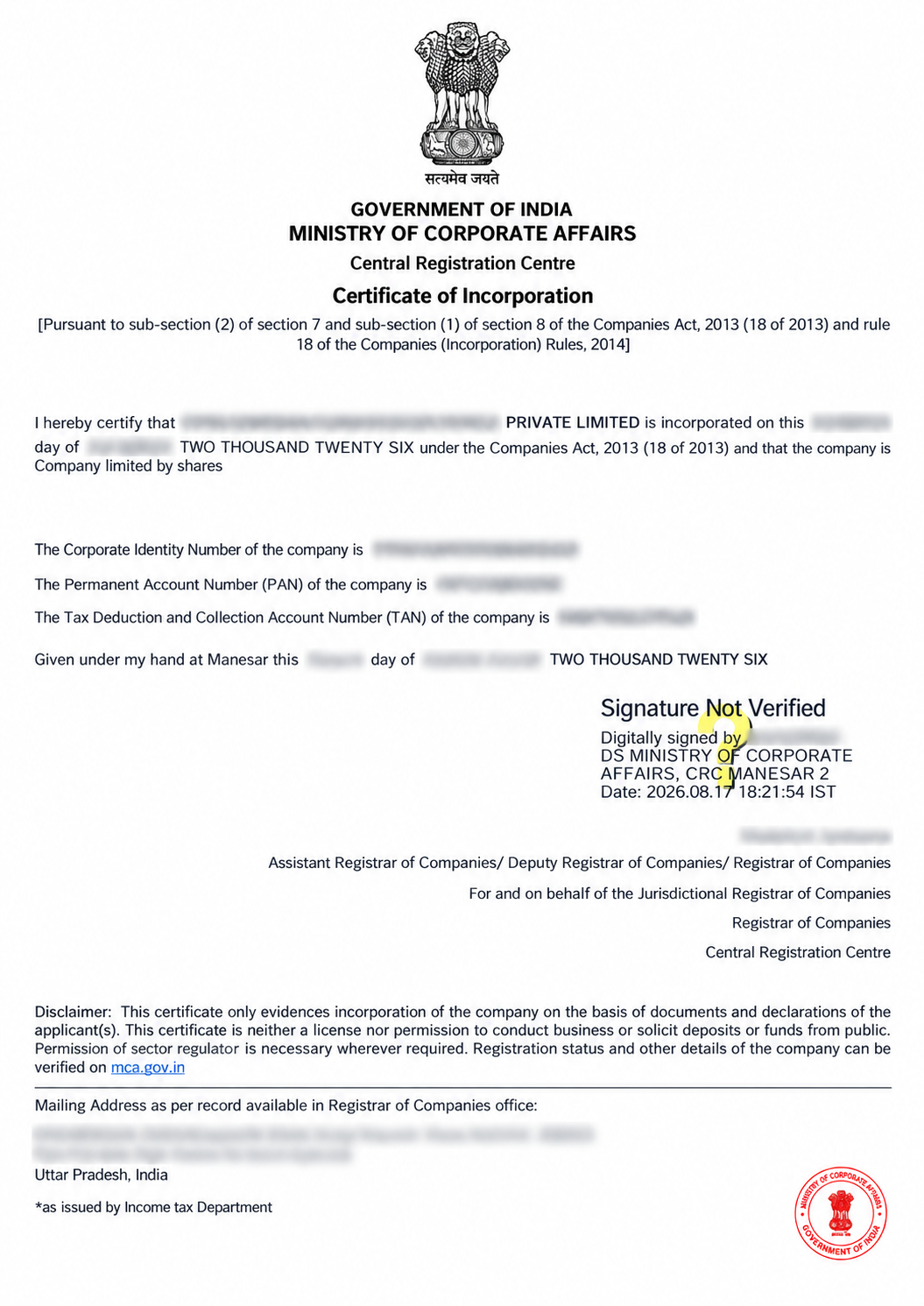
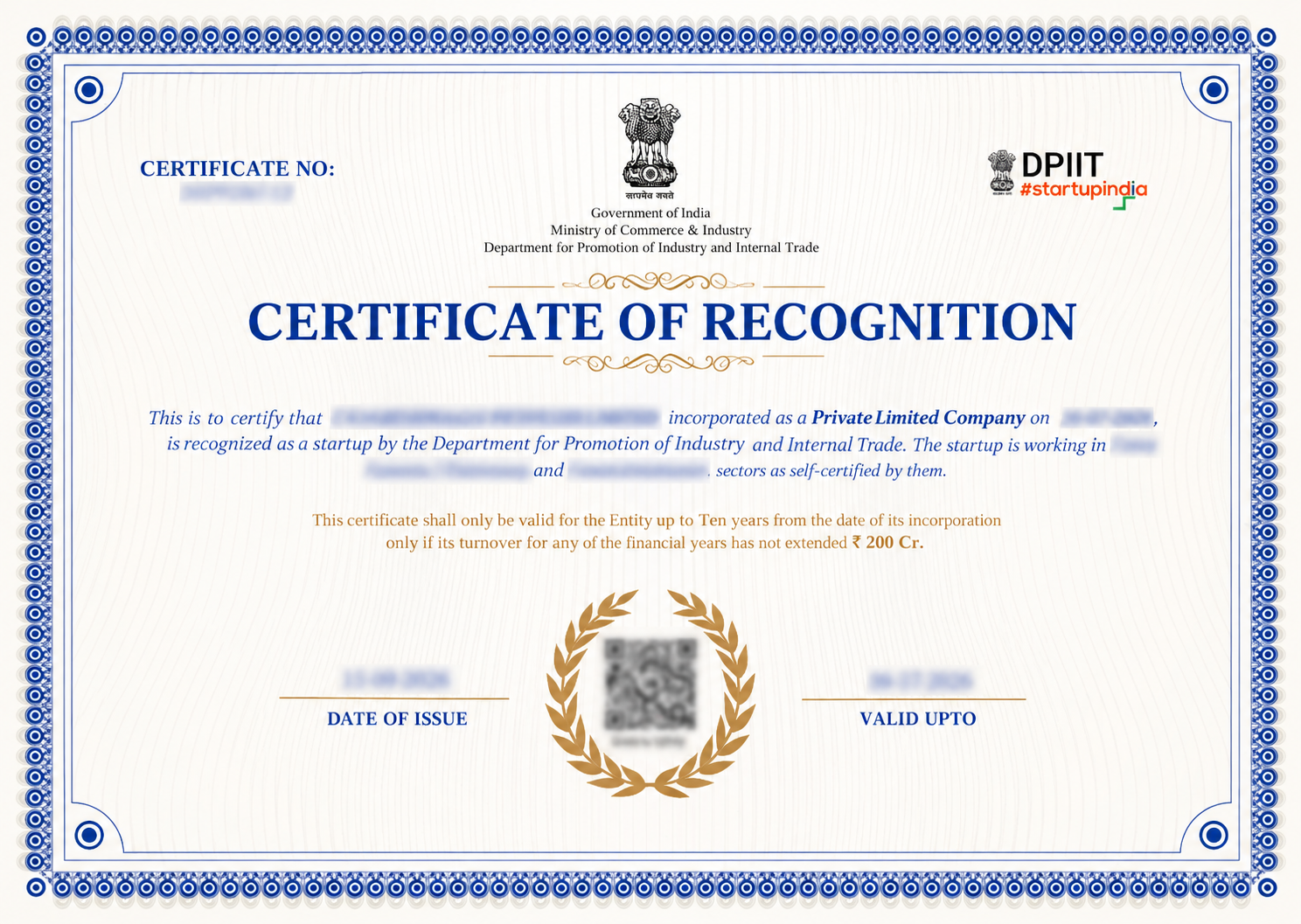
"Explore how Legalstartup has helped businesses reach new heights as their trusted partner."

Thousands of businesses and founders trust LegalStartup.