
Register a public charitable trust or a private trust with Legal Startup. A dedicated expert reviews your objects and trustees, drafts the trust deed, guides you through stamp paper and registration, and explains PAN, 12A, 80G and ongoing compliance.
Free call & custom quote · Professional fee + stamp duty & registration fee
Trust registration means creating a trust by a written trust deed and registering that deed with the Sub-Registrar, so the trust can hold property, open a bank account and apply for tax registrations. Public charitable trusts may also need to register with a state public trusts authority.
Last updated: October 2026. Stamp duty, registration fees and state rules differ across India, so we confirm the position for your state before you start.
A trust is a legal arrangement in which a person, called the settlor or author, transfers property to one or more trustees. The trustees hold and manage it for the benefit of named beneficiaries or for a stated purpose such as education, health care, relief of poverty or religious activity. The rules are set out in the trust deed and in the Indian Trusts Act, 1882, together with state laws on public trusts.
There are two broad kinds. A private trust benefits specific people, such as family members. A public trust, often a charitable or religious trust, benefits the public or a section of it. Unlike a company, a trust is not a separate legal entity by itself: the trustees hold the property and act on behalf of the trust.
Trust deeds are registered at the local Sub-Registrar office under the Registration Act, 1908. For tax benefits, a charitable trust applies separately through the Income Tax Department portal, the official website of the Income Tax Department, Government of India.
The trust deed and the state rules decide who can form a trust and how it is run.
People who create and run the trust.
What the trust is meant to achieve.
How the trust presents itself.
What the trust starts with.
Not sure whether a trust, a society or a Section 8 company suits your plan? Tell us about your objects and our experts will explain the options free of charge.
Why individuals, families and charitable groups choose a trust for their work or assets.
A trust is usually quicker and lighter to set up and run than a company.
The deed records the objects, so trustees must use the property for that purpose.
A registered deed gives proof of the trust, its trustees and its property.
A charitable trust can apply for 12A and 80G, subject to approval by the Income Tax Department.
The deed can provide for new trustees, so the trust continues when trustees change.
A private trust lets a family hold and pass on property under rules it sets itself.
From planning the deed to tax registration, here is how it works.
Timelines depend on deed finalisation, office appointments and your state's rules. Not to scale.
Choose between a private and a public charitable or religious trust, and settle the objects and the trust name.
Name the settlor and trustees, and decide how future trustees will be appointed, removed or replaced.
We draft the deed with the objects, powers of trustees, accounts, succession and dissolution clauses.
The deed is printed on the stamp paper required in your state and signed by the settlor and trustees before two witnesses.
The deed is presented at the Sub-Registrar office with the registration fee. Public trusts may also register with the state public trusts authority.
Apply for the trust PAN, open a bank account, and apply to the Income Tax Department for 12A and 80G if the trust is charitable.
Keep these ready to avoid delays. Our expert will confirm the exact list for your state and trust type.
The total cost depends on your state, the type of trust and the value of the property in the deed. It generally has three parts:
State stamp duty is payable on the trust deed. It varies by state and, in many states, by the property or corpus involved.
The Sub-Registrar office charges a registration fee as per the state schedule. We confirm the current amount before you pay.
Our fee depends on the case and the work required. Call free for a custom quote before you pay anything.
12A and 80G registration, FCRA, GST registration and ongoing compliance are quoted separately. We share a clear, itemised quote before you begin. Get your free quote →
Choose the situation that matches your plan, or call free for a custom quote.
Founders creating a public or private trust from scratch.
Trust registration and tax registration for donor-funded work.
Registering an unregistered trust, or handling annual filings.
Our professional fee is quoted after a free call. Stamp duty and registration fee are separate and depend on your state. Not sure which option fits? Ask for a free consultation.
A quick view of how a trust differs from other common structures.
| Structure | Who it serves | Minimum members | Regulator | Compliance |
|---|---|---|---|---|
| Trust | Charitable, religious or family purposes | Settlor and trustees; usually 2 or more trustees | Sub-Registrar and state public trusts authority | Lower |
| Society | Non-profit membership body | 7 members | Registrar of Societies | Moderate |
| Section 8 company | Non-profit objects | 2 directors and 2 members (private), 3 and 7 (public) | MCA and Registrar of Companies | Higher |
| Private limited company | Profit-making business | 2 directors, 2 shareholders | MCA | Higher |
If you want a company structure for your non-profit, read about Section 8 company registration.
Careful drafting before you sign prevents most problems later.
Registration is the start. A trust also has ongoing accounting and tax obligations.
The trust needs its own PAN for its bank account, tax filings and registrations.
Open an account in the trust's name for donations, grants and expenses, and keep trust funds separate.
A charitable trust applies to the Income Tax Department for exemption and donor deductions. These do not come with deed registration.
Maintain books of accounts, get an audit where required, file the income tax return, and follow any filings required by your state's public trusts authority.
GST registration, CSR-1 for corporate funding, or FCRA for foreign contributions may apply depending on your activities.
Quick answers on trust registration in India.
A trust is an arrangement in which a settlor transfers property to trustees to hold and use for the benefit of beneficiaries or for a stated purpose. In India, trusts are commonly private trusts for family or named beneficiaries, and public trusts for charitable or religious purposes that benefit the public.
Decide the type of trust, objects and trustees, draft the trust deed, print it on the stamp paper required in your state, sign it before two witnesses and register it at the Sub-Registrar office with the required fee. A public charitable trust may also need registration with the state public trusts authority. After that, apply for the trust PAN and, if needed, 12A and 80G.
A trust over immovable property must be created by a written instrument that is registered. In practice, registration of the trust deed is also needed to open a bank account in the trust's name and to apply for 12A and 80G, and some states require public trusts to register under their public trusts law.
A trust needs a settlor (author) and trustees. For a public charitable trust, two or more trustees are usual, and the minimum can depend on your state and the registering authority. We confirm the requirement for your state before drafting the deed.
The settlor and each trustee need PAN, identity and address proof, photographs, and email and mobile details. The trust needs proof of its office address, a rent agreement and owner NOC if rented, two witnesses with identity proof, and the draft trust deed on the correct stamp paper.
A trust deed normally states the name and address of the trust, the objects, the settlor and trustees, the initial property or corpus, trustees' powers and duties, how trustees are appointed, removed or replaced, how meetings and accounts are handled, and what happens on dissolution. For a charitable trust, the deed should also restrict the use of income to the objects.
The cost has three parts: state stamp duty on the trust deed, the registration fee at the Sub-Registrar office, and the professional fee. Stamp duty and registration fee vary by state and, in many states, by the value of the property involved, so we confirm them before you start.
The time depends on how quickly the deed is finalised, the availability of the Sub-Registrar office appointment, and any additional registration with a state public trusts authority. We cannot guarantee a fixed timeline, but we plan the steps with you so that documents are ready for the appointment.
A trust is created by a deed and run by trustees, a society is a membership body registered under a societies registration law, and a Section 8 company is a non-profit company under the Companies Act, 2013. A trust is generally the simplest to set up, while a Section 8 company has the most compliance.
Registration of the trust deed does not give income tax exemption or donor tax benefits. A charitable trust applies separately to the Income Tax Department for 12A registration, and for 80G if it wants donors to claim deductions. We guide you on both applications.
A trust should keep proper books of accounts, file its income tax return each year, get its accounts audited where required, and follow the rules of the registering authority in its state. Trusts with 12A, 80G or foreign contributions have additional filings, so we give you a current compliance calendar.
Planning a trust? Speak to our expert today – the consultation and the quote are free.
Tell us what you need and our team will get back to you with the right guidance.
Legalstartup ke certificates, registrations aur recognitions jo hamari credibility dikhate hain.
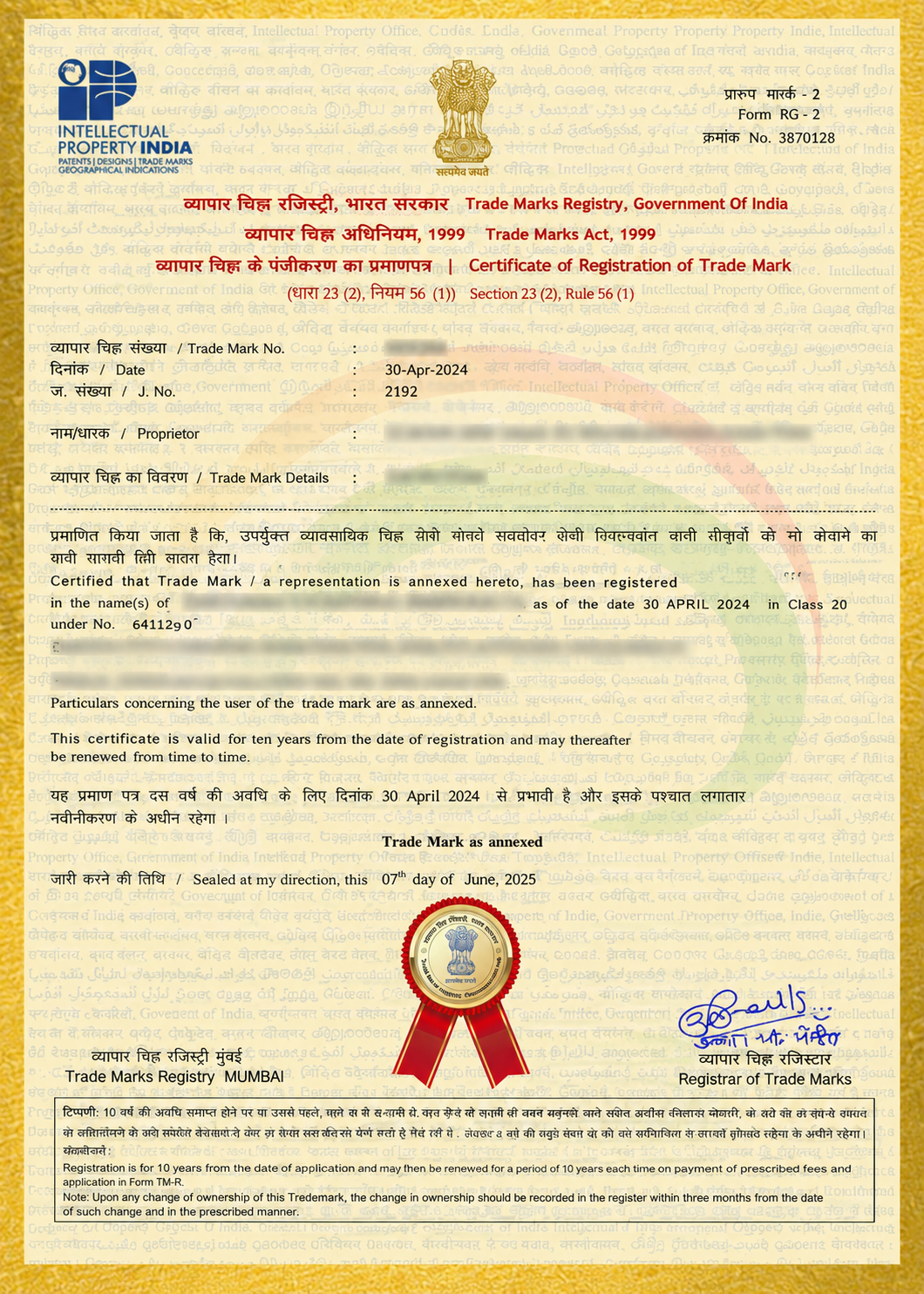
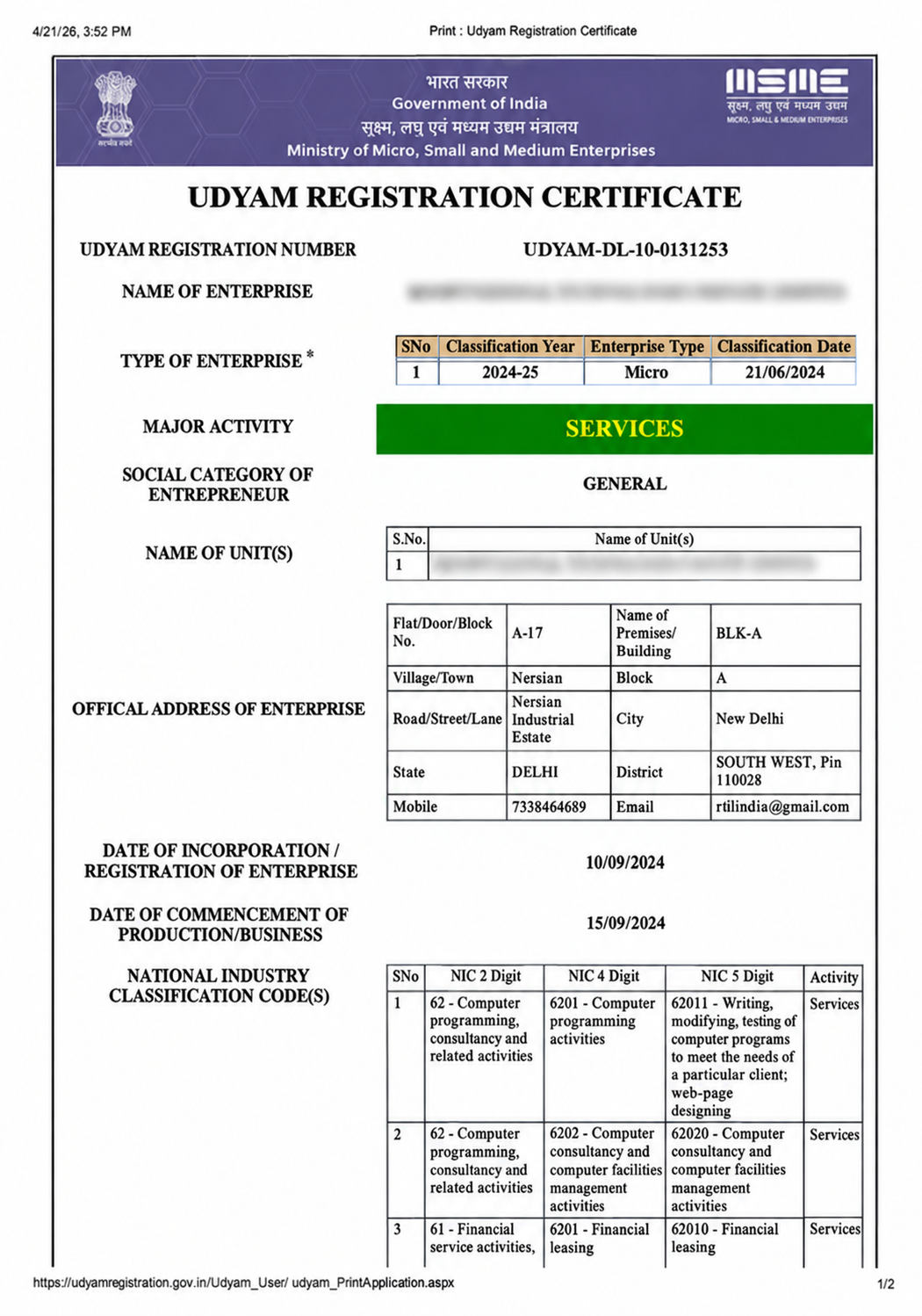
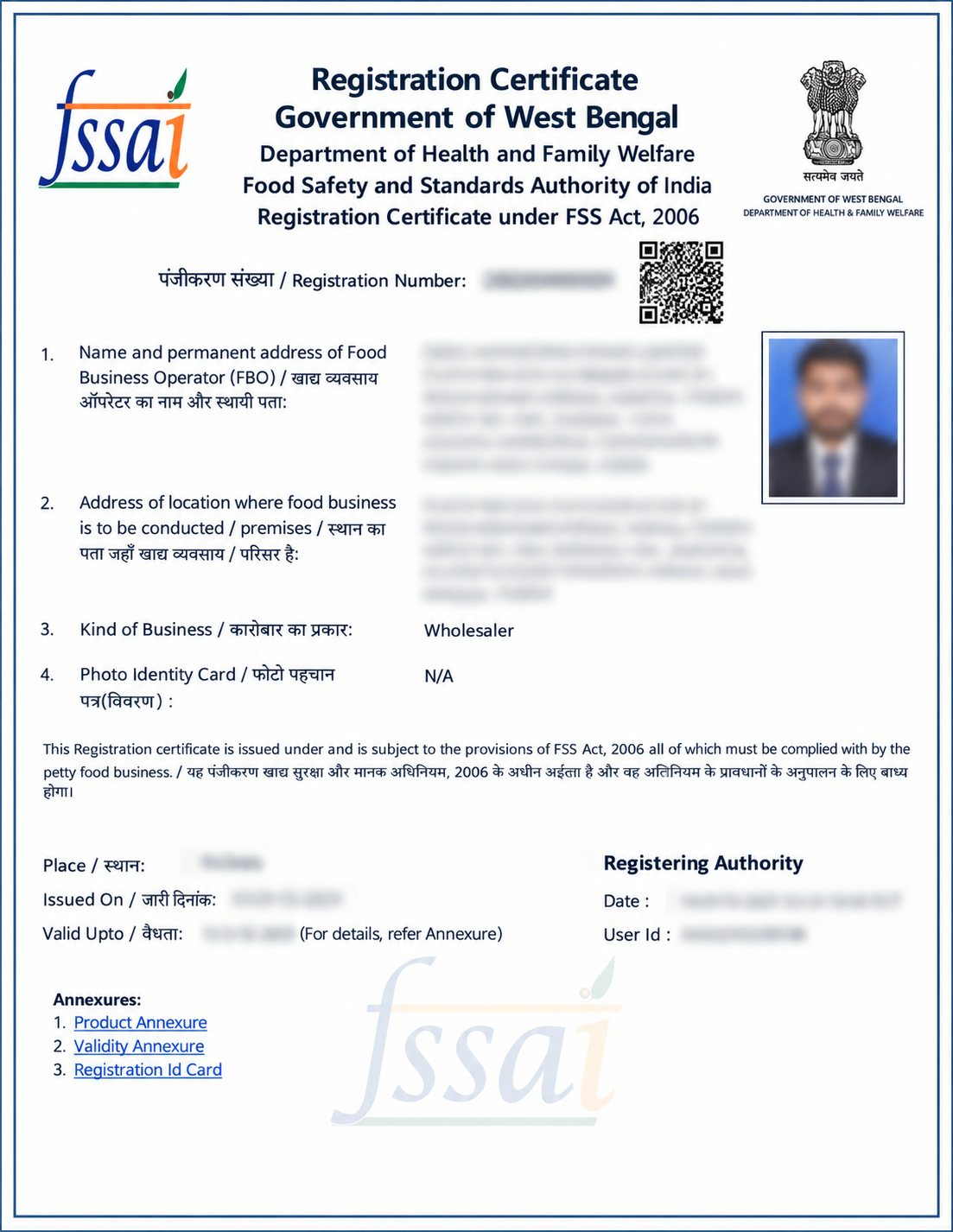
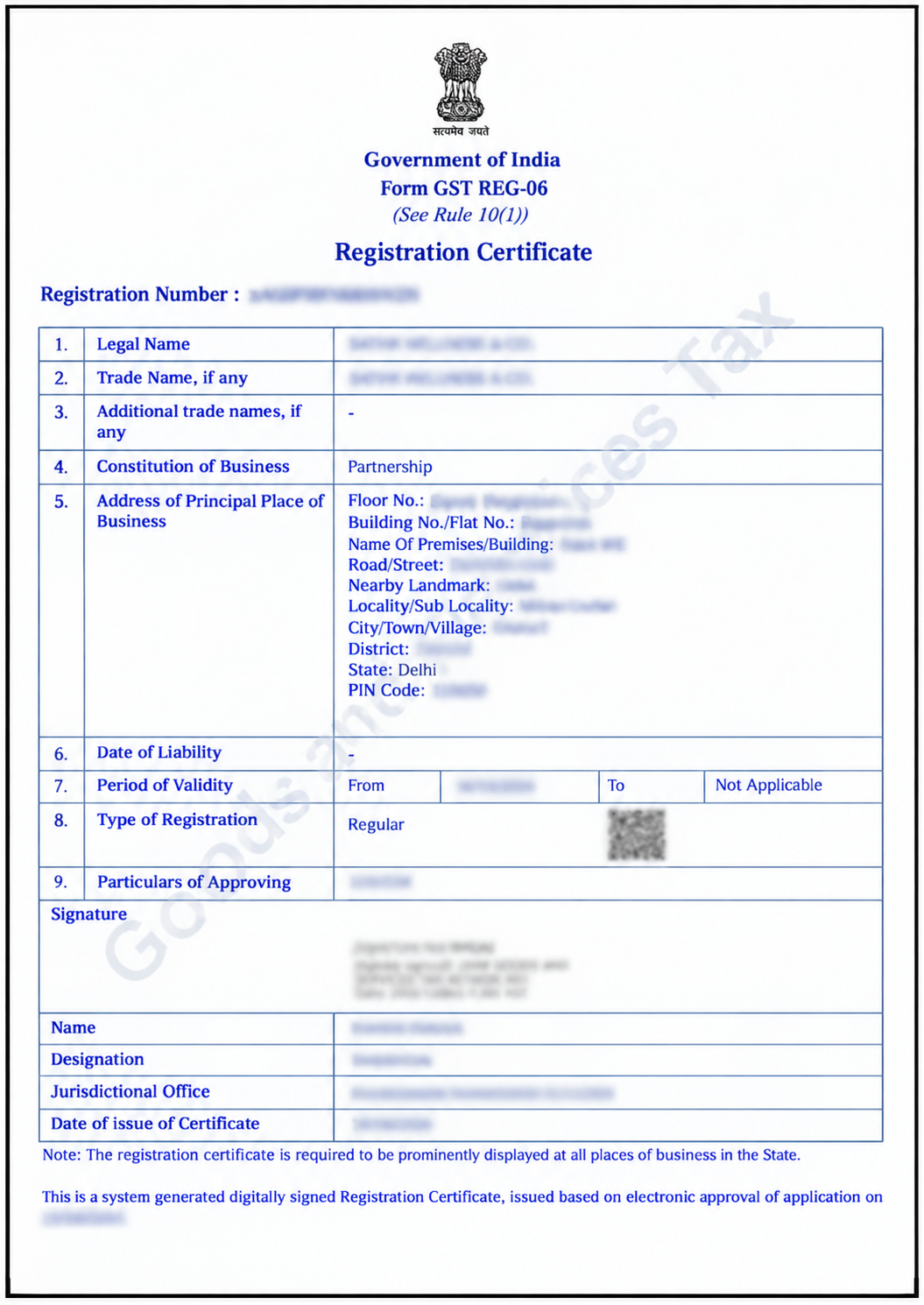
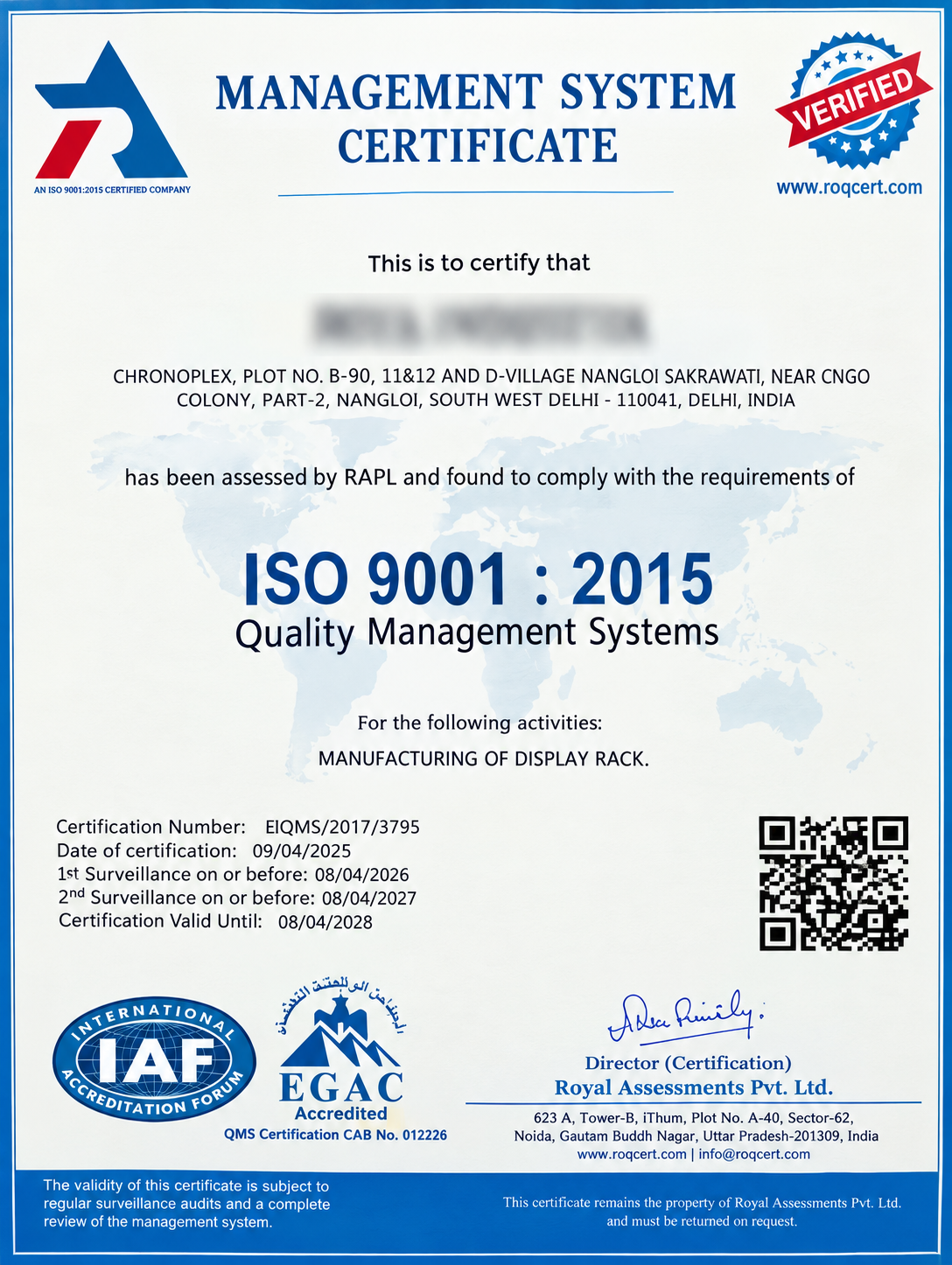
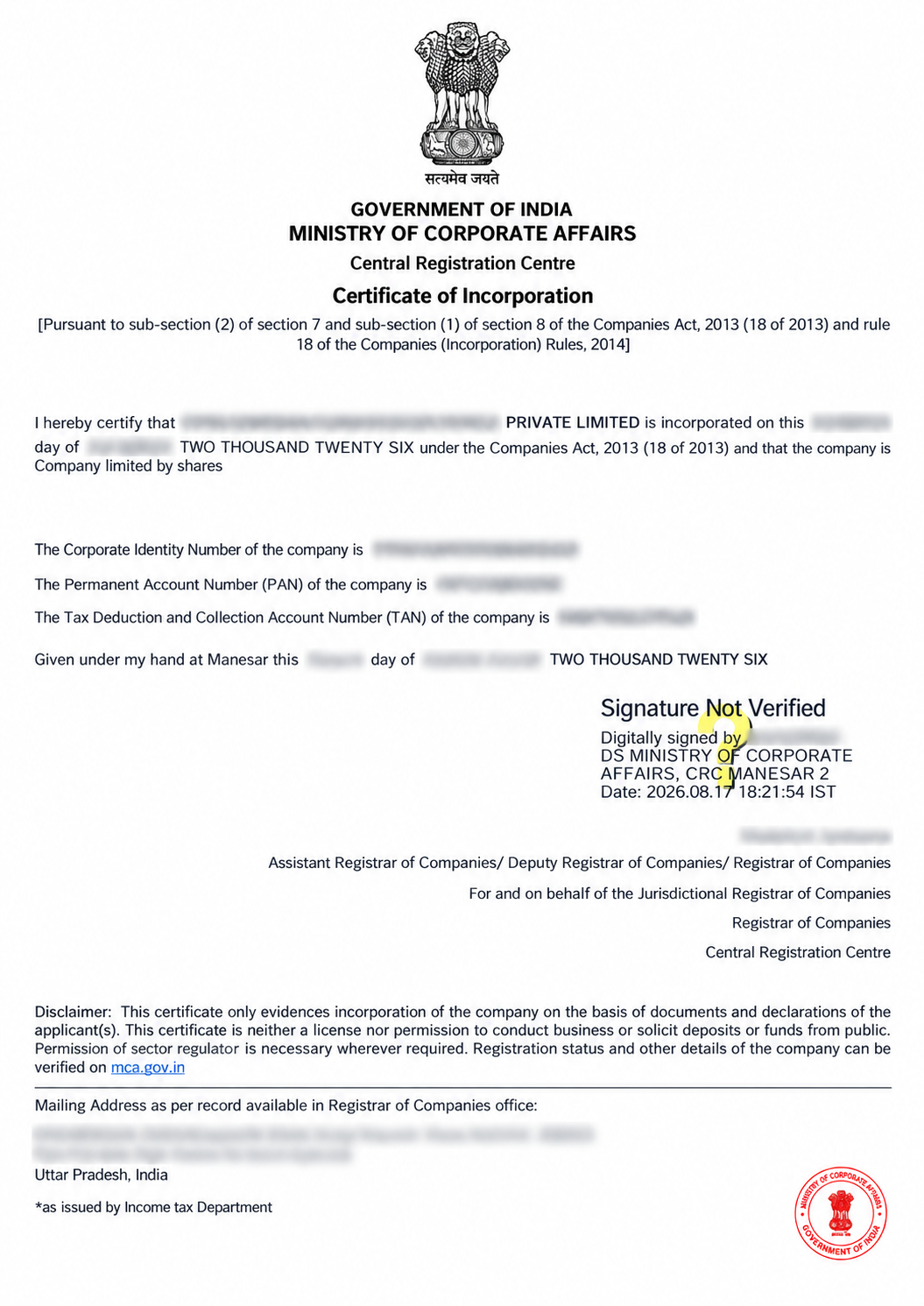
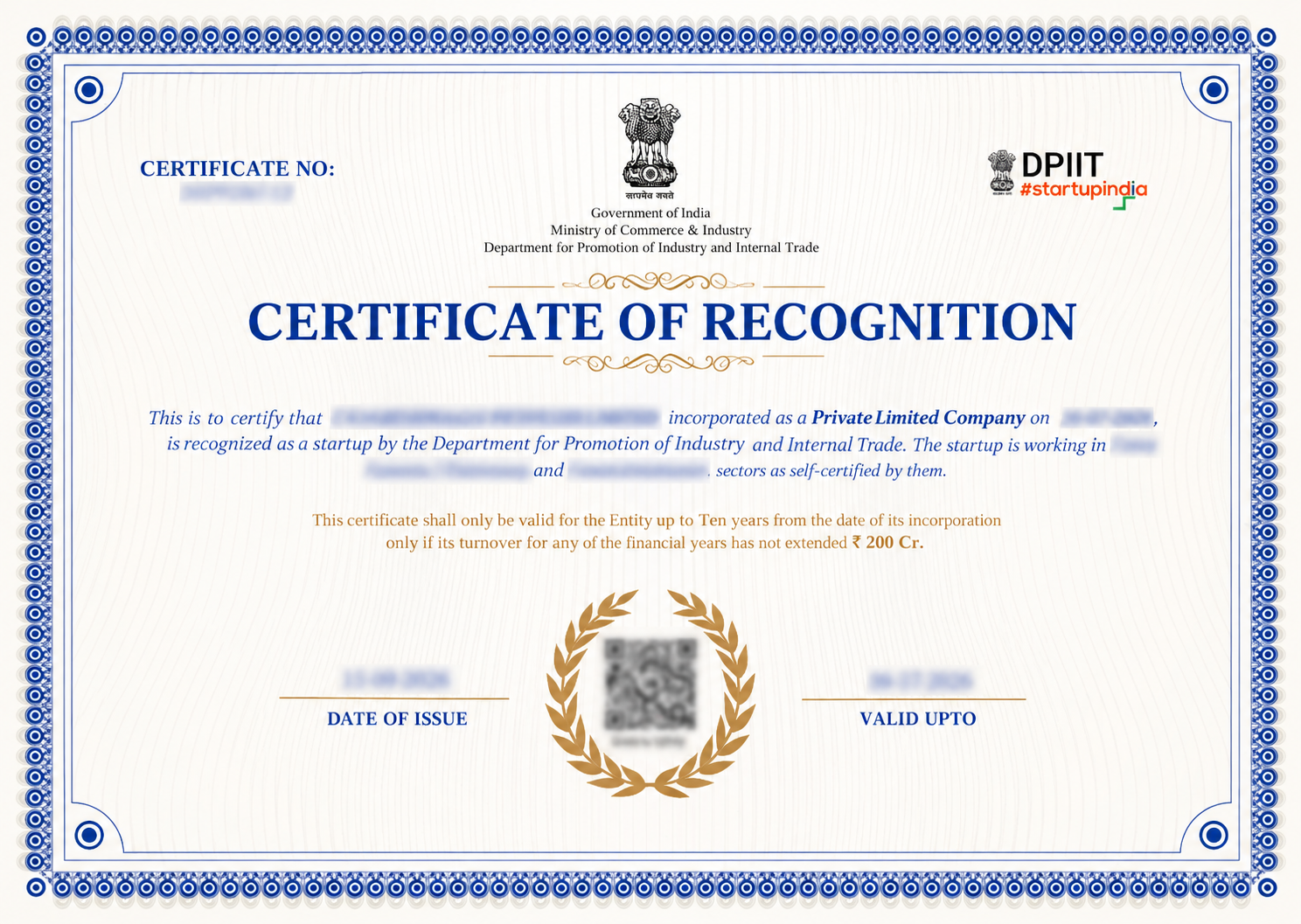
"Explore how Legalstartup has helped businesses reach new heights as their trusted partner."

Thousands of businesses and founders trust LegalStartup.