
Register with the Spices Board of India and export spices legally. A dedicated compliance expert checks your eligibility, prepares your documents, files the application and follows up with the Board until your certificate is issued.
Free call & custom quote · Professional fee + government fee
Spices Board registration is the registration of an exporter with the Spices Board of India under the Spices Board Act, 1986. The certificate is commonly called the Certificate of Registration as an Exporter of Spices (CRES). It is needed to export any of the 52 scheduled spices from India.
Last updated: October 2026. Fees, validity, forms and filing routes are set by the Spices Board and DGFT and can change, so we confirm the current position before filing.
The Spices Board of India, headquartered in Kochi, Kerala, is the statutory body under the Ministry of Commerce and Industry that develops and promotes the export of Indian spices. It was constituted under the Spices Board Act, 1986, which covers 52 scheduled spices including pepper, cardamom, chilli, ginger, turmeric, coriander, cumin, fennel, fenugreek, cinnamon, cloves, nutmeg and saffron. The Board also runs quality laboratories and supports growers, processors and exporters.
Under the Act, a person cannot carry on the business of exporting scheduled spices without being registered with the Board. The registration is commonly called CRES. Exporters also deal with the registration-cum-membership certificate (RCMC) process on the DGFT portal, which can be confusing because the two documents are related but not identical. We check the current Board and DGFT instructions for your case so you apply for the right thing in the right order.
Registration is not the only requirement. Exporters need an Importer-Exporter Code and GST registration first, and food safety licensing under FSSAI usually applies as well. Manufacturer exporters submit additional unit documents, and the Board may verify premises. For official information visit the Spices Board of India website. If you sell under your own spice brand, see our trademark registration online service, since Spices Board registration does not protect a brand name.
The numbers and terms that shape spice export registration.
The right route depends on how you deal in spices.
You source spices from others and export them.
You process or pack spices in your own unit and export them.
Registration-cum-membership certificate for export benefits.
For dealers in cardamom under the 1987 Rules.
Keeping your registration valid and up to date.
Exporters who also need FSSAI, APEDA or other approvals.
Not sure which registration applies to your spice business? Share a short description and our experts will check it free of charge.
Why spice exporters register with the Board.
Registration allows you to export scheduled spices within the law.
Exporting scheduled spices without registration can lead to penalties under the Act.
A valid certificate supports your claim to council-administered export benefits.
Overseas buyers and banks prefer exporters who are properly registered.
Registered exporters can use the Board's quality, testing and promotion support.
Consistent IEC, GST and registration records ease customs and bank work.
Apply and renew from anywhere in India without visiting an office.
From eligibility check to certificate, here is how online registration works.
Timelines depend on document accuracy, the regional office and any inspection. Not to scale.
We confirm whether you apply as a merchant or manufacturer exporter and list the scheduled spices you will export.
We check that your IEC, GST registration and FSSAI licence are valid and consistent before you apply.
Constitution papers, bank report, product list with HS codes and unit documents are prepared and matched.
The application is submitted through the prescribed online route with the fee paid online.
We follow the application with the regional office and help you reply to queries or prepare for a premises check.
Once issued, we share the certificate and note the renewal date in your reminder list.
Keep these ready to avoid delays. The Board publishes the exact list and we confirm it for your case.
The total cost depends on your exporter category, the number of registrations and how ready your documents are. It generally has three parts:
Set by the Spices Board and DGFT for each category and paid online. The schedule can change, so we confirm the current fee before filing.
Our fee depends on your category and the state of your records. Call free for a custom quote before you pay anything.
IEC, GST, FSSAI, document corrections and multiple registrations are charged separately when needed.
We share a clear, itemised quote before you begin – no hidden charges. Get your free quote →
Choose the situation that matches your business, or call free for a custom quote.
You source spices from others and want to export them.
You process or pack spices in your own unit and export them.
A renewal due soon, a cardamom dealer licence or several approvals at once.
Our professional fee is quoted after a free call. The government fee is set by the Spices Board and DGFT and is separate. Not sure which option fits? Ask for a free eligibility check.
If you export any scheduled spice, check your registration status first.
Traders who buy spices from growers or markets and export them.
Processors, grinders and packers who export spices from their own unit.
Brands exporting spice mixes should check how the scheduled spices in them are treated.
Dealers in cardamom need a licence under the 1987 Rules.
Brands planning cross-border sales should register before the first shipment.
Startups planning to export should map their licences before launch.
A quick view of how the main registrations differ. Ask us which one applies to your business.
| Registration | Who needs it | Governing law | Prerequisites | Key point |
|---|---|---|---|---|
| Exporter registration (CRES) | Exporters of scheduled spices | Spices Board Act, 1986 | IEC, GST | Needed to export legally |
| RCMC | Exporters claiming trade policy benefits | Foreign Trade Policy framework | IEC | Related but not identical to CRES |
| Manufacturer exporter route | Exporters with a processing unit | Spices Board Act, 1986 | Unit and Udyam documents | Premises may be verified |
| Cardamom dealer licence | Dealers in cardamom | Cardamom (Licensing and Marketing) Rules, 1987 | Business documents | Separate from exporter registration |
Matching documents and the right category prevent most delays.
Registration is the start. Here is how to keep it in good standing.
Share it with your bank, customs broker and buyers as needed.
Follow the Board's quality norms and importing-country food safety rules for each shipment.
Inform the Board when your name, address, constitution or product list changes.
Check the current renewal rule for your category and set a reminder well ahead of the date.
Selling under your own spice brand? Protect the name with trademark registration online, keep it alive with trademark renewal online, and see trademark hearing online if your mark faces an objection. For local support, see our pages for trademark registration in Dwarka and Jaipur.
Quick answers on Spices Board of India registration.
Spices Board registration is the registration of an exporter with the Spices Board of India under the Spices Board Act, 1986. The certificate is commonly called the Certificate of Registration as an Exporter of Spices (CRES), and it is linked to the registration-cum-membership certificate process on the DGFT portal.
Yes, for exporting any of the scheduled spices. The Spices Board Act, 1986 does not allow a person to carry on the business of exporting scheduled spices without being registered. Businesses that only trade spices within India do not need this registration.
The Spices Board Act, 1986 covers 52 scheduled spices, including pepper, cardamom, chilli, ginger, turmeric, coriander, cumin, fennel, fenugreek, cinnamon, cloves, nutmeg and saffron. The schedule is published by the Board.
CRES is the statutory registration of an exporter of spices under the Spices Board Act. RCMC is the registration-cum-membership certificate that export promotion councils issue for trade policy benefits. Check the current Board and DGFT instructions for how the two apply to your case.
Merchant exporters, who source spices from others and export them, and manufacturer exporters, who process spices in their own unit. Both need an Importer-Exporter Code and GST registration, and manufacturers submit additional unit documents.
Obtain an Importer-Exporter Code and GST registration, prepare the exporter and product documents, submit the application through the online route prescribed by the Spices Board and DGFT, pay the fee, and respond to any query from the Board's regional office until the certificate is issued.
Usually the Importer-Exporter Code, GST registration, PAN, constitution documents such as partnership deed or MOA and AOA, a bank report in the prescribed format, a list of spice products with HS codes, and for manufacturers a Udyam or industry registration and unit details. The Board publishes the exact list.
Government fees depend on the exporter category and the current schedule, and they can change. Our professional fee depends on your category and how ready your documents are. We confirm the current fee and share an itemised quote after a free call.
The time depends on how complete the application is, how quickly the regional office verifies it and whether an inspection is needed for manufacturers. We do not promise a fixed date.
Renewal is filed online before the certificate expires, and any pending charges with the regional office may need to be cleared first. Validity and renewal conditions can change, so check the current rule and keep the date in your compliance calendar.
Usually yes. Spices are food products, so food safety licensing under FSSAI applies in addition to the Importer-Exporter Code, GST and Spices Board registration. Which licence applies depends on your business.
Yes. Dealers in cardamom need a licence under the Cardamom (Licensing and Marketing) Rules, 1987, which the Spices Board issues separately from the exporter registration. Check the Board's current circulars for the filing route and dates.
Planning to export spices? Speak to our compliance expert today – the eligibility check and the quote are free.
Tell us what you need and our team will get back to you with the right guidance.
Legalstartup ke certificates, registrations aur recognitions jo hamari credibility dikhate hain.
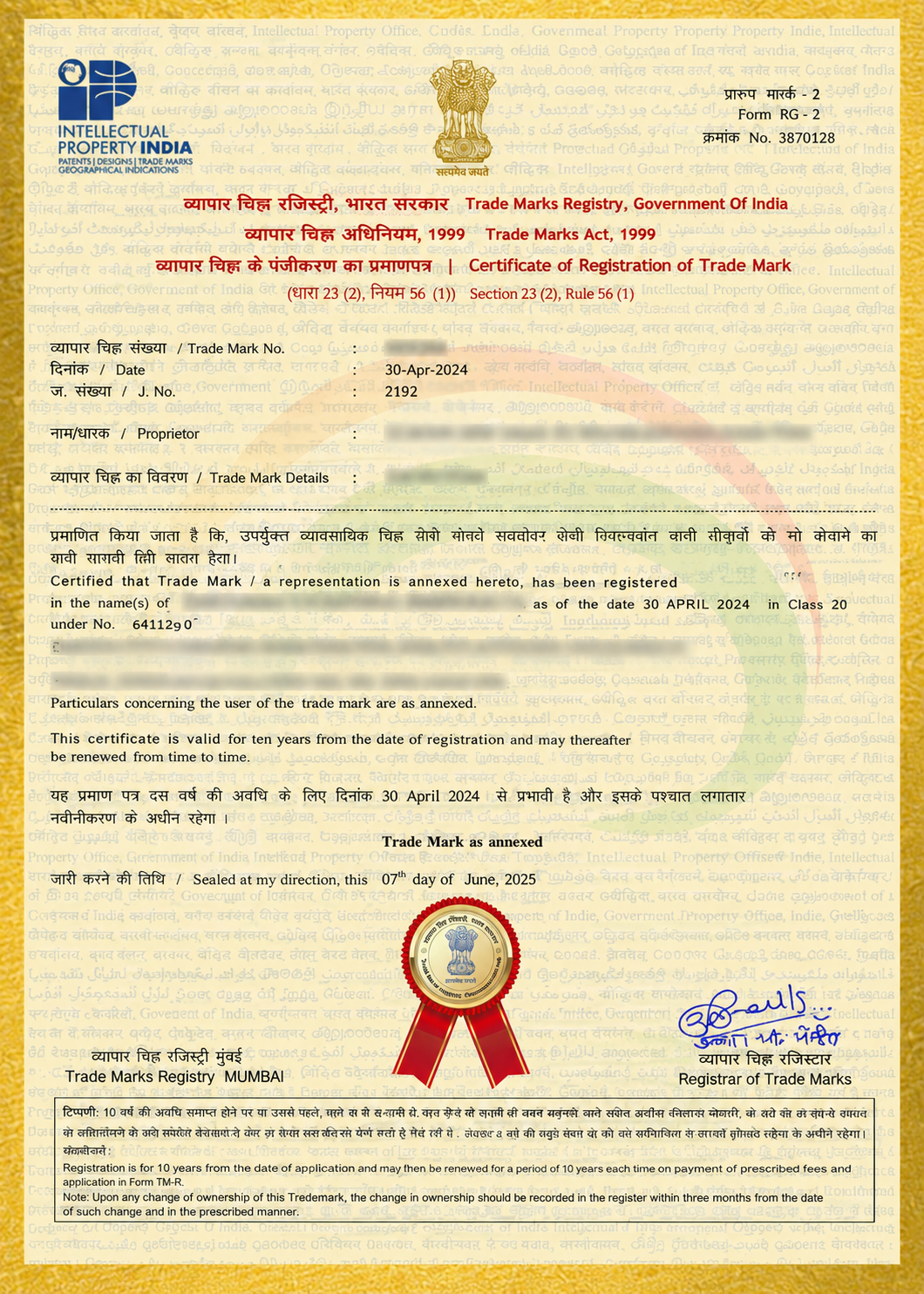
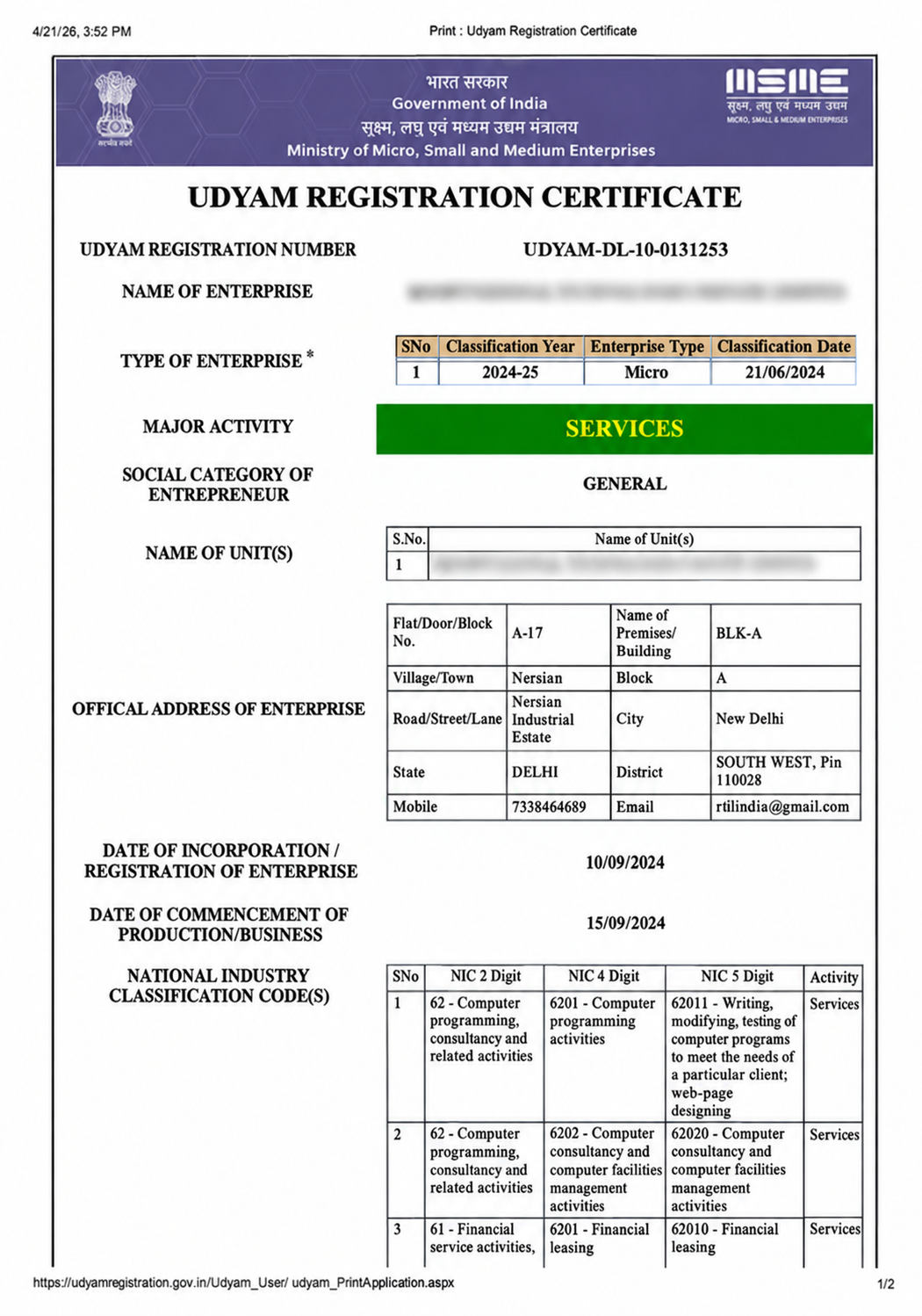
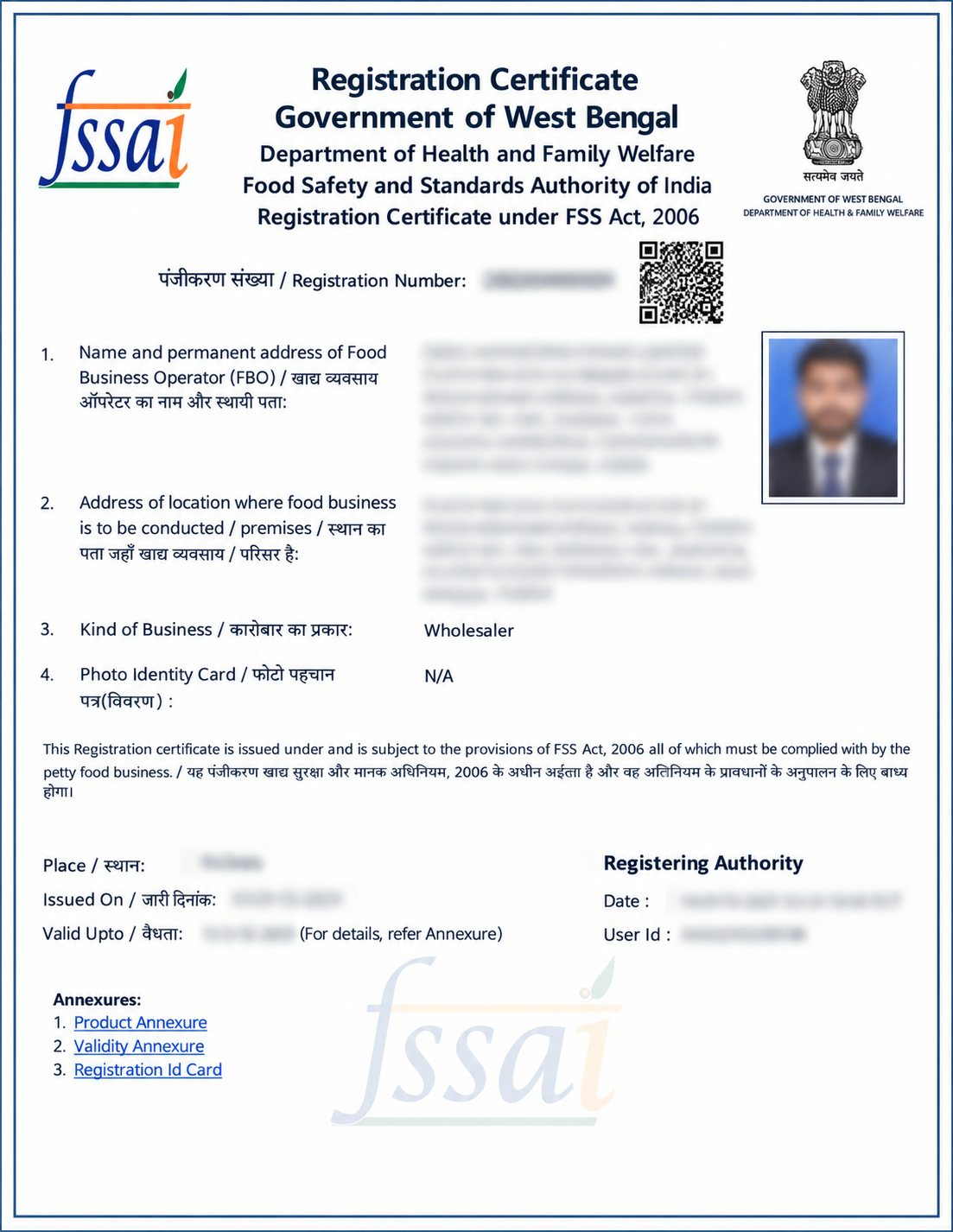
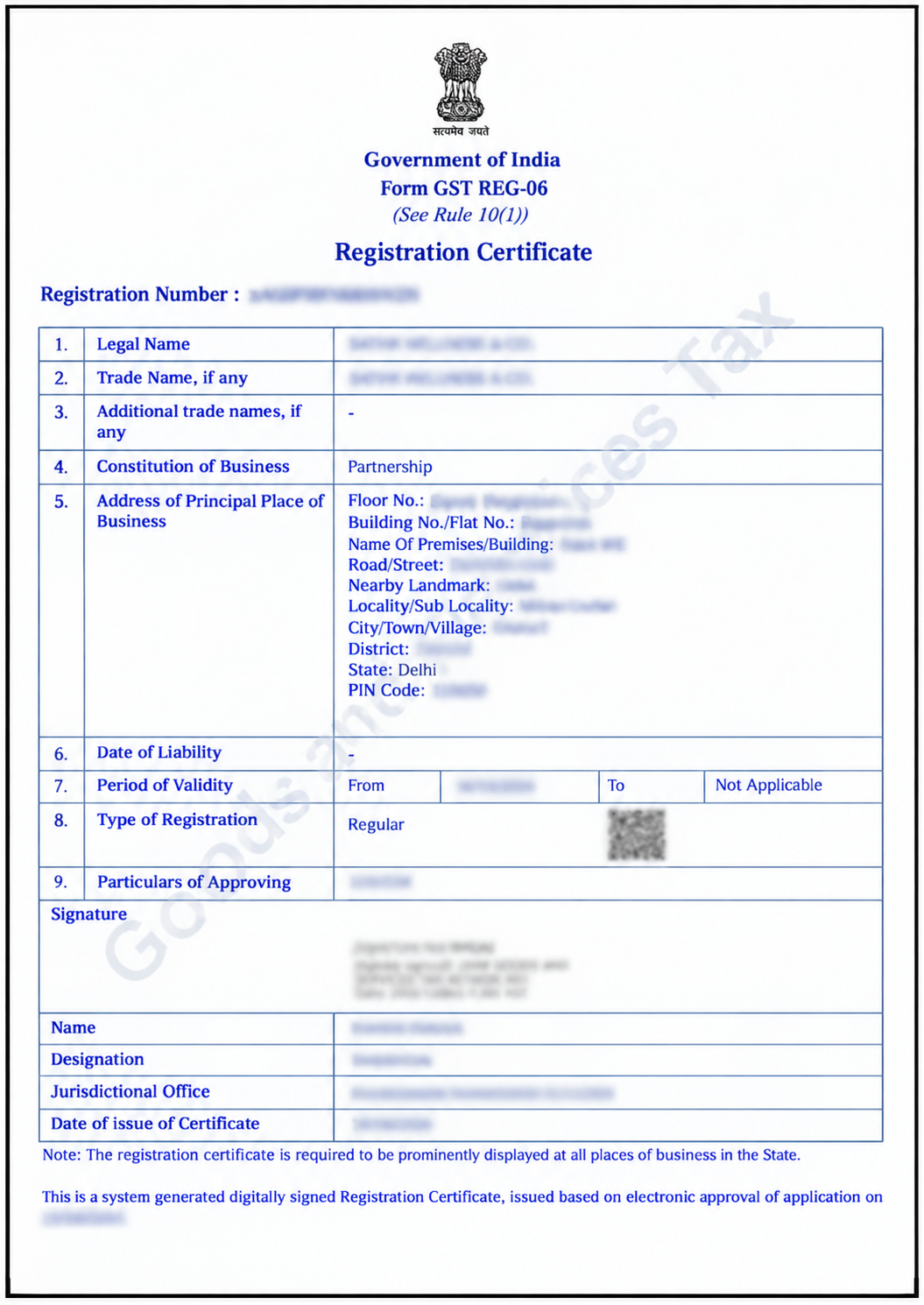
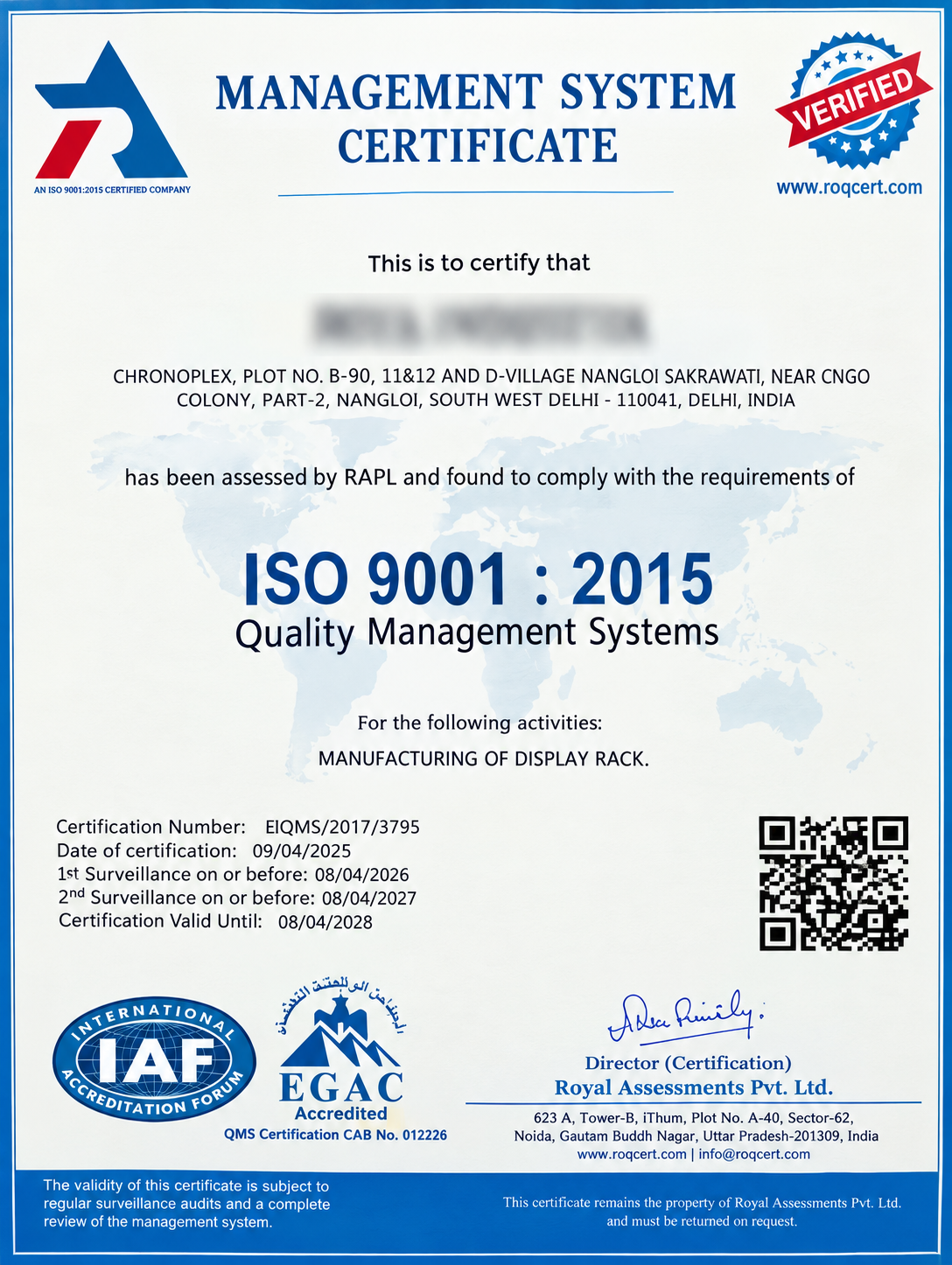
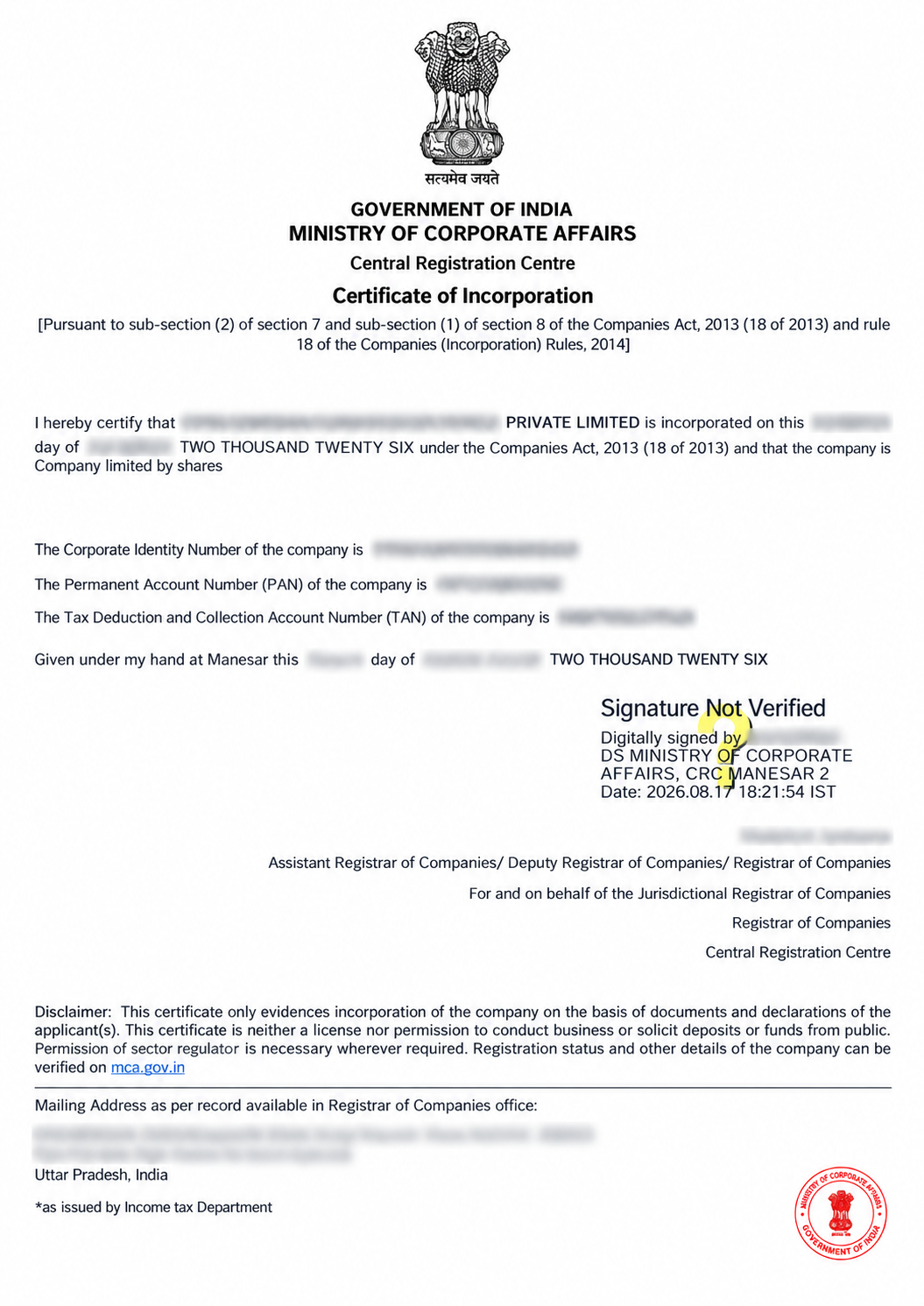
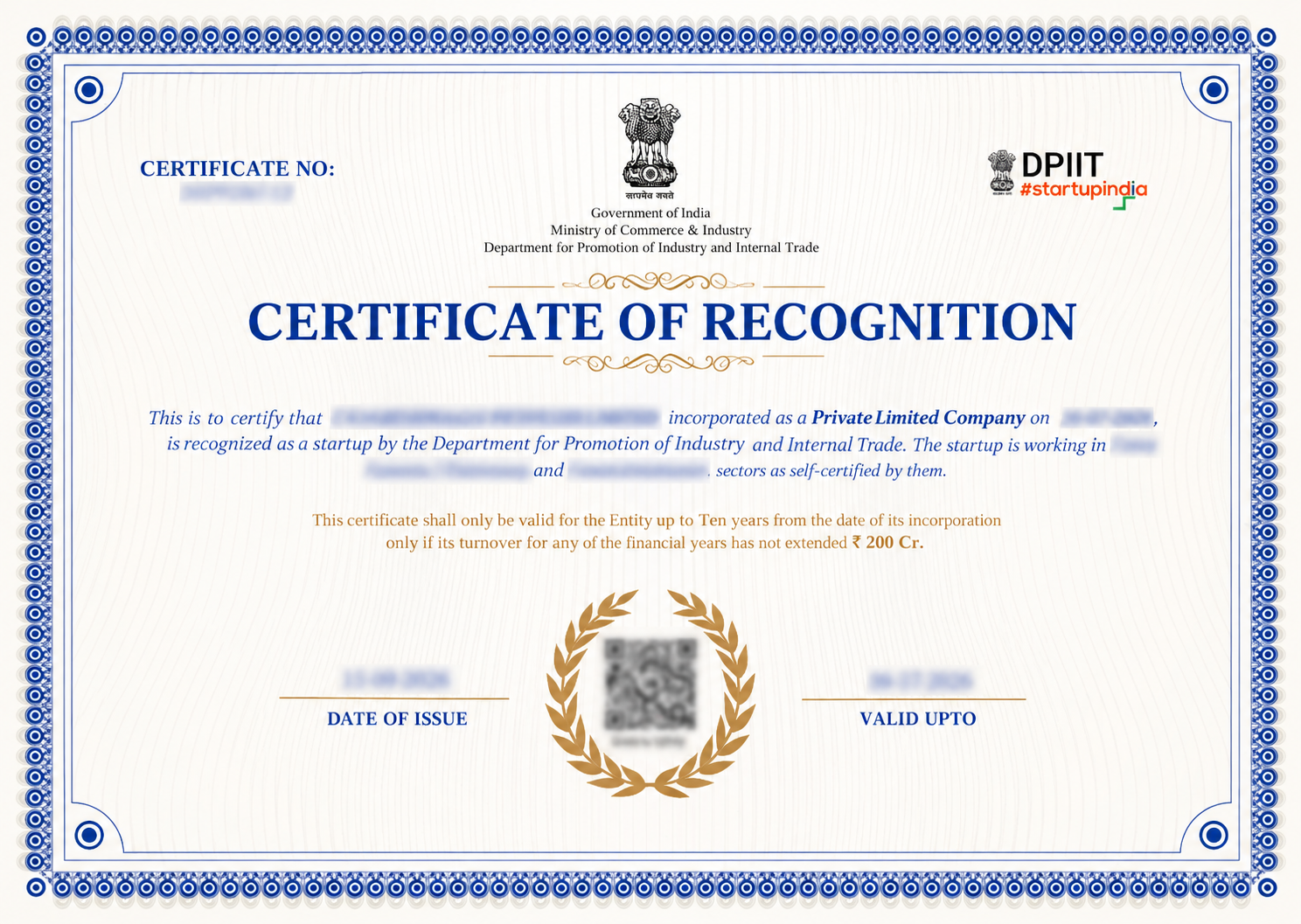
"Explore how Legalstartup has helped businesses reach new heights as their trusted partner."

Thousands of businesses and founders trust LegalStartup.