
Find out if your startup qualifies for the Section 80-IAC tax holiday. A dedicated expert checks eligibility, helps with DPIIT recognition, prepares your application for the Inter-Ministerial Board certificate and guides you on claiming the deduction in your income tax return.
Free call & custom quote · Government dues + professional fee, shown separately
80-IAC tax exemption is a deduction under Section 80-IAC of the Income-tax Act that lets an eligible, certified startup claim relief on the profits of its eligible business for three consecutive years of its choice within a prescribed period.
Last updated: October 2026. Eligibility conditions, cut-off dates, limits and the way the provision is stated can change, including under the new income tax law, so we confirm the current position before you proceed.
Section 80-IAC is the income tax provision behind the startup tax holiday. It does not exempt a startup from tax automatically. First the entity must be recognised as a startup by DPIIT, and then it must obtain a separate certificate from the Inter-Ministerial Board confirming that its business is eligible for the deduction.
The deduction applies to profits from the eligible business, so a startup that is still making losses may see no immediate benefit. Many startups plan the three-year window around the years in which they expect profits, which is why the choice of years matters.
Startup recognition and certification are handled through the Startup India portal (startupindia.gov.in). For tax filing, visit the Income Tax e-filing portal, or see our income tax return filing page.
Eligibility depends on entity type, incorporation date, turnover and the nature of the business.
The most common eligible structure.
Eligible if it meets the same conditions.
The activity must qualify.
Structures and cases that fall outside.
Not sure whether your startup qualifies? Share your incorporation date, structure and business model and our experts will advise free of charge.
Why many early-stage companies pursue the startup tax holiday.
Approved startups can claim a deduction on profits from the eligible business for three chosen years.
Lower tax in profitable years leaves more money to reinvest in product, hiring and expansion.
The certificate shows that a government board reviewed your business as innovative or scalable.
Investors and partners often look favourably on formally recognised and certified startups.
You can choose the three consecutive years that best match your profit timeline.
Going through the process pushes you to organise accounts, turnover records and compliance early.
From eligibility check to claiming the deduction.
Timelines depend on the Board's review. Approval is never guaranteed. Not to scale.
We review your structure, incorporation date, turnover, business activity and how the company was formed.
If you are not yet recognised, we help you apply for startup recognition, which is a prerequisite for the tax certificate.
We collect financial and company documents and draft a clear explanation of your innovation or scalable model with supporting proof.
The application for the Inter-Ministerial Board certificate is filed on the Startup India portal with supporting files.
If the Board asks questions or invites a presentation, we guide you on the reply and what to keep ready.
After approval, we help you plan the three-year window and claim the deduction with audited accounts in the return.
Keep these ready to avoid delays. Our expert will confirm the exact list for your case.
The total has separate parts, and we show them separately so there are no surprises:
Any government fee, such as for recognition, and any tax payable are paid directly to the government.
Our fee depends on the business, whether DPIIT recognition is needed and the support required. Call free for a custom quote before you pay anything.
ITR claim preparation, reapplication after rejection and notice replies are quoted only if you need them.
We share a clear, itemised quote before you begin. Get your free quote →
Choose the situation that matches your startup, or call free for a custom quote.
Startups that are not yet recognised.
DPIIT-recognised startups seeking the tax certificate.
Approved startups, rejected or pending applications.
Our professional fee is quoted after a free call. Government dues are separate. Approval by the Board is never guaranteed, and we cannot promise a tax saving. Not sure which option fits? Ask for a free consultation.
A quick view of the three steps people often confuse.
| Step | Issued or filed with | Purpose | Needed for 80-IAC | Complexity |
|---|---|---|---|---|
| DPIIT recognition | DPIIT, through the Startup India portal | Confirms startup status | Yes, a prerequisite | Low to medium |
| 80-IAC certificate | Inter-Ministerial Board, through the Startup India portal | Approves the business for the tax deduction | Yes | High |
| ITR claim | Income Tax Department, through the e-filing portal | Claims the actual deduction on profits | Yes, after approval | Medium |
Most delays and rejections come from weak applications or wrong assumptions.
The certificate is only the start. The deduction must be claimed and supported.
Keep the approval certificate and application records safe, as they support your claim.
Pick the three consecutive years that suit your profit timeline within the permitted period.
Maintain audited accounts and clear records of profits from the eligible business.
Report the deduction in the relevant schedule of the return and check how MAT or AMT applies.
Keep up ROC, GST and other filings so that your startup status and records stay clean.
Quick answers on 80-IAC tax exemption in India.
Section 80-IAC of the Income-tax Act allows an eligible startup that has an approval certificate from the Inter-Ministerial Board to claim a deduction of its profits from an eligible business for three consecutive years of its choice within a prescribed period. It is often called the startup tax holiday.
An eligible startup is generally a private limited company or LLP incorporated within the notified period, recognised by DPIIT, with turnover within the prescribed limit, engaged in innovation or a scalable business with high potential for employment or wealth creation, and not formed by splitting up an existing business or reusing old plant and machinery beyond the allowed limit. Proprietorships and partnership firms are not eligible.
DPIIT recognition confirms that your entity is a startup under the government's definition. The 80-IAC certificate is a separate approval from the Inter-Ministerial Board that makes the startup eligible for the income tax deduction. DPIIT recognition is a prerequisite, but it does not by itself give the tax exemption.
An approved startup can claim a deduction of its profits and gains from the eligible business for any three consecutive assessment years it chooses within the permitted period. Minimum Alternate Tax or Alternate Minimum Tax may still apply, and the deduction applies only to profits, so a startup with losses may gain no immediate benefit.
After DPIIT recognition, you apply for the tax exemption certificate through the Startup India portal, giving company, funding and business details with supporting documents and an explanation of the innovation or scalability. The Inter-Ministerial Board reviews it and may ask questions or invite a presentation before approving or rejecting it.
Common documents are the certificate of incorporation, the DPIIT recognition certificate, PAN, the MOA and AOA or LLP agreement, financial statements and turnover details, a description of the business and its innovation, and supporting evidence such as a pitch deck, website, patents, trademarks, awards or customer proof. We confirm the exact list for your case.
The time depends on the Inter-Ministerial Board's review, the quality of the application and any queries raised. We prepare the application carefully to reduce back-and-forth, but approval and its timing are decided by the Board and we cannot promise a date or an outcome.
Once you hold the certificate, you claim the deduction while filing the income tax return for the chosen years, in the relevant schedule, supported by audited accounts and the certificate details. Companies usually file ITR-6 and LLPs ITR-5. We compute the eligible profit and guide you through the claim.
If the application is rejected, we review the reasons and advise whether it can be strengthened and filed again, or whether another route suits you better. For a pending application, we help you respond to queries and keep your records ready.
Our professional fee depends on whether you also need DPIIT recognition, the complexity of the business, and the support needed for the certificate application and the ITR claim. Any government fee or tax is separate from our fee. We share an itemised quote after a free call.
Want to know if your startup can claim 80-IAC tax exemption? Speak to our expert today – the consultation and the quote are free.
Tell us what you need and our team will get back to you with the right guidance.
Legalstartup ke certificates, registrations aur recognitions jo hamari credibility dikhate hain.
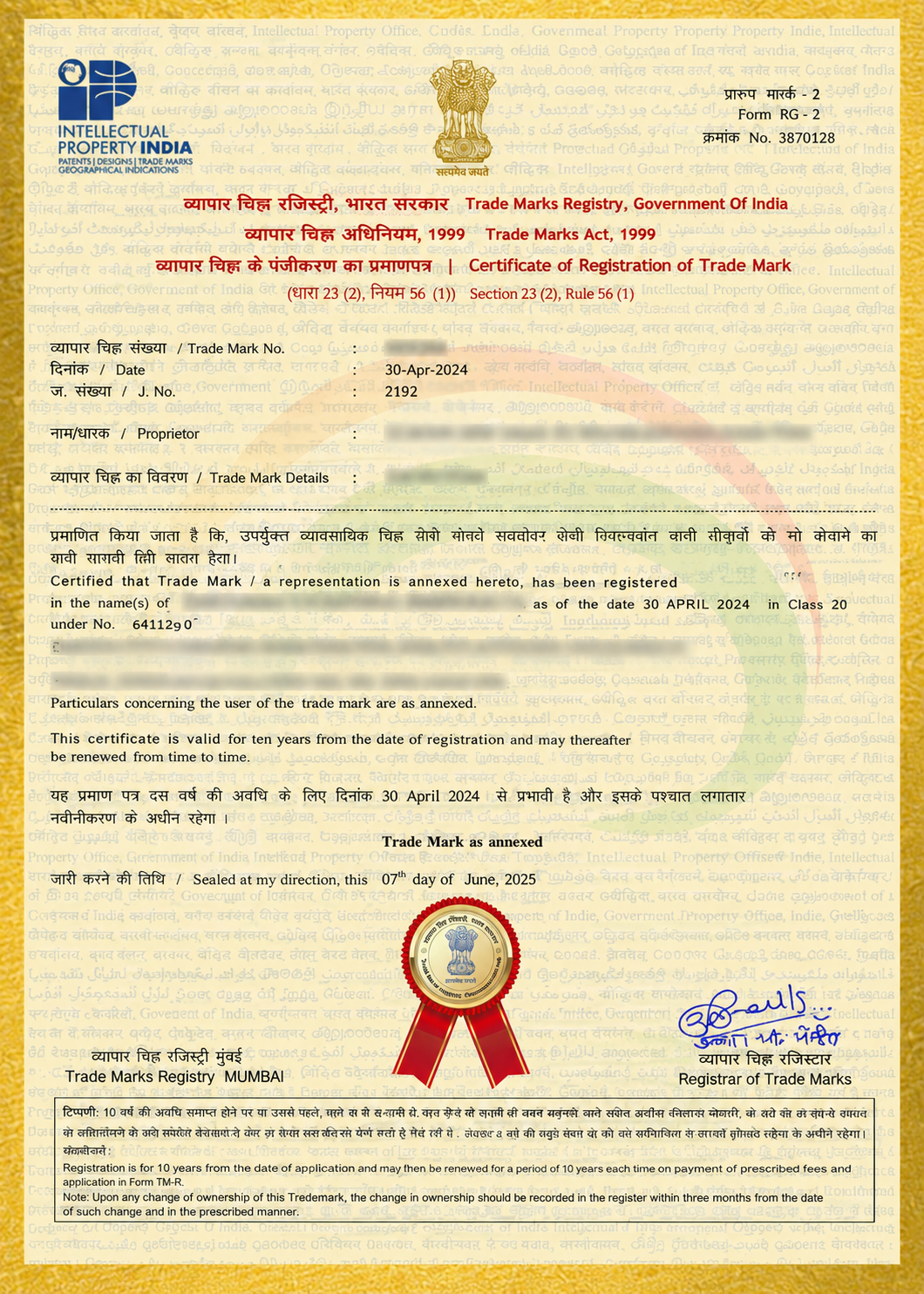
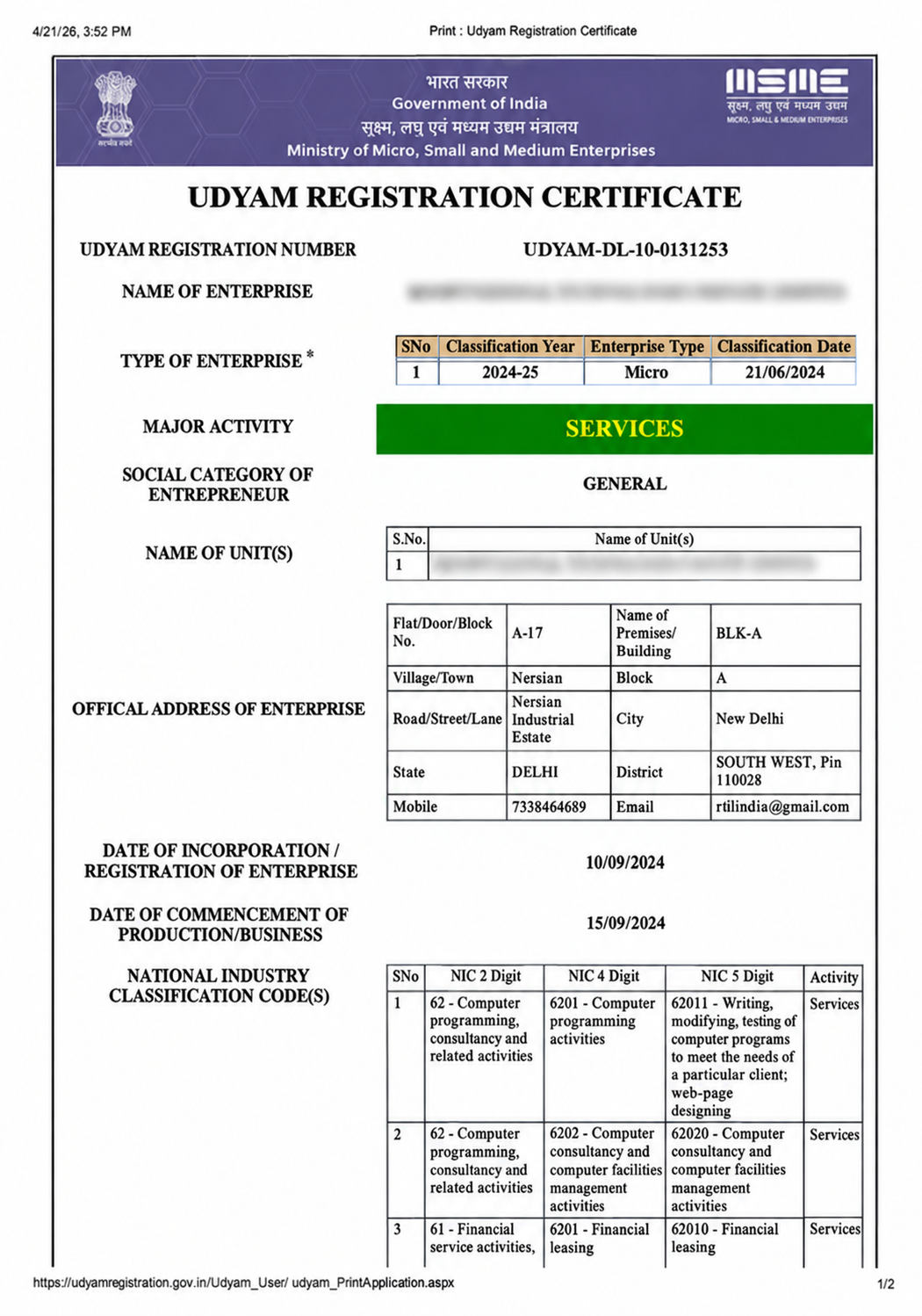

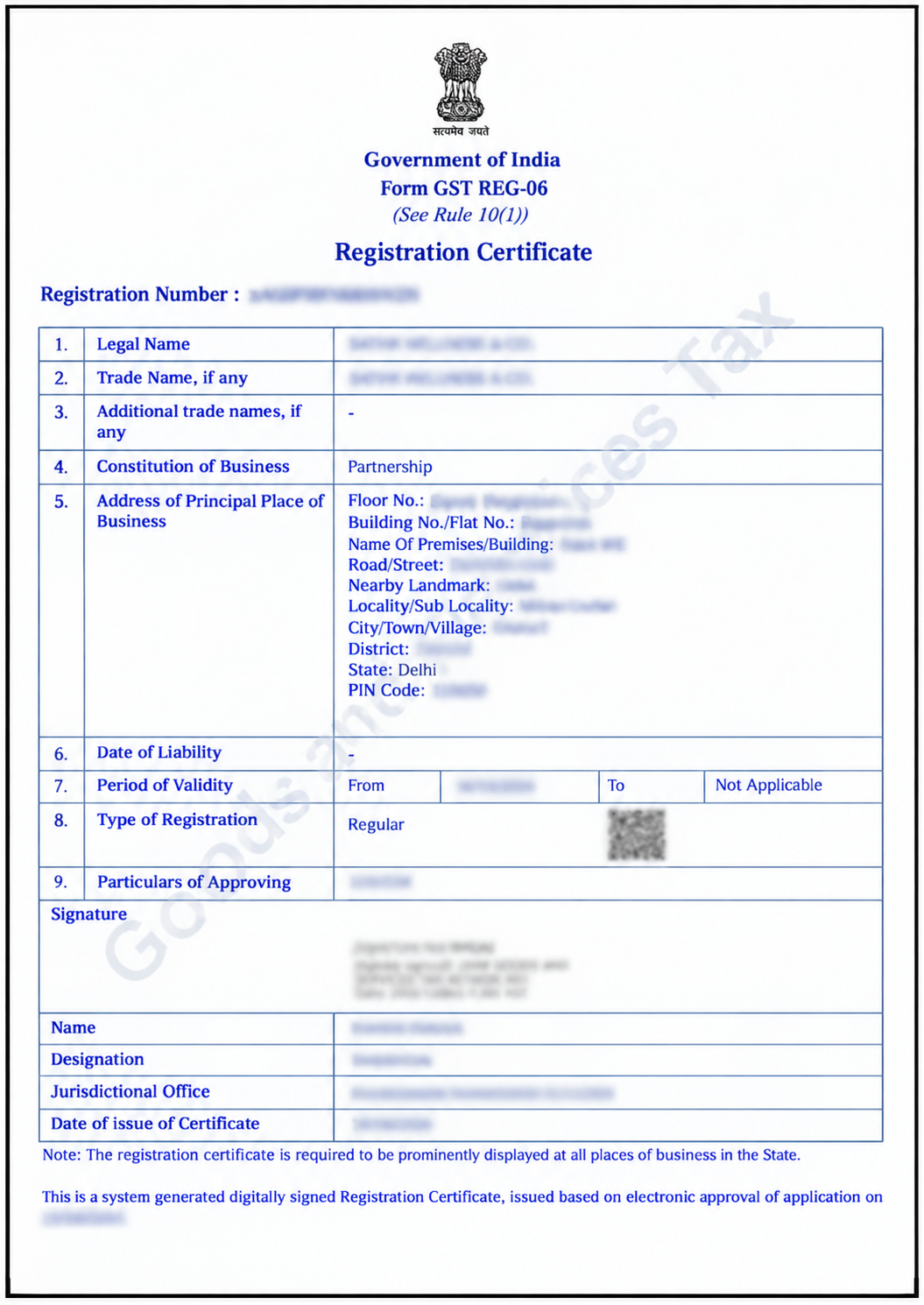
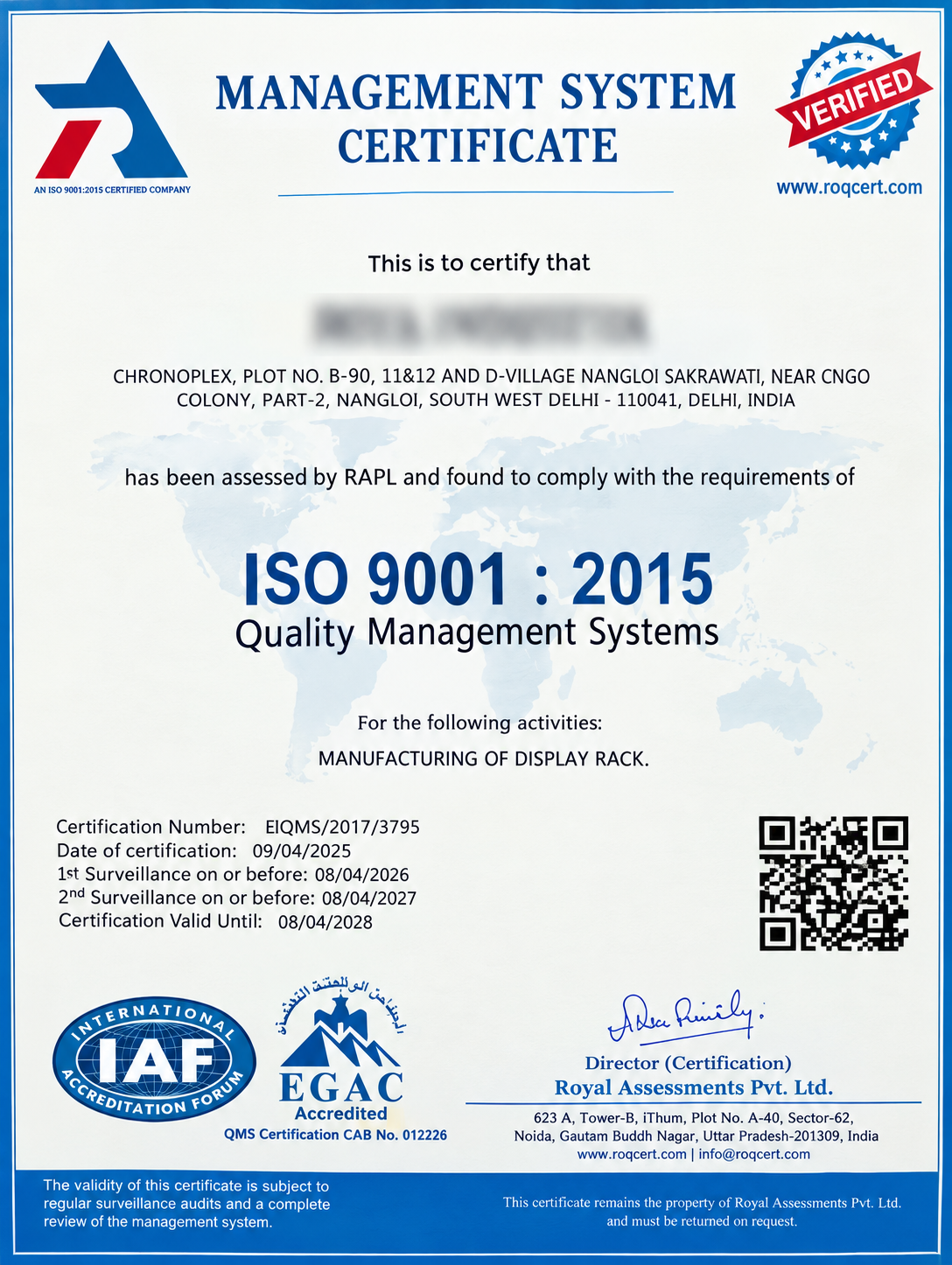
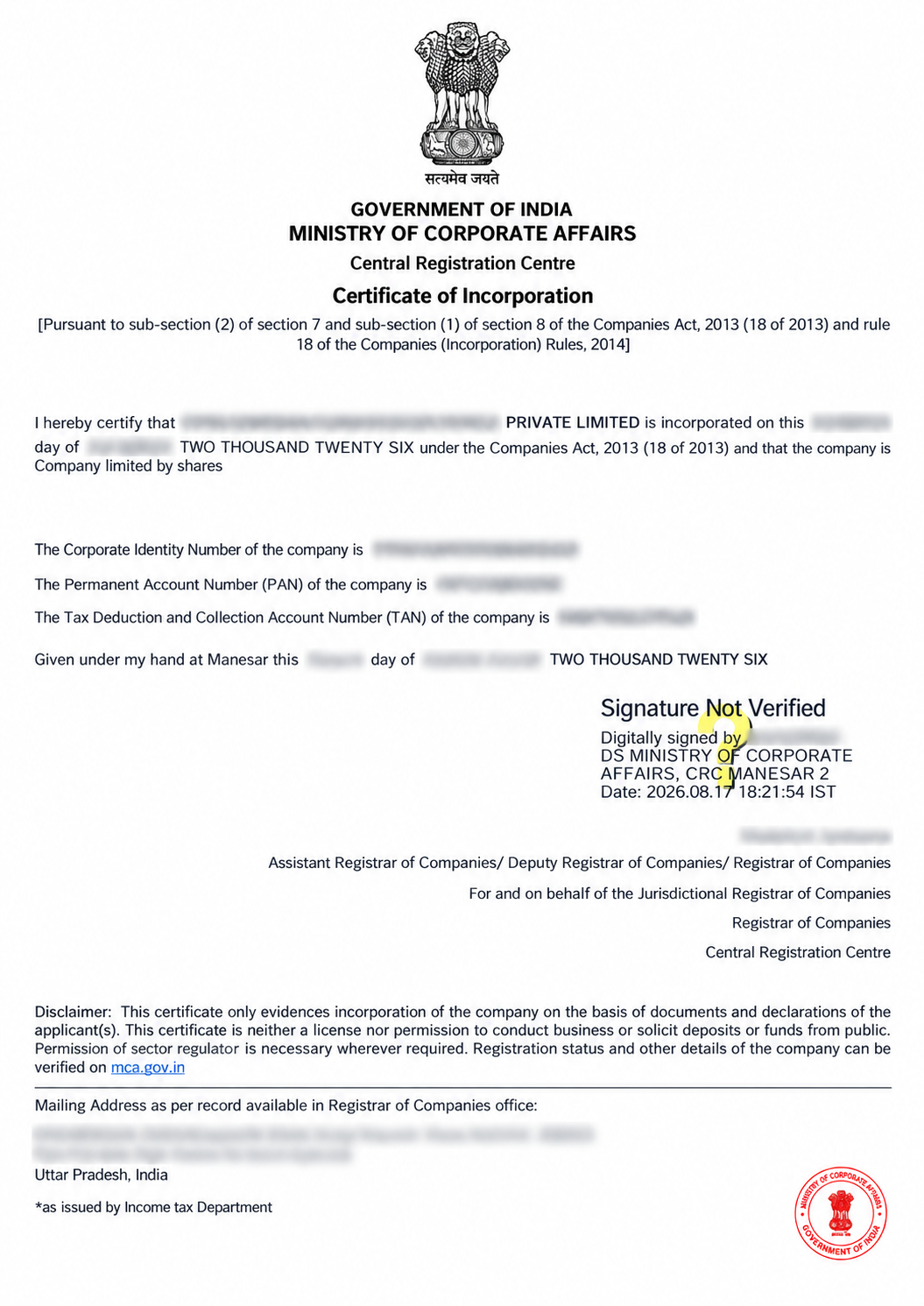
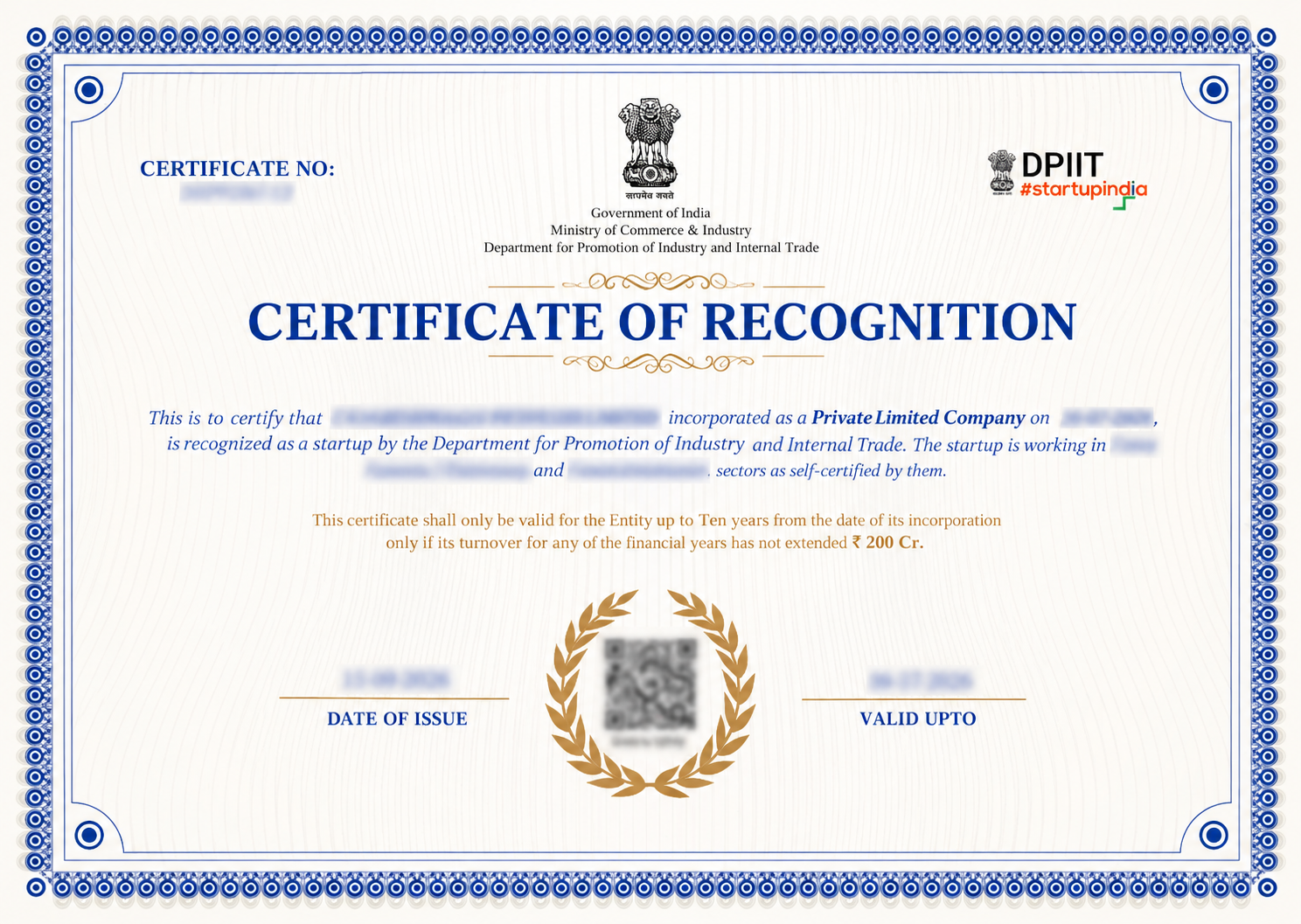
"Explore how Legalstartup has helped businesses reach new heights as their trusted partner."

Thousands of businesses and founders trust LegalStartup.