
Protect your ideas, data and business information with a clear NDA. A legal expert understands what you are sharing and with whom, drafts or reviews the confidentiality terms, and guides you on stamp duty and signing so the agreement can be relied on.
Free call & custom quote · Quote shared before you pay anything
An NDA agreement, or non-disclosure agreement, is a contract in which one or more parties promise to keep specified information confidential and to use it only for a stated purpose. India has no separate NDA statute, but an NDA is enforceable as a contract under the Indian Contract Act, 1872, so clear wording, correct stamping and proper signatories matter.
Last updated: October 2026. Laws and state stamp rules vary and can change, and each situation is different, so we confirm the current position for your case before drafting.
An NDA is signed before you share sensitive information such as a business idea, customer data, source code, pricing, designs or financial details. It says what counts as confidential, who may see it, what it may be used for and how long the duty of secrecy lasts. If the other side leaks or misuses the information, the NDA gives you a written basis to seek an injunction or damages.
NDAs can be one-way, where only one party shares information, or mutual, where both do. Most NDAs also list exclusions, such as information that is already public or independently developed. Two points deserve care. A clause that stops someone from working for a competitor after leaving a job is generally not enforceable under Section 27 of the Indian Contract Act, 1872, although confidentiality duties can continue. And if personal data is shared, the Digital Personal Data Protection Act, 2023 may also apply.
An NDA protects secrecy, not ownership. To protect a brand, name or logo, see our trademark registration online service. For the text of Indian laws, you can refer to the Legislative Department, Government of India. If you are recording an early-stage deal, see our MOU agreement online service.
What every party should know before signing an NDA.
The right NDA depends on who shares information and why.
You are sharing your idea, product or numbers with a funder.
People working with you will see sensitive business data.
A service provider will handle your data or processes.
Two businesses exchange information while exploring a deal.
Developers or designers will see your product and source material.
A buyer or adviser reviews your records before a transaction.
Not sure whether you need a one-way or mutual NDA? Tell us who is sharing what, and our experts will suggest the right type, free of charge.
Why businesses sign an NDA before sharing information.
Ideas, data and processes are covered by a written duty of confidence.
Both sides can discuss openly knowing the rules are agreed.
A signed NDA supports a claim for an injunction or damages if there is a breach.
Information may be used only for the stated purpose, nothing more.
A defined list of confidential material avoids later arguments.
A professional approach to confidentiality is expected by serious partners.
Share details from anywhere in India without visiting an office.
From first call to signed NDA, here is how drafting works.
Timelines depend on how quickly details are shared and on negotiation with the other party. Not to scale.
Tell us what information is involved, who will receive it and for what purpose.
We decide with you whether a one-way, mutual or multi-party NDA fits, and how long the duty should last.
The NDA is drafted with a clear definition, permitted use, exclusions, remedies and governing law.
You and the other party review the draft, and we update it until it reflects what was agreed.
We explain the stamp duty for your state and whether e-signing is suitable for your NDA.
All parties sign, each keeps a copy, and we note the duration and key obligations for you to track.
Keep these ready to avoid delays. Our expert will confirm the exact list for your case.
The total cost of an NDA depends on whether it is one-way, mutual or multi-party, how specific the terms must be and whether stamping is needed. It generally has three parts:
Covers understanding your needs, drafting or vetting the NDA and the rounds of changes. It varies with complexity, so we share a quote after a free call.
Stamp duty is set by the state and depends on the document. We guide you on the current amount for your state.
Extra parties, many employee NDAs, a related services agreement and urgent turnaround are separate, if you need them.
We share a clear, itemised quote before you begin – no hidden charges. Get your free quote →
Choose the situation that matches your need, or call free for a custom quote.
You need a new NDA before sharing information.
Someone sent you an NDA and wants it signed.
Several parties, a team or a set of contractors.
Our professional fee is quoted after a free call. Stamp duty is separate and set by law. An NDA cannot guarantee that information will never be leaked, but it gives you a basis for legal action. Not sure which option fits? Ask for a free review.
If you are about to share information that is valuable or sensitive, sign an NDA first.
Share your idea and plans with investors, advisers and early partners safely.
Protect pricing, customer lists and processes when working with others.
Bind staff and contractors to confidentiality about your business.
Clients often ask for an NDA, and you may need one to protect your methods.
Receive financial and business information on clear confidentiality terms.
Show prototypes and designs to manufacturers and partners with safeguards.
A quick view of how an NDA differs from related documents. Ask us which one fits your situation.
| Document | What it is | Binding? | Best for | Watch out for |
|---|---|---|---|---|
| NDA | Contract to keep specified information confidential | Yes, as a contract | Before sharing sensitive information | Vague definitions weaken protection |
| MOU | Records shared understanding and basic deal terms | Depends on the wording | Early stage of a partnership or deal | Does not replace a confidentiality clause |
| Confidentiality clause in a contract | Secrecy terms inside a larger agreement | Yes, as part of that contract | When the deal is already agreed | No protection before the contract is signed |
| Non-compete clause | Restricts working with competitors | Limited; post-exit restraints are generally not enforceable | Restrictions during the term of a contract | Section 27 of the Contract Act |
Clear definitions, sensible duration and proper signing prevent most problems.
Signing is the start. Here is how to keep the NDA effective.
Each party should keep a stamped, signed copy and note the start date and duration.
Disclose on a need-to-know basis, mark documents as confidential and keep a record of what was shared.
Collect proof of the leak and consider a legal notice and, where needed, a court injunction.
When the purpose ends, ask for return or destruction and remember which duties continue after expiry.
If someone breaches your NDA, see our legal notice online service. For shareholder-level confidentiality and control terms, see our shareholders agreement service.
Quick answers on NDAs in India.
An NDA, or non-disclosure agreement, is a contract in which one or more parties agree to keep specified confidential information private and to use it only for a stated purpose. It is also called a confidentiality agreement.
Yes. There is no separate NDA statute in India, but an NDA is a contract and is enforceable under the Indian Contract Act, 1872 when it meets the requirements of a valid contract. A court can award damages or grant an injunction against a breach.
In a one-way NDA only one party discloses confidential information and the other receives it. In a mutual NDA both parties share information and both are bound. Mutual NDAs are common in partnerships and joint discussions.
A definition of confidential information, the parties, the purpose of disclosure, obligations of the receiving party, exclusions such as public domain information, duration, return or destruction of information, remedies, governing law and jurisdiction, and signatures.
There is no fixed period. Two to five years is common for business information, and trade secrets are often protected for as long as they remain secret. The duration should be stated clearly in the agreement.
Stamp duty depends on the stamp law of the relevant state, and an insufficiently stamped document may not be accepted as evidence until duty and penalty are paid. Registration is generally not required for an NDA. We guide you on what applies to your state.
Usually information that is already public, was already known to the receiving party, was lawfully received from a third party, was independently developed, or must be disclosed by law or court order. A good NDA states these exclusions.
An NDA can stop an employee from sharing confidential information, but a clause that bars working for a competitor after leaving employment is generally not enforceable under Section 27 of the Indian Contract Act, 1872. Confidentiality duties can still continue after the job ends.
The affected party can send a legal notice, seek an injunction to stop further disclosure and claim damages, depending on the agreement and the facts. Keeping records of what was shared and how the breach happened is important evidence.
The cost depends on whether the NDA is one-way, mutual or multi-party, and on how specific the terms must be. We do not publish a fixed price; call free and we share an itemised quote before you pay anything.
Need an NDA drafted or reviewed? Speak to our legal expert today – the first consultation and the quote are free.
Tell us what you need and our team will get back to you with the right guidance.
Legalstartup ke certificates, registrations aur recognitions jo hamari credibility dikhate hain.
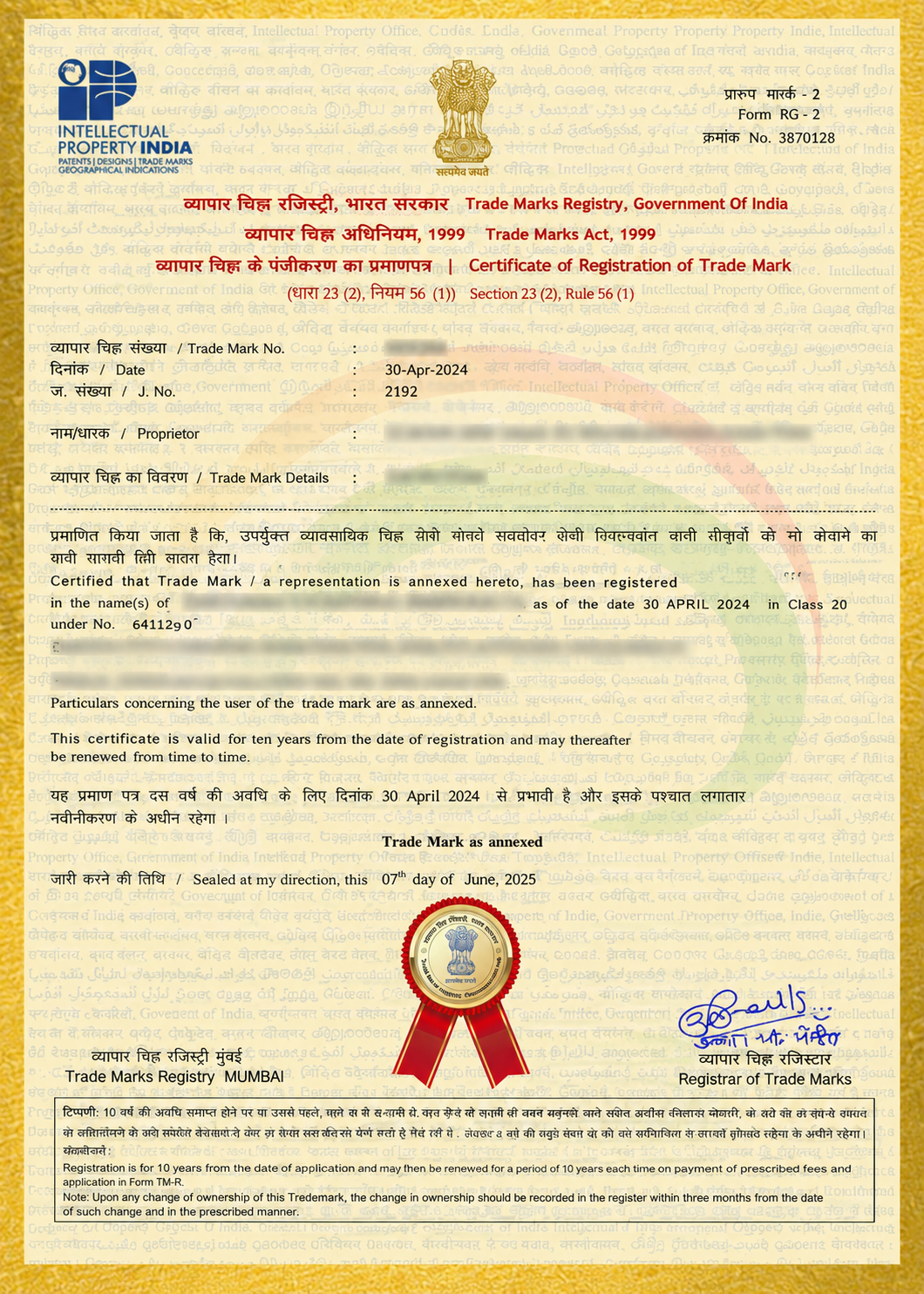
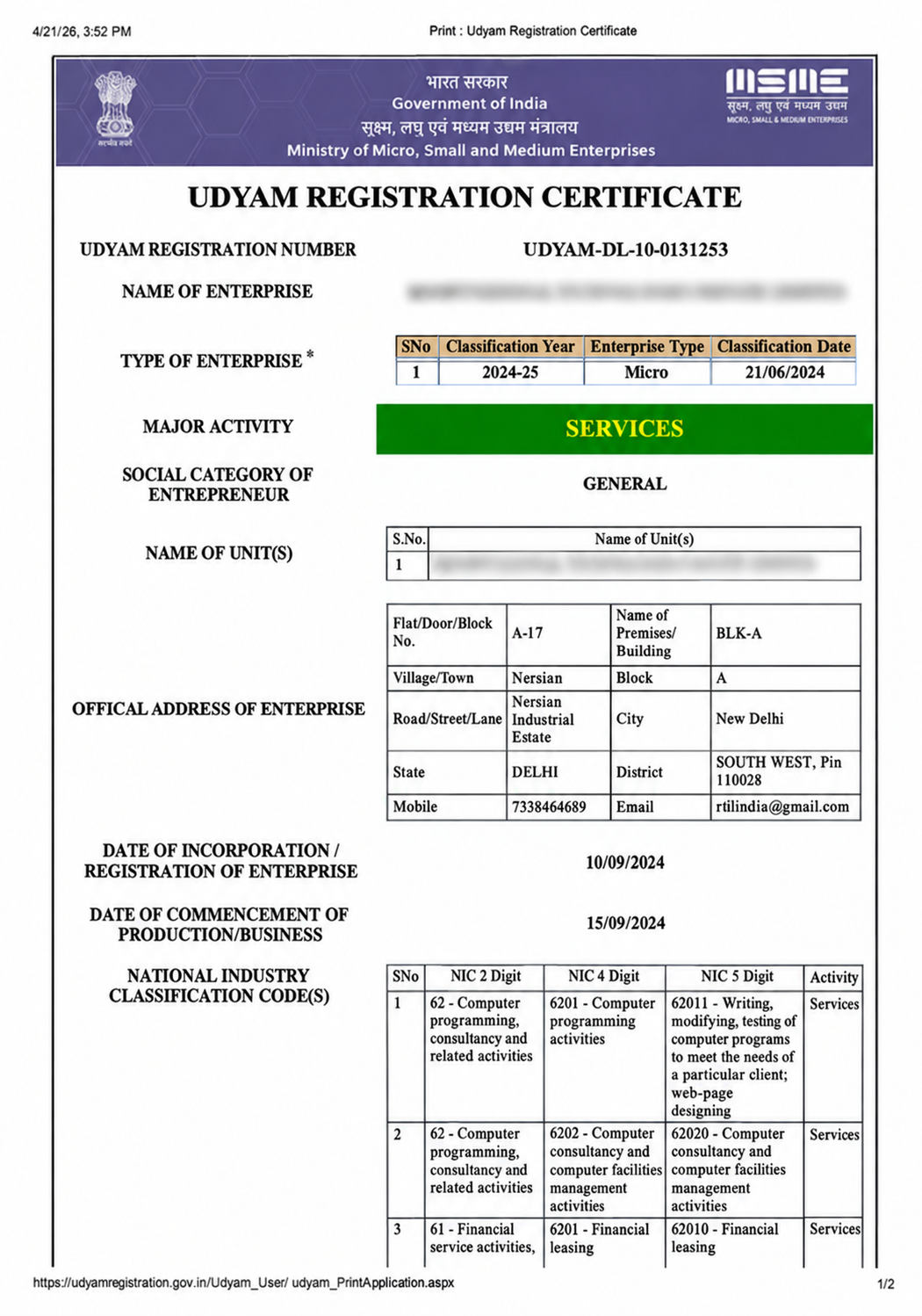
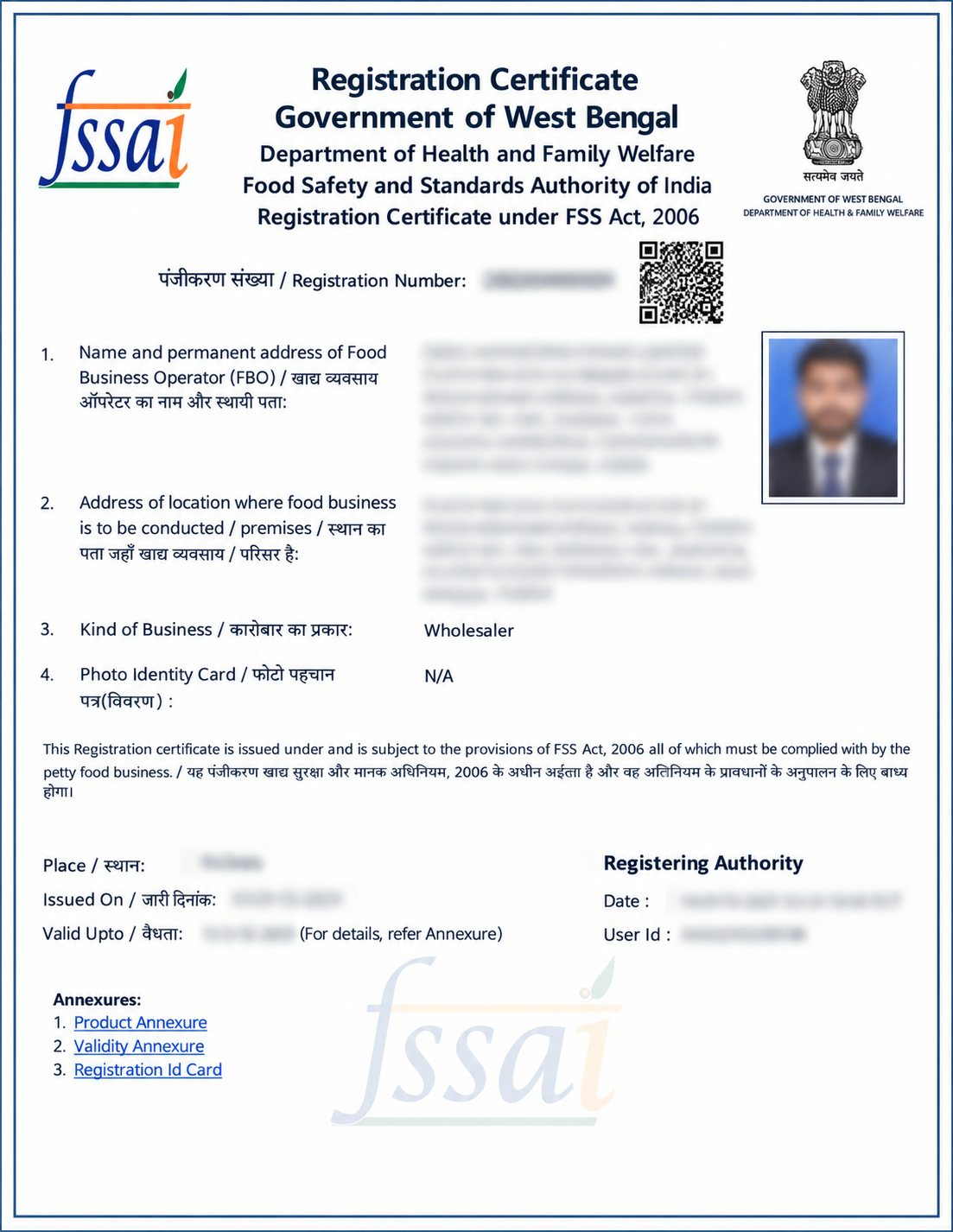
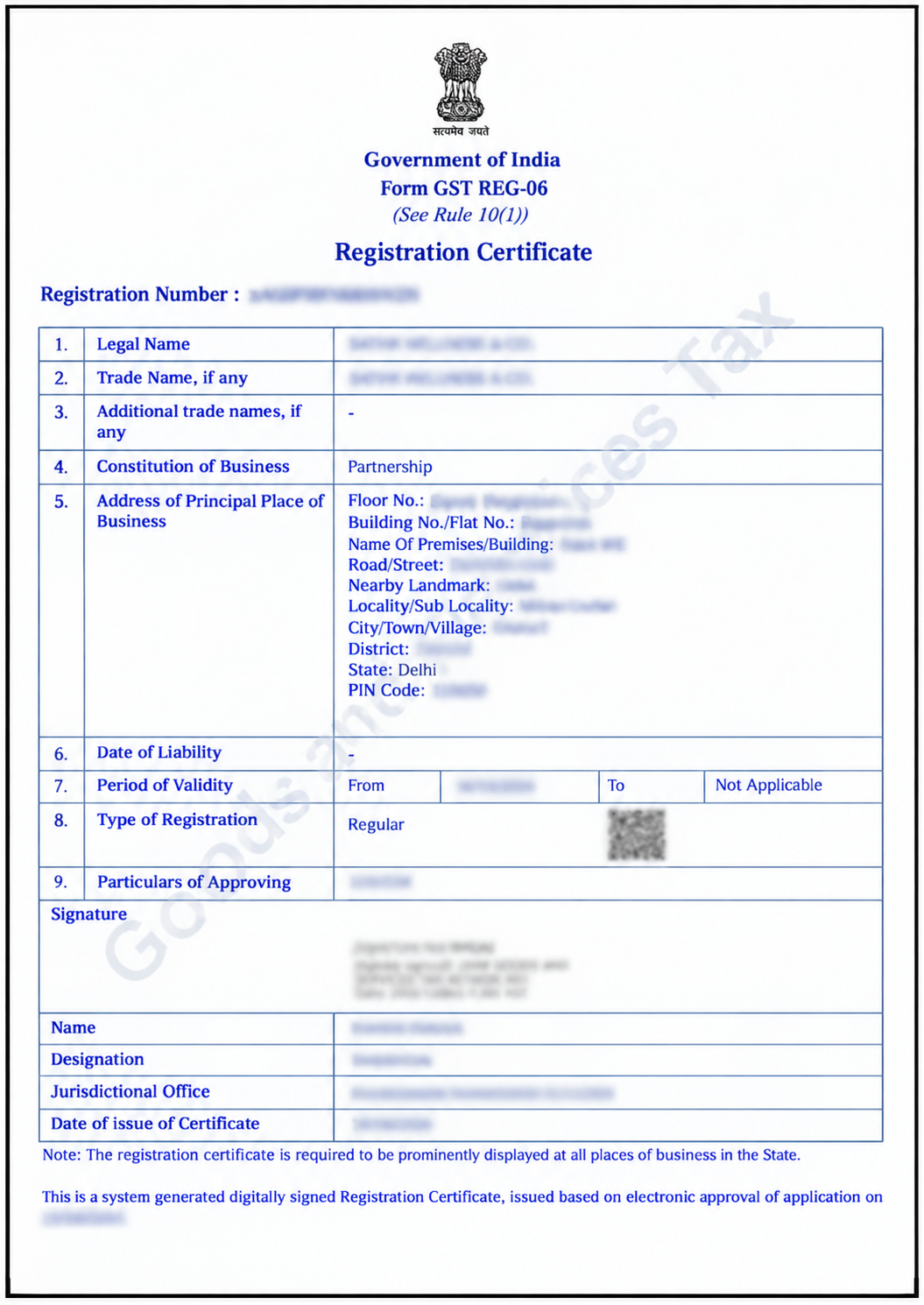
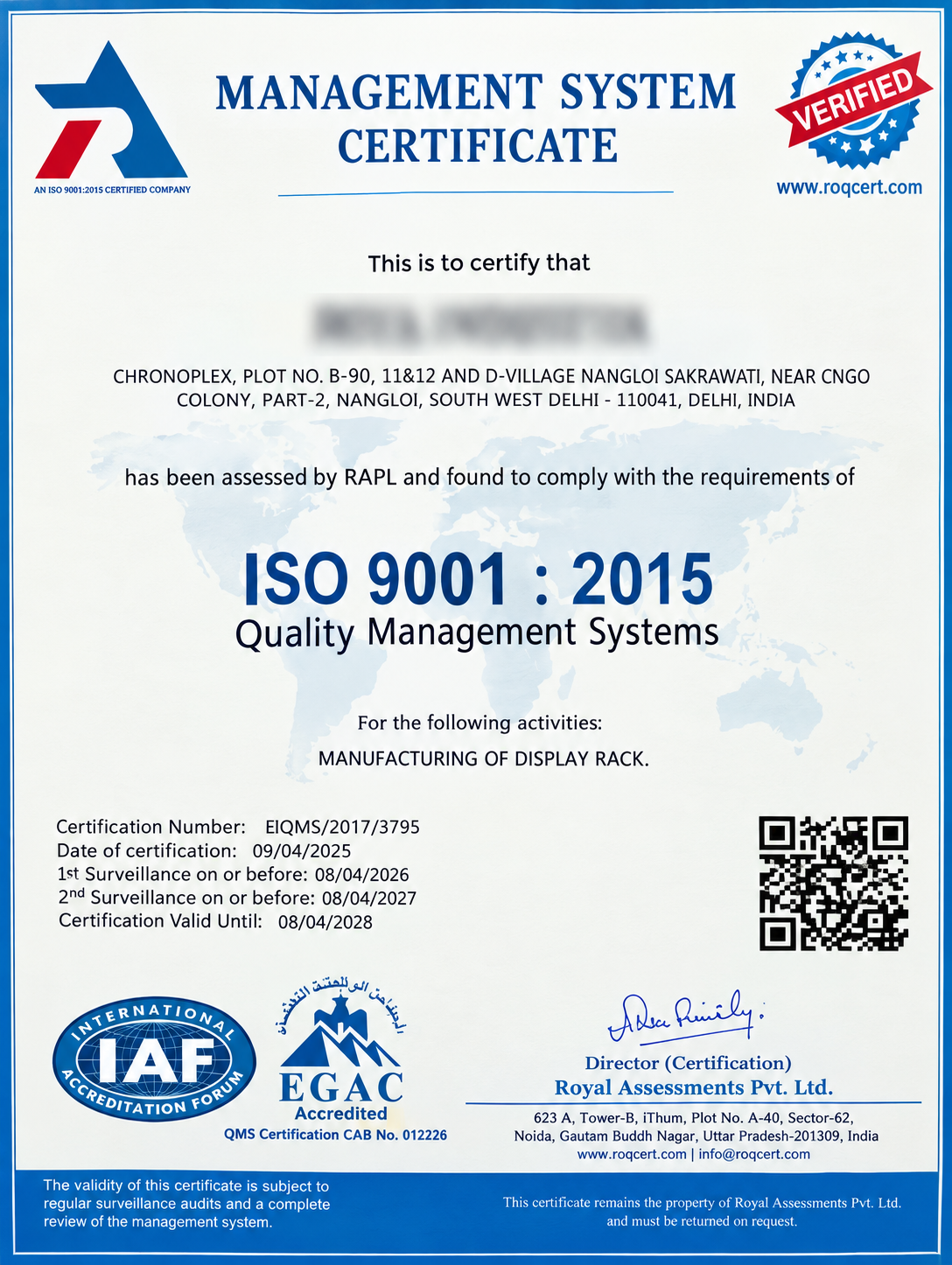
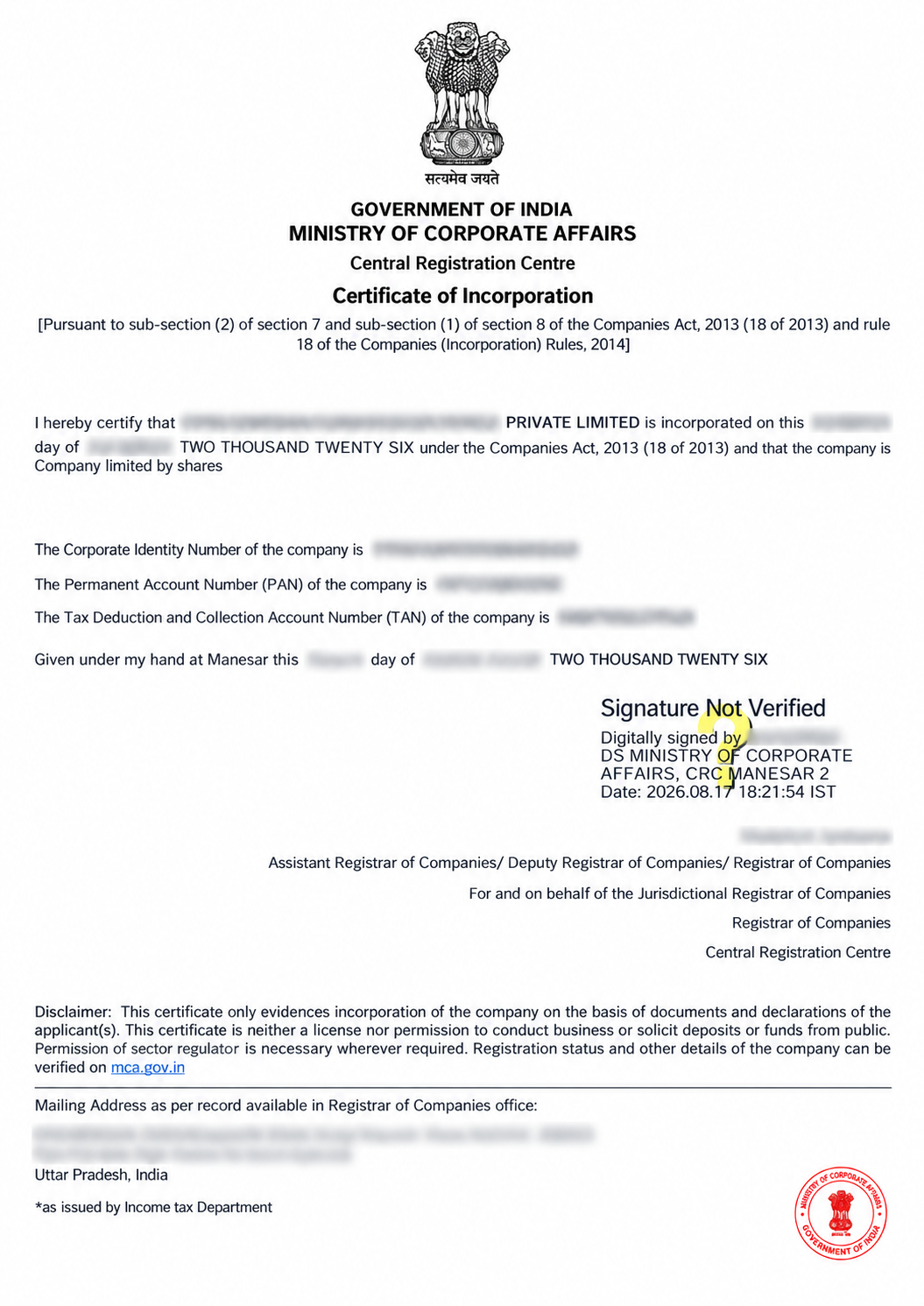
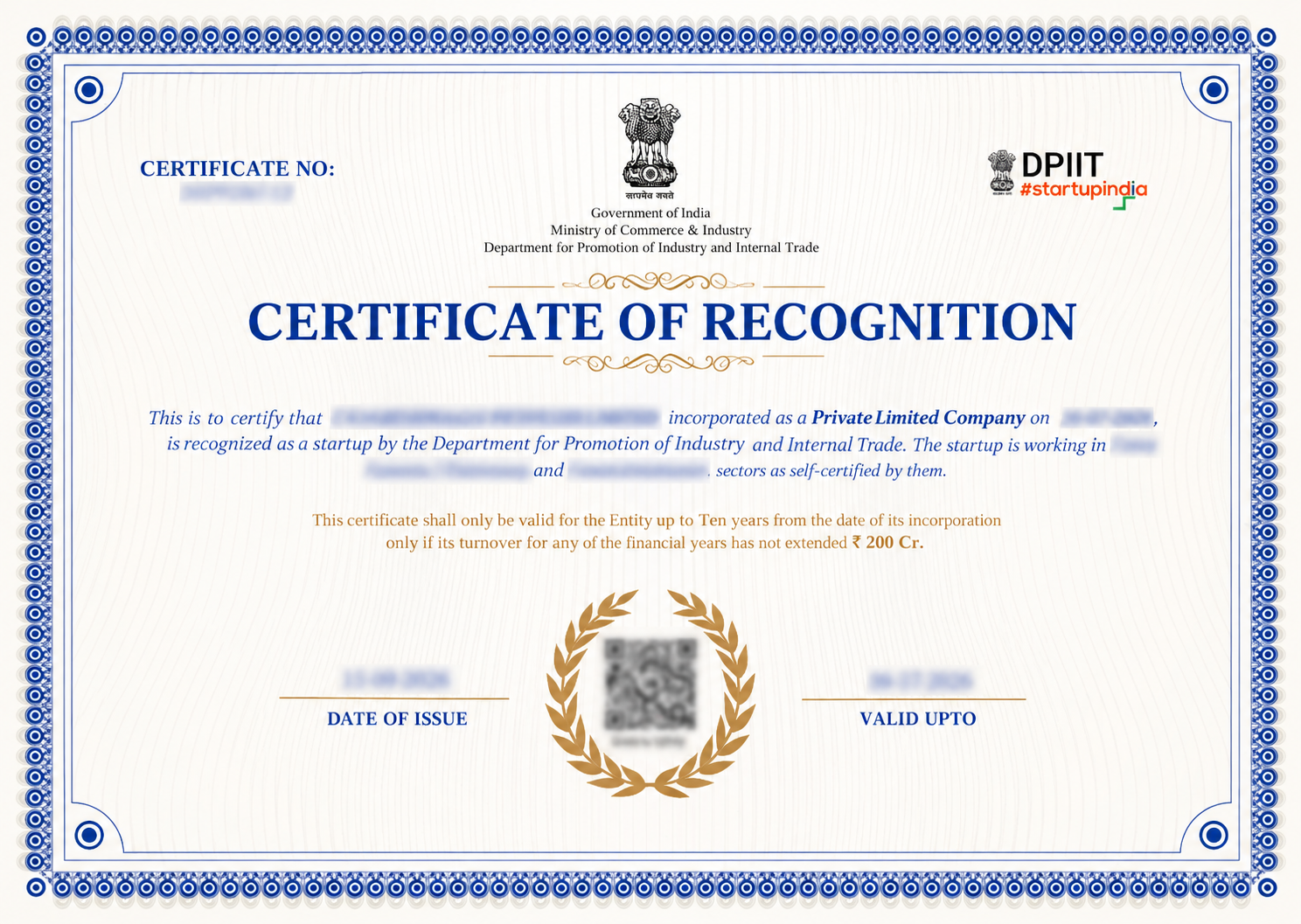
"Explore how Legalstartup has helped businesses reach new heights as their trusted partner."

Thousands of businesses and founders trust LegalStartup.