
Plan your startup the right way with Legal Startup. A dedicated expert helps you shape the business model, choose the right structure, complete registrations, prepare a budget and funding plan, protect your brand and set up compliance from day one.
Free call & custom quote · Professional fee + government fee, where applicable
Startup planning is the process of turning a business idea into a clear, costed roadmap before and during launch. In India it covers validating the market, defining the business model, choosing a legal structure, completing registrations, budgeting, funding, protecting your brand and setting up compliance, so that you spend money in the right order and avoid avoidable legal and tax problems.
Last updated: October 2026. Eligibility rules, fees, forms and scheme benefits can change, so we confirm the current position before filing.
Startup planning is the groundwork that sits between an idea and a running business. It answers practical questions: who is the customer, how will the business earn, which legal entity should hold it, which registrations are needed, how much cash is required, who owns what among the founders, and what must be filed every month and year.
Good planning is not a long document for its own sake. A founder working alone may need a short roadmap and the right registration. A team planning to raise equity funding will need more: a financial model, a clean company structure, a founders' agreement and protected intellectual property. The depth should match your stage and goals.
Early decisions are hard to reverse. The wrong structure, an unprotected brand name or missing founder agreements can cost far more later than they cost to set up correctly. For official information on the Startup India initiative, visit startupindia.gov.in; for company and LLP incorporation, see the Ministry of Corporate Affairs. To protect your brand, see our trademark registration online service.
Basic structural limits that influence early startup decisions.
Use the full roadmap or pick the areas where you need expert input.
Test whether the problem is real and the market is worth entering.
Define how the business creates, delivers and earns value.
Choose the entity and complete the legal setup.
Know how much you need and how long it will last.
Match the funding route to your stage and structure.
Protect the brand and keep the business compliant.
Not sure where to begin? Share your idea and stage, and our experts will suggest a starting point free of charge.
Why founders plan before they spend.
Know what to do first, what can wait and what it will cost.
A budget and runway view helps you avoid running out of money early.
Pick an entity that suits liability, tax and funding goals.
Secure the name and logo before you invest in marketing.
Clean incorporation, records and agreements make due diligence smoother.
A compliance calendar helps you avoid late fees and notices.
Plan and complete registrations from anywhere in India.
From first call to launch roadmap, here is how startup planning works with us.
Timelines depend on your stage, how quickly decisions are made and government processing times. Not to scale.
We help you state who the customer is, what problem you solve, and how you will know the idea works.
We look at competitors, pricing and the way the business earns, so assumptions are visible and testable.
We compare proprietorship, LLP, one person company and private limited company against your goals.
Incorporation, PAN, TAN, bank account, GST, Udyam and other registrations are planned in the right order.
We outline one-time and monthly costs, the runway you need, and the funding routes that fit your stage.
Trademark filing, founders' agreement guidance, accounting setup and a compliance calendar complete the plan.
Keep these ready to save time. Our expert will confirm what is needed for your stage.
The cost of startup planning depends on your stage, the structure you choose and how much support you need. It generally has three parts:
Based on the scope, from a short roadmap to full launch support. Call free for a custom quote before you pay anything.
Incorporation, stamp duty and filing fees depend on the entity type, capital and state. They can change, so we confirm them before filing.
Trademark filing, agreements, digital signatures, licences and ongoing compliance are charged separately.
We share a clear, itemised quote before you begin – no hidden charges. Get your free quote →
Choose the option that matches your stage, or call free for a custom quote.
You have an idea and need a clear path to a legally set-up business.
You plan to raise money and need your records and plan to hold up to scrutiny.
Your startup is running and needs ongoing structure as it scales.
Our professional fee is quoted per scope after a free call. Government fees are separate and depend on the entity and state. We do not guarantee funding or business outcomes. Not sure which option fits? Ask for a free review.
If you are about to spend money or sign something for your business, plan first.
Get a clear sequence of steps instead of guessing what to do first.
Decide between proprietorship, one person company and other structures.
Settle equity, roles and agreements before disputes arise.
Prepare a structure, records and plan that investors expect.
Move from personal income to a structured, compliant business.
Fix gaps in structure, brand protection and compliance before scaling.
A quick view of common structures. The right one depends on your goals, so ask us before you decide.
| Structure | Best for | People needed | Liability | Funding fit |
|---|---|---|---|---|
| Proprietorship | Very small, low-risk businesses | 1 owner | Unlimited; no separate legal entity | Limited |
| Partnership firm | Small businesses with partners | 2 or more partners | Unlimited, joint | Limited |
| LLP | Professional and service teams | 2 partners minimum | Limited to agreed contribution | Moderate |
| One person company | Solo founders wanting a company | 1 person and a nominee | Limited | Limited |
| Private limited company | Startups planning to raise equity | 2 directors and 2 shareholders minimum | Limited | Strongest |
Most early problems come from skipped basics, not from lack of ambition.
A plan only works if it is reviewed. Here is what typically follows.
Start trading with the entity, bank account and tax registrations ready.
Update accounts, compare actual spending with the budget and watch runway.
Check milestones, adjust assumptions and update the funding plan if needed.
Complete annual compliance and note the trademark renewal date well in advance.
Already have a registered brand? See our trademark renewal online service, or read about trademark hearing online if your application is under objection. For accounts and tax support, see our online CA services. For local support, see our pages for trademark registration in Dwarka and Jaipur.
Quick answers on startup planning in India.
Startup planning is the process of turning a business idea into a workable roadmap. It covers market validation, business model, legal structure, registrations, budget, funding, intellectual property and compliance, so that the founders know what to do, in what order, and at what cost.
Validate the problem and market, define the business model, choose a legal structure, complete registrations, prepare a budget and funding plan, protect your brand, set up accounting and compliance, and then launch and review the plan regularly.
A written plan is not a legal requirement for starting a business, but it helps you test your assumptions and is usually expected by investors, banks and incubators. It can be short and should be updated as the business learns.
It depends on your goals. A private limited company is commonly chosen by startups planning to raise equity funding. An LLP or one person company can suit smaller teams or solo founders, and a proprietorship is the simplest but offers no separate legal identity. We compare these for your case.
This depends on the structure and activity. Typically it includes incorporation or LLP registration, PAN and TAN, a current bank account, GST if applicable, Udyam registration for eligible businesses, and any state or industry licence. Some startups also apply for DPIIT recognition.
DPIIT recognition is granted under the Startup India initiative to eligible startups. Benefits can include access to certain schemes and tax or compliance related provisions. Eligibility conditions, such as entity type, age and turnover, are set by the government and can change, so check the current criteria before applying.
There is no single figure. The amount depends on your product, team, tools, marketing, registrations and how many months of runway you want. A good plan lists one-time costs, monthly costs and the cash needed until revenue becomes steady.
Common routes include founder savings, friends and family, angel investors, venture capital, bank loans and government-supported schemes. The right route depends on your stage and structure, and investors usually expect proper incorporation, clean records and a clear cap table.
Ideally early, once the brand name and logo are decided and before major marketing spend. A registration protects the brand name against copycats and makes the brand a stronger asset. A registered trademark in India is valid for 10 years and can be renewed.
Typical compliance includes accounting and bookkeeping, income tax, GST if registered, TDS where applicable, annual filings with the ROC for companies and LLPs, and employment related requirements. Planning a compliance calendar early helps avoid late fees.
It is strongly advisable. A founders' agreement or shareholders' agreement records equity split, roles, vesting, decision making, exit and what happens if a founder leaves. Putting this in writing early prevents disputes later.
Yes. After a free call, our team reviews your idea and stage, suggests a structure and roadmap, and helps with registrations, trademark, accounting and compliance online. You receive an itemised quote before you begin.
Planning to start or already started? Speak to our startup expert today – the first consultation and the quote are free.
Tell us what you need and our team will get back to you with the right guidance.
Legalstartup ke certificates, registrations aur recognitions jo hamari credibility dikhate hain.
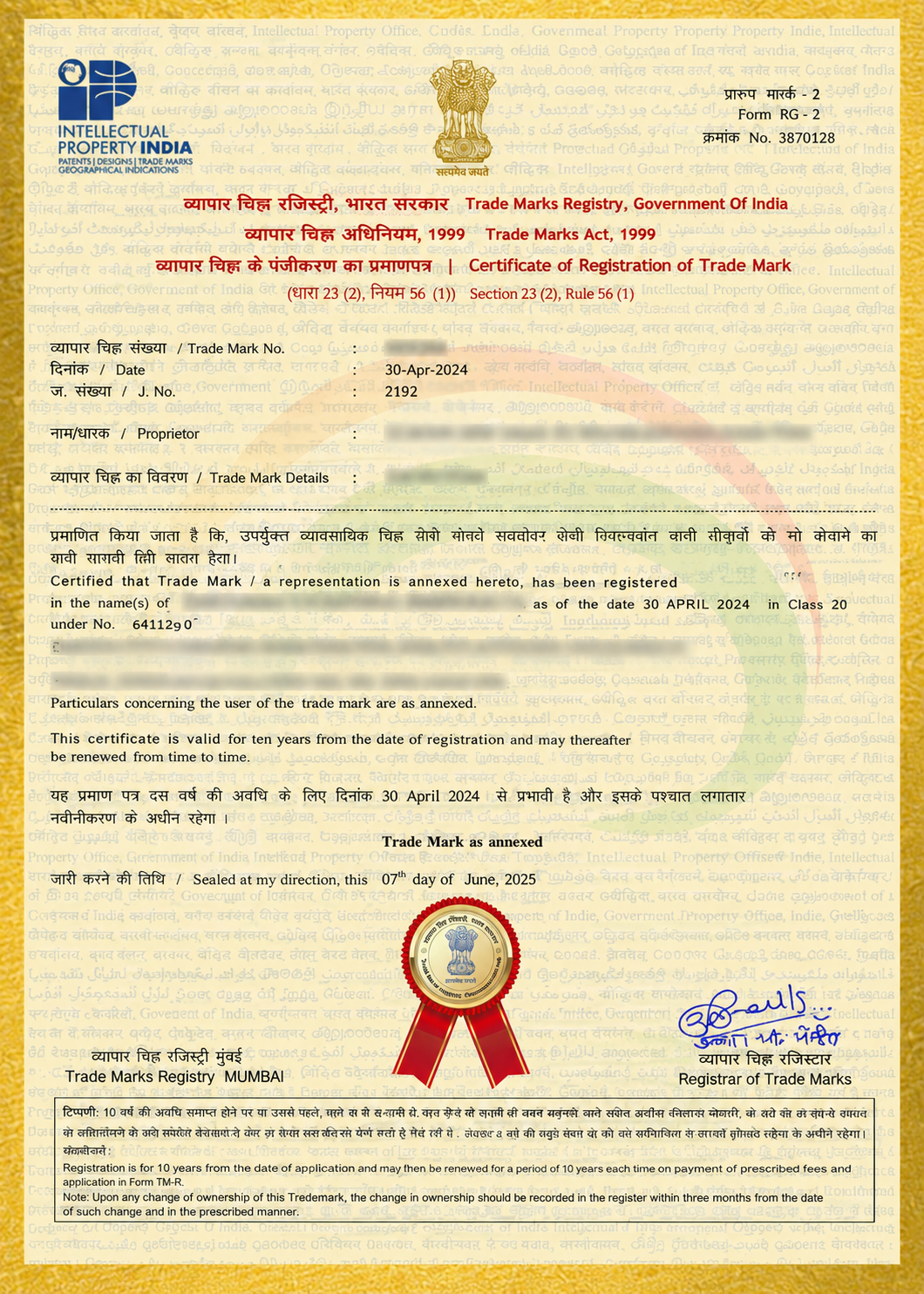
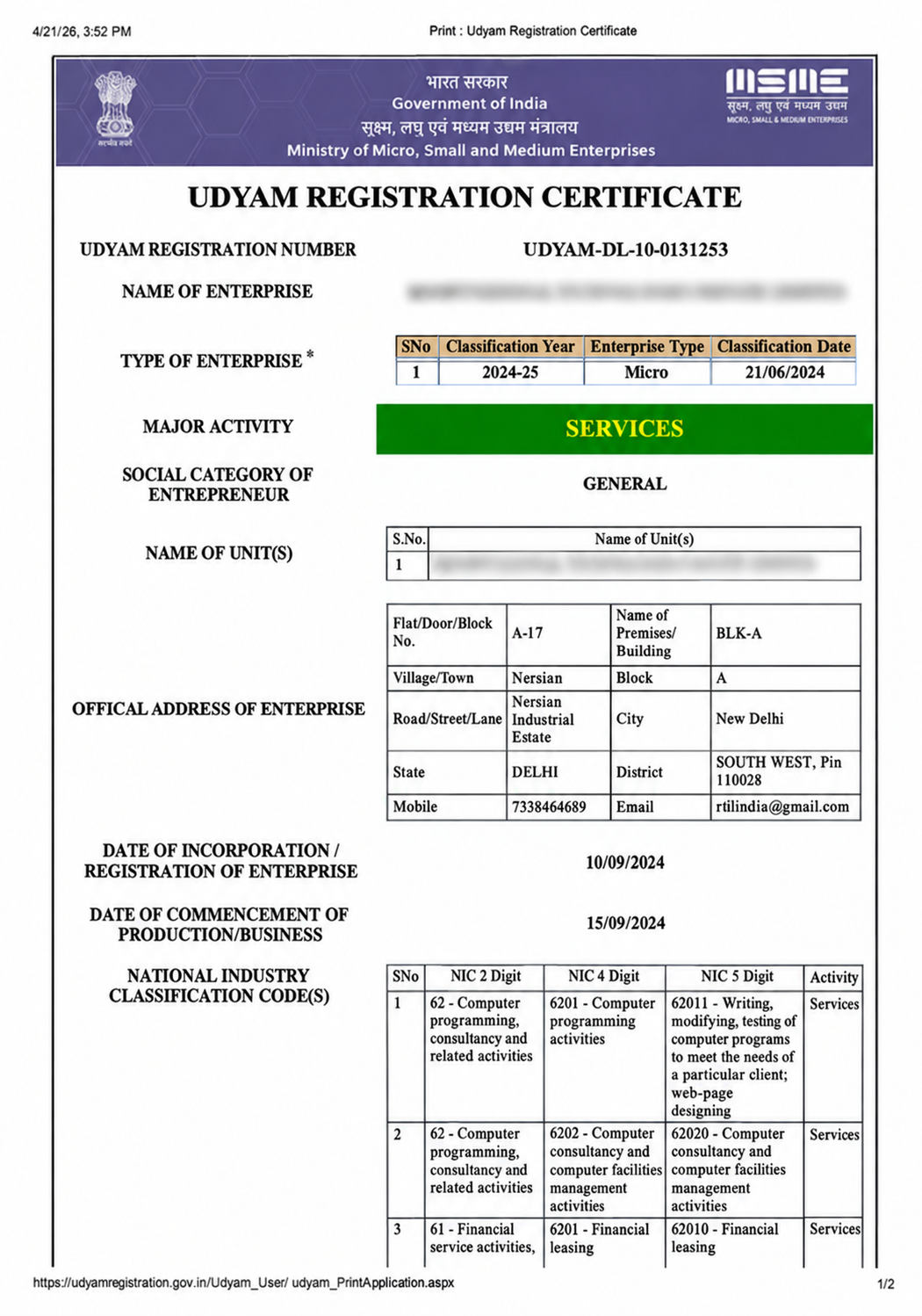

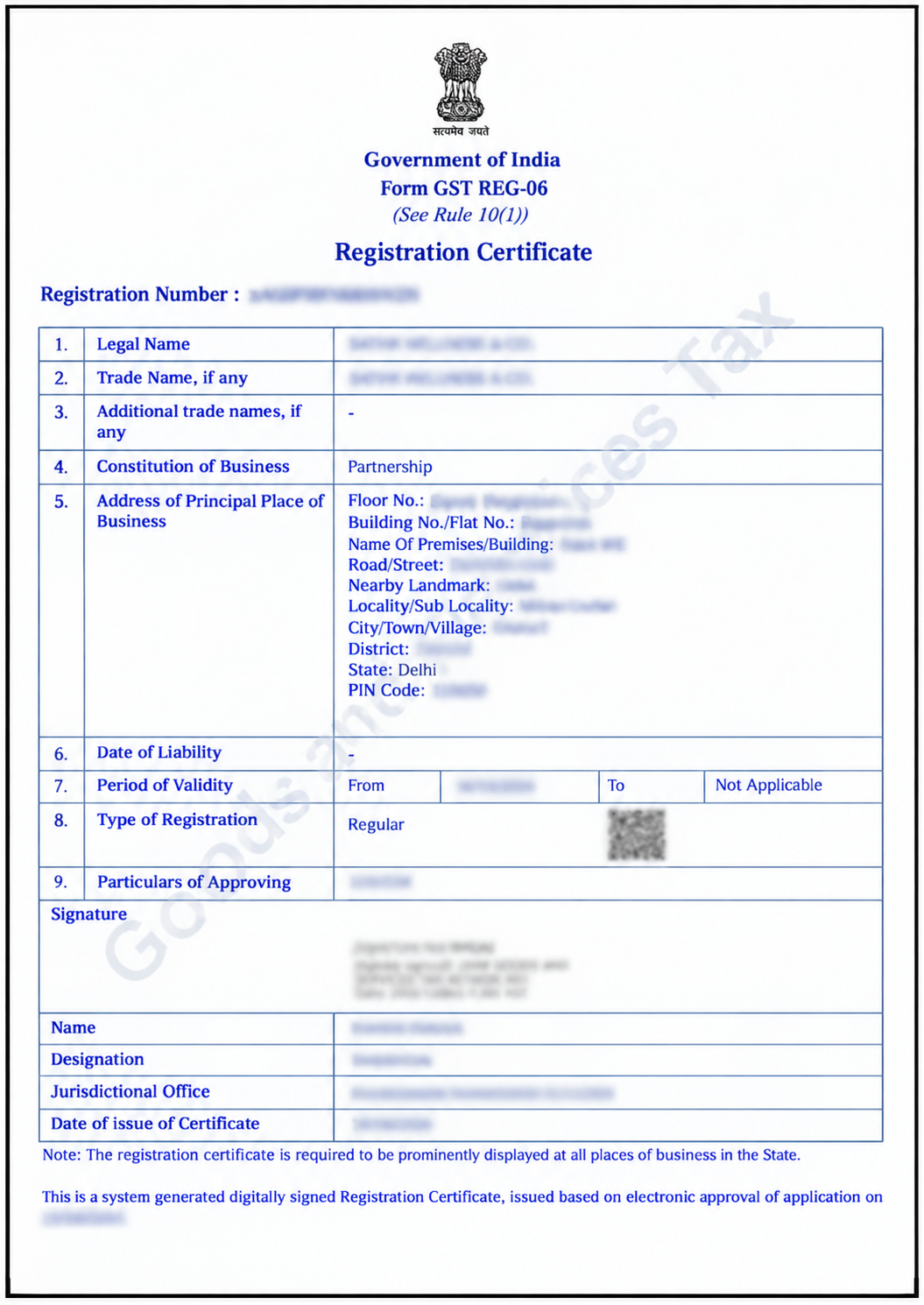
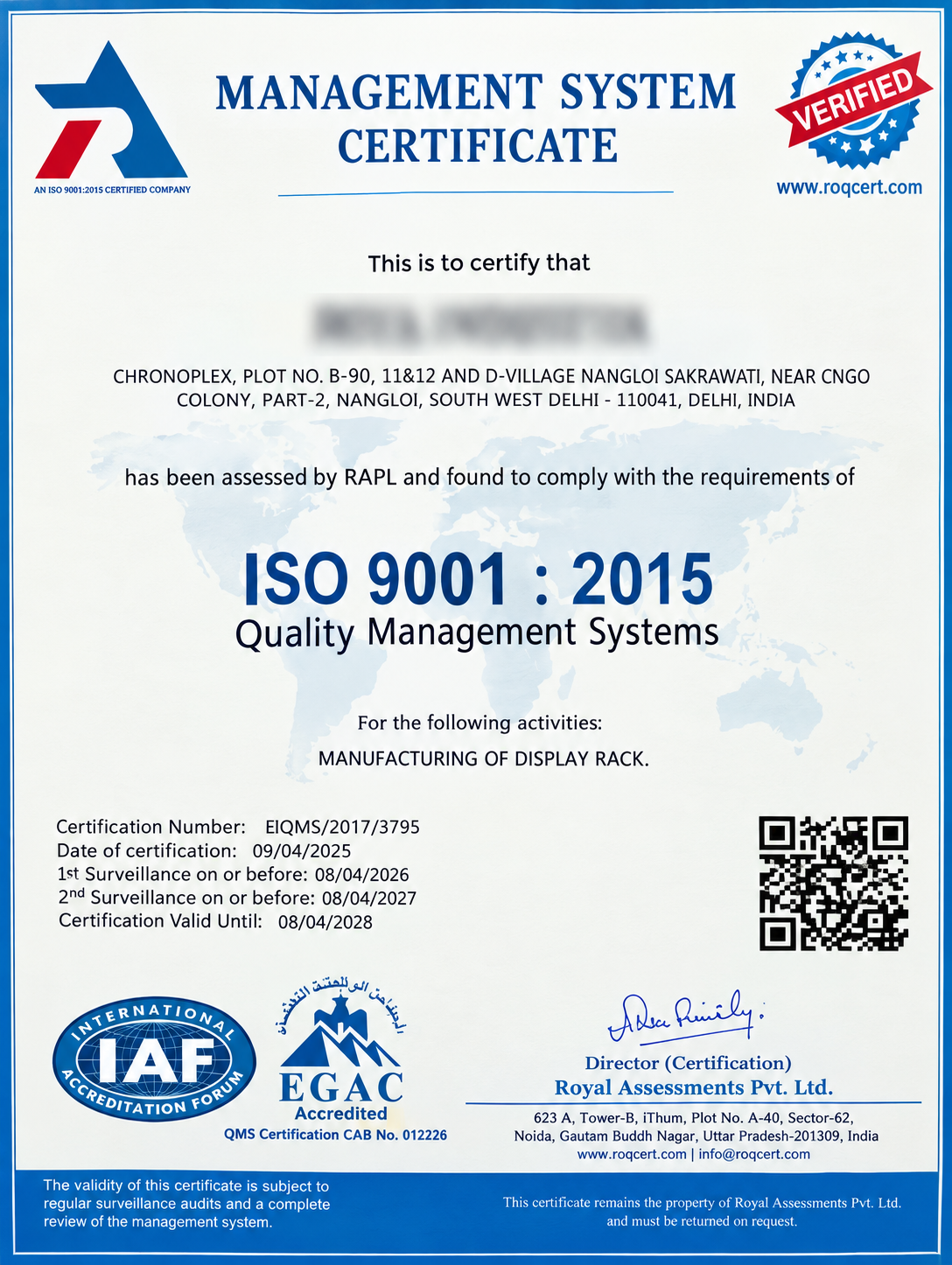
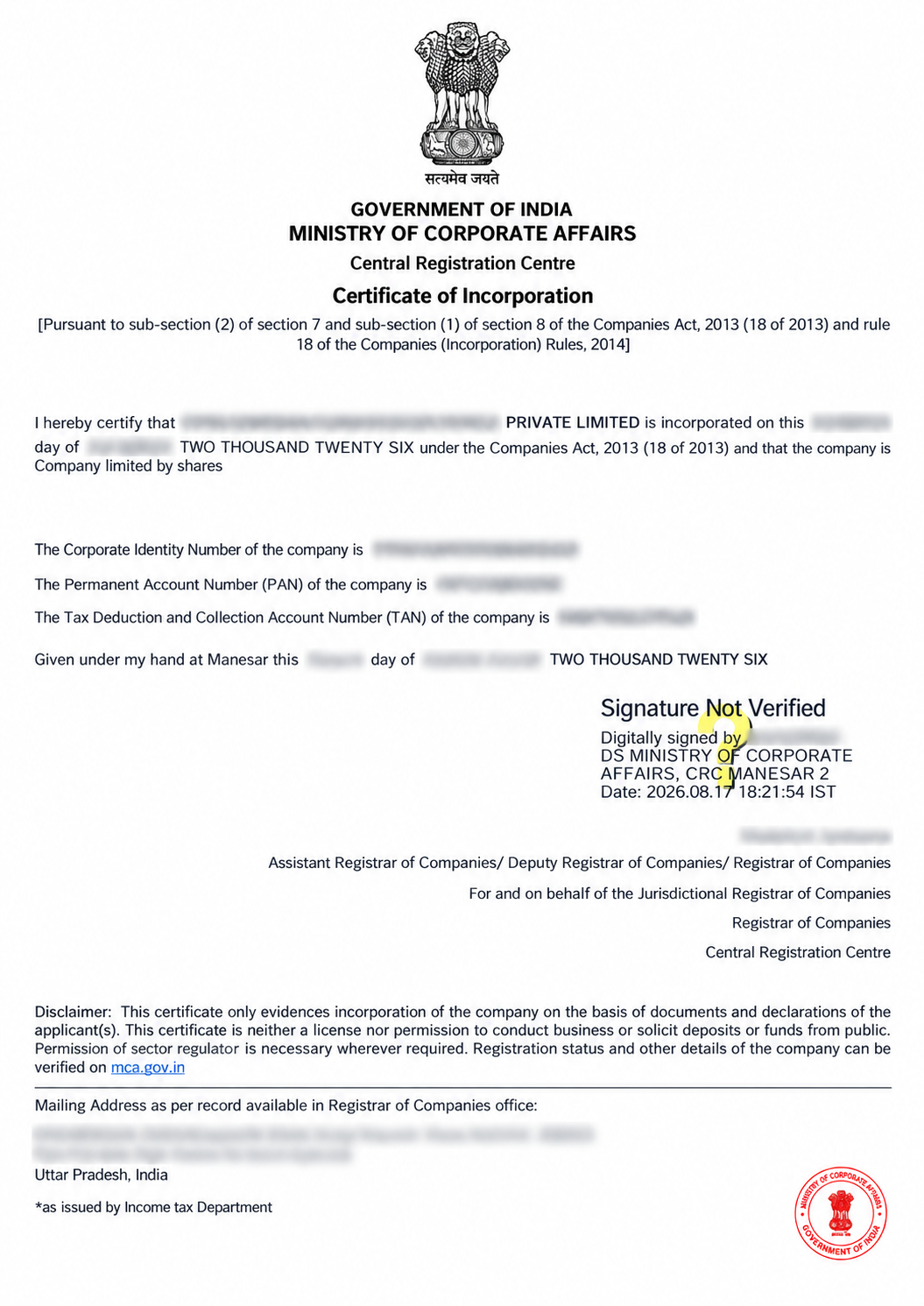
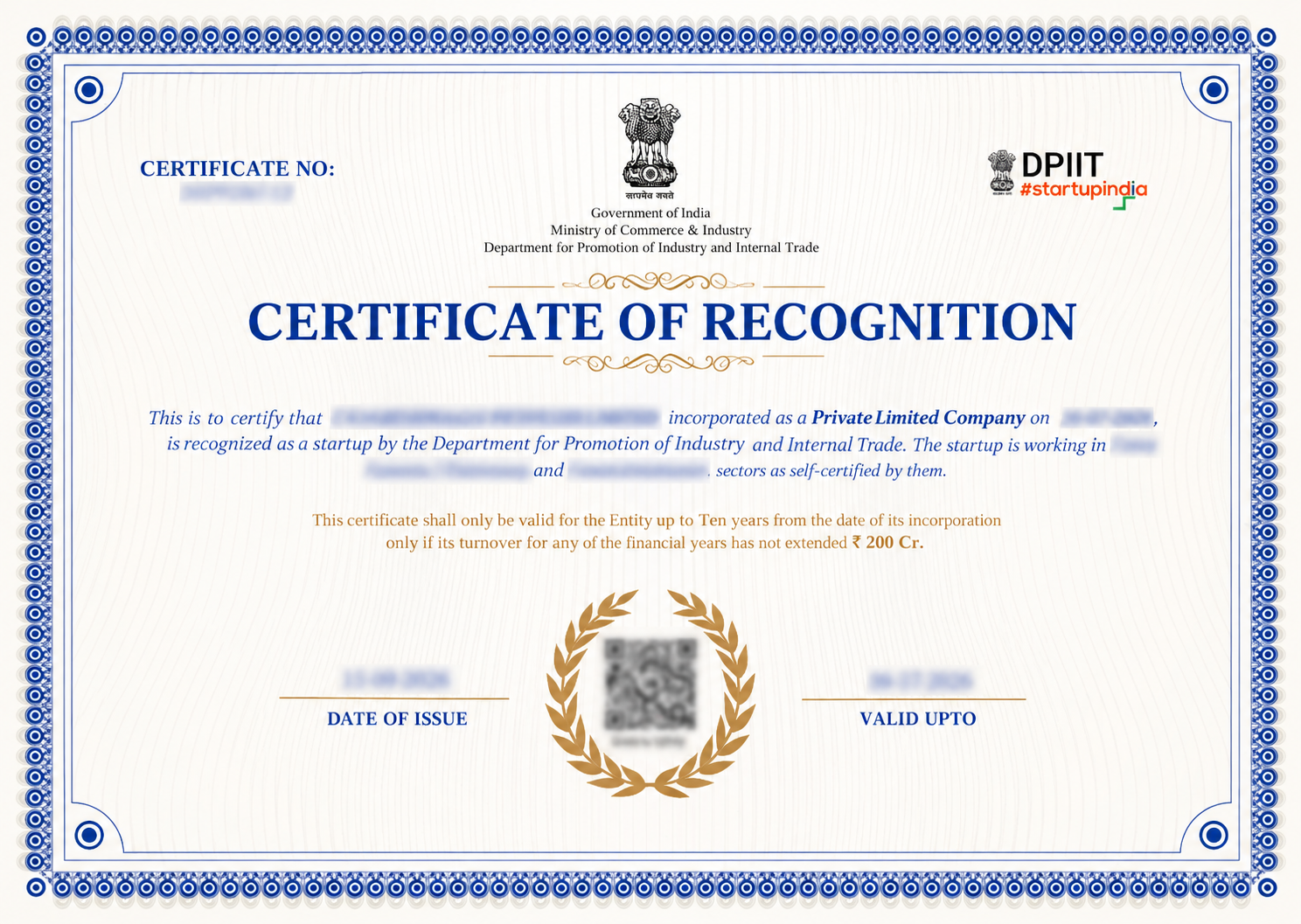
"Explore how Legalstartup has helped businesses reach new heights as their trusted partner."

Thousands of businesses and founders trust LegalStartup.