
Keep your private limited company in good standing with Legal Startup. A dedicated compliance expert tracks your due dates, prepares the ROC and secretarial filings, coordinates tax returns and clears overdue filings before penalties pile up.
Free call & custom quote · Professional fee + government fee
Pvt Ltd compliance means the yearly and event-based filings, meetings, records and tax returns a private limited company must complete under the Companies Act, 2013, the Income-tax Act and GST law. It applies from incorporation, even if the company has no turnover.
Last updated: October 2026. Due dates, forms and fees can change, so we confirm the current position before filing. This page is general information, not legal advice.
A private limited company is a separate legal entity, and the law expects it to prove that regularly. It does so by holding board and general meetings, keeping statutory registers and minutes, getting accounts audited and filing returns with the Registrar of Companies (ROC) and the tax departments.
Compliance has two layers. Annual compliance repeats every financial year (April to March). Event-based compliance is triggered by changes such as a new director, a change of registered office, share allotment or an increase in authorised capital.
Missing a deadline does not pause the clock. Late fees keep adding up, directors can face penalties, and prolonged default can lead to director disqualification or the company being struck off. For forms, e-filing and company master data, see the official Ministry of Corporate Affairs portal at mca.gov.in. If you are yet to incorporate or want to protect your brand, see our trademark registration online service.
Important limits and timelines every director should know.
What applies to your company depends on its size, activity and history.
The core yearly filings with the Registrar of Companies.
Meetings and records that the Companies Act requires.
Corporate tax compliance for every financial year.
Indirect tax and withholding returns for active businesses.
Filings triggered when something changes in the company.
Companies that missed one or more years of filings.
Not sure which filings apply to your company? Share your CIN and our experts will review your master data free of charge.
Why directors keep their company compliance up to date.
Regular filings keep your company active on the MCA register.
On-time filing avoids per-day additional fees that have no cap.
Reduces the risk of penalties and disqualification of directors.
Clean filings make due diligence, funding and loans smoother.
Many clients and tender processes check the company's filing status.
Registers, minutes and accounts stay organised for any review.
Handled from anywhere in India without visiting a Registry office.
From health check to filed returns, here is how online compliance works with us.
Timelines depend on how quickly accounts and documents are ready and on portal workload. Not to scale.
We check your CIN, company status, director KYC and past filings to find what is pending.
Books are reconciled and financial statements are prepared for audit.
The statutory auditor is appointed or reappointed and ADT-1 is filed where required.
We draft notices, board report, minutes and resolutions for the board meeting and AGM.
AOC-4, MGT-7 and other applicable forms are filed, and tax returns are coordinated.
You get filing acknowledgements and a calendar of upcoming due dates.
Keep these ready to avoid delays. Our expert will confirm the exact list for your company.
The total cost depends on the size of your accounts, transactions, number of directors, tax registrations and how many years are pending. It generally has three parts:
ROC filing fees depend on the form and authorised capital. Late filing adds an additional fee per day. We confirm current fees before filing.
Our fee depends on turnover, bookkeeping needs and the filings involved. Call free for a custom quote before you pay anything.
Statutory audit fee, DSC, overdue years, notices and event-based filings are charged separately.
We share a clear, itemised quote before you begin – no hidden charges. Get your free quote →
Choose the situation that matches your company, or call free for a custom quote.
Your company is up to date and needs this year's filings done right.
One or more years are pending, or you have received a notice.
You want ROC, tax and secretarial work handled in one place.
Our professional fee is quoted after a free call. Government fee and audit fee are separate; additional fees apply to late filings. Not sure which option fits? Ask for a free compliance check.
Every private limited company has to comply, whether it is active, dormant or newly incorporated.
First auditor, first board meeting and commencement filings need attention early.
Keep records clean for fundraising, ESOPs and investor due diligence.
Run operations while experts track ROC, GST and tax deadlines.
Filings are still due even when there is no business activity.
Directors abroad can still comply through online filing and DSC.
If years have been missed, speak to us quickly before penalties grow.
A quick view of how the position changes as filings are delayed. Ask us where your company stands.
| Position | When it applies | What is needed | Cost | Risk |
|---|---|---|---|---|
| On time | Filed within due dates | Regular annual filings | Government fee only | Lowest |
| Late filing | Due date missed by days or months | Filing with additional fee | Fee plus per-day late fee | Moderate |
| Multi-year default | Several years of filings pending | Year-wise filings and clean-up | Higher, grows with delay | High, disqualification risk |
| Struck-off company | Name removed from the register | Restoration through NCLT | Highest | Not certain |
A compliance calendar and timely records prevent most problems.
Indicative dates for a company with an April–March financial year. Exact dates can change, so confirm before relying on them.
Hold board meetings with no gap above 120 days, and file TDS and GST returns on their due dates.
Return of deposits and outstanding loans, where applicable to the company.
The AGM is due within six months of year end, and tax audit reports fall due around this time where required.
ADT-1 within 15 days, AOC-4 within 30 days and MGT-7 within 60 days of the AGM.
Income tax return for most companies, and MSME-1 for the April–September half where applicable.
Review director KYC, registers and changes, and note next year's dates.
Protecting your brand is part of staying protected as a business. See our trademark registration online service, or if you already have a notice, our trademark hearing online support.
Quick answers on private limited company compliance in India.
Pvt Ltd compliance is the set of filings, meetings, records and tax obligations a private limited company must follow every year under the Companies Act, 2013, the Income-tax Act and GST law.
Yes. ROC annual filings, auditor appointment, board meetings and income tax return are required even if the company has no business activity or turnover.
Generally Form AOC-4 for financial statements and Form MGT-7 (MGT-7A for small companies and OPCs) for the annual return, plus ADT-1 for auditor appointment where applicable. Other forms such as DPT-3 and MSME-1 apply depending on the company.
AOC-4 is due within 30 days of the AGM and MGT-7 within 60 days of the AGM. The AGM itself is due within six months of the financial year end.
At least four a year, with no more than 120 days between two meetings. Small companies and One Person Companies get relaxations, so we confirm what applies to your company.
An additional fee, generally Rs 100 per day of delay for annual forms, applies with no upper cap. Continued default can lead to penalties on the company and directors, director disqualification and strike-off.
Yes. A director of a company that has not filed financial statements or annual returns for three consecutive financial years can be disqualified under Section 164(2) of the Companies Act, 2013.
Yes. Every private limited company must appoint a statutory auditor and have its accounts audited each year, regardless of turnover.
Yes. Pending filings can usually be made with additional fees, and the cost depends on the number of years and forms. If the company is already struck off, restoration may be needed.
It depends on turnover, transactions, number of directors and any pending years. Government fees are separate from professional fees, so we share an itemised quote after a free call.
Not sure what your company has filed? Speak to our compliance expert today – the health check and the quote are free.
Tell us what you need and our team will get back to you with the right guidance.
Legalstartup ke certificates, registrations aur recognitions jo hamari credibility dikhate hain.
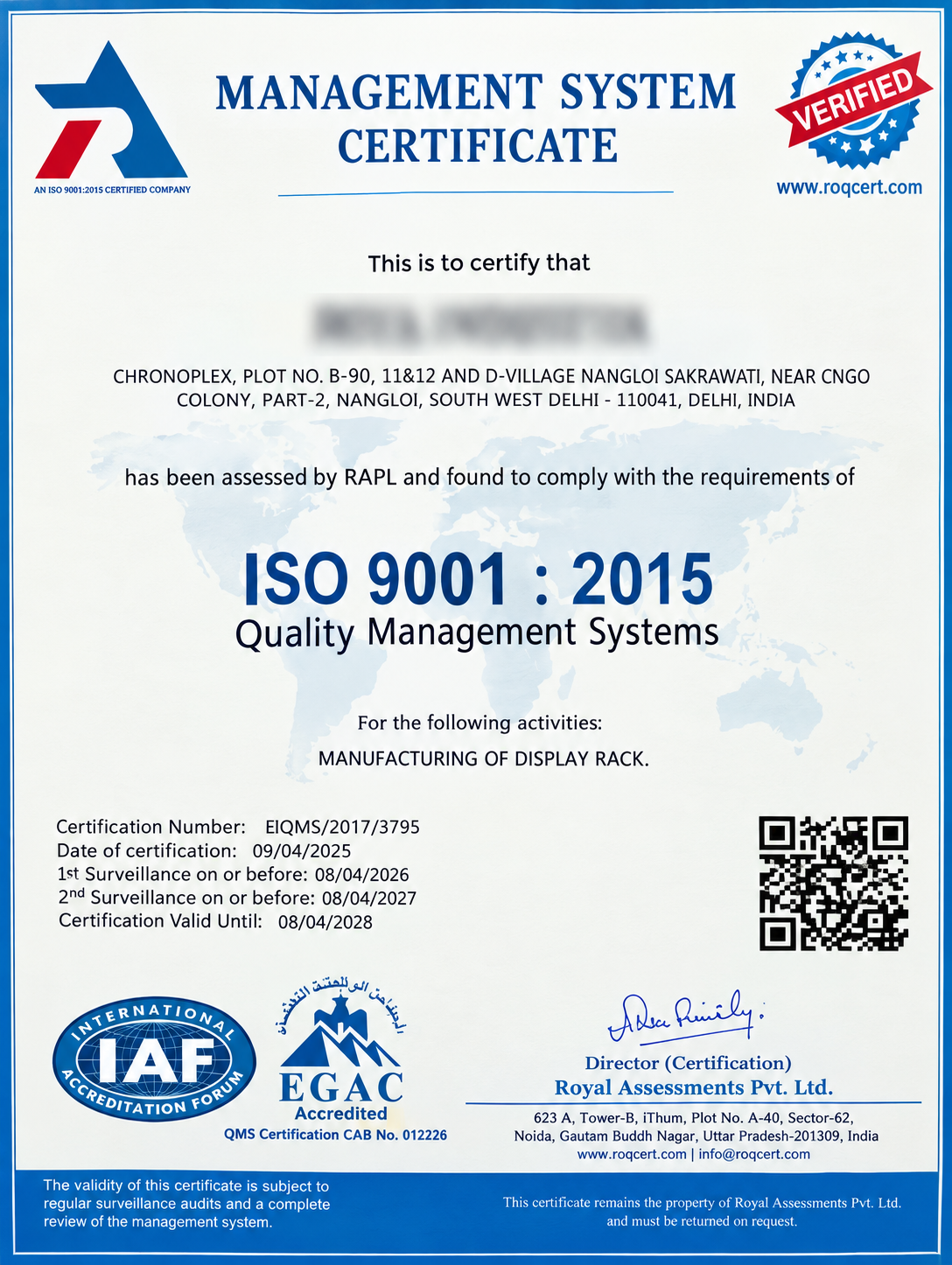
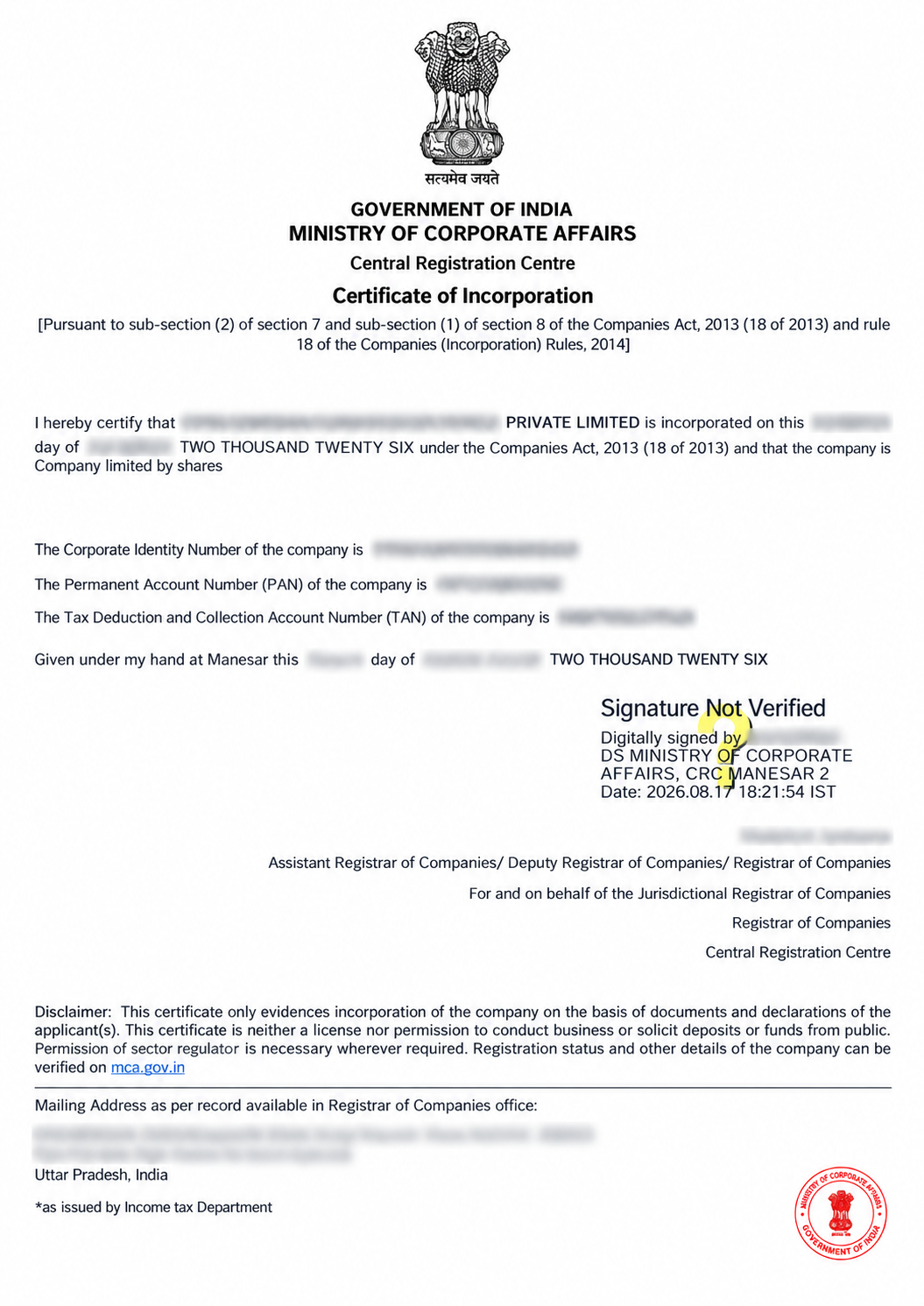
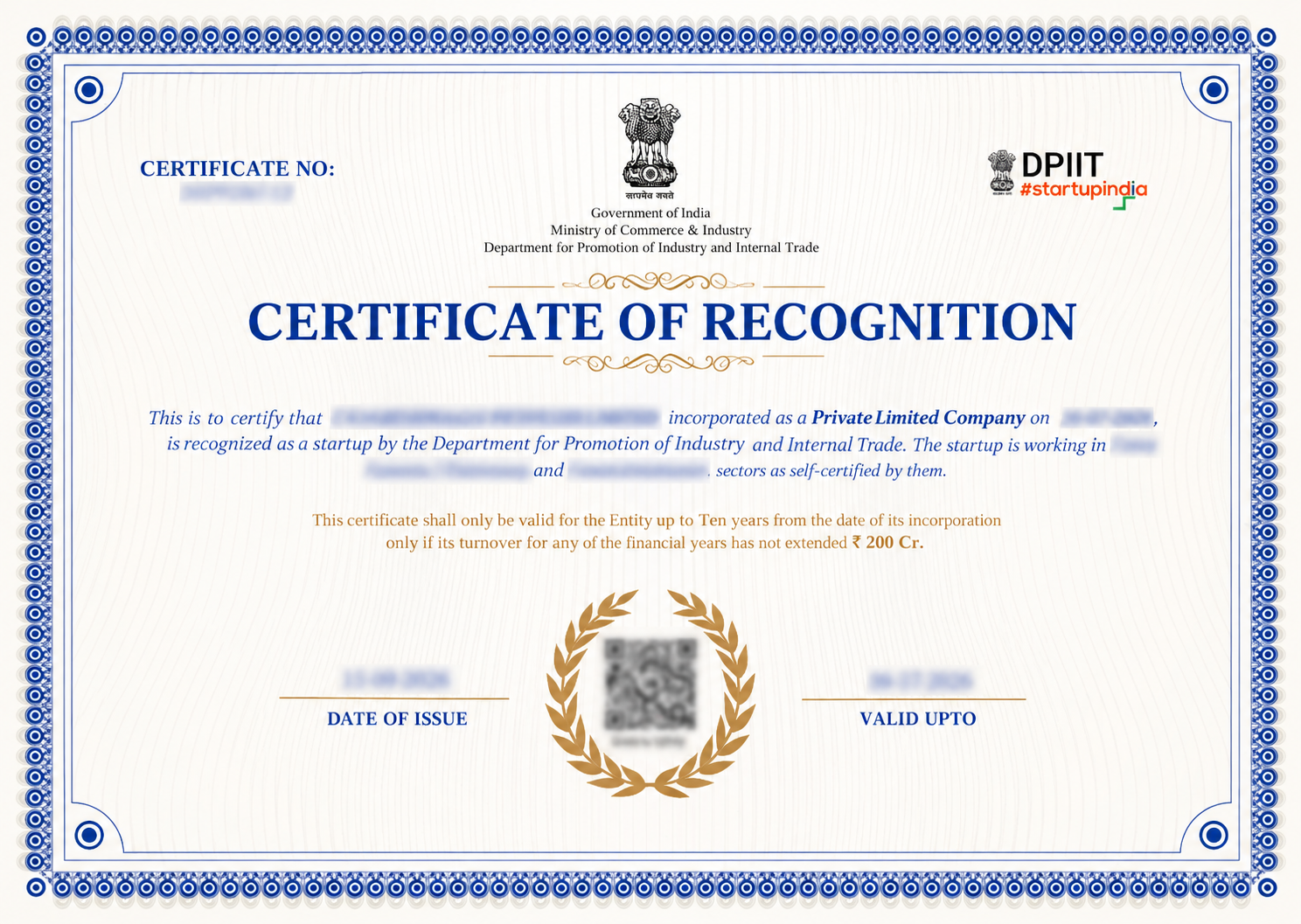
"Explore how Legalstartup has helped businesses reach new heights as their trusted partner."

Thousands of businesses and founders trust LegalStartup.