
Get halal certification for your food, beverage, ingredient or export business. A dedicated compliance expert checks your eligibility, prepares your documents, applies to a suitable certification body and guides you through the audit and renewal.
Free call & custom quote · Professional fee + certification body fee
Halal certification in India is an independent assessment by a certification body that your product, process or facility follows halal requirements, covering ingredients, slaughter where applicable, segregation from non-halal material, cleaning, storage and traceability. It is issued by private certification bodies, not by a single government authority.
Last updated: October 2026. Rules, accredited bodies and importing-country requirements change, so we confirm the current position before you apply.
Halal means permissible. A halal certificate tells buyers that a product or facility has been assessed against halal requirements by an independent body. The assessment covers the ingredients used, how animals are slaughtered where meat is involved, whether halal and non-halal material are kept apart, how equipment is cleaned, and whether each batch can be traced back to approved suppliers.
India does not have a national law that makes halal certification mandatory for the domestic market. Certification is carried out by private certification bodies, and it matters commercially: Muslim-majority export markets, large retailers, hotels, airlines and e-commerce buyers often ask for it. Some states have also introduced restrictions on halal-labelled products for local sale, so the position for your product and market should be checked before you print a halal logo.
For meat and meat products exported to notified countries, the Government of India requires certification under the India Conformity Assessment Scheme (i-CAS) – Halal of the Quality Council of India. Certification bodies for this scheme are accredited by the National Accreditation Board for Certification Bodies (NABCB), and APEDA monitors exports. Some importing countries also require certificates from bodies approved under their own national halal system. For official notifications and scheme documents, visit nabcb.qci.org.in and apeda.gov.in. Food businesses also need a valid FSSAI licence, which is separate from halal certification.
Important points every applicant should know before choosing a certification body.
The right scope depends on what you make, sell or export.
For packaged foods, snacks, sauces, bakery, dairy and drinks.
For exporters of specified meat products to notified countries.
For suppliers whose buyers need halal-compliant inputs.
For kitchens, cloud kitchens and catering units.
For personal care and health products sold to halal-conscious buyers.
For warehouses, cold chains and transport handling halal goods.
Not sure which scope applies to your business? Share your product list and target market and our experts will advise free of charge.
Why businesses choose independent halal certification.
Many Muslim-majority importing countries ask for a valid halal certificate.
An independent audit gives customers a verified basis for your halal claim.
Large retailers, hotels and airlines often require certified suppliers.
Using a halal logo without valid certification can create disputes and loss of trust.
Ingredient traceability and segregation records improve overall quality systems.
A credible certification supports premium positioning and new product lines.
Prepare and submit your application with expert help from anywhere in India.
From eligibility check to certificate, here is how halal certification usually works.
Timelines depend on your readiness, the audit schedule and the certification body. Not to scale.
We review your products, units and target markets, and confirm whether i-CAS or an importing-country approval is needed.
We help you compare bodies on scope, accreditation, acceptance in your export market and indicative cost.
Ingredient lists, supplier halal certificates, process flow, cleaning and segregation procedures are organised for submission.
The application is filed with the certification body along with the required fee and supporting records.
We brief your team, check records and help you respond to any non-conformity raised by the auditor.
After the body's decision you receive the certificate, and we note the surveillance and renewal dates for you.
Keep these ready to avoid delays. The exact list depends on the certification body and your scope.
There is no single fee for halal certification. The total cost depends on the certification body, the number of products and units, the audit duration and your scope. It generally has three parts:
Charged by the body for application, audit and certificate, and sometimes for surveillance. Fees differ between bodies, so we confirm them before you apply.
Our fee depends on your scope and readiness. Call free for a custom quote before you pay anything.
Travel for audits, laboratory tests, facility changes, multiple units and re-audits are charged separately.
We share a clear, itemised quote before you begin – no hidden charges. Get your free quote →
Choose the option that matches your business, or call free for a custom quote.
You make or sell food, drinks or ingredients and need a halal certificate.
You export meat or food products and need to meet importing-country requirements.
Several products, several units or a certificate that is due for renewal.
Our professional fee is quoted after a free call. The certification body's fee is separate and set by the body. We guide your application; the certificate is issued only by the certification body. Not sure which option fits? Ask for a free scope check.
If a buyer, marketplace or importing country asks for proof of halal compliance, you need it.
Packaged food, bakery, dairy, sauces and drink brands selling to halal-conscious buyers.
Units exporting specified meat products to countries that require i-CAS – Halal.
Businesses shipping to Gulf, Southeast Asian and other markets that ask for halal proof.
Outlets that want to show verified halal sourcing and kitchen practices.
Suppliers whose customers need halal-compliant inputs for their own certification.
Brands and service providers serving buyers who require halal compliance.
A quick view of how the main routes differ. Ask us which one applies to your business.
| Route | When it applies | Who certifies | Scope | Key point |
|---|---|---|---|---|
| Domestic halal certification | Buyer or retailer asks for proof | Private certification body | Products, units or services | Not mandatory by general law |
| i-CAS Halal | Export of specified meat products to notified countries | NABCB-accredited body | Meat and meat products | APEDA monitors exports |
| Importing-country approved body | Destination has its own halal regulation | Body approved by that country | As per importing country | i-CAS may be voluntary in such cases |
| Customer or brand audit | Retailer or brand owner sets its own requirement | Customer, often with a certificate | Supplier-specific | Certificate usually still needed |
Choosing the right body and keeping clean records prevent most delays.
Getting the certificate is the start. Here is how to keep it in force.
Use the halal claim only for the certified products, units and period shown on the certificate.
Keep supplier certificates, batch records and cleaning logs ready for surveillance audits.
Tell the certification body before changing ingredients, suppliers, processes or premises.
Note the validity date and start renewal early so there is no gap in certification.
Protecting your brand name and logo is a separate step. See our trademark registration online service, and if you already hold a registered mark, our trademark renewal online service. If your mark is under objection, see trademark hearing online. For local support, see our pages for trademark registration in Dwarka and Jaipur.
Quick answers on halal certification in India.
Halal certification is an assessment by an independent certification body that a product, process or facility meets halal requirements. These cover permitted ingredients, slaughter where applicable, segregation from non-halal material, cleaning, storage, transport and traceability.
India has no general law that makes halal certification mandatory for products sold in the domestic market. It becomes a practical requirement when a buyer, marketplace or importing country asks for it. For export of specified meat and meat products to notified countries, certification under the India Conformity Assessment Scheme (i-CAS) – Halal is required.
Halal certificates are issued by private certification bodies. For meat and meat product exports under i-CAS – Halal, the body must be accredited by the National Accreditation Board for Certification Bodies (NABCB), Quality Council of India. Exporters should always confirm that the body is accepted by the importing country.
The India Conformity Assessment Scheme (i-CAS) – Halal is a scheme of the Quality Council of India for certifying halal meat and meat products meant for export. Certification bodies are accredited by NABCB and APEDA acts as the monitoring agency.
Choose a suitable certification body, submit an application with product, ingredient and facility details, pass the document review and on-site audit, close any non-conformities, and receive the certificate. Surveillance and renewal follow during the validity period.
Typically business registration papers, FSSAI licence for food businesses, a product and ingredient list with supplier details, ingredient halal certificates or specifications, a process flow, facility details, cleaning and segregation procedures, and details of the halal-responsible person. The exact list depends on the certification body and scope.
Cost depends on the certification body, the number of products and units, the audit duration and the scope. There is no single fixed fee. We share an itemised quote that separates our professional fee from the certification body's charges after a free call.
The timeline depends on how ready your documents and facility are, the audit schedule and how quickly any non-conformities are closed. Well-prepared businesses move faster. We do not promise a fixed date because the decision rests with the certification body.
Validity is set by the certification body and its scheme, and the certificate is usually subject to surveillance and periodic renewal. Check the validity period and renewal conditions stated on your certificate.
Yes, certification is not limited to meat. Food, beverages, ingredients, packaging, cosmetics, pharmaceuticals and logistics or storage services can also be assessed, depending on whether the chosen certification body offers that scope.
No. Some importing countries have their own halal regulations and only accept certificates from bodies approved under their national system. Confirm the destination market's requirement before you choose a certification body.
You should stop using the halal logo and claims on products once the certificate is no longer valid. After correcting the issue or completing renewal formalities, you can ask the certification body to reinstate or reissue the certificate.
Planning halal certification for your product or export? Speak to our compliance expert today – the scope check and the quote are free.
Tell us what you need and our team will get back to you with the right guidance.
Legalstartup ke certificates, registrations aur recognitions jo hamari credibility dikhate hain.
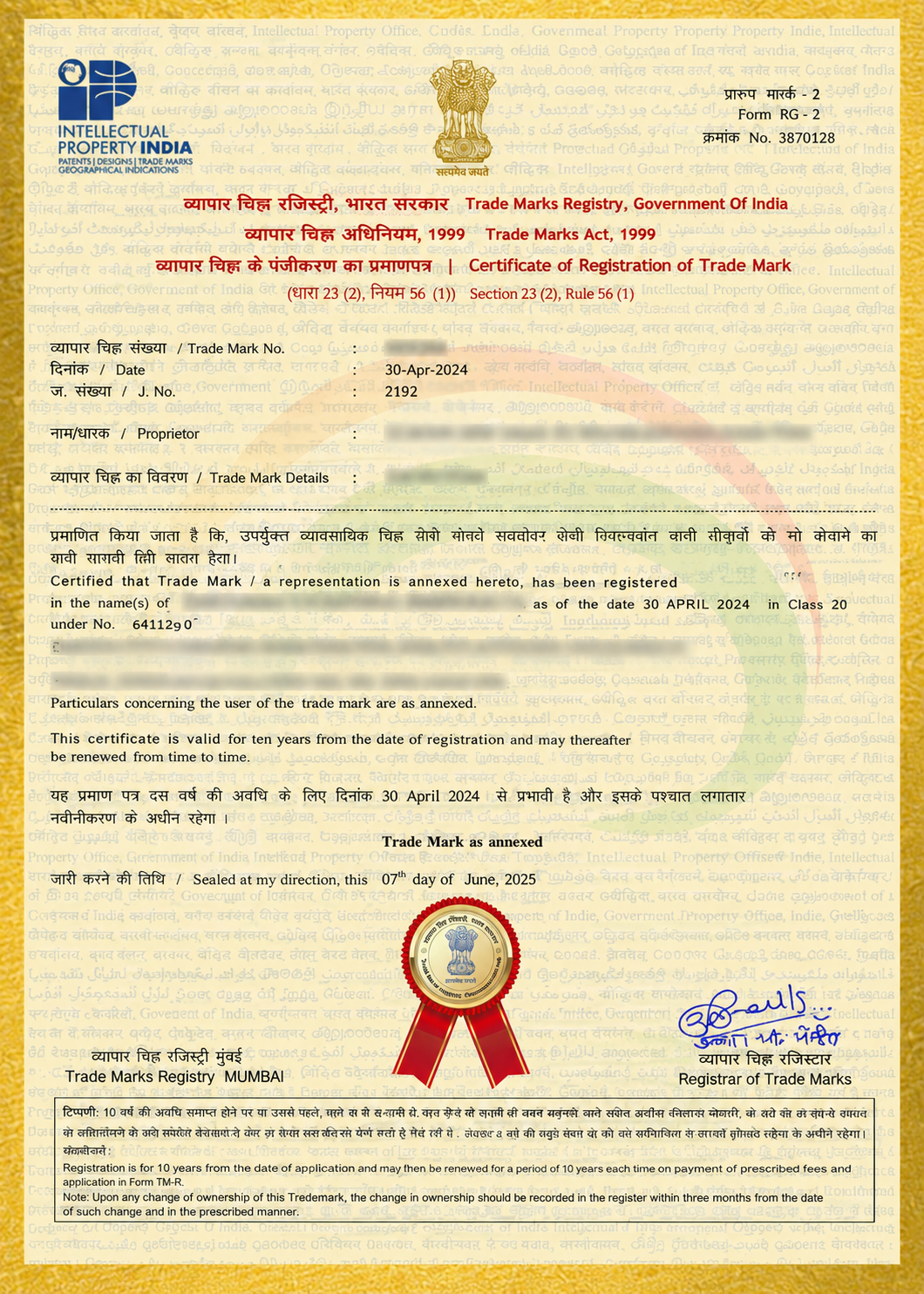
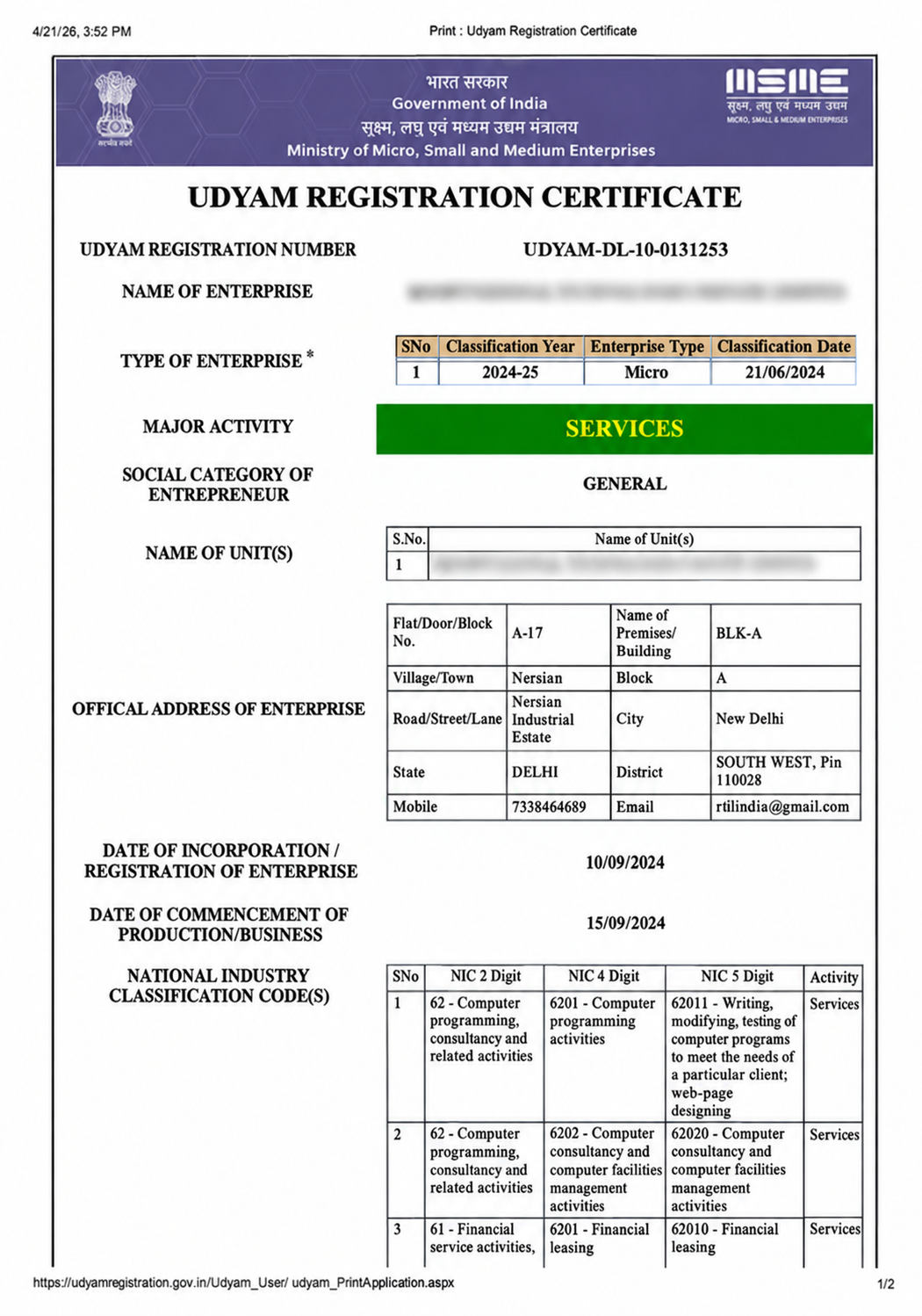
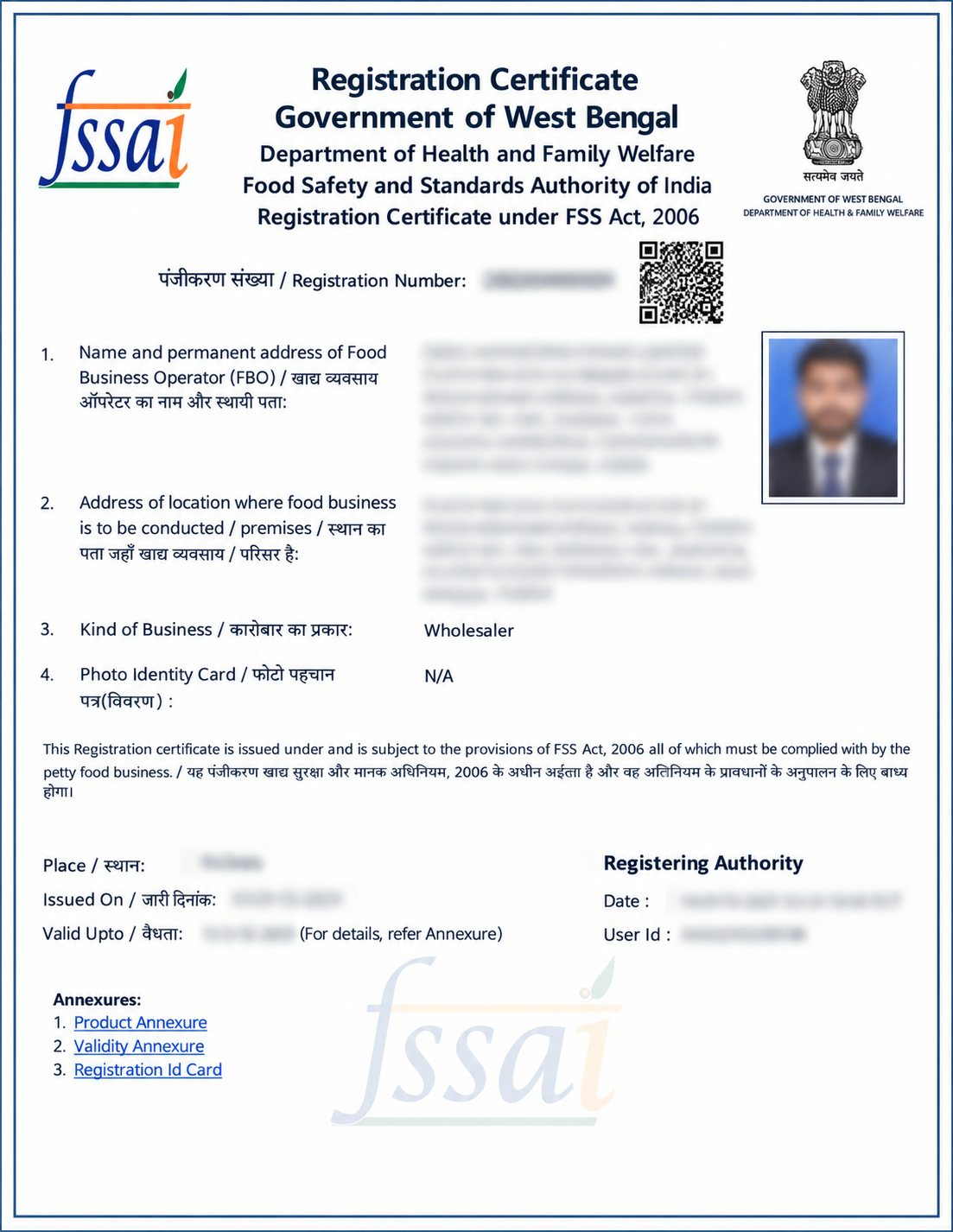
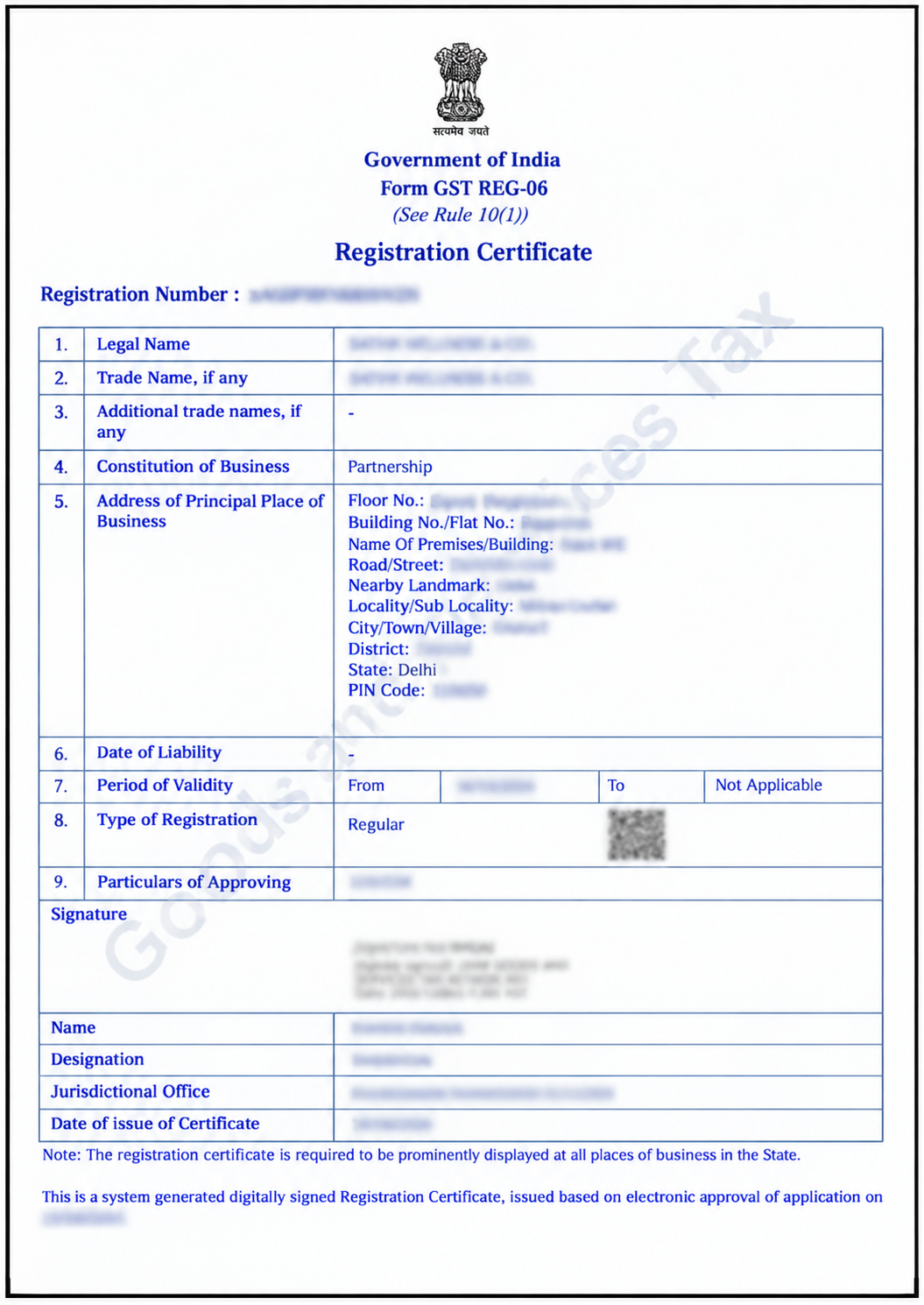
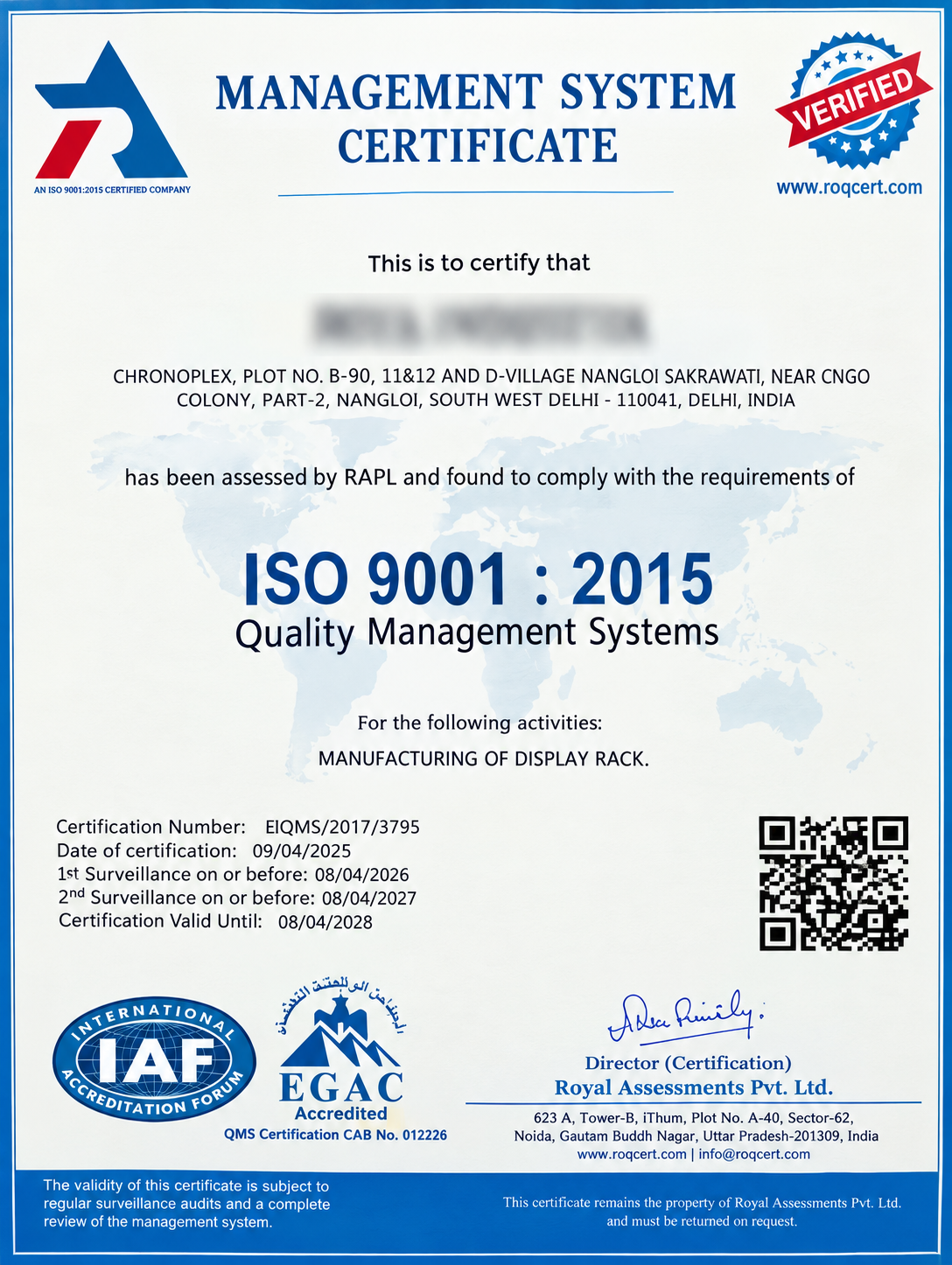
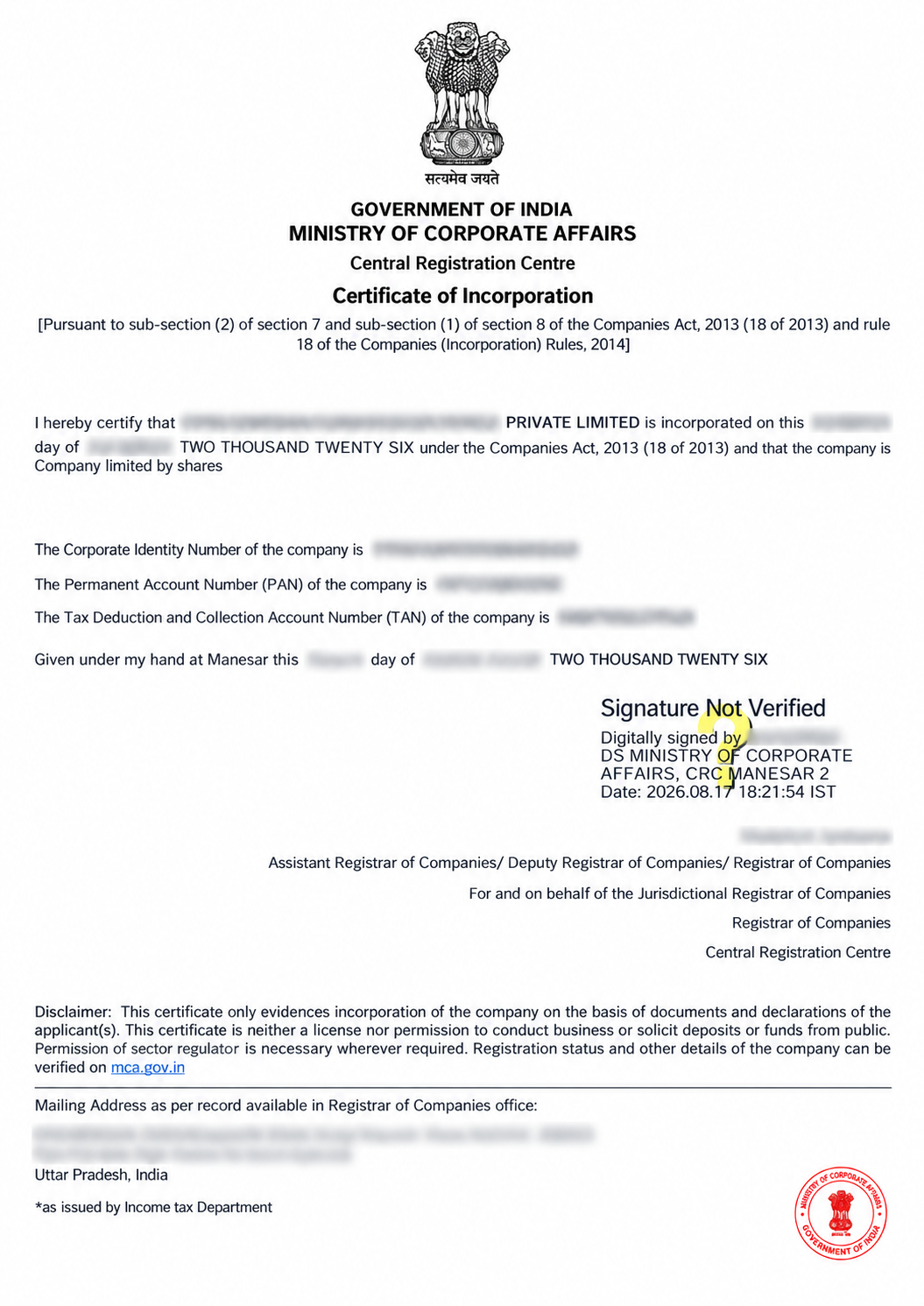
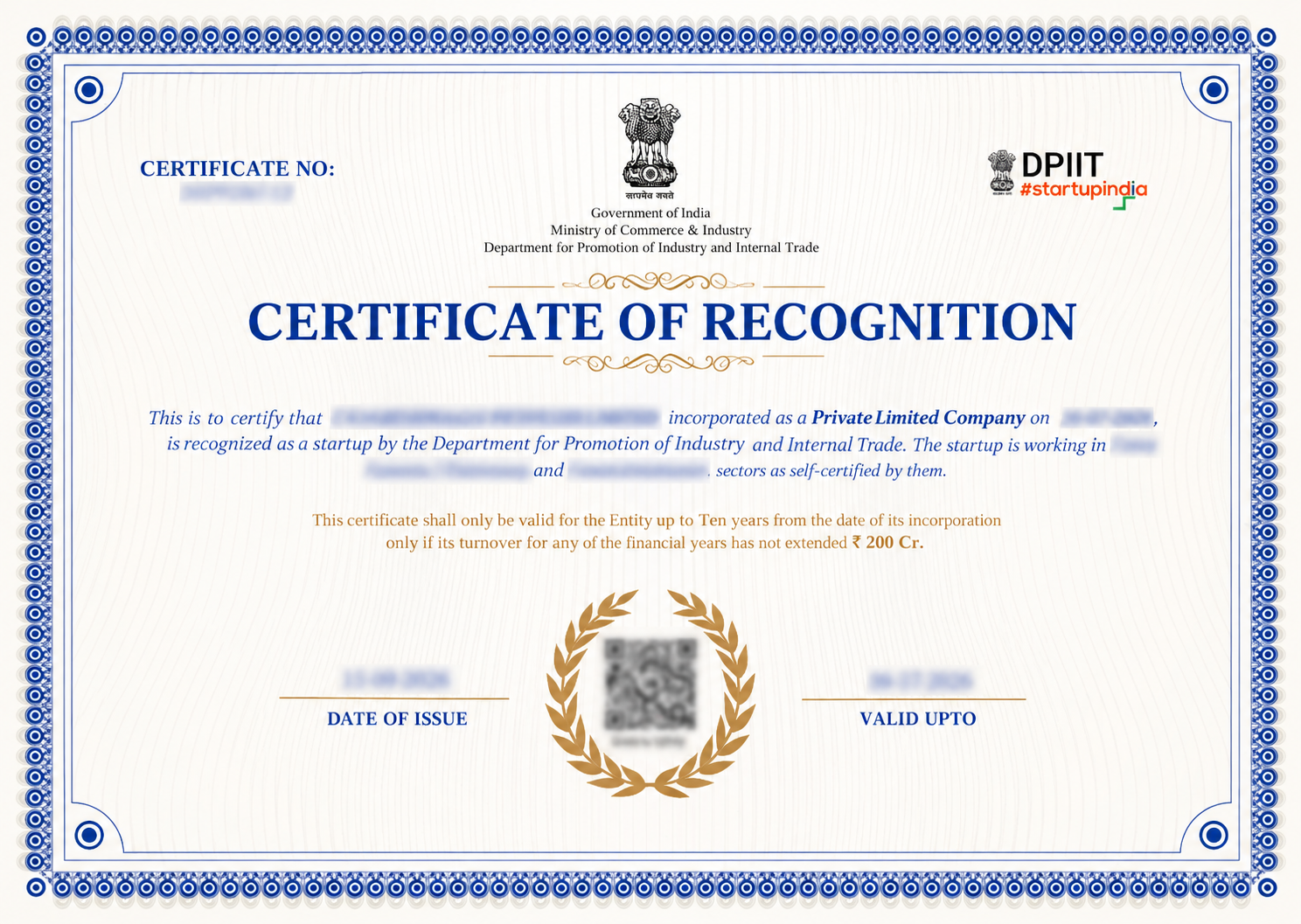
"Explore how Legalstartup has helped businesses reach new heights as their trusted partner."

Thousands of businesses and founders trust LegalStartup.