
Put your co-founder understanding in writing. Legal Startup drafts or reviews your founders agreement covering equity, vesting, roles, IP ownership, decision-making and exit, so a disagreement later does not put the startup at risk.
Free call & custom quote · Professional fee quoted before you start
A founders agreement is a written contract between co-founders that records who owns how much of the startup, who does what, how decisions are made, and what happens if a founder leaves or the founders disagree. It is signed ideally before or at the time of incorporation.
Last updated: October 2026. This page is general information, not legal advice for your specific case. Laws and stamp duty can change, so we confirm the current position before drafting.
A founders agreement, also called a co-founders agreement, sets the rules between the people who start a business together. It turns a verbal understanding into an enforceable document while the founders still agree with each other.
Most founder disputes come from the same gaps: unclear equity, one founder doing less work, code or designs created without a written IP assignment, no process for a founder who quits, and no way to break a tie. A founders agreement deals with each of these in advance.
It is different from the company's Articles of Association and from a shareholders' agreement, which is usually signed when investors join. In practice, the founders agreement is the early document and the shareholders' agreement builds on it. Protect the startup's name and logo too; see our trademark registration online service.
What co-founders should settle in writing before they build further.
The right terms depend on your stage and structure.
You are still working on the idea and no entity exists yet.
Founders are or will be shareholders and directors.
Founders are partners in a limited liability partnership.
A new founder joins after the business has started.
A founder wants to leave or is being asked to leave.
You are preparing for funding and need founder terms in order.
Not sure what applies to your startup? Share a short summary and our experts will guide you free of charge.
The terms that keep founders aligned and investors comfortable.
Records each founder's share and the reasoning, such as role, capital and commitment.
Founders earn shares over time, so an early exit does not leave dead equity.
Defines responsibilities, time commitment and any outside work allowed.
Ensures code, designs, brand and inventions belong to the startup.
Sets voting, authority limits and matters needing every founder's consent.
Gives a route forward when founders cannot agree, such as mediation or a buy-sell process.
Covers resignation, removal, buy-back price and share transfer restrictions.
Protects business information and names the governing law and arbitration seat.
From a founder discussion to a signed, stamped agreement.
Timelines depend on how quickly the founders agree on terms. Not to scale.
We learn who the founders are, what each has contributed and where the business is headed.
We help you think through equity, vesting, roles and exit so the draft reflects a real agreement.
We align the agreement with a company, LLP or pre-incorporation stage as applicable.
We draft clear clauses on equity, IP, governance, leavers and disputes in plain language.
Each founder reviews the draft and we update it until everyone is comfortable.
We guide you on stamp duty and execution, and on carrying terms into the shareholders' agreement later.
Keep these ready to avoid delays. Our expert will confirm the exact list for your case.
The cost depends on the number of founders, the complexity of the terms and how much negotiation is needed. It generally has three parts:
Our fee depends on the scope and number of founders. Call free for a custom quote before you pay anything.
Set by state law, so it varies by state and document. We confirm the amount before execution.
Company or LLP incorporation, a shareholders' agreement and trademark filing are charged separately where needed.
We share a clear, itemised quote before you begin – no hidden charges. Get your free quote →
Choose the option that matches your situation, or call free for a custom quote.
You are starting up and want the founder terms in writing.
You have an agreement and want it checked, or terms need to change.
You want the agreement along with an entity and investor-ready documents.
Our professional fee is quoted after a free call. Stamp duty and any incorporation or filing charges are separate. Not sure which option fits? Ask for a free consultation.
Any team building a business together should agree terms before problems start.
Two or more people building a product or company together.
Personal trust is not a substitute for clear written terms.
Where one builds the product and the other sells, contributions need to be recorded fairly.
Investors usually look for clear equity, vesting and IP ownership.
Time commitment and outside work need to be clearly set.
A new co-founder needs fair terms without disturbing the existing ones.
A quick view of how these documents differ. Ask us which ones you need.
| Document | Signed by | When | Main purpose | Note |
|---|---|---|---|---|
| Founders agreement | Co-founders | Early, often pre-incorporation | Equity, roles, vesting, IP, exit | Foundation for later documents |
| Shareholders' agreement | Shareholders and company | After incorporation, often at funding | Governance and investor rights | Builds on founder terms |
| Articles of Association | Company | At incorporation | Internal company rules | Public document, needs alignment |
| Partnership or LLP agreement | Partners | At formation | Partner rights and profit sharing | Used instead for firms and LLPs |
Most founder disputes start with something that was never written down.
The agreement is most useful when it is followed and updated as the startup grows.
Keep stamped, signed copies with all founders and in the company records.
Reflect shareholding, directors and IP assignment in the company's records and articles.
Register the startup's name and logo in the company's name.
Move terms into a shareholders' agreement and amend in writing when roles or equity change.
Quick answers on founders agreements in India.
A founders agreement is a written contract between the co-founders of a startup that records equity split, roles, vesting, IP ownership, decision-making, exit terms and how disputes will be resolved.
Yes, if it meets the requirements of a valid contract under the Indian Contract Act, 1872. It should be properly stamped as per the applicable state stamp law to be admissible as evidence.
As early as possible, ideally before the company is incorporated or any money, code or IP is contributed. Early agreement avoids disputes when the business grows or investors come in.
Equity split, roles and time commitment, vesting and cliff, IP assignment, confidentiality, decision-making and reserved matters, deadlock resolution, leaver provisions, transfer and exit terms, and governing law and dispute resolution.
Vesting means a founder earns their shares over time, often with an initial cliff period. If a founder leaves early, unvested shares can be returned or bought back, which protects the remaining founders and investors.
A founders agreement is usually signed early between co-founders and is often pre-incorporation. A shareholders agreement is signed by shareholders of an incorporated company, often when investors join, and it can replace or build on the founders agreement.
There is no fixed rule. Founders usually consider idea and work already done, capital, full-time commitment, skills and future roles. Whatever is agreed should be recorded clearly and combined with vesting.
Section 27 of the Indian Contract Act, 1872 restricts agreements in restraint of trade, so post-exit non-competes are often hard to enforce. Restrictions during the venture, confidentiality and non-solicitation terms need careful drafting.
Yes. Stamp duty is governed by state law, so the amount and the stamp paper requirement depend on the state and the nature of the document. We confirm the position before execution.
Cost depends on the number of founders, the complexity of terms and any negotiation. Stamp duty is separate. Call us free for a custom quote before you pay anything.
Starting up with co-founders? Speak to our legal expert today – the first consultation and the quote are free.
Tell us what you need and our team will get back to you with the right guidance.
Legalstartup ke certificates, registrations aur recognitions jo hamari credibility dikhate hain.
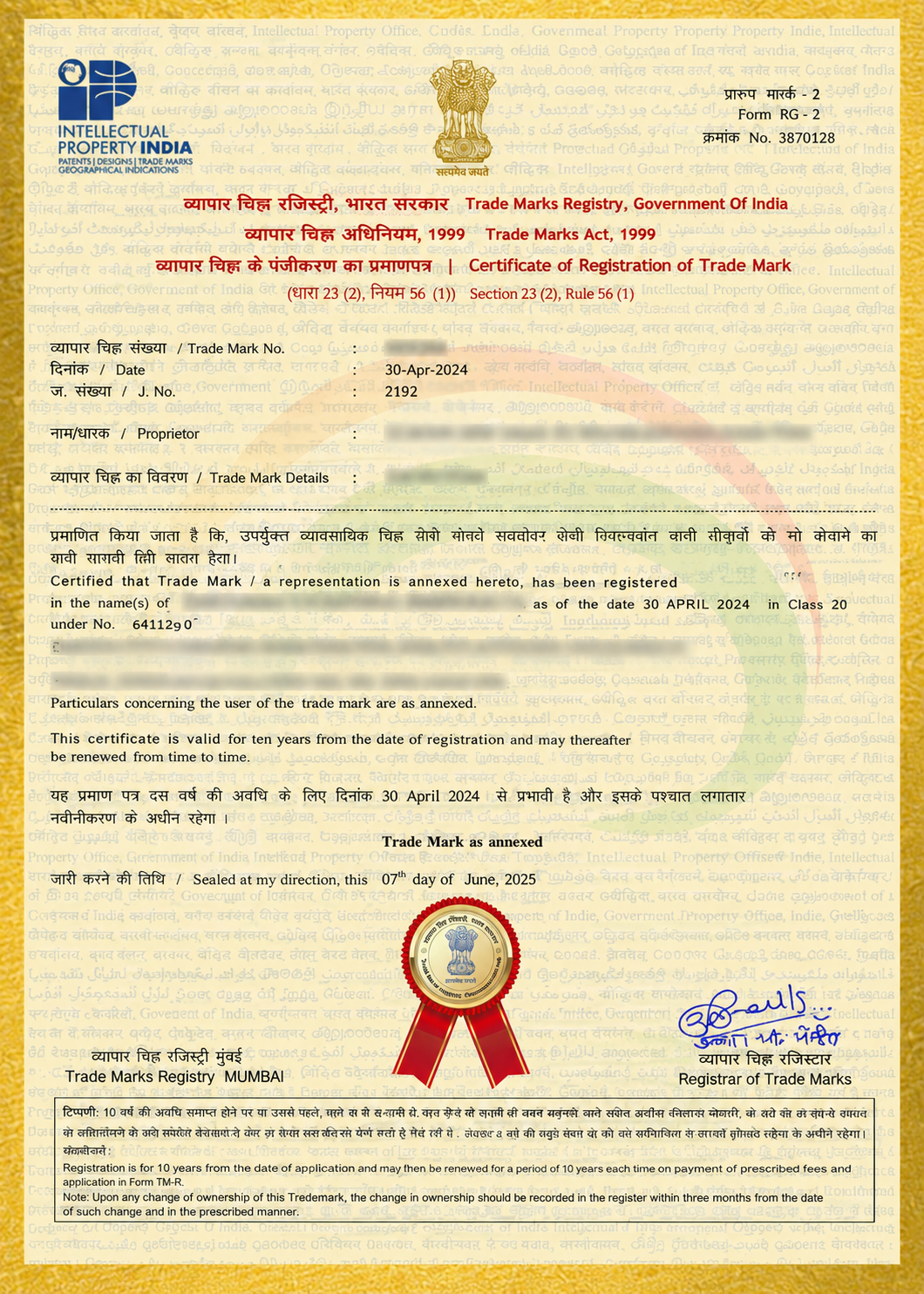
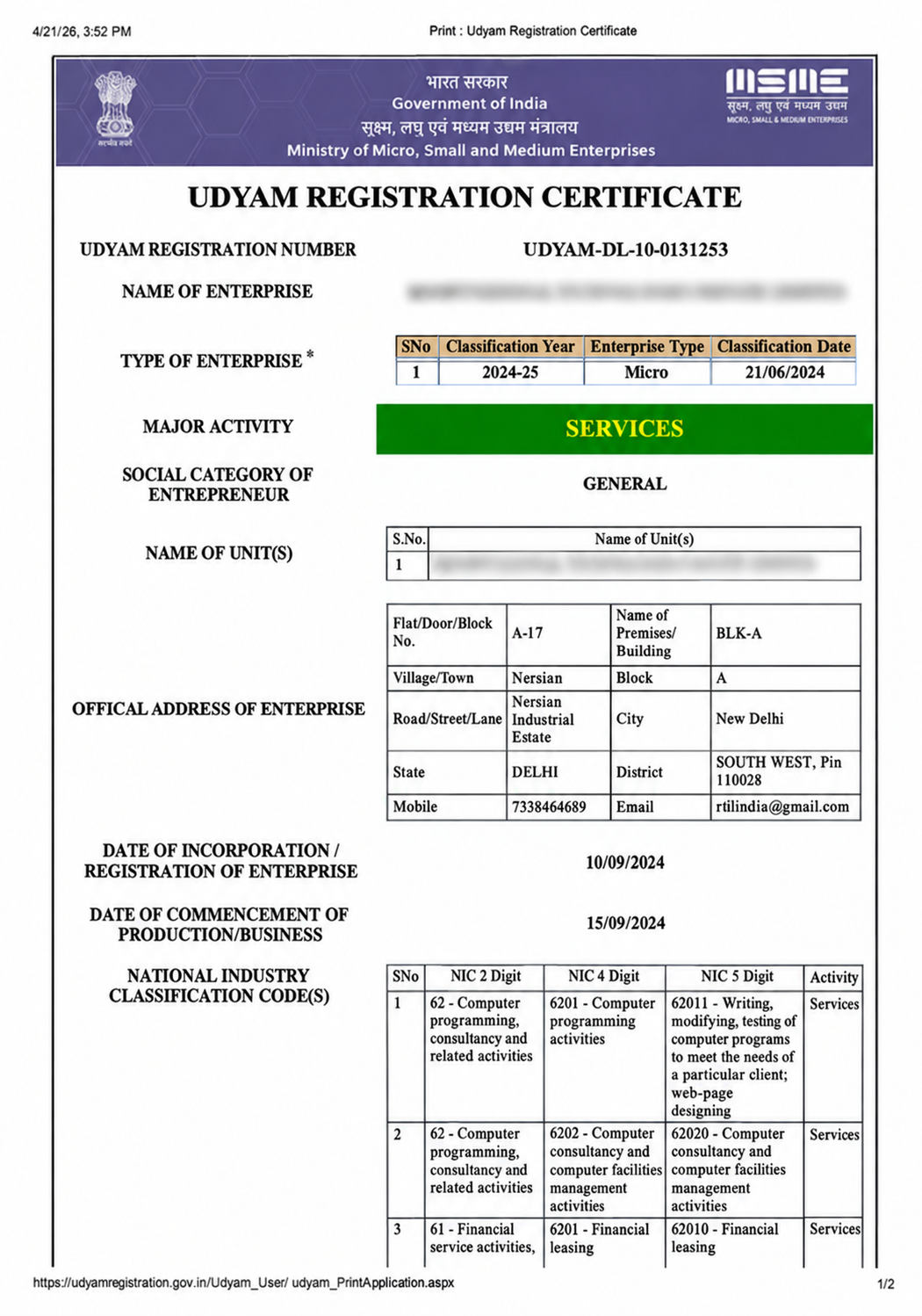
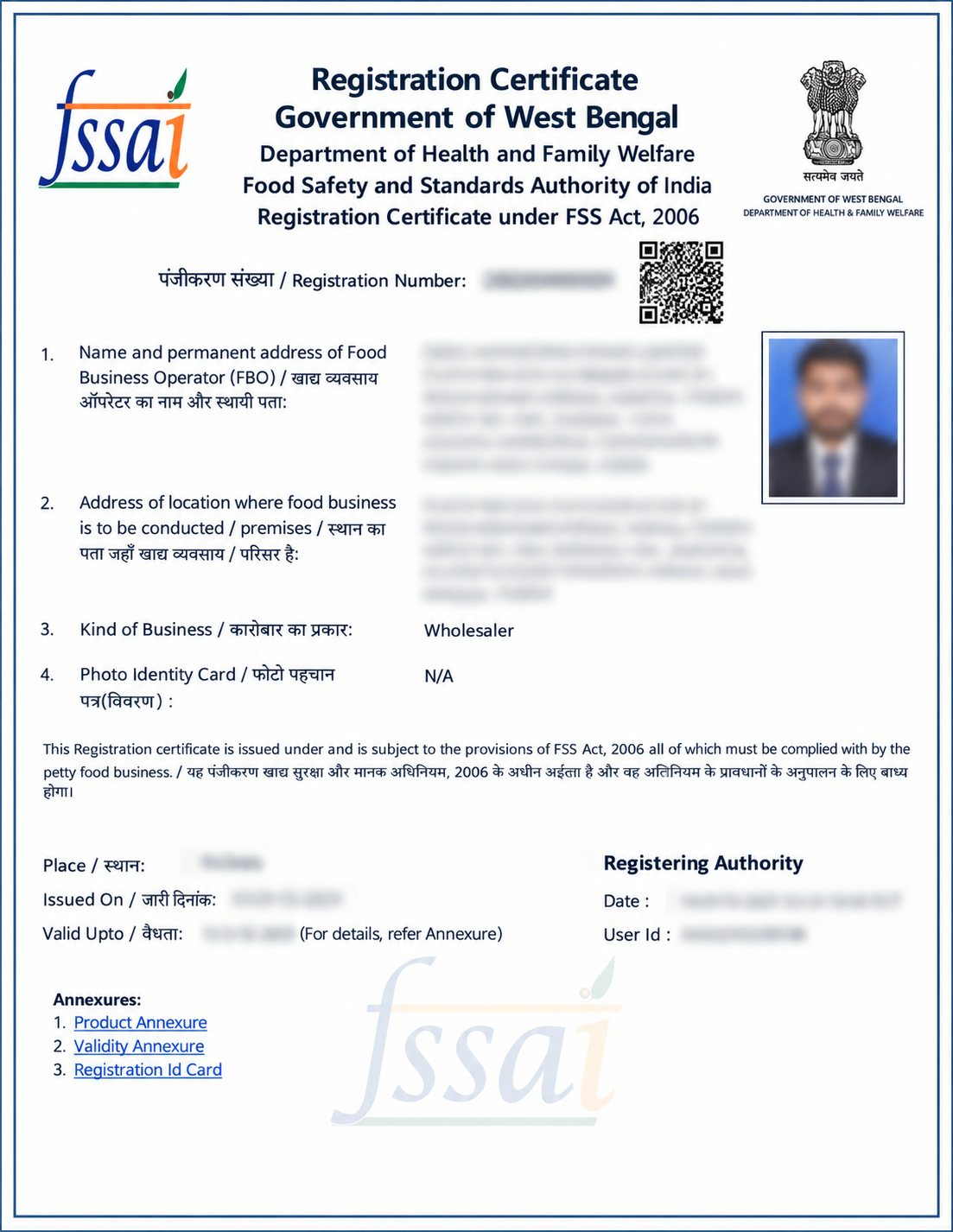
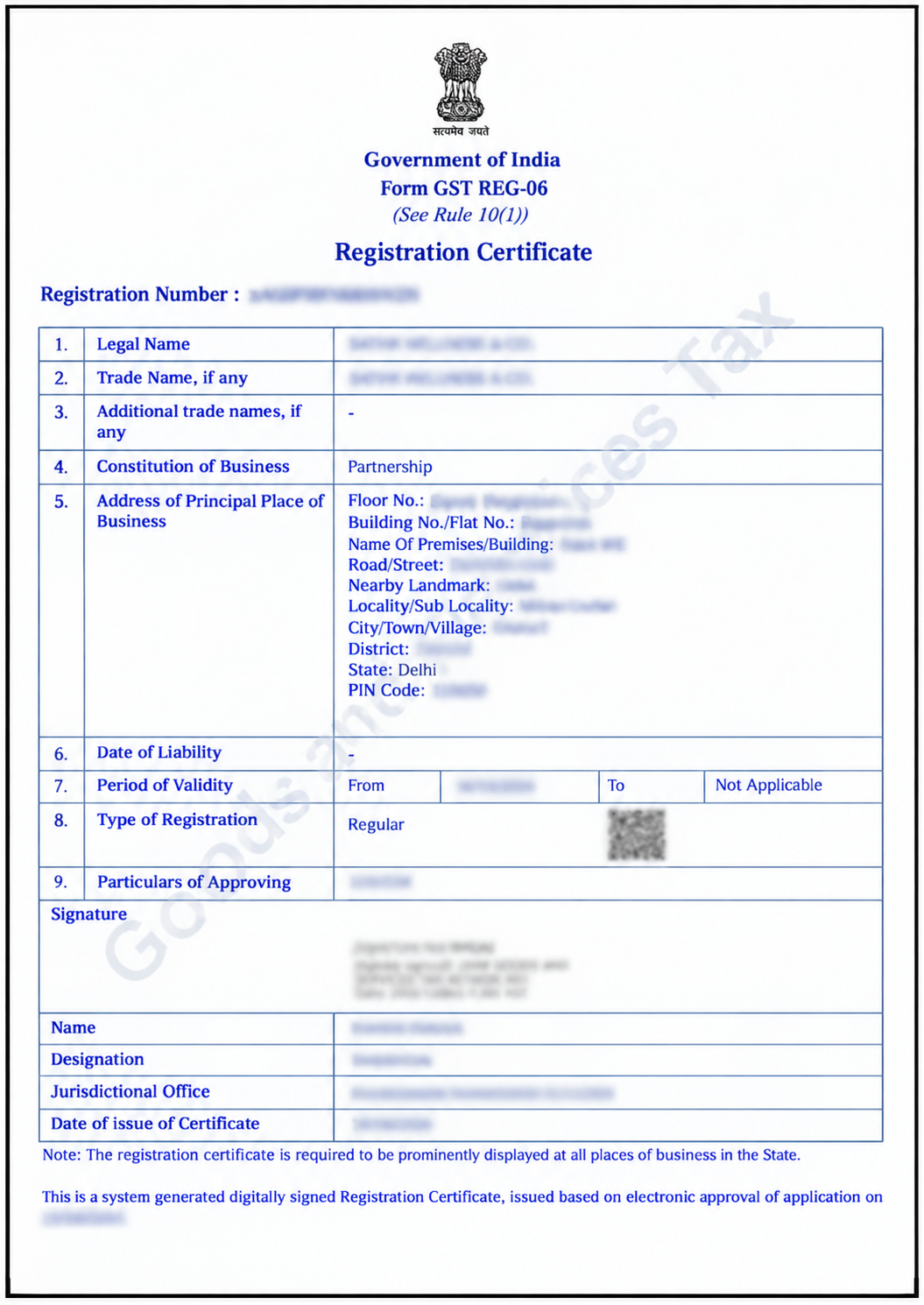
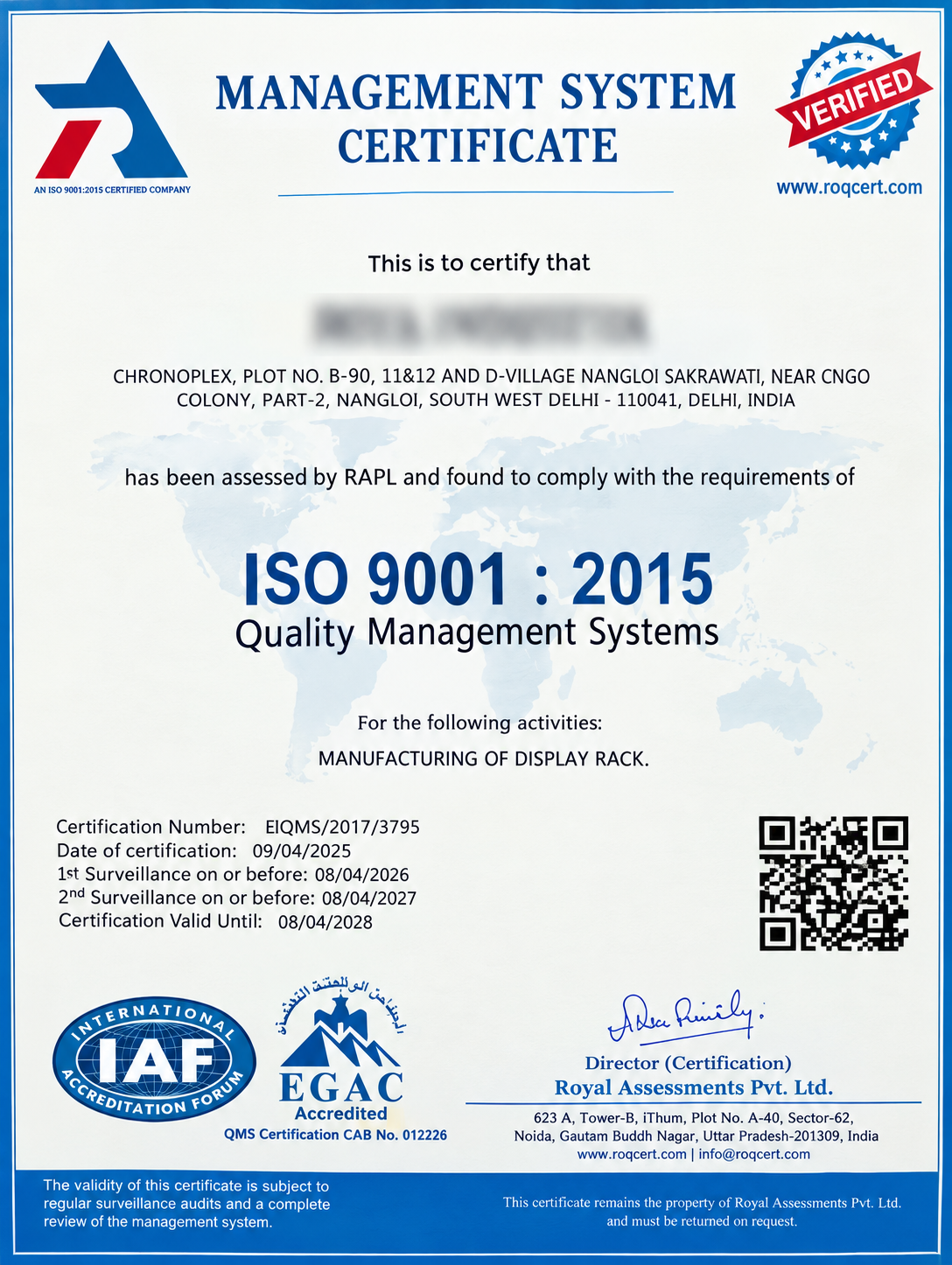
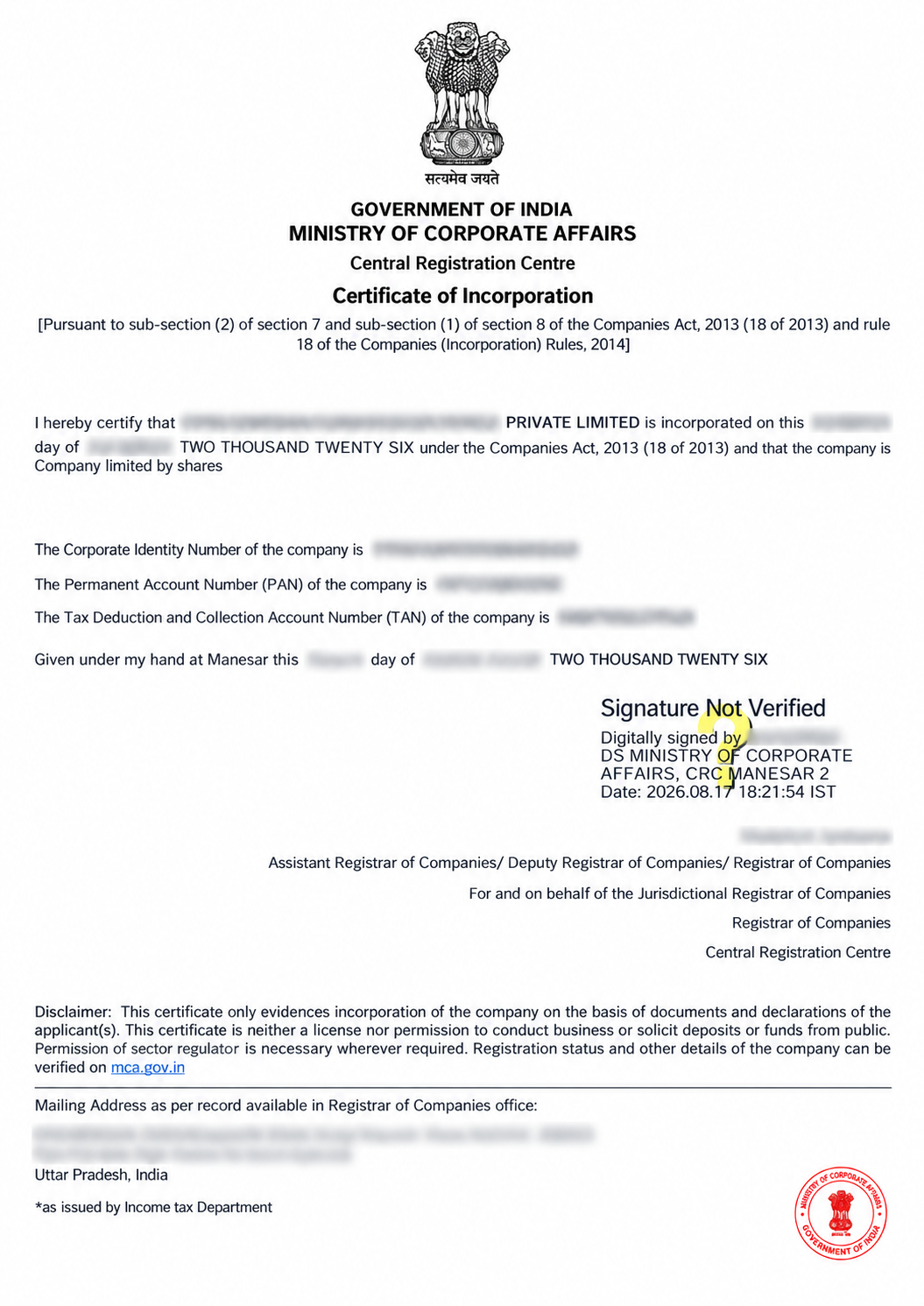
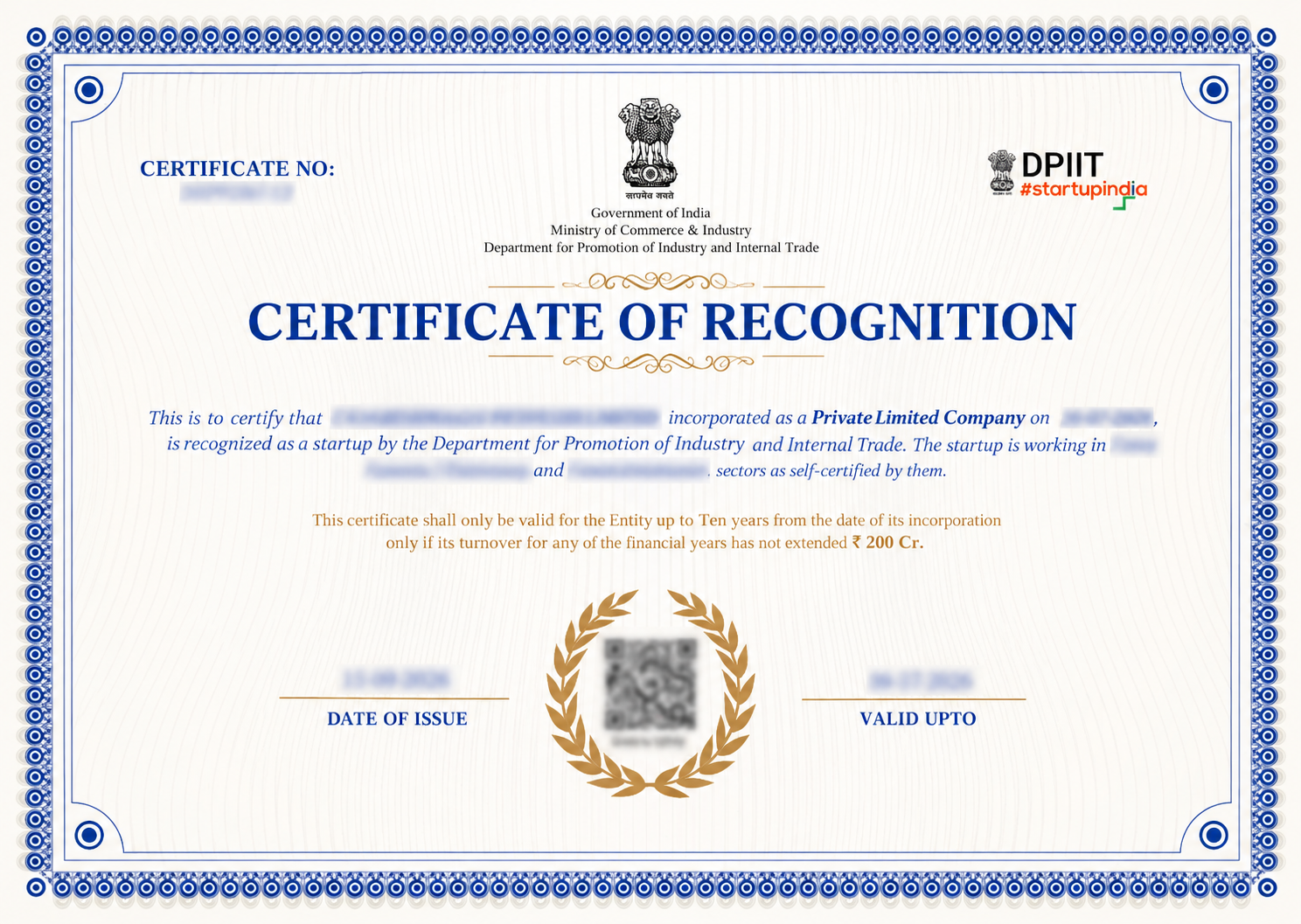
"Explore how Legalstartup has helped businesses reach new heights as their trusted partner."

Thousands of businesses and founders trust LegalStartup.