
Buying or selling a flat, house, plot or land? Legal Startup helps you with sale deed drafting, document and title review, stamp duty guidance and registration at the sub-registrar office, so ownership passes cleanly to the buyer.
Free call & custom quote · Professional fee + stamp duty + registration fee
A sale deed is the registered legal document that transfers ownership of immovable property from the seller to the buyer in exchange for a price. In India, a sale of property worth ₹100 or more is valid only if it is made by a registered instrument, so the sale deed must be stamped and registered at the sub-registrar office under the Transfer of Property Act, 1882 and the Registration Act, 1908.
Last updated: October 2026. Stamp duty, registration fees and procedures differ by state and can change, so we confirm the current position before the deed is finalised. This page is general information, not a substitute for advice on your specific property.
A sale deed, also called a conveyance deed, is the final document in a property purchase. It records that the seller has transferred all rights, title and interest in the property to the buyer for an agreed price, and that possession has been or is being handed over. Once it is properly stamped and registered, ownership passes to the buyer.
A sale deed is different from an agreement to sell. The agreement to sell sets out the terms of a future sale, often with an advance payment. It does not by itself transfer ownership. A Power of Attorney or a notarised document is also not a substitute for a registered sale deed. The sale is complete only when the deed is executed and registered.
A well-drafted deed names the parties correctly, describes the property with its address, area and boundaries, states the consideration and how it was paid, confirms that the seller has a clear and marketable title, and includes the seller's assurance that the property is free from encumbrances. The same details must match the seller's title documents and the municipal records. To read the legislation, visit India Code, the Government of India's repository of central Acts, including the Transfer of Property Act, 1882 and the Registration Act, 1908.
Important limits and rules every buyer and seller should know.
The drafting and documents depend on the kind of property and the parties involved.
Resale of a flat in a building or society.
Independent house, residential plot or commercial property.
Land sale where state rules on who may buy land apply.
Purchase of a new unit from a builder.
Property owned by several people or received by succession.
The owner is unable to attend and appoints a representative.
Not sure which situation applies to your property? Share the details and our team will tell you what the deed and registration will need.
Why buyers and sellers get the deed prepared by a legal professional.
The deed records exactly what is sold, to whom and for what price.
Registration makes the sale valid and gives you a public record of title.
A document and title review before signing reduces the risk of later claims.
Banks and future buyers rely on a clean registered deed.
Clear payment terms, possession date and assurances protect buyer and seller.
Correct details and stamping help the registrar process the deed on the day.
A correct deed makes it easier to update municipal and revenue records.
From document review to registered deed, here is how a sale deed is normally completed.
Timelines depend on the state, the sub-registrar's schedule and the condition of the documents. Not to scale.
We go through the seller's title documents, the earlier chain of deeds, the encumbrance certificate and tax receipts to spot gaps before you sign.
Sale price, payment schedule, possession date, who bears the costs and any conditions are confirmed with both parties.
The deed is drafted with party details, a full property description and schedule, title assurances and indemnity clauses, and shared for your review.
Stamp duty is paid on the value as per the state's rules, usually through e-stamping or the state's online system, and the deed is printed on the correct stamp paper.
After booking an appointment, the buyer, the seller and two witnesses appear with original IDs. The registrar verifies identity, takes photographs and biometrics, and registers the deed on payment of the registration fee.
Once the registered deed is issued, the buyer applies for mutation so that the municipal or revenue records show the new owner.
Keep these ready to avoid delays. Our expert will confirm the exact list for your state and property.
The total cost of getting a sale deed done depends on the value of the property, the state where it is located and the level of support you need. It generally has three parts:
Set by each state and usually calculated on the higher of the sale price and the government-assessed value. Rates and concessions differ, so we confirm the current rate for your state.
Charged by the state at the time of registration. Some states fix it as a percentage, others cap it, so it varies across India.
Our fee depends on the property, the number of parties and whether you need drafting only or registration support too. Call free for a custom quote before you pay anything.
Tax matters such as TDS on the purchase and capital gains for the seller are handled separately under income tax law, and we suggest speaking to a tax advisor for them. We share a clear, itemised quote before you begin – no hidden charges. Get your free quote →
Choose the support that matches your transaction, or call free for a custom quote.
The terms are agreed and you need a correct, ready-to-sign sale deed.
You want the deed prepared and completed through registration.
You are buying and want the documents reviewed before you commit.
Our professional fee is quoted after a free call. Stamp duty and registration fee are government charges, paid separately as per your state's rules. Not sure which option fits? Ask for a free document check.
Anyone transferring ownership of immovable property for a price needs a registered sale deed.
First-time and repeat buyers who want a valid deed and a clean title.
Owners who want the sale recorded correctly and their obligations clearly closed.
Banks need a registered deed and verified title before releasing the loan.
Buyers of plots, land and commercial property who need careful document review.
Parties who cannot attend in person and sign through a valid Power of Attorney.
Inherited or jointly held property where every owner must join in the sale.
A quick view of how a sale deed differs from the documents people often confuse it with.
| Document | What it does | Transfers ownership? | Registration | Note |
|---|---|---|---|---|
| Sale deed | Transfers property for a price | Yes | Compulsory | Final document of the sale |
| Agreement to sell | Records terms of a future sale | No | Depends on state rules | Binds parties to complete the sale |
| Power of Attorney | Authorises someone to act for the owner | No | Registration advised | The holder can sign the deed if authorised |
| Gift deed | Transfers property without payment | Yes | Compulsory | Used for gifts, not sales |
A proper document check before signing prevents most property disputes.
Registration transfers ownership. These steps make the records match.
Check every detail on the registered deed and store the original and receipts safely.
Apply to the municipal body or revenue office to record the property in the buyer's name.
Transfer property tax, electricity, water and other connections to the new owner.
Buyer and seller should handle TDS and capital gains obligations as per income tax law.
Need help with a related legal or business matter? Browse our other services from the Legal Startup home page or fill the form below.
Quick answers on sale deed drafting and registration in India.
A sale deed is the legal document that transfers ownership of immovable property, such as a flat, house, plot or land, from the seller to the buyer for a price. It is executed by both parties and, for property worth ₹100 or more, must be registered under the Registration Act, 1908.
Yes. Under Section 54 of the Transfer of Property Act, 1882, a sale of immovable property worth ₹100 or more can be made only through a registered instrument. An unregistered sale deed does not properly transfer ownership.
An agreement to sell records the terms on which the parties promise to complete the sale later. It does not by itself transfer ownership. The sale deed is the final document that transfers title and possession, and it is registered with the sub-registrar.
Generally the seller's title documents and previous chain of deeds, identity and address proof and PAN of both parties, property tax receipts, an encumbrance certificate, the agreement to sell if any, a Power of Attorney if someone signs on behalf of a party, passport size photographs and two witnesses. The exact list depends on the state and the property.
Stamp duty is set by each state, so the rate differs across India. It is usually calculated on the higher of the sale price and the government-assessed value of the property. Some states give concessions in certain cases, so we confirm the current rate for your state before the deed is finalised.
The deed is drafted and the stamp duty is paid, usually through e-stamping or the state's online system. An appointment is then booked at the sub-registrar office that covers the property. The buyer, the seller and two witnesses appear with their original documents, the registrar verifies identity, and the registered deed is issued after payment of the registration fee.
Under the Registration Act, 1908, a document should be presented for registration within four months of its execution. A short further period may be allowed on payment of a penalty, at the discretion of the registering authority, so it is safer to register promptly.
Usually the buyer bears the stamp duty and registration fee, but this is a matter of agreement between the parties and should be stated in the agreement to sell or the deed. Tax obligations such as TDS and capital gains are handled separately under income tax law.
A registered sale deed cannot normally be cancelled by one party on its own. A court can set it aside on grounds such as fraud or misrepresentation. Parties may sometimes execute a cancellation deed together, but stamp duty and registration rules differ by state, so take legal advice first.
A registered sale deed is the main document showing that ownership passed to you, but it is only as good as the seller's title. That is why a title check of the earlier chain of documents is advised before you buy. Mutation in the municipal or revenue records then supports your ownership.
Yes, if the Power of Attorney is valid and specifically authorises the holder to sell and register the property on the owner's behalf. A Power of Attorney alone does not transfer ownership. The sale deed executed under it must still be stamped and registered.
Collect the registered deed, apply for mutation of the property in your name in the municipal or revenue records, update the property tax and utility connections, and keep the original deed and receipts safely. The seller and buyer should also complete any tax filings that apply to the sale.
Buying or selling property? Speak to our legal expert today – the document check and the quote are free.
Tell us what you need and our team will get back to you with the right guidance.
Legalstartup ke certificates, registrations aur recognitions jo hamari credibility dikhate hain.
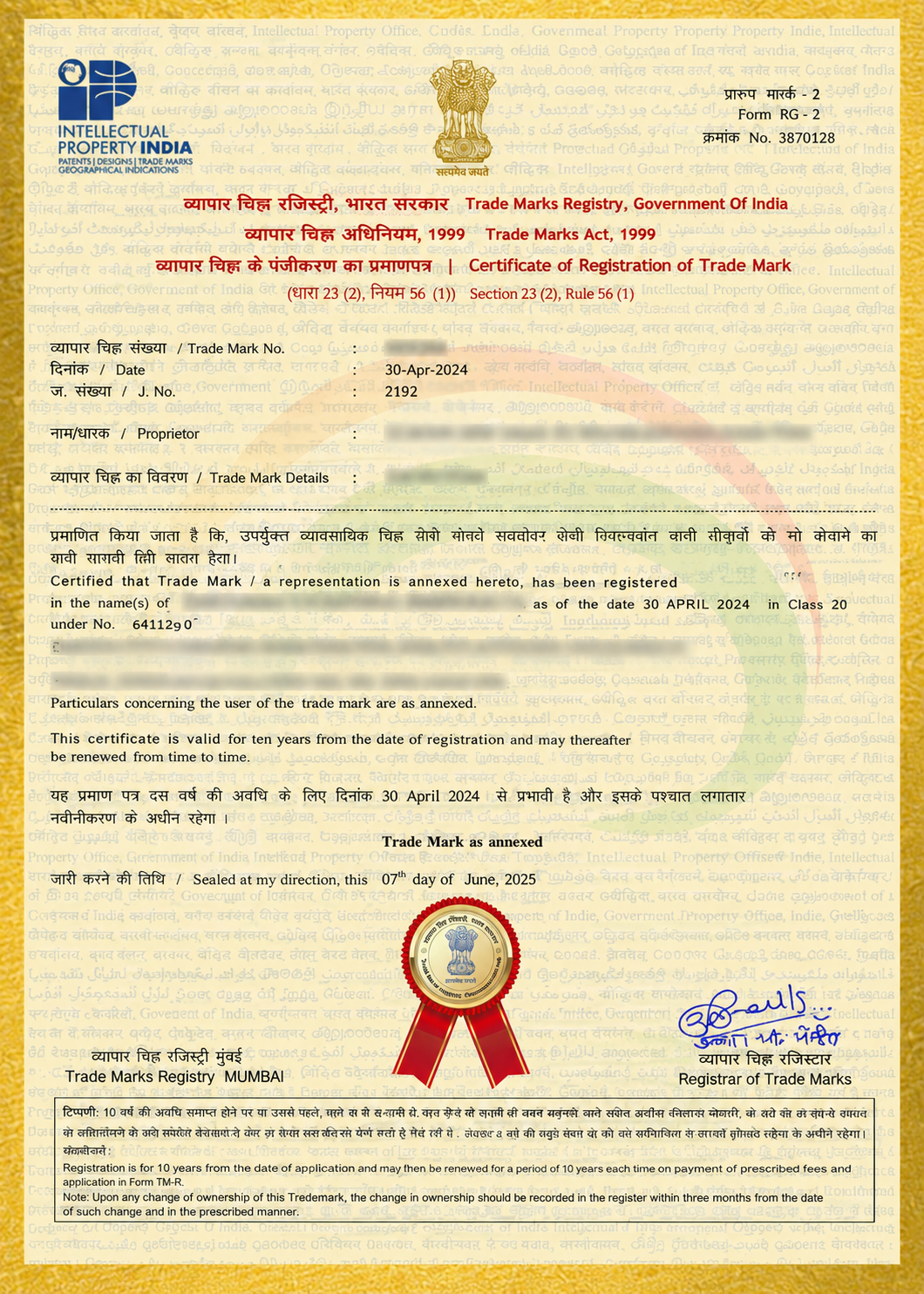
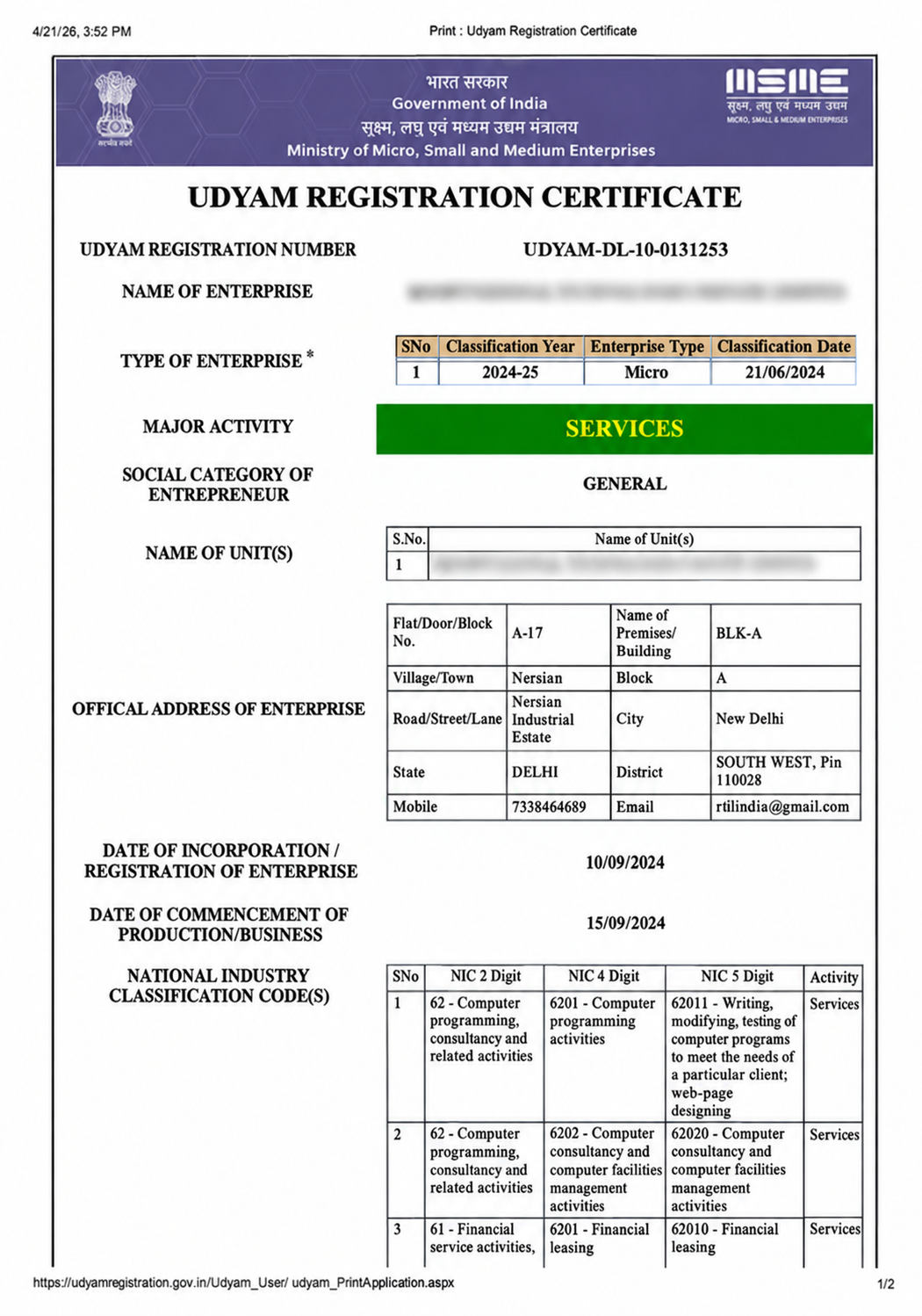
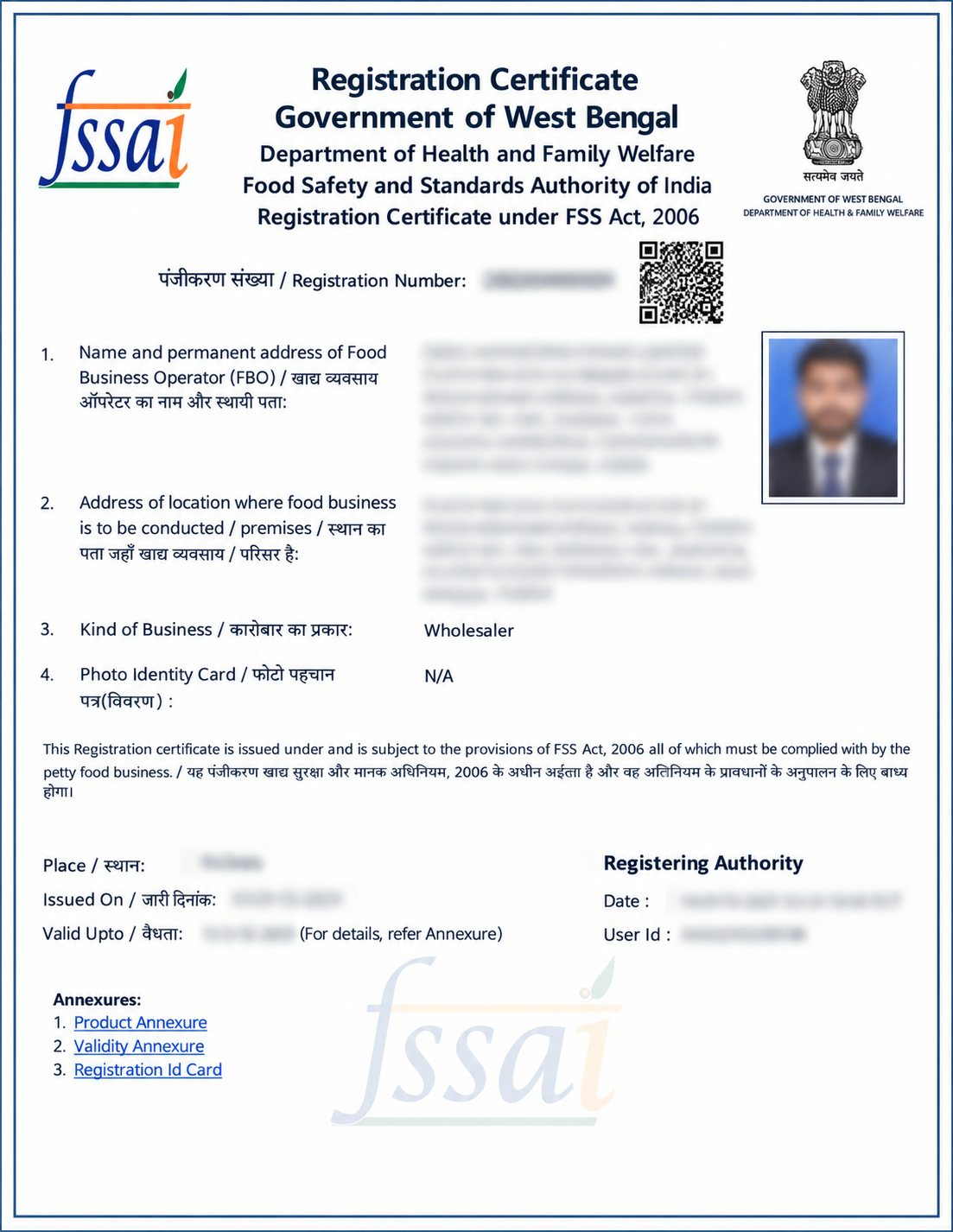
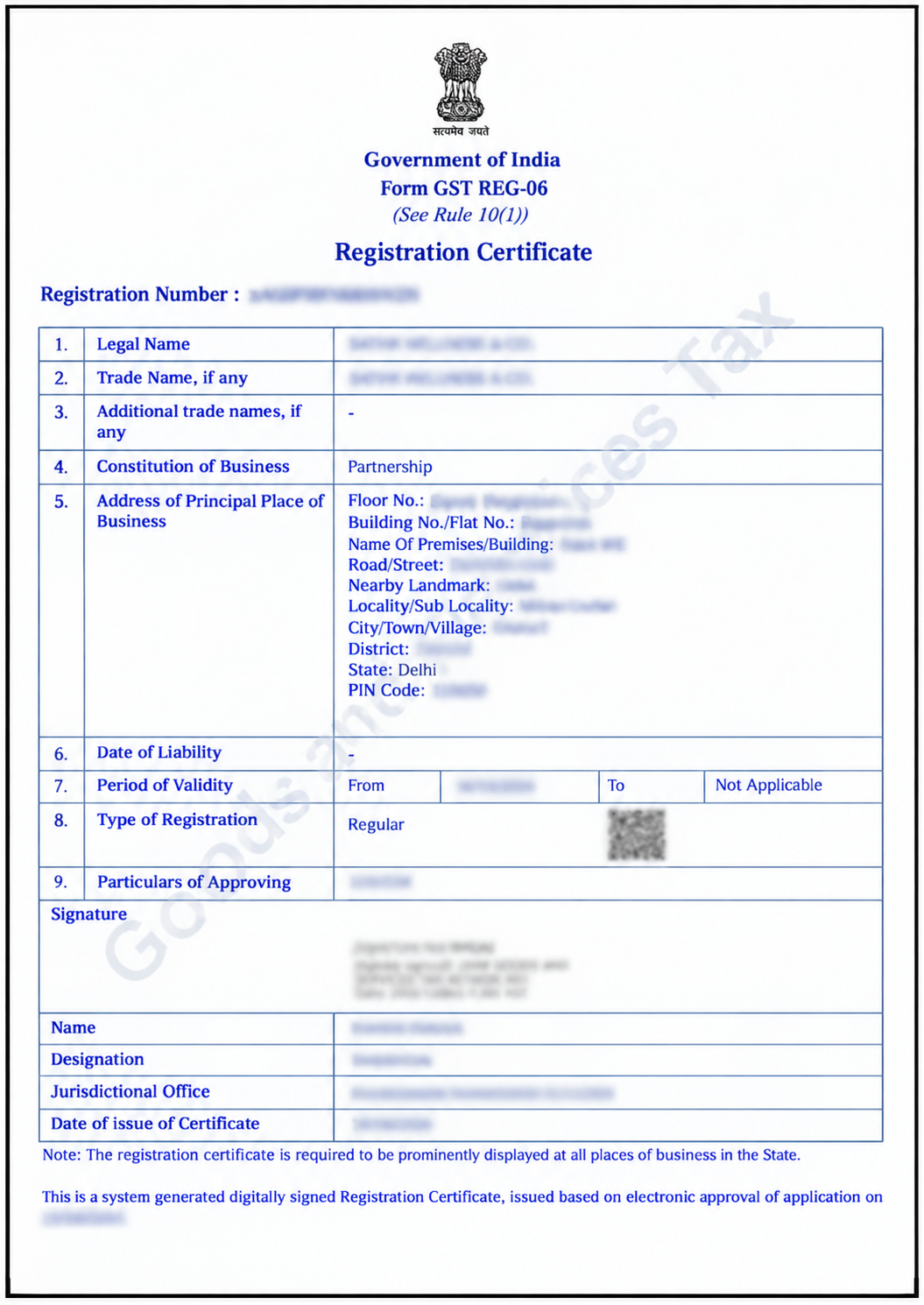
"Explore how Legalstartup has helped businesses reach new heights as their trusted partner."

Thousands of businesses and founders trust LegalStartup.