
Send a legal notice or reply to one with Legal Startup. A legal expert reviews your facts and documents, drafts the notice, arranges sending with proof of delivery and guides you on the next step if the other side does not respond.
Free call & custom quote · Quote shared before you pay anything
A legal notice is a formal written communication that tells the other party about your grievance, states your demand and warns that legal action may follow if it is not resolved within a stated time. In India it is usually drafted and sent under an advocate's signature, by registered or speed post, and it becomes important evidence if the dispute reaches court.
Last updated: October 2026. Laws, time limits and procedures can change, and each dispute is different, so we confirm the current position for your case before sending.
A legal notice is a formal letter that puts your claim on record. It names the parties, sets out the facts in order, explains the legal basis for your claim, states the exact relief you want and gives the other side a fixed time to act. If the matter is not settled, the notice becomes the starting point of a case and shows that you gave the other party a fair chance to resolve it.
A notice is not always compulsory, but in some situations the law requires one. A dishonoured cheque needs a demand notice within the time allowed under Section 138 of the Negotiable Instruments Act, 1881, and a suit against the government generally needs prior notice under Section 80 of the Code of Civil Procedure, 1908. Tenancy termination under Section 106 of the Transfer of Property Act, 1882 also depends on proper notice. A notice does not stop the limitation period from running, so you should still watch the time limit for filing a case.
The tone and content matter. A clear, factual and legally sound notice is more likely to lead to a settlement, while a vague or aggressive one can weaken your position. For case status and court information, visit the official eCourts services website. If your dispute involves a brand or logo, see our trademark registration online service to protect your name.
Important time limits that often decide how a legal notice should be handled.
The right notice depends on the dispute and the law that applies.
A cheque you received was returned unpaid.
A person or business has not paid dues, a loan or an invoice.
Disputes between landlords and tenants or over property.
Defective goods, poor service or refused refunds.
A partner, vendor or client has breached an agreement.
Someone is misusing your brand, content or reputation.
Not sure whether you need a notice at all? Share a short summary of your dispute and our experts will tell you the right route, free of charge.
Why people send a notice before going to court.
The notice documents your demand and the date you made it.
Many disputes are resolved after a firm, clear notice without going to court.
Where the law requires prior notice, a correct notice keeps your case on track.
A properly sent notice with proof of delivery supports your case in court.
A notice drafted by legal professionals is taken more seriously than an informal message.
Resolving a dispute at the notice stage is usually faster than a full case.
Share your documents from anywhere in India without visiting an office.
From first call to proof of delivery, here is how sending a legal notice works.
Timelines depend on how quickly documents are shared and on postal delivery. Not to scale.
Tell us what happened, who is involved and what outcome you want, in simple words.
We check your agreements, invoices, cheques or messages, and note any time limit that applies.
The notice is drafted with facts, legal basis, demand and time limit, and shared with you for approval.
The notice is sent by registered or speed post under an advocate's signature, with an email copy.
We track delivery, keep the proof safe and review any reply that the other side sends.
If the matter is settled, we help record it. If not, we explain your options for filing a case.
Keep these ready to avoid delays. Our expert will confirm the exact list for your dispute.
The cost of a legal notice depends on the type of dispute, how complex the facts are, the number of parties and how the notice is sent. It generally has three parts:
Covers review of your facts, drafting and the advocate's signature. It varies with the dispute, so we share a quote after a free call.
Registered or speed post charges for each recipient, plus courier or email if used.
A reply to the response, follow-up notices and filing a case are separate and quoted if you need them.
We share a clear, itemised quote before you begin – no hidden charges. Get your free quote →
Choose the situation that matches your dispute, or call free for a custom quote.
You want to put a claim or demand on record.
You received a notice and a deadline is running.
A cheque was dishonoured or money is owed to you.
Our professional fee is quoted after a free call. Postage is separate. A legal notice cannot guarantee a particular outcome, and court proceedings, if needed, are quoted separately. Not sure which option fits? Ask for a free review.
If a problem has not been solved by reminders and calls, a notice is the next formal step.
Recover a loan, deposit or payment that has not been returned.
Chase unpaid invoices and record breaches by clients, vendors or partners.
Handle rent arrears, deposit disputes and tenancy termination.
Demand a refund, repair or replacement for goods and services.
Claim unpaid fees and protect your work and reputation.
If someone has sent you a notice, speak to us quickly about a reply.
A quick view of how a legal notice differs from other ways of raising a dispute. Ask us which one fits your case.
| Option | What it is | When it is used | Formality | Watch out for |
|---|---|---|---|---|
| Legal notice | Formal notice, usually under an advocate's signature | When reminders have failed or the law requires notice | High | Must be accurate and sent with proof |
| Informal demand letter or email | A plain written request sent by you | Early reminders for small or friendly disputes | Low | Carries less weight and may not meet legal requirements |
| Cease and desist notice | Demand to stop an act such as infringement or defamation | Brand, copyright or reputation misuse | High | Needs evidence of the wrongful act |
| Reply to a legal notice | Written response to a notice you received | Within the deadline stated in the notice | High | Silence can be used against you |
A timely, accurate notice prevents most avoidable problems.
Sending the notice starts the clock. Here is what usually follows.
Keep the postal receipt and tracking record as proof of dispatch and delivery.
The other party has the time stated in the notice, or the period fixed by law, to comply or reply.
A reply may admit the claim, offer a settlement or dispute the facts, and each needs a considered response.
If the matter is unresolved, you can consider filing a case, keeping the limitation period in mind.
If your dispute involves a brand under objection or opposition, see our trademark hearing online service. To protect your brand before a dispute arises, see trademark registration online.
Quick answers on legal notices in India.
A legal notice is a formal written communication that tells the other party about your grievance, states what you demand and warns that legal action may follow if it is not resolved within a stated time. It is usually drafted and sent under an advocate's signature.
Send one when a dispute is not resolved by talking or reminders, for example unpaid dues, a dishonoured cheque, a breach of contract, a tenancy dispute or a deficiency in service. It records your claim, gives the other side a chance to settle and is useful evidence later.
Not in every case. It is required in some situations, such as a demand notice for a dishonoured cheque under Section 138 of the Negotiable Instruments Act, 1881, and a notice before suing the government under Section 80 of the Code of Civil Procedure, 1908. In other cases it is optional but strongly advisable.
Share the facts and documents with us, a legal expert reviews them, the notice is drafted for your approval and sent by registered post or speed post with email as a supplementary copy, and you keep the proof of delivery. We guide you through each step.
Names and addresses of both parties, a clear chronological statement of facts, the legal basis of your claim, the exact demand or relief, a reasonable time limit to comply, the consequence of non-compliance, and the signature of the sender or advocate.
It depends on the matter. Fifteen to thirty days is common, but some laws set their own periods. In a cheque dishonour notice the drawer has 15 days from receipt to pay, and a notice to the government under Section 80 CPC requires two months before suit. We confirm the right period for your case.
Do not ignore it. Read the demand and the deadline, collect your documents, and get a reply drafted promptly. A well-considered reply can resolve the matter, correct the facts or protect your position if the dispute goes to court.
There is usually no automatic penalty for ignoring one, but the sender may file a case, and your silence can be used against you. In cheque dishonour cases, failure to pay within the statutory period allows the payee to file a complaint.
Email and messaging can be used as an additional copy and may help as evidence, but registered post or speed post with proof of delivery is the safer primary mode. We usually advise sending by post along with email.
The cost depends on the type of dispute, the complexity of the facts and the number of parties. We do not publish a fixed price; call free and we share an itemised quote before you pay anything.
Need to send or reply to a legal notice? Speak to our legal expert today – the first consultation and the quote are free.
Tell us what you need and our team will get back to you with the right guidance.
Legalstartup ke certificates, registrations aur recognitions jo hamari credibility dikhate hain.
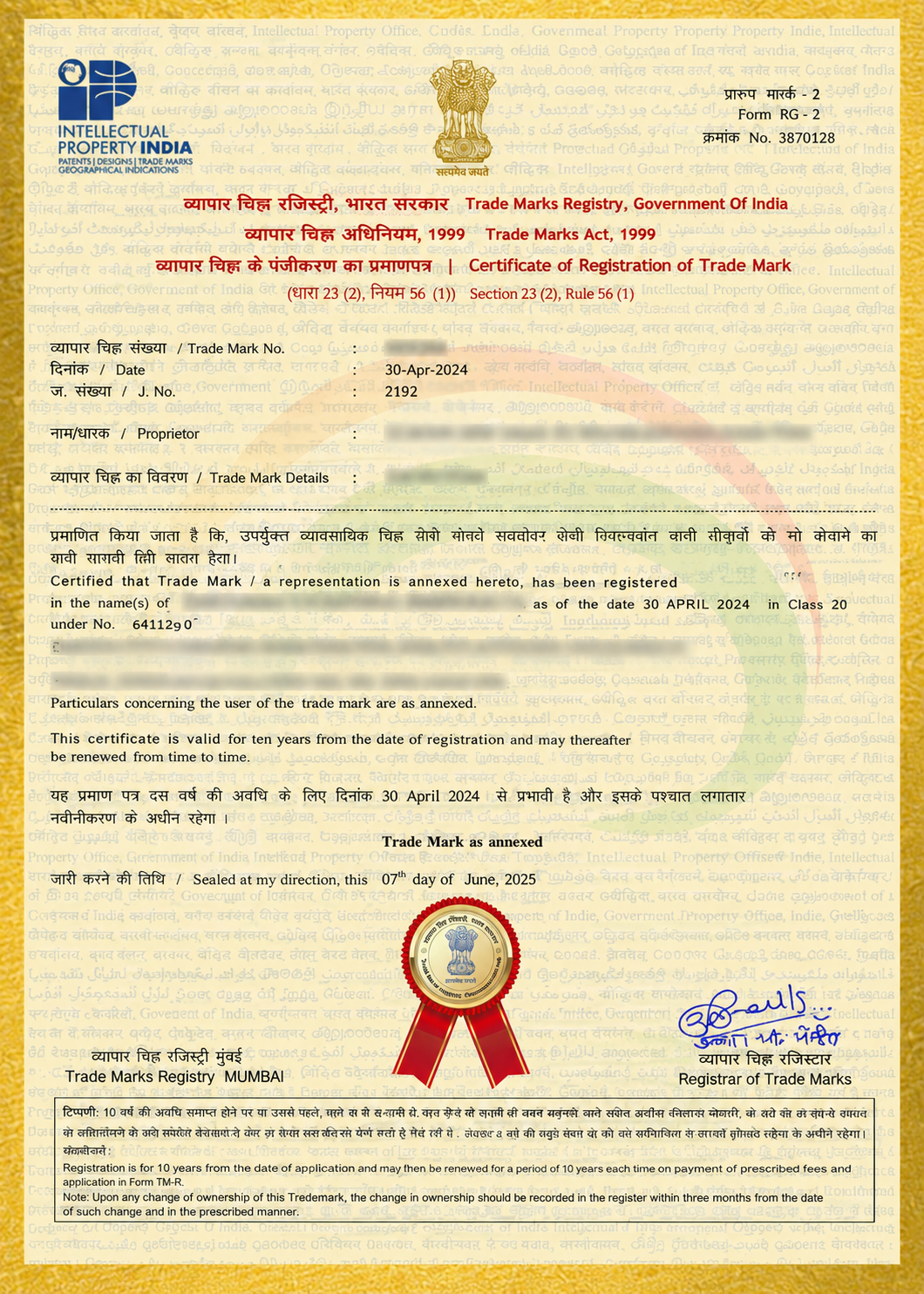
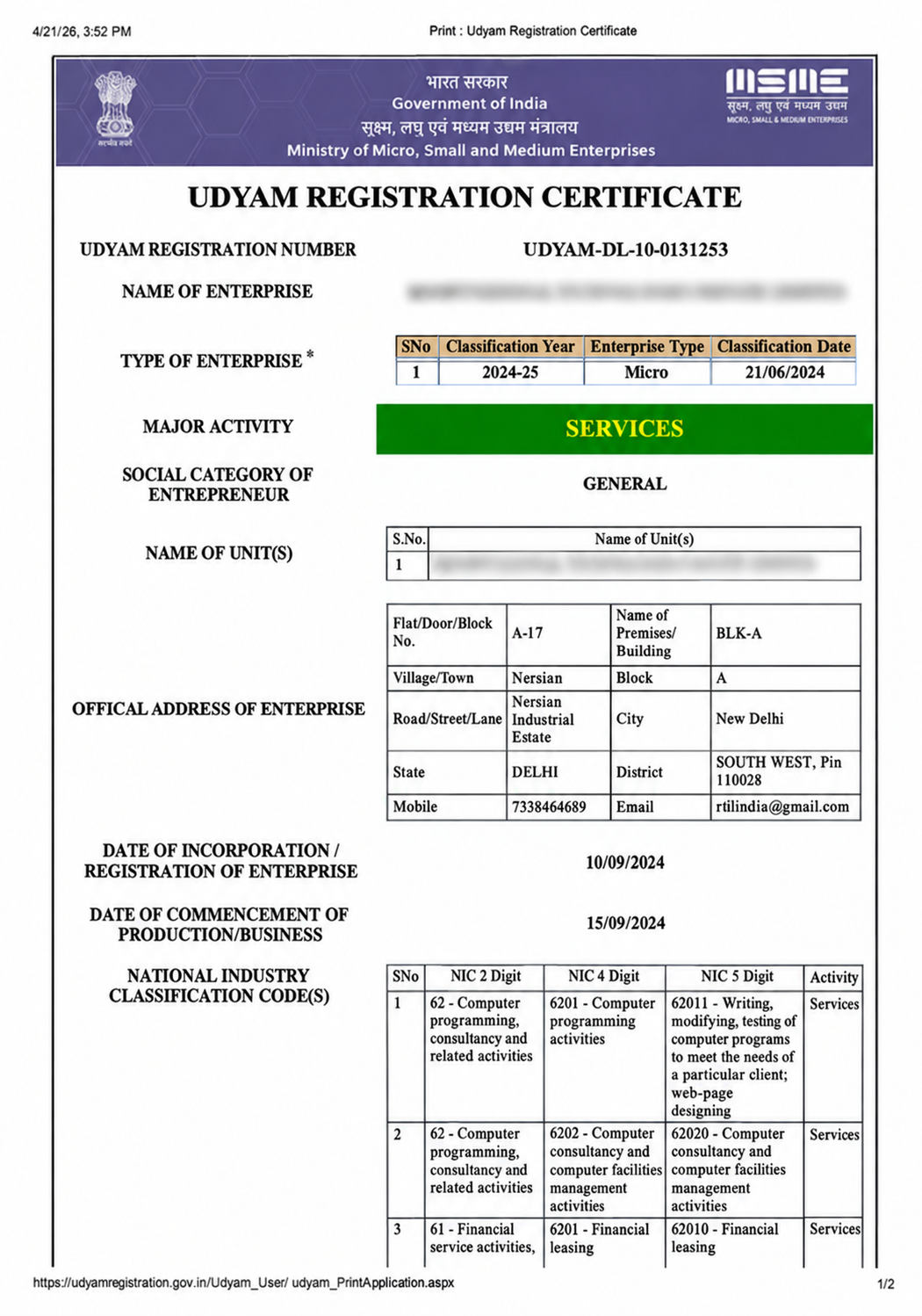
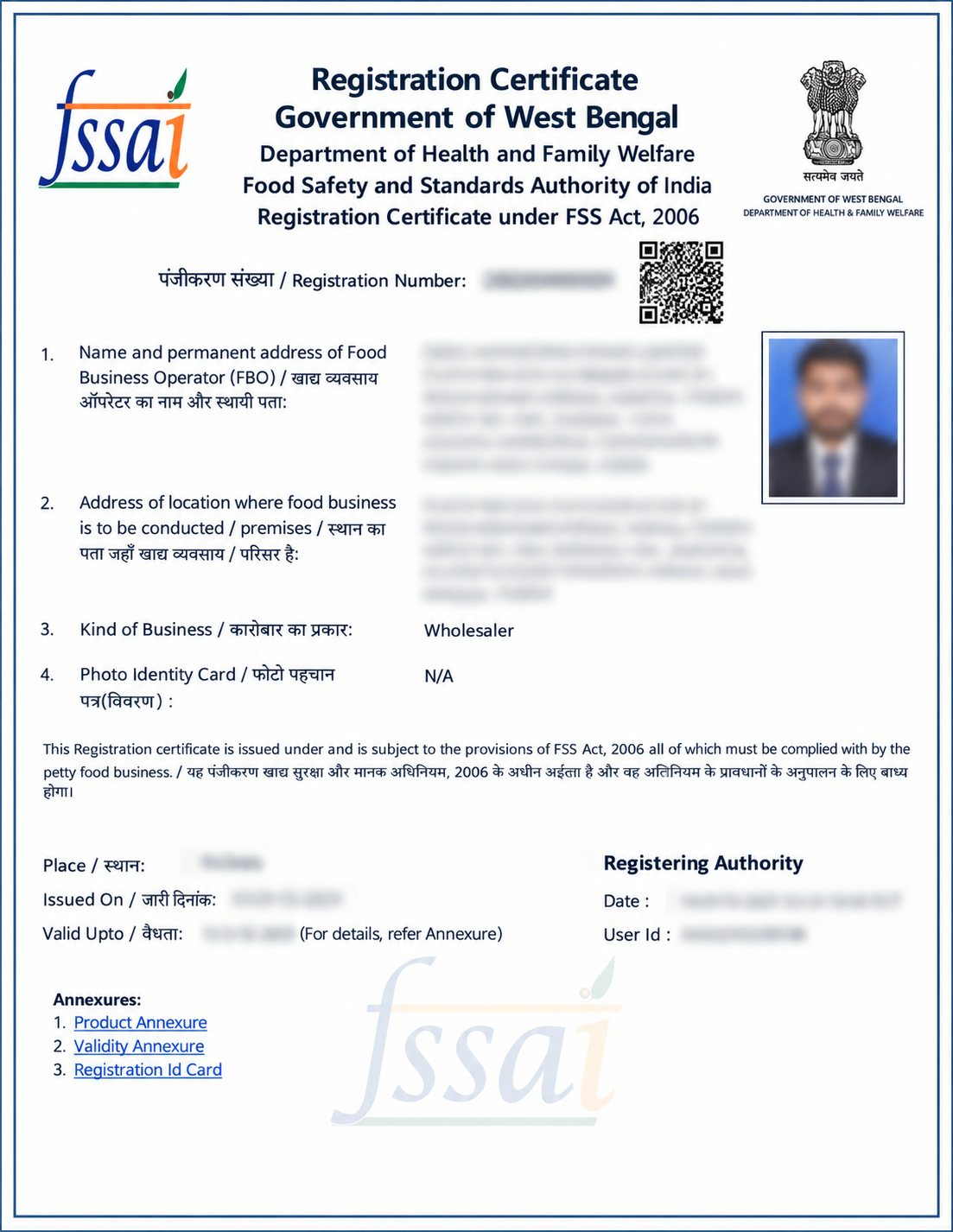
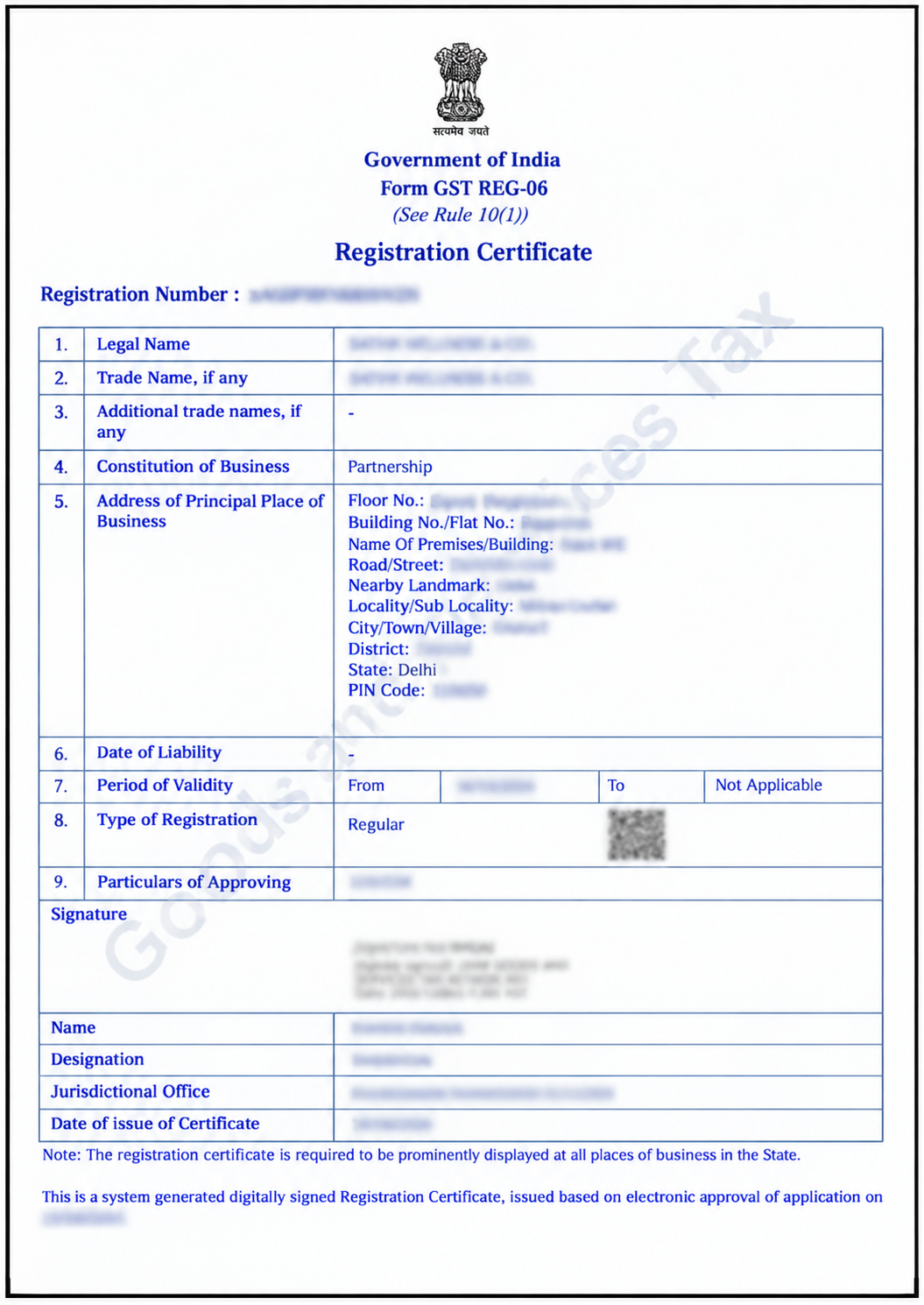

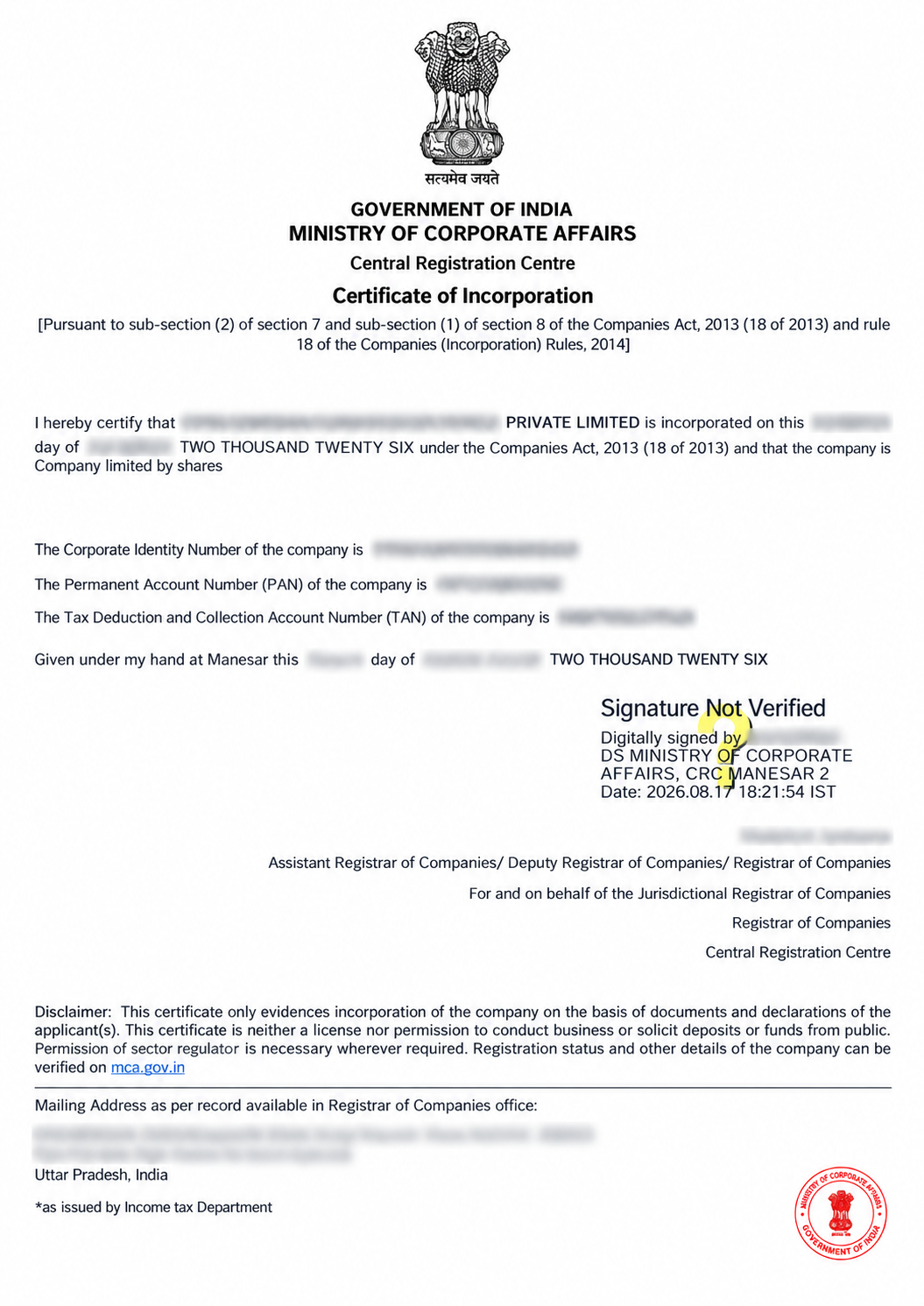
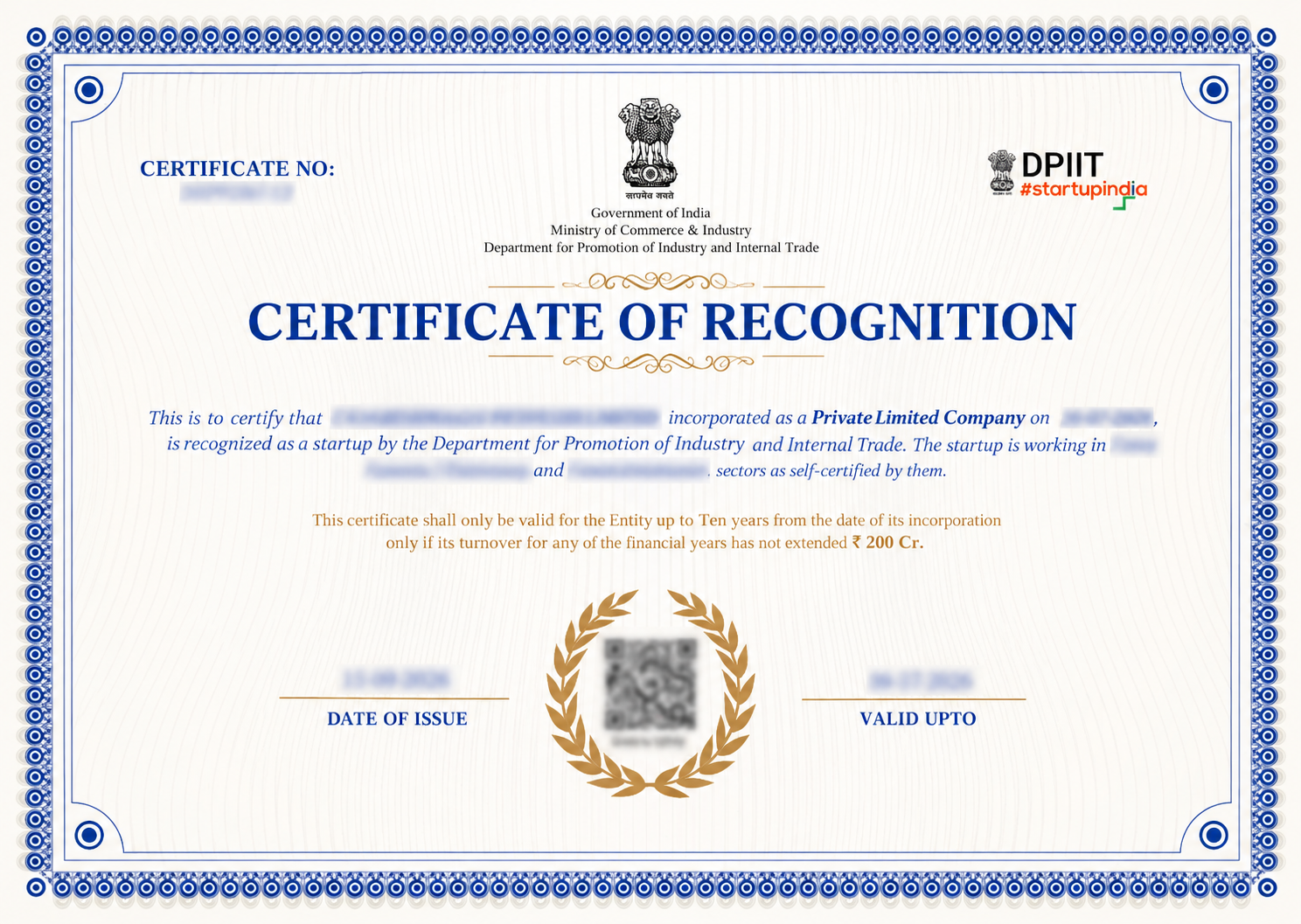
"Explore how Legalstartup has helped businesses reach new heights as their trusted partner."

Thousands of businesses and founders trust LegalStartup.