Get your MOU agreement drafted or reviewed with Legal Startup. A legal expert understands the deal, drafts clear clauses on roles, payment, confidentiality and exit, and guides you on stamp duty and signing so the document works when you need it.
Free call & custom quote · Quote shared before you pay anything
An MOU agreement, or Memorandum of Understanding, is a written document in which two or more parties record their shared purpose, roles and basic terms before or alongside a detailed contract. In India an MOU can be legally binding if it contains the essentials of a valid contract, so its wording, stamping and signing matter as much as any other agreement.
Last updated: October 2026. Laws and state stamp rules vary and can change, and each deal is different, so we confirm the current position for your case before drafting.
An MOU is a document that shows the parties have reached a common understanding. It usually states who the parties are, what they plan to do together, what each side will contribute, how long the arrangement lasts and how it can end. It is often signed at the start of a partnership, investment, collaboration or supply arrangement, before a full contract is ready.
Many people think an MOU is never binding. That is not correct. Under the Indian Contract Act, 1872, a document is a contract if it has offer and acceptance, consideration, free consent, capacity and a lawful object, along with an intention to create legal relations. An MOU that meets these tests can be enforced, even if it is called a memorandum. If you want only some parts to bind, such as confidentiality, the MOU should say so clearly.
Two practical points are often missed. First, stamp duty is decided by the state stamp law, and a document that is not properly stamped may not be accepted as evidence until duty and penalty are paid. Second, the person signing must have authority to bind the company or firm. For laws and official information, you can refer to the Legislative Department, Government of India. If your MOU involves a brand or logo, see our trademark registration online service.
What every party should keep in mind before signing an MOU.
The right clauses depend on the kind of arrangement you are making.
Two or more businesses plan to work together on a project.
An investor and a company record the intended terms of funding.
A buyer and a supplier or service provider set the basic terms.
Founders and early collaborators record their understanding.
Collaboration between institutions, trusts or NGOs.
Parties record an intention to buy, sell, lease or develop property.
Not sure whether you need an MOU or a full agreement? Tell us about your deal and our experts will suggest the right document, free of charge.
Why parties put their understanding in writing.
Roles, goals and timelines are written down and agreed by all sides.
A clear document reduces arguments over who promised what.
You decide which clauses bind the parties and which only record intent.
Sensitive information shared during talks can be covered by a clause.
A properly stamped and signed MOU is useful proof of what was agreed.
Parties can begin work while the detailed contract is being finalised.
Share details from anywhere in India without visiting an office.
From first call to signed document, here is how MOU drafting works.
Timelines depend on how quickly details are shared and how many rounds of changes are needed. Not to scale.
Tell us who is involved, what you plan to do together and whether any part should be legally binding.
We collect names, addresses, entity details, roles, financial terms, timelines and any special conditions.
The MOU is drafted with clear clauses on scope, payment, confidentiality, exit, governing law and dispute resolution.
You review the draft, share changes, and we update it until it reflects what the parties agreed.
We explain the stamp duty for your state, whether notarisation or registration applies, and the right way to sign.
All parties sign with witnesses, each keeps a signed copy, and we note key dates for you to track.
Keep these ready to avoid delays. Our expert will confirm the exact list for your case.
The total cost of an MOU depends on the type of arrangement, how complex the terms are, the number of parties and whether stamping and notarisation are needed. It generally has three parts:
Covers understanding the deal, drafting or vetting the MOU and the rounds of changes. It varies with complexity, so we share a quote after a free call.
Stamp duty is set by the state and depends on the document. Notary or registration charges apply where needed. We guide you on the current amount.
A full definitive agreement, extra parties, urgent turnaround and a detailed review of other documents are separate, if you need them.
We share a clear, itemised quote before you begin – no hidden charges. Get your free quote →
Choose the situation that matches your need, or call free for a custom quote.
You need a new MOU written for your deal.
You already have an MOU or received one from the other party.
You want the document ready to sign and enforceable.
Our professional fee is quoted after a free call. Stamp duty and notary or registration charges are separate and set by law. An MOU cannot guarantee a business outcome. Not sure which option fits? Ask for a free review.
If you are about to work with someone on the basis of trust, put it in writing.
Record roles, equity intent and intellectual property ownership early.
Set the basic terms with partners, vendors and clients before a full contract.
Document the intended terms of funding while due diligence continues.
Formalise collaborations, projects and shared resources.
Record intent and conditions, and check stamping and registration needs.
Agree on scope, fees and ownership of work before starting a project.
A quick view of how an MOU differs from other common documents. Ask us which one fits your deal.
| Document | What it is | Binding? | Best for | Watch out for |
|---|---|---|---|---|
| MOU | Records shared understanding and basic terms | Depends on the wording | Early stage of a partnership or deal | Vague wording can create disputes |
| Detailed agreement | Full contract with specific obligations | Yes, if it meets contract requirements | Final terms of a deal | Takes longer to negotiate |
| Letter of intent | States an intention to proceed with a deal | Usually not, except stated clauses | Signalling serious interest | Do not treat it as a final commitment |
| NDA | Protects confidential information | Yes, for confidentiality terms | Sharing sensitive information | Does not cover the wider deal |
Clear wording, correct stamping and proper signatories prevent most problems.
Signing is the start. Here is how to keep the MOU useful.
Each party should keep a stamped, signed original or certified copy.
Keep emails and records showing that each party is doing what the MOU says.
Record any change in scope, price or timeline through a written addendum signed by all parties.
Move to a definitive agreement, renew the MOU or close it formally before it expires.
If the other party does not honour a binding MOU, see our legal notice online service. To protect a brand covered by the MOU, see trademark registration online.
Quick answers on MOU agreements in India.
An MOU, or Memorandum of Understanding, is a written document that records the shared understanding, purpose and roles of two or more parties before or alongside a detailed contract. It sets out what each side intends to do and on what basis.
It depends on the wording. An MOU can be binding if it has the essentials of a contract under the Indian Contract Act, 1872, such as offer and acceptance, consideration, free consent, a lawful object and an intention to create legal relations. If it only records intent, it may be non-binding apart from clauses stated to be binding.
An MOU usually records the broad terms and intent of a deal, while an agreement is a detailed contract with specific, enforceable obligations. Many businesses sign an MOU first and convert it into a definitive agreement later. The label alone does not decide enforceability; the content does.
Names and details of the parties, purpose and scope, roles and responsibilities, financial terms, duration, confidentiality, intellectual property where relevant, termination or exit, governing law, dispute resolution, and signatures with witnesses.
Stamp duty depends on the nature of the document and the stamp law of the state, and some states charge a fixed duty while others charge on value or content. A document that is not properly stamped may not be accepted as evidence until the duty and penalty are paid, so check the position for your state before signing.
Registration is not mandatory for most MOUs, but it is required for certain documents, such as some documents dealing with immovable property under the Registration Act, 1908. Notarisation is optional but often used to add authenticity. We confirm what applies to your MOU.
An individual who is a party, or an authorised signatory of a company, LLP or firm, such as a director, partner or a person holding a board resolution or authorisation letter. Check that the signatory has the authority to bind the entity.
Yes, electronic signatures such as Aadhaar eSign are recognised under the Information Technology Act, 2000 for many documents, but some documents have special requirements. Stamping rules still apply, so we advise on the right execution method.
There is no fixed legal validity. Validity is whatever the MOU states, such as a fixed term, until a definitive agreement is signed, or until a stated event. A clear start date, end date and renewal or termination clause avoids confusion.
The cost depends on the type of MOU, its complexity, the number of parties and whether stamping and notarisation are needed. We do not publish a fixed price; call free and we share an itemised quote before you pay anything.
Need an MOU drafted or reviewed? Speak to our legal expert today – the first consultation and the quote are free.
Tell us what you need and our team will get back to you with the right guidance.
Legalstartup ke certificates, registrations aur recognitions jo hamari credibility dikhate hain.
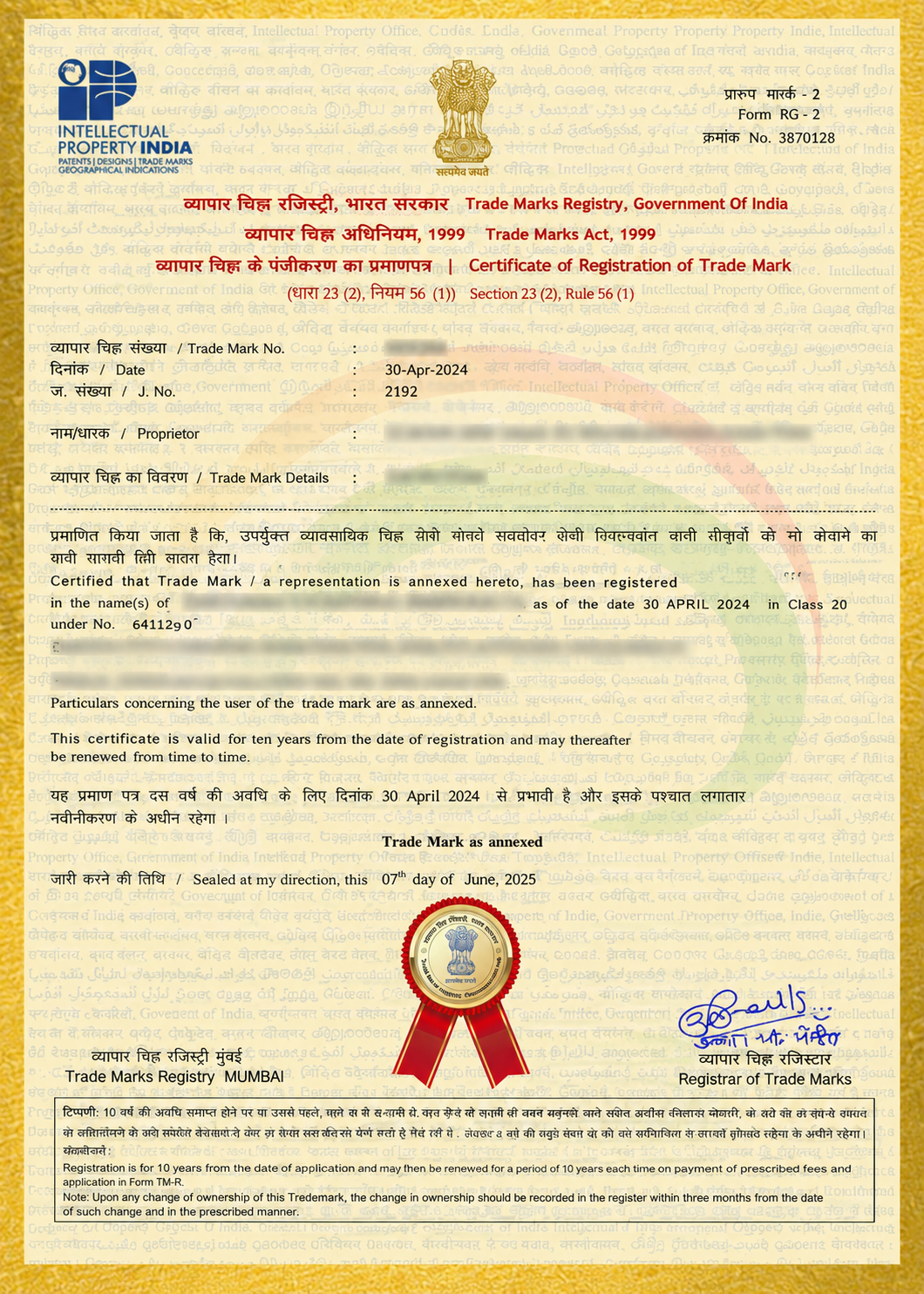
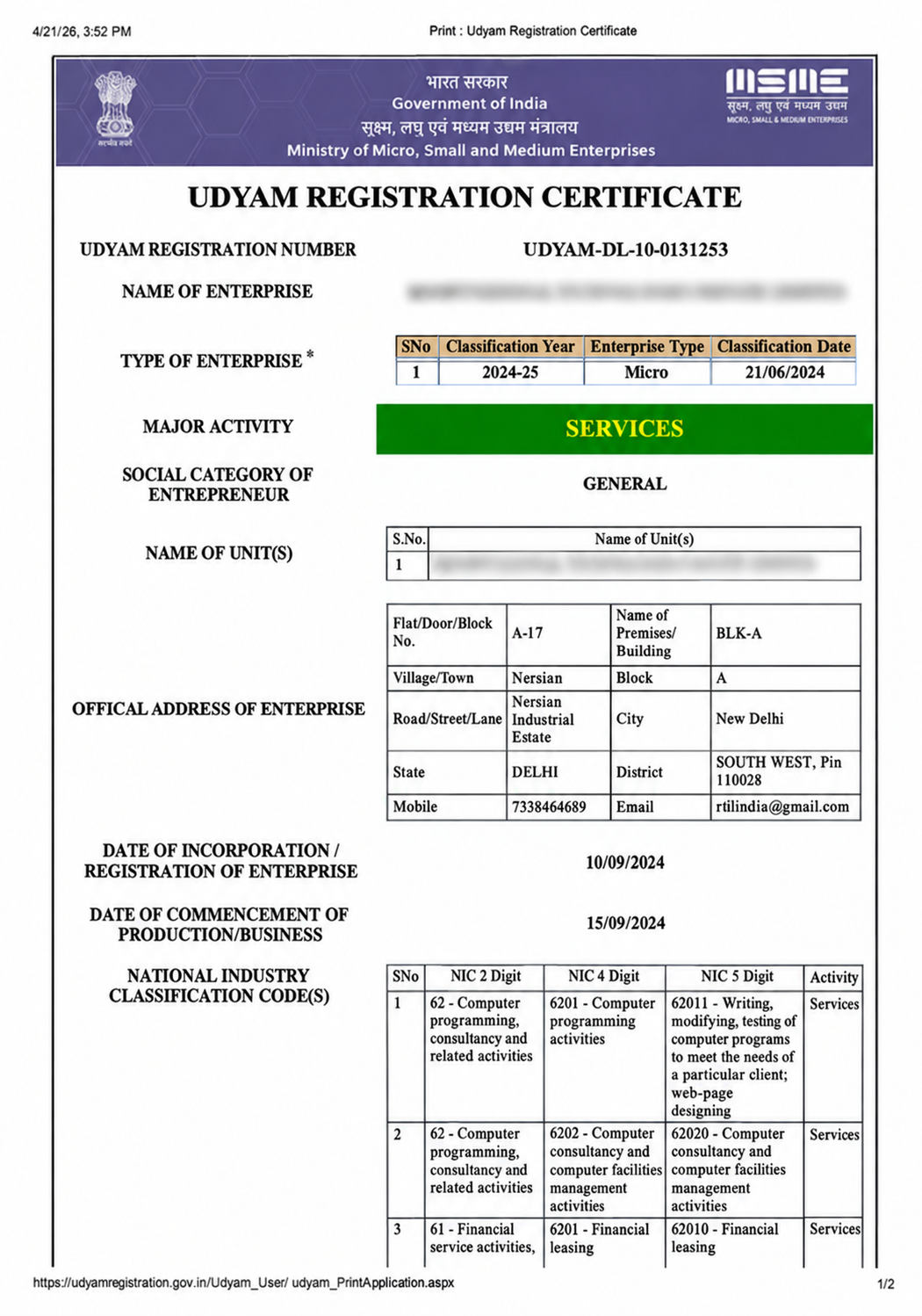
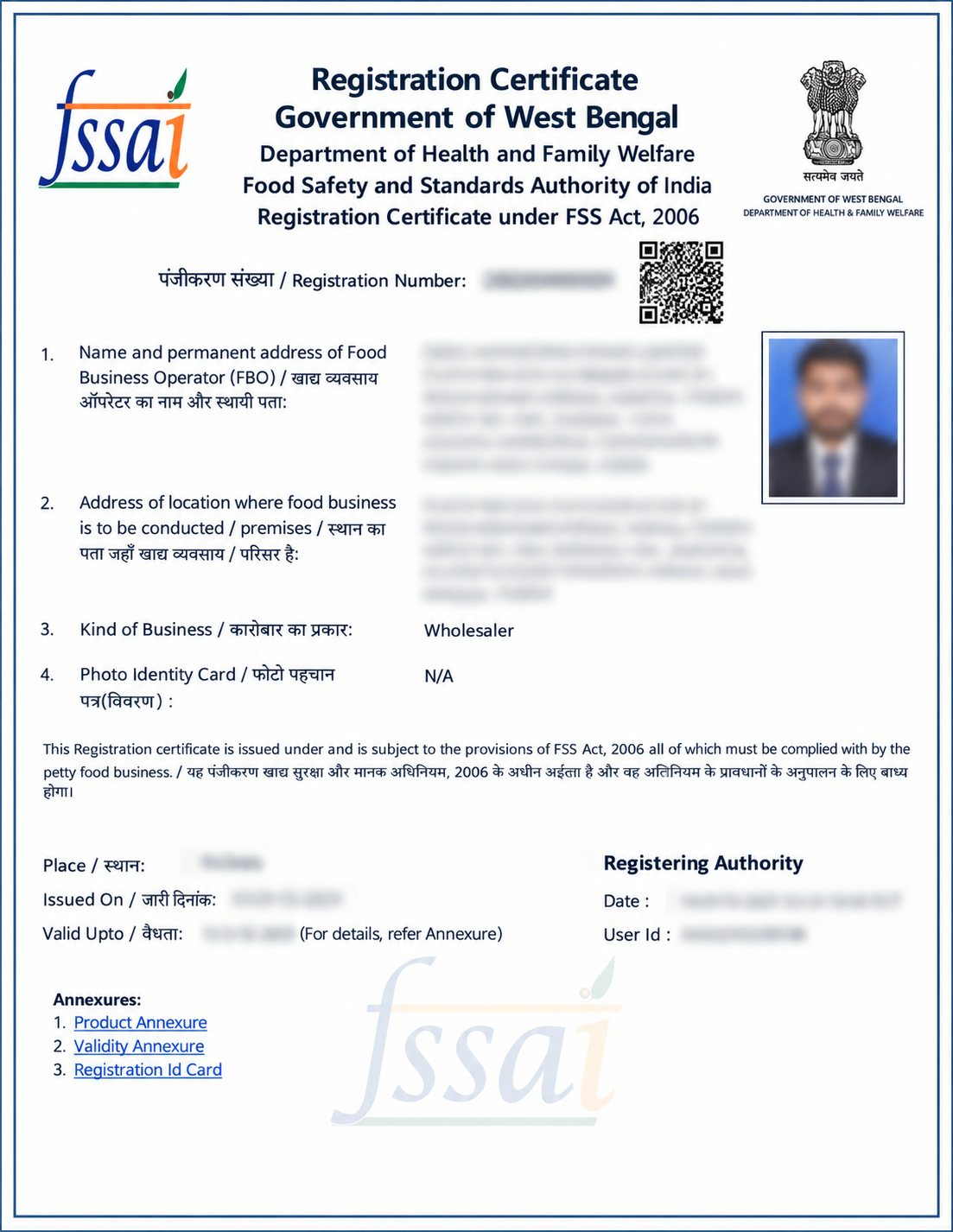
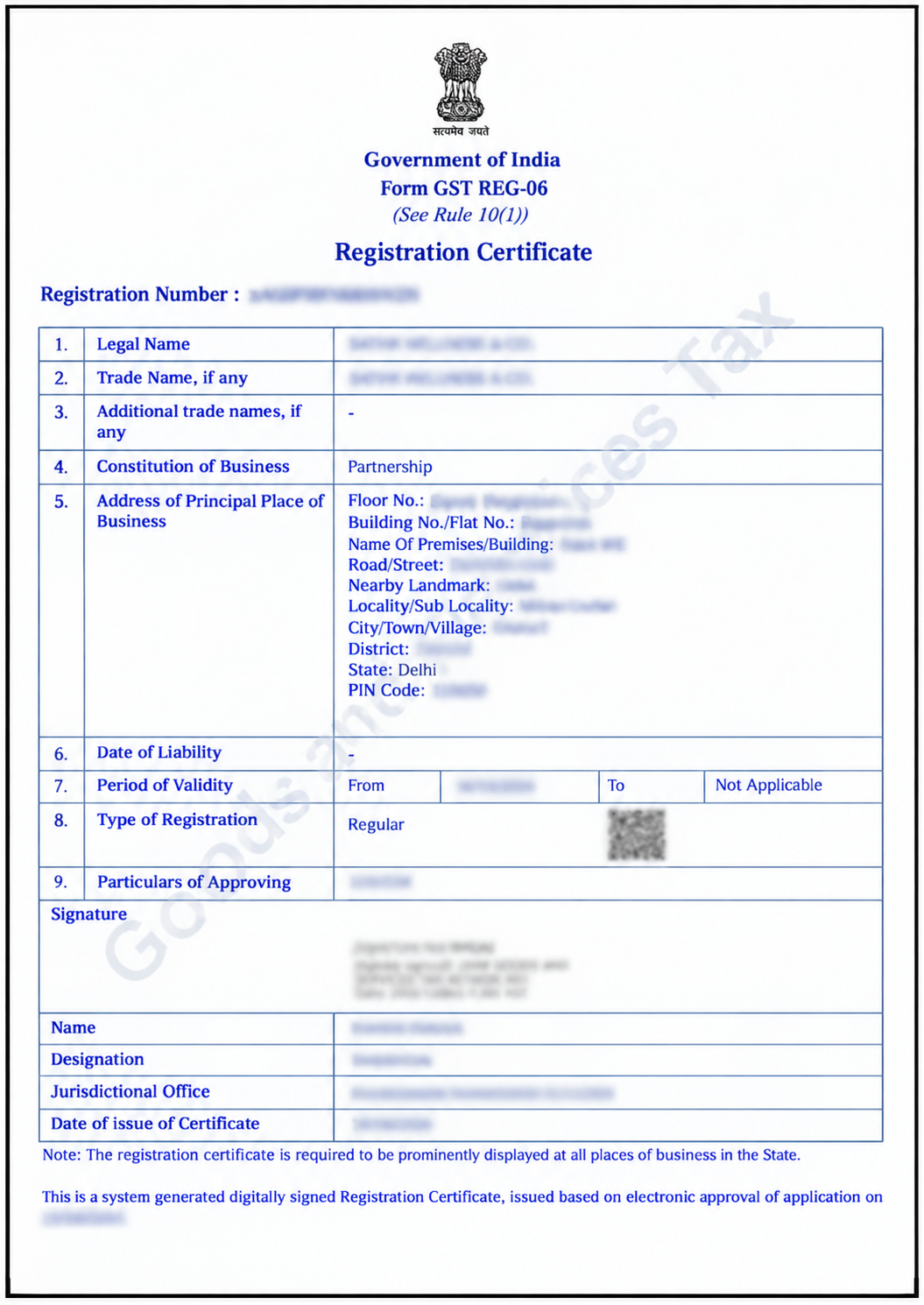
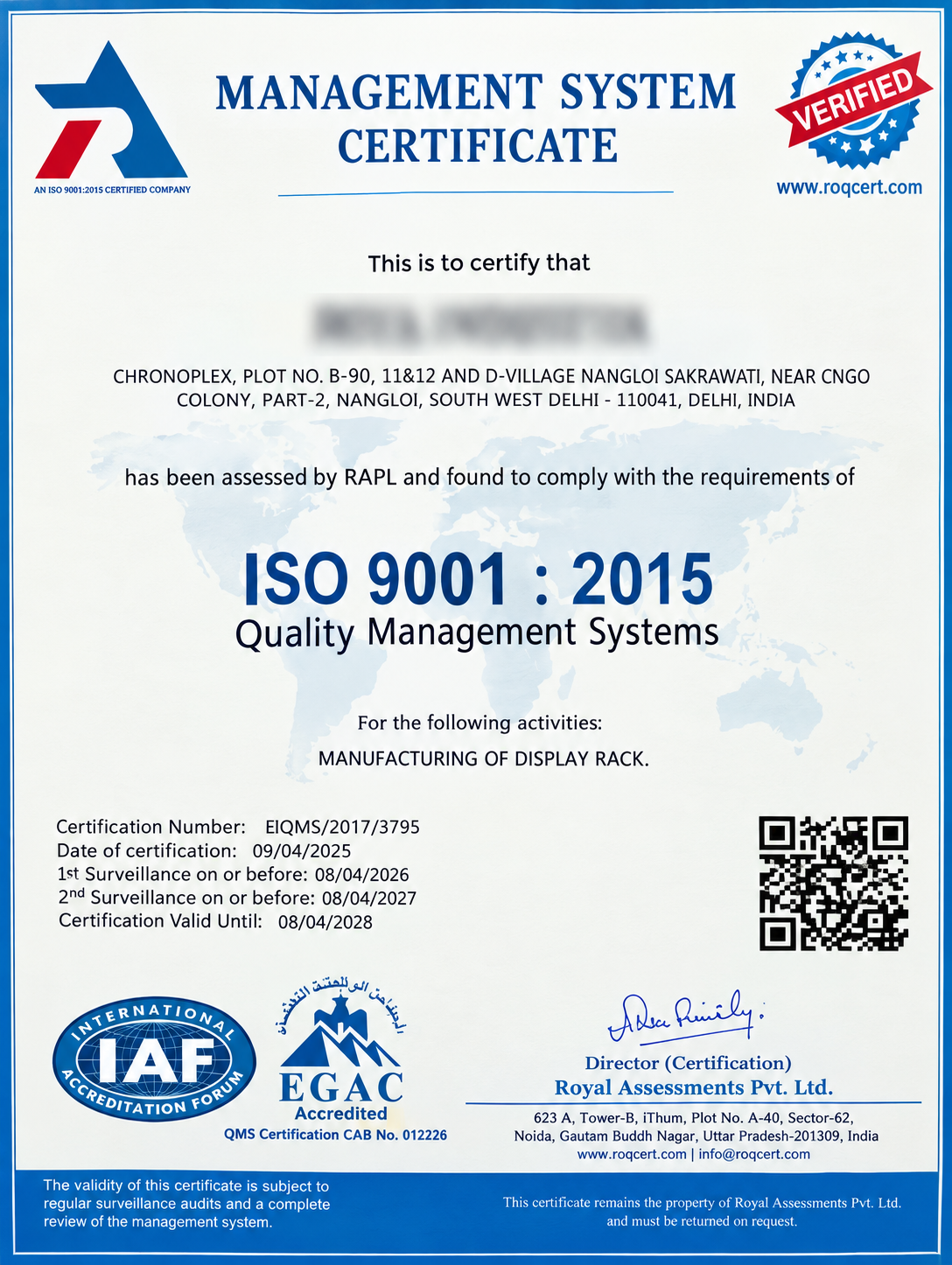
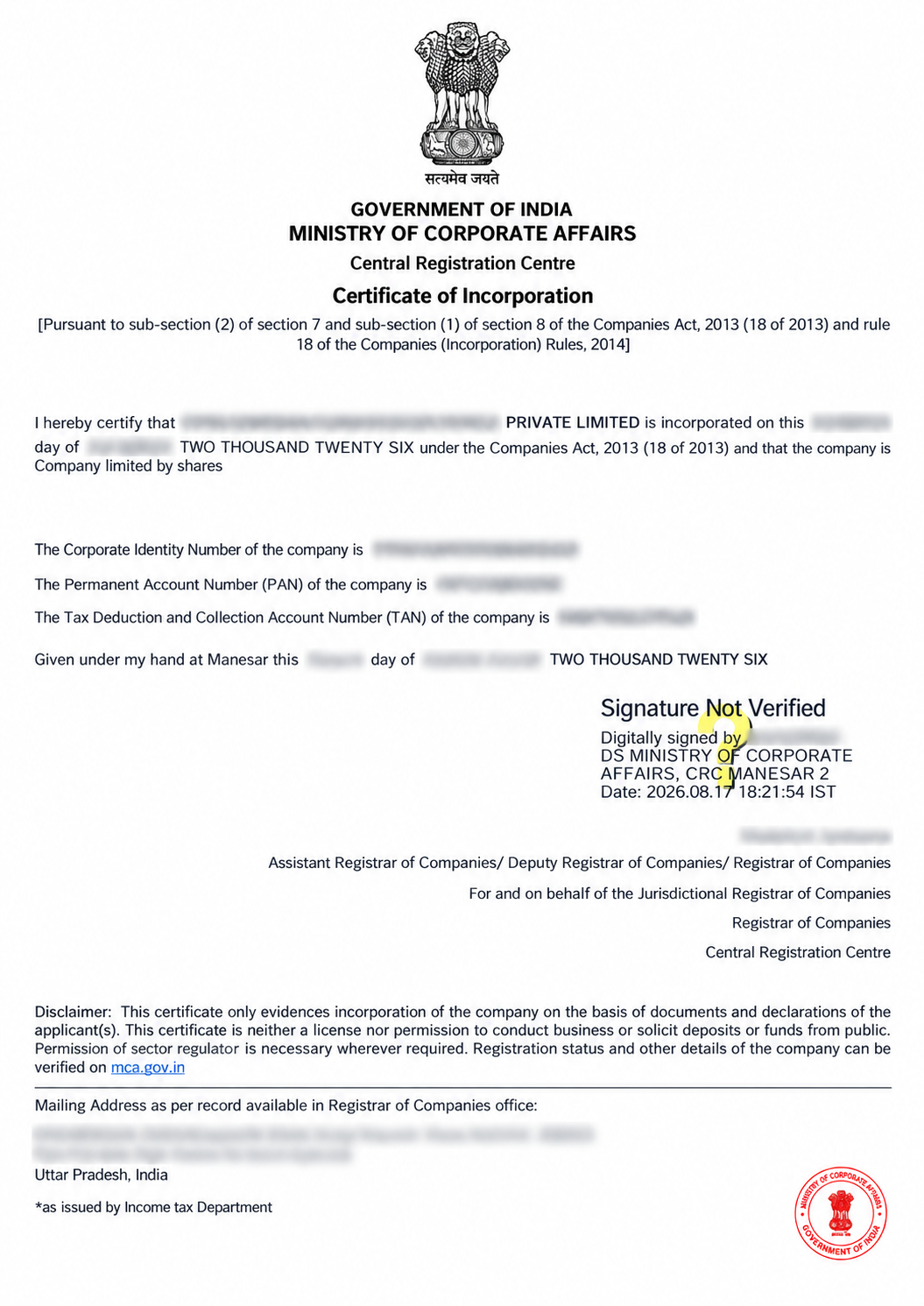
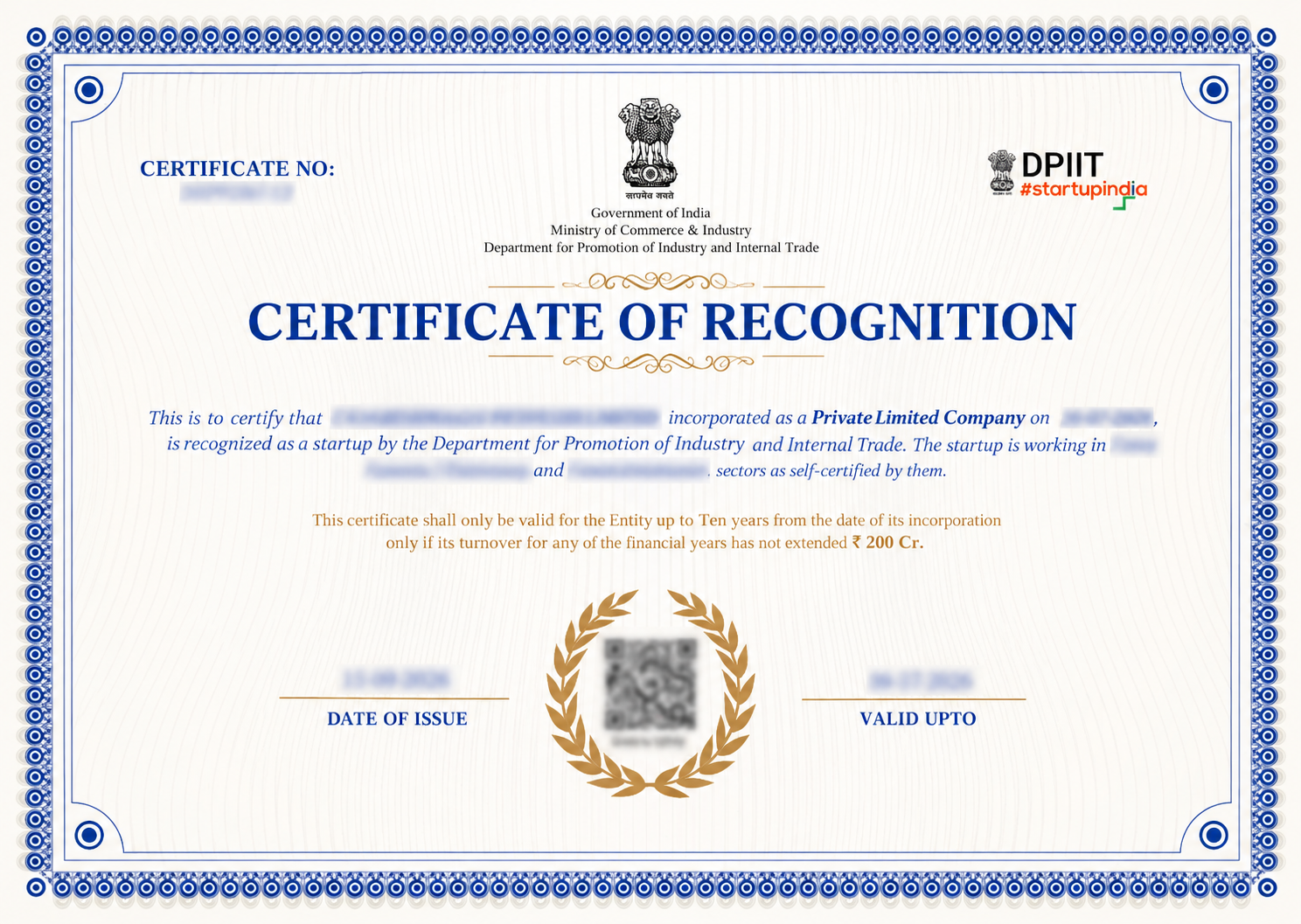
"Explore how Legalstartup has helped businesses reach new heights as their trusted partner."

Thousands of businesses and founders trust LegalStartup.