
Send or reply to a cheque bounce legal notice with Legal Startup. A dedicated legal expert checks your dates and documents, drafts the Section 138 notice or reply, and guides you on the next step if payment is not made.
Free call & custom quote · Professional fee based on scope
A cheque bounce notice is a written legal demand sent to the person whose cheque was dishonoured. It asks for payment of the cheque amount within 15 days and is a mandatory first step before a criminal complaint can be filed under Section 138 of the Negotiable Instruments Act, 1881.
Last updated: October 2026. This page is general information, not legal advice. Time limits and outcomes depend on the facts of each case, so we review your documents before acting.
When a cheque is returned unpaid by the bank, usually for insufficient funds or because it exceeds the arrangement with the bank, the payee cannot go straight to court. The law first requires a formal notice demanding payment. This notice gives the drawer a fair chance to pay within 15 days.
If the drawer pays, the matter ends. If not, the payee can file a complaint before the Magistrate under Section 138. For the case to stand, the cheque must have been issued for a legally enforceable debt or liability, presented within its validity period of three months, and the notice must have been sent within time.
The notice must be accurate. It should state the cheque details, the dates of presentation and return, the reason for dishonour, the amount and the demand. A mistake in dates or details can create problems later. You can read the Act on the India Code portal and check case status on eCourts Services.
Missing any of these can weaken a Section 138 case.
The right step depends on where your case stands today.
You have received a return memo and need to act within time.
You are the drawer and have been served with a demand notice.
The 15 days have passed without payment.
Cheque issued against an invoice, supply or service.
Cheque issued to repay a loan or personal liability.
Several cheques have bounced for the same party.
Not sure which situation applies? Send us the return memo and cheque details and our experts will review the timeline free of charge.
Why people use an expert for the notice.
Dates are checked so the notice is not sent late.
Cheque details, dishonour reason and demand are stated correctly.
A formal notice often prompts payment without going to court.
Postal receipts and email records are kept for use in court.
Understand options such as part payment or a written settlement.
Share documents by WhatsApp or email from anywhere in India.
From return memo to notice and next step, here is how it works.
Court timelines vary by location and workload. Not to scale.
Share the cheque details and return memo. We check validity, dates and the nature of the debt.
We confirm the cheque amount, dates, dishonour reason and proof of liability.
The notice or reply is drafted and shared with you for approval before it goes out.
The notice is sent by trackable post and email, and delivery records are saved.
We note the payment window and the date by which a complaint should be filed.
If payment is made, we record it. If not, we guide you on filing the complaint.
Keep these ready to avoid delays. Our expert will confirm the exact list for your case.
The cost depends on whether you are sending or replying to a notice, the number of cheques and parties, and whether a complaint is needed later. It generally has three parts:
Based on drafting, sending and guidance. Call free for a custom quote before you pay anything.
Postage, stamp and court-related costs are charged at actuals and are separate.
Filing a complaint, court appearances and multiple cheques are priced separately.
We share a clear, itemised quote before you begin – no hidden charges. Get your free quote →
Choose the situation that matches your case, or call free for a custom quote.
Your cheque bounced and you want to demand payment.
You received a cheque bounce notice and must respond in time.
Payment was not made and you want to take the case forward.
Our professional fee is quoted after a free call. Postal, stamp and court costs are separate. We do not guarantee any case outcome or recovery. Not sure which option fits? Ask for a free review.
Whether you are owed money or have been served, timing matters.
Suppliers and service providers whose customers' cheques bounced.
People who gave a loan and received a cheque that was dishonoured.
Rent or fee cheques that were returned unpaid.
Professionals whose client payment cheque failed.
Anyone served with a demand notice who needs to respond within time.
Those who sent a notice earlier and now need to decide the next step.
A quick view of the common ways to deal with a bounced cheque. Ask us which fits your case.
| Route | When it applies | What is done | Cost | Risk |
|---|---|---|---|---|
| Legal notice | Cheque dishonoured, within 30 days | Demand notice under Section 138 | Professional fee plus postage | Low if sent on time |
| Settlement | Drawer agrees to pay after notice | Payment or written settlement | Usually lowest overall | Low, if documented |
| Section 138 complaint | No payment within 15 days | Criminal complaint before the Magistrate | Fee plus court costs | Moderate, needs proper proof |
| Civil recovery suit | When a civil claim for the money is preferred | Suit for recovery of the amount | Higher, with court fee | Longer process |
Most cheque bounce cases are lost on timing and paperwork.
The notice starts a clock. Here is what to watch.
Save postal receipts, tracking and email records of the notice.
Note the date the drawer received the notice and when the 15 days end.
Confirm receipt in writing so the matter is closed properly.
Prepare the documents and file within the time allowed.
Quick answers on cheque bounce notices in India.
A cheque bounce notice is a written legal demand sent to the person who issued a cheque that was dishonoured by the bank. It asks for payment of the cheque amount within 15 days and is a mandatory step under Section 138 of the Negotiable Instruments Act, 1881.
The notice must be sent within 30 days of receiving information from the bank that the cheque was returned unpaid. A notice sent after this period can weaken or defeat a complaint under Section 138.
The drawer has 15 days from the date of receiving the notice to make the payment. If payment is not made within this period, the payee can file a complaint in court.
A complaint is generally to be filed within one month after the 15-day payment period ends. The court may condone a delay if there is sufficient cause, but you should not rely on this.
Under Section 138, the punishment can be imprisonment of up to two years, a fine of up to twice the cheque amount, or both. The outcome in any case depends on the facts and the court's decision.
Section 138 applies when a cheque is returned for insufficient funds or because it exceeds the arrangement with the bank, among other cases. The cheque must also be for a legally enforceable debt or liability and presented within its validity period.
A cheque is valid for three months from the date written on it. It must be presented to the bank within this period for a dishonour to support a Section 138 complaint.
The original cheque details, the bank's return memo showing the reason for dishonour, proof of the debt such as an invoice, agreement or loan record, the drawer's address, and any communication about the payment.
Do not ignore it. Check the dates, the amount and the facts, and reply in time. You may pay the amount within 15 days, or send a reply raising your defence. Consult a legal professional before responding.
Yes. The offence under Section 138 can be compounded, which means the parties may settle by payment or agreement even after a complaint is filed, subject to the court's approval where required.
Cheque bounced or notice received? Speak to our legal expert today – the timeline check and the quote are free.
Tell us what you need and our team will get back to you with the right guidance.
Legalstartup ke certificates, registrations aur recognitions jo hamari credibility dikhate hain.
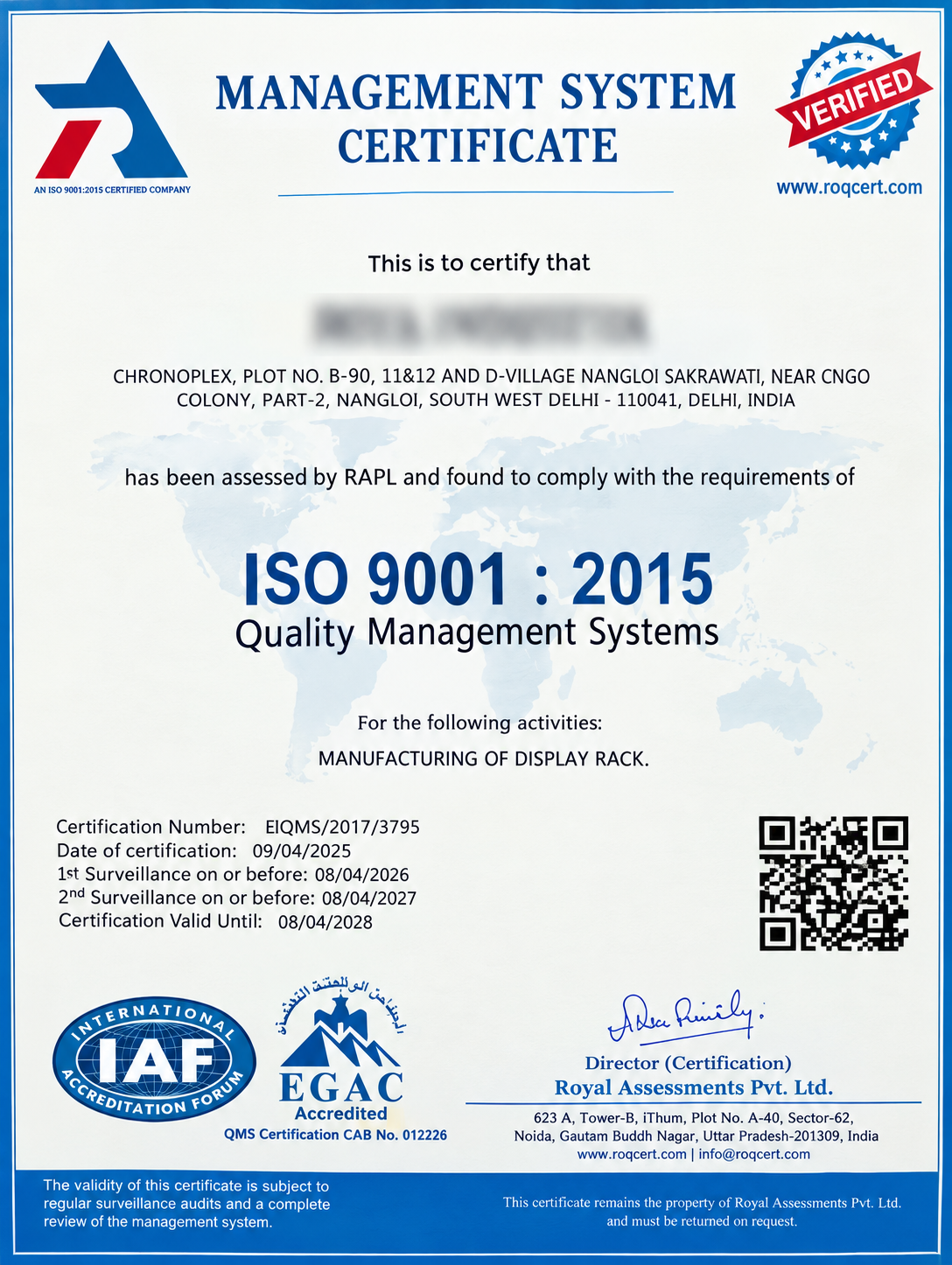
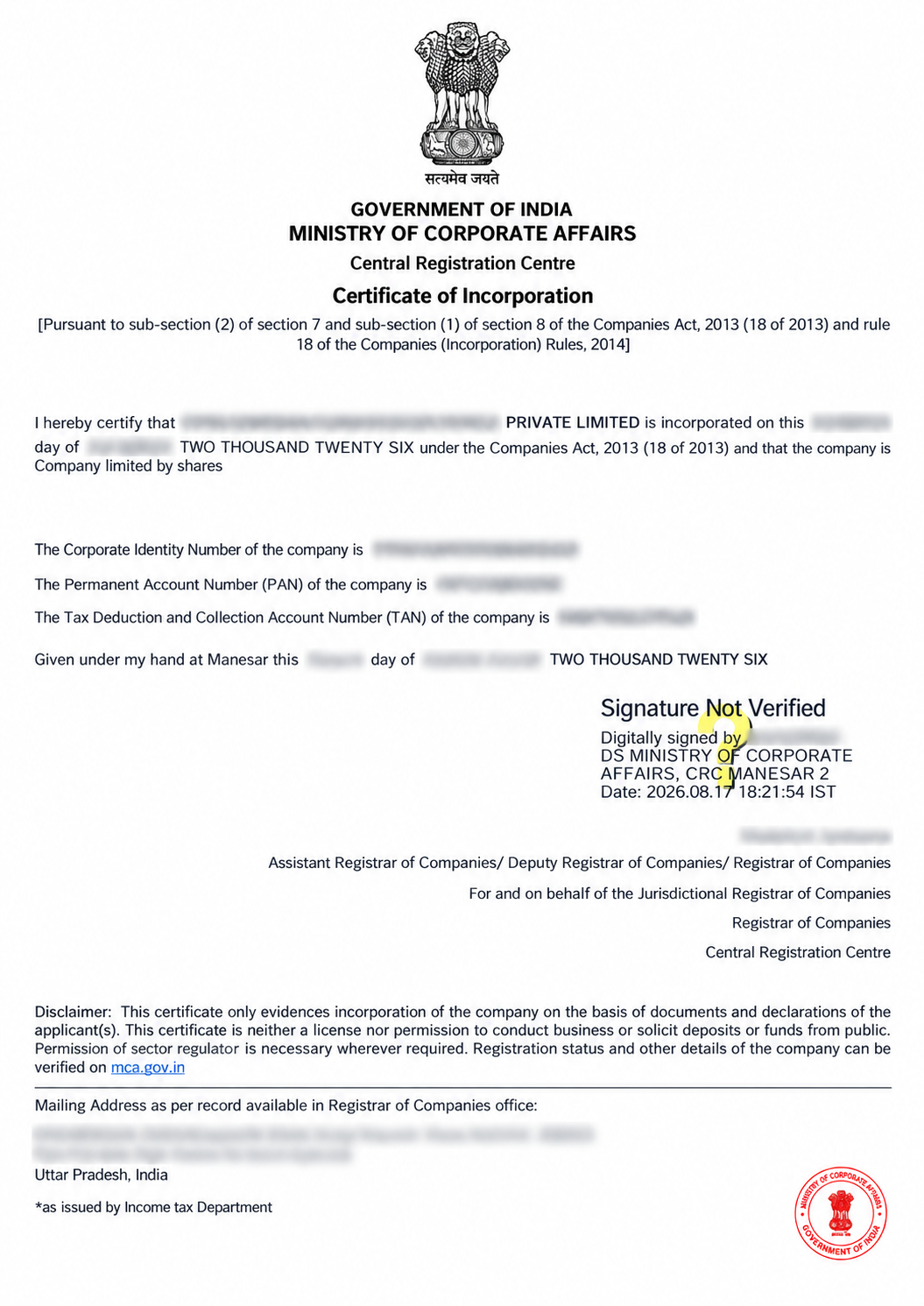
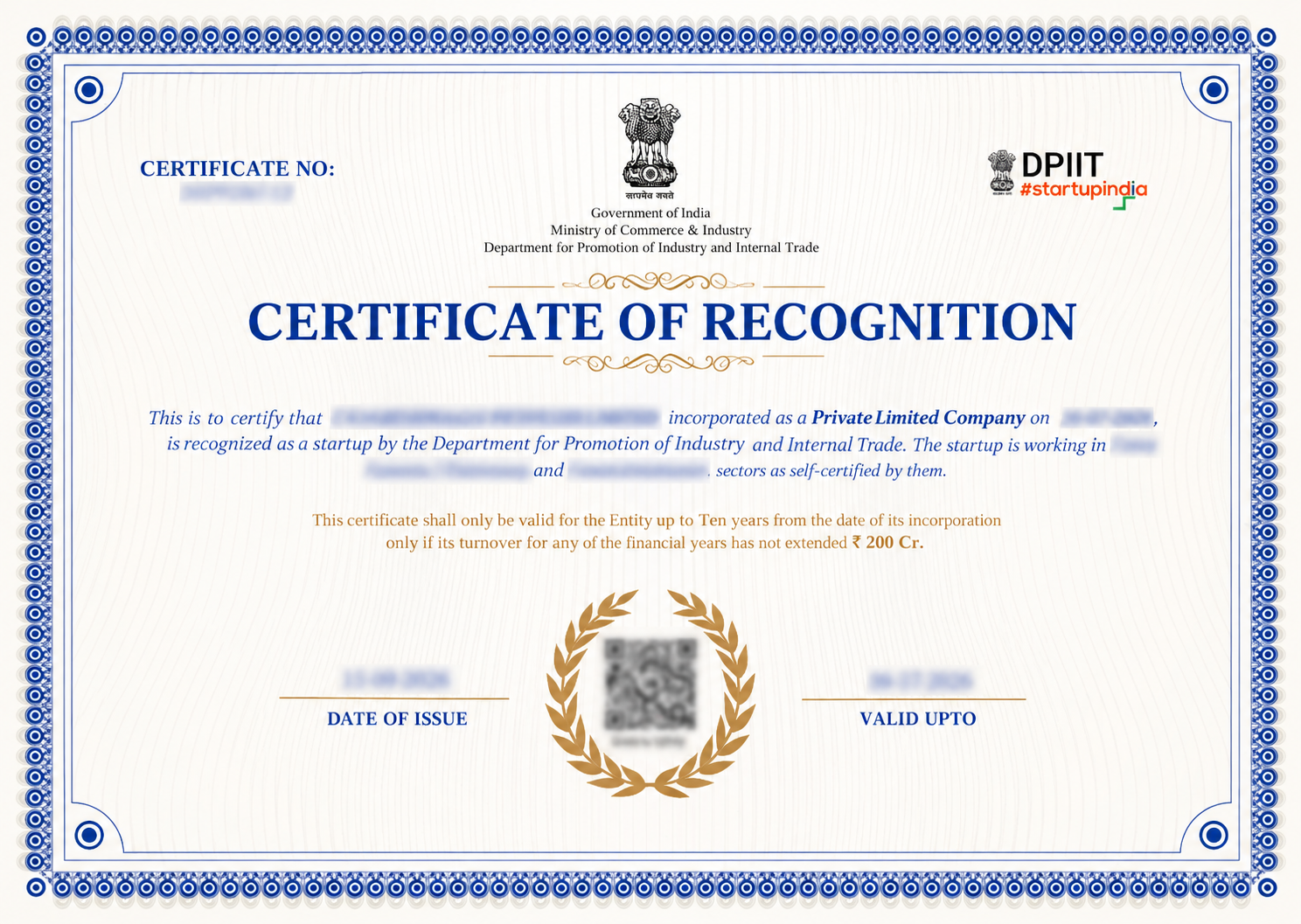
"Explore how Legalstartup has helped businesses reach new heights as their trusted partner."

Thousands of businesses and founders trust LegalStartup.