
Run your proprietorship without missing a due date. A dedicated compliance expert reviews your tax, GST and licence position, files your returns, keeps your books audit-ready and helps if a notice or late filing has already come up.
Free call & custom quote · Professional fee + government fee, if any
Sole proprietorship compliance is the set of tax returns, GST filings, licences, registrations and records a sole proprietor must keep up. A proprietorship is not a separate legal entity and is not registered under the Companies Act, so there are no ROC annual filings, but tax and licence obligations apply fully to the owner.
Last updated: October 2026. Thresholds, due dates and fees can change, so we confirm the current position before filing. This page is general information, not legal advice.
A sole proprietorship is a business owned and run by one person. In law, the owner and the business are the same, so business income is taxed in the owner's hands and the owner carries unlimited personal liability for business debts and defaults.
That makes compliance lighter than for a company, but not optional. There is no ROC filing, AGM or mandatory audit by default. Instead, compliance centres on the income tax return, GST where applicable, TDS if you pay certain amounts, employee-related registrations and the licences your trade or state requires.
Missed deadlines still cost money through late fees, interest and notices, and they affect loans, tenders and marketplace accounts. For official forms and filing, use the Income Tax Department and GST Portal. To protect your brand name or logo, see our trademark registration online service.
Common limits and dates every sole proprietor should know. Confirm current figures before relying on them.
What applies to you depends on turnover, activity, state and whether you have staff.
Yearly return and tax payments in your own name.
Registration and returns once you cross the threshold.
Business identity and permissions for your trade and state.
Records that support returns and withstand scrutiny.
Applies when you pay staff, rent or professionals.
Help when filings were missed or a notice has arrived.
Not sure which of these apply to your business? Share your PAN and business activity, and our experts will review it free of charge.
Why proprietors keep their filings and records up to date.
On-time returns avoid daily GST late fees and interest on unpaid tax.
Filed returns and clean books support business loans and overdrafts.
Accurate, timely filings reduce mismatches that trigger notices.
GST and Udyam registration are often needed to sell online or bid.
Organised books make any review or tax audit simpler.
A clean compliance history makes moving to a company or LLP smoother.
From health check to filed returns, here is how online compliance works with us.
Timelines depend on how quickly records are ready and on portal workload. Not to scale.
We check your PAN, GST status, licences and past returns to see what is filed and what is pending.
Turnover, activity, state and staff decide which returns, registrations and audits you need.
We help with GST, Udyam, TAN or local licences where they are required.
Records are reconciled, and we pick the right ITR form and the presumptive or regular route.
Income tax, GST and TDS returns are filed on the official portals within due dates.
You get filing receipts and a calendar of upcoming dates for the year.
Keep these ready to avoid delays. Our expert will confirm the exact list for your business.
The total cost depends on turnover, number of transactions, GST registration, staff and how many periods are pending. It generally has three parts:
Many returns carry no filing fee, but late filing can attract late fees and interest. Some licences have fees. We confirm what applies.
Our fee depends on volume and scope. Call free for a custom quote before you pay anything.
Tax audit fee, pending periods, notice replies and new registrations are charged separately.
We share a clear, itemised quote before you begin – no hidden charges. Get your free quote →
Choose the situation that matches your business, or call free for a custom quote.
You are up to date and want this year's return and books done right.
You need GST registration, regular returns, or you have missed filings or got a notice.
You want tax, GST, licences and reminders handled in one place.
Our professional fee is quoted after a free call. Government fees, audit fees and licence fees are separate; late fees and interest apply to delayed filings. Not sure which option fits? Ask for a free compliance check.
Any individual running a business in their own name, registered or not.
Professional income needs correct returns, and GST once you cross the limit.
Stock, invoices, GST and local licences all need to line up.
Marketplaces usually require a GST number and proper business records.
Udyam, GST, TDS and staff-related compliance in one plan.
Small businesses are still liable for tax, even without a shop.
If returns are overdue or a notice has arrived, speak to us early.
A quick view of how proprietorship compares with other structures. Thresholds apply, so ask us what suits your business.
| Structure | ROC filings | Audit | Liability | Compliance load |
|---|---|---|---|---|
| Sole proprietorship | None | Only if tax audit applies | Unlimited, personal | Lowest |
| Partnership firm | None | Only if tax audit applies | Unlimited, joint | Low |
| LLP | Annual forms with ROC | Above prescribed limits | Limited | Moderate |
| Private limited company | Annual forms with ROC | Mandatory every year | Limited | Highest |
Good records and a due-date calendar prevent most problems.
Indicative dates for an April–March financial year. Dates can change, so confirm before relying on them.
File GST returns by their due dates, or quarterly under the QRMP scheme, and deposit TDS by the 7th of the next month.
Advance tax falls on 15 June, 15 September, 15 December and 15 March when liability is above the limit. Presumptive taxpayers pay once, by 15 March.
Usual due date for proprietors who do not need a tax audit.
The audit report is usually due by 30 September, and the return for audit cases by 31 October.
GSTR-9 for the previous year, where applicable to your turnover and scheme.
Check turnover against limits, renew licences and decide if it is time to convert.
Protecting your business name is part of staying protected. See our trademark registration online service, or if you have received a trademark notice, our trademark hearing online support.
Quick answers on sole proprietorship compliance in India.
It covers the tax returns, GST filings, licences, registrations and bookkeeping a sole proprietor must maintain. A proprietorship is not a separate legal entity, so the owner is personally responsible for these obligations.
No. A sole proprietorship is not registered under the Companies Act, so there is no ROC annual filing, AGM or board meeting. Its main yearly compliance is the income tax return, plus GST and licences where applicable.
It becomes mandatory when aggregate turnover crosses the prescribed threshold, generally Rs 40 lakh for goods and Rs 20 lakh for services, with lower limits in some states. Inter-state supply and selling through certain e-commerce platforms can require registration regardless of turnover.
Usually ITR-3 for business income, or ITR-4 if the proprietor opts for presumptive taxation under Section 44AD or 44ADA and is eligible. The right form depends on income sources and eligibility.
Under Section 44AB, generally when business turnover exceeds Rs 1 crore, or Rs 10 crore if cash receipts and payments are within 5 percent. A tax audit can also apply if presumptive taxation is not followed and profit is below the prescribed rate. We confirm the current limits.
Generally 31 July of the assessment year for non-audit cases and 31 October for cases requiring a tax audit. Dates can be extended, so we confirm them each year.
A late income tax return attracts a fee under Section 234F and interest on unpaid tax. Late GST returns attract a per-day late fee and interest on unpaid tax. Persistent default can lead to notices, registration cancellation and recovery action.
It depends on the business and state. Common ones are a Shop and Establishment registration, trade licence, Udyam registration, FSSAI for food businesses and IEC for import and export.
Yes. Many owners convert once the business grows or needs funding, to get limited liability. Tax registrations, licences and contracts need to be moved or updated, so plan the change with an expert.
It depends on turnover, number of transactions, GST registration and pending periods. Government fees, where any apply, are separate from our professional fee, and we share an itemised quote after a free call.
Not sure what your business needs to file? Speak to our compliance expert today – the health check and the quote are free.
Tell us what you need and our team will get back to you with the right guidance.
Legalstartup ke certificates, registrations aur recognitions jo hamari credibility dikhate hain.
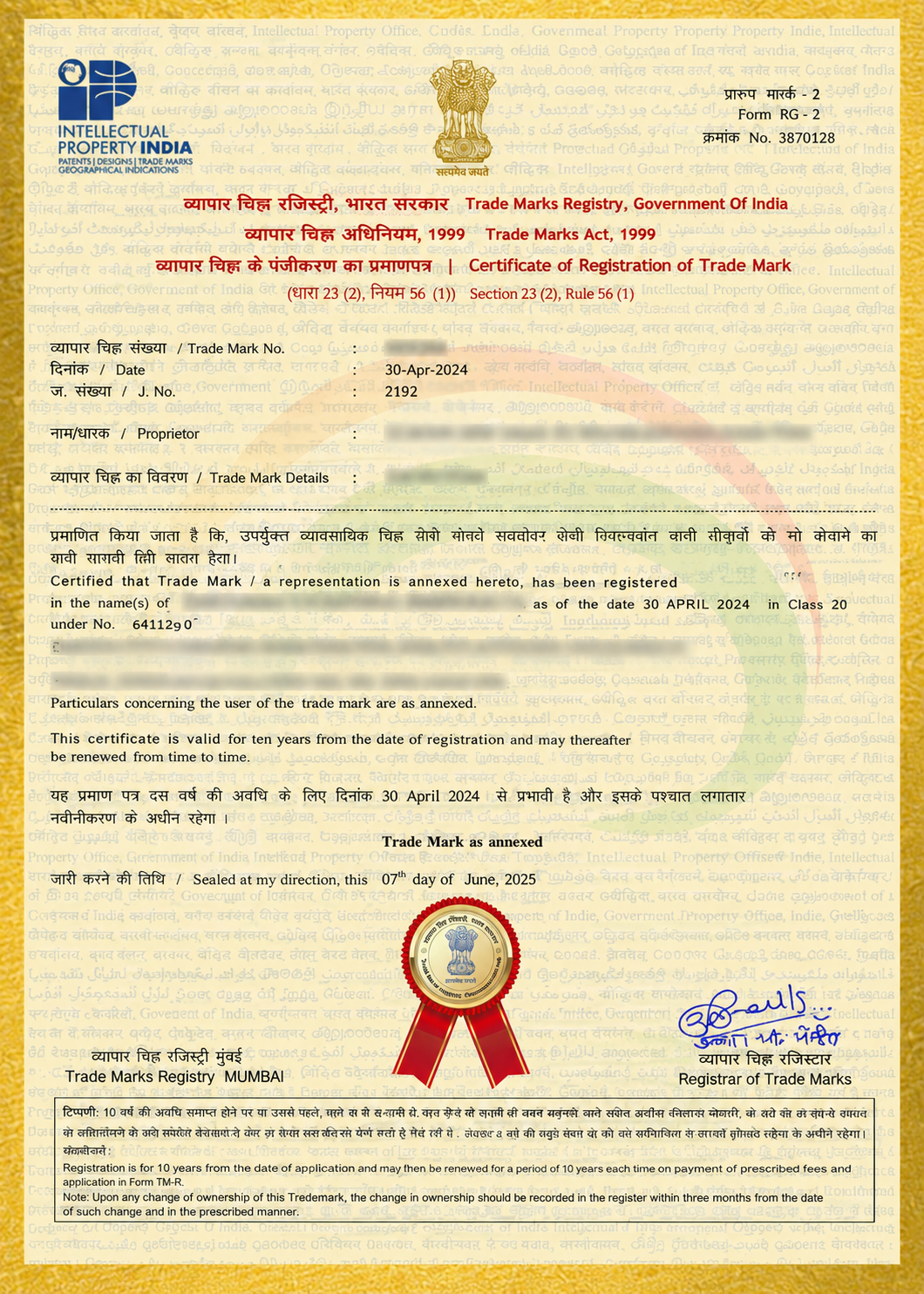
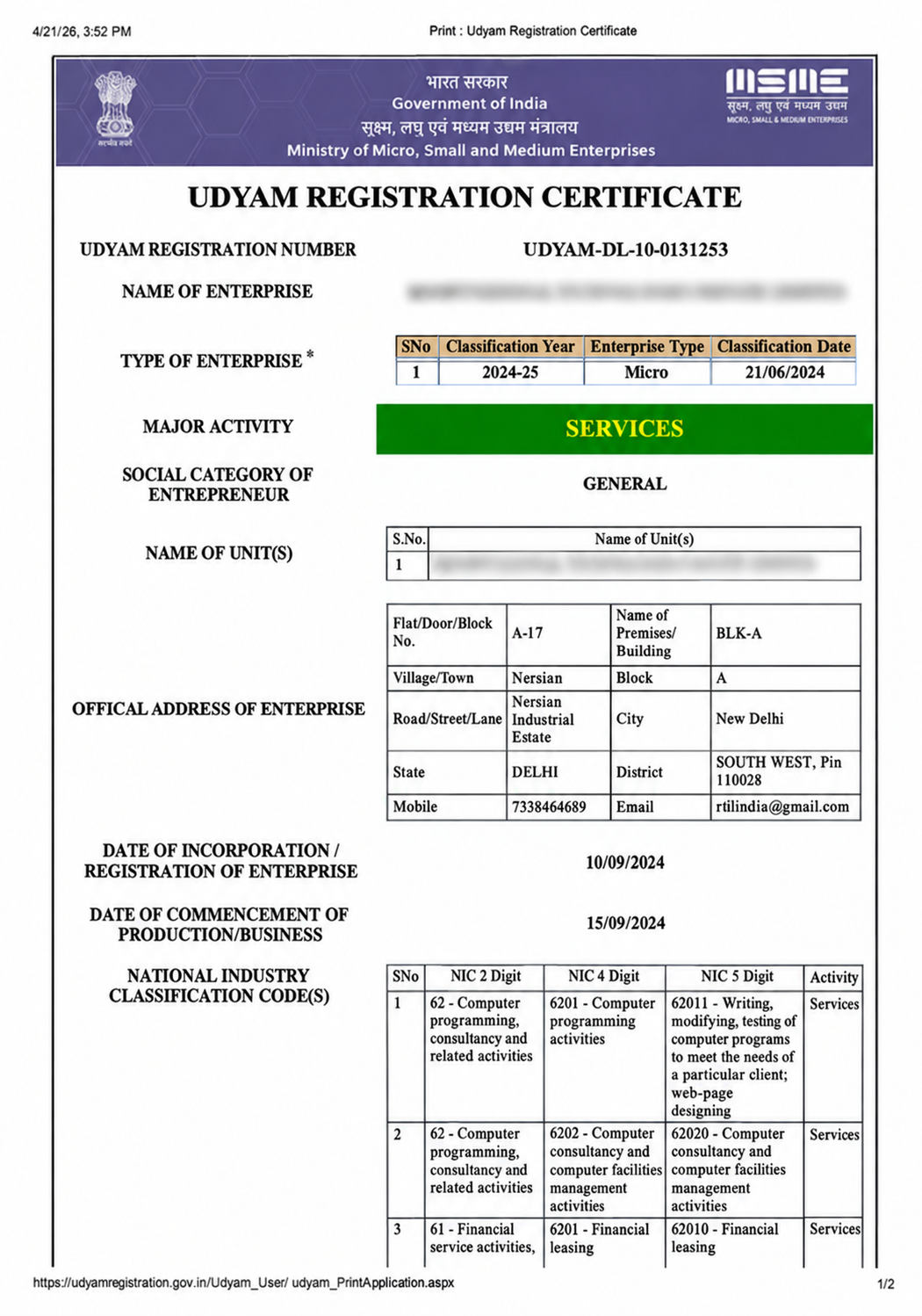
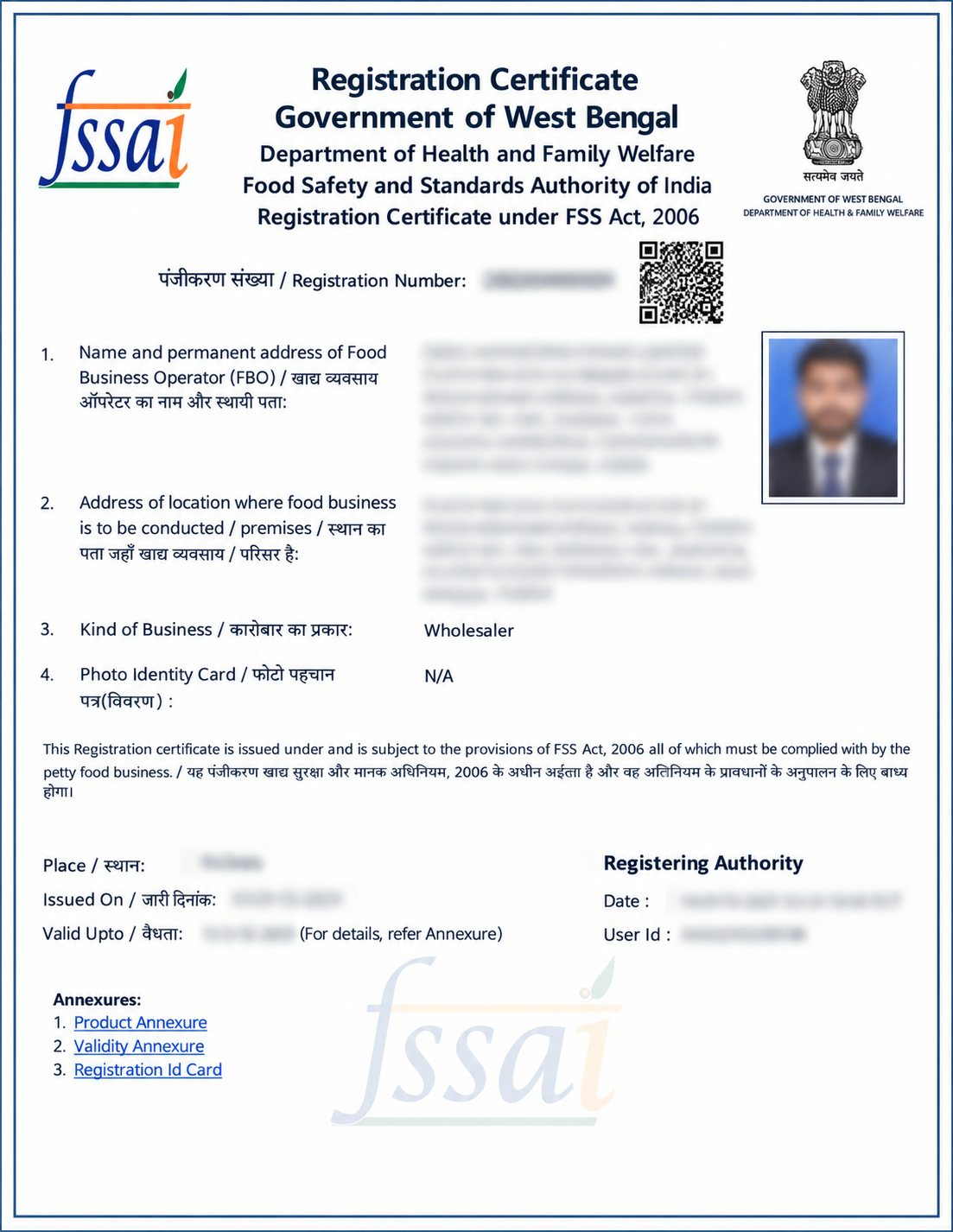
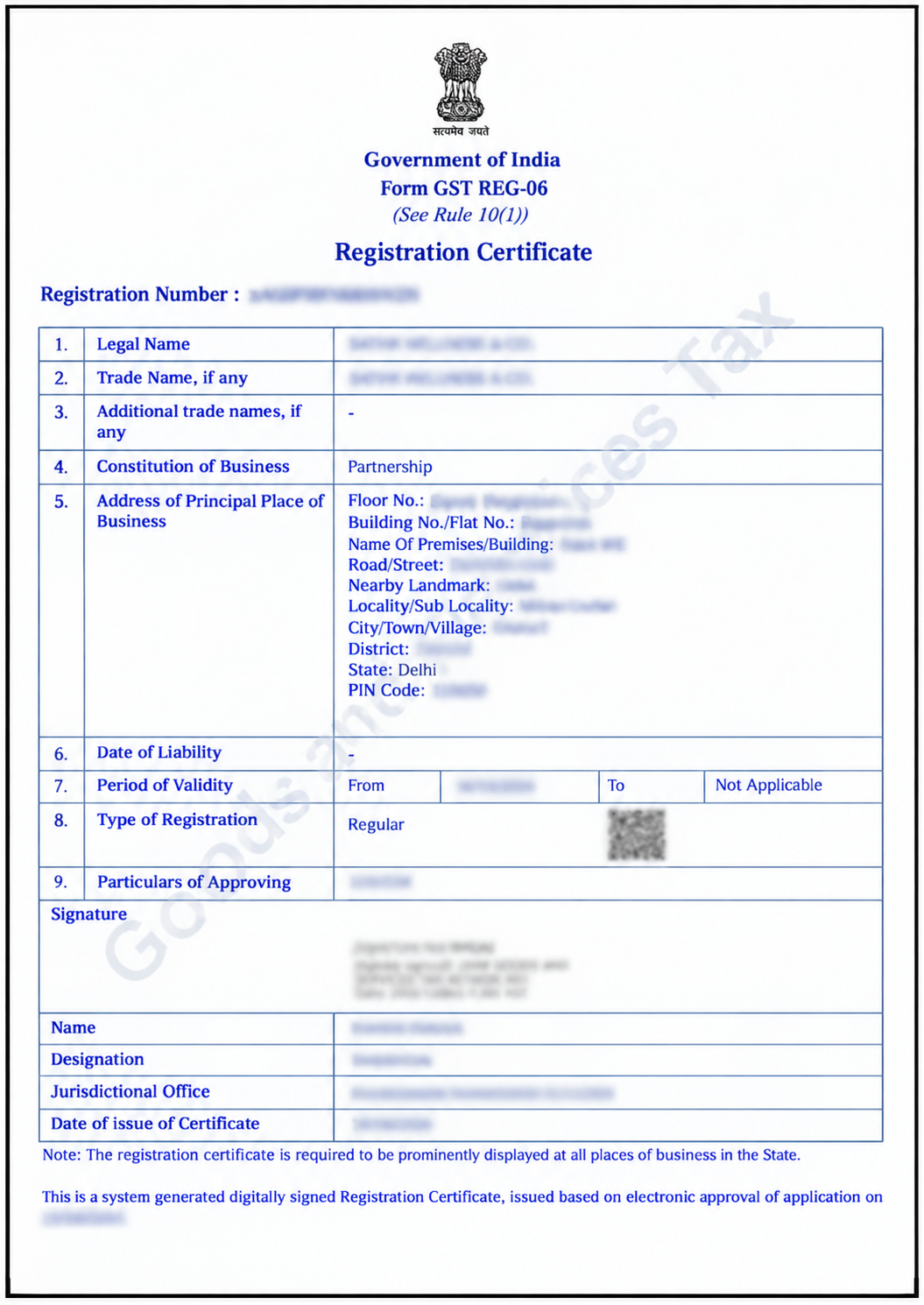
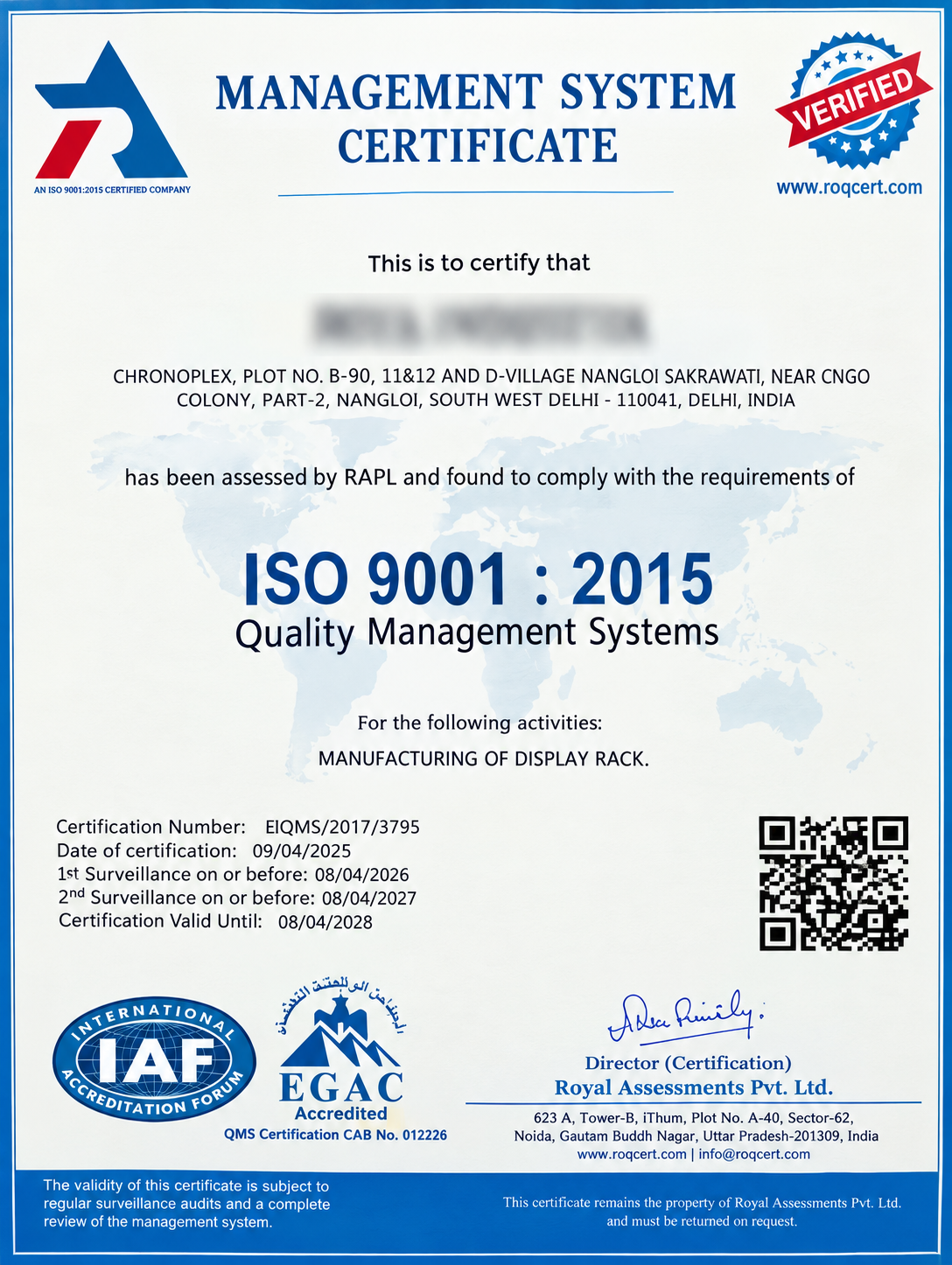
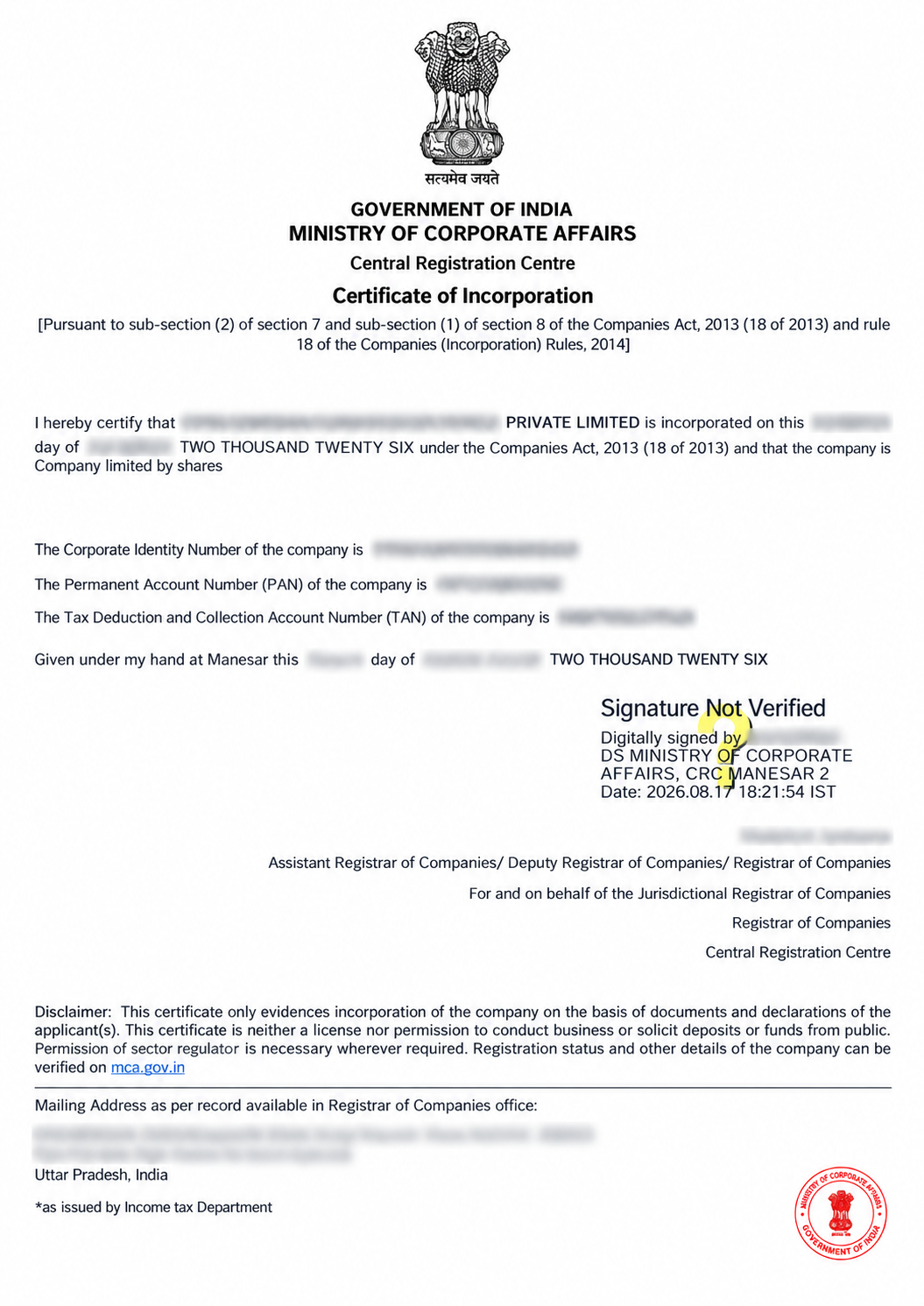
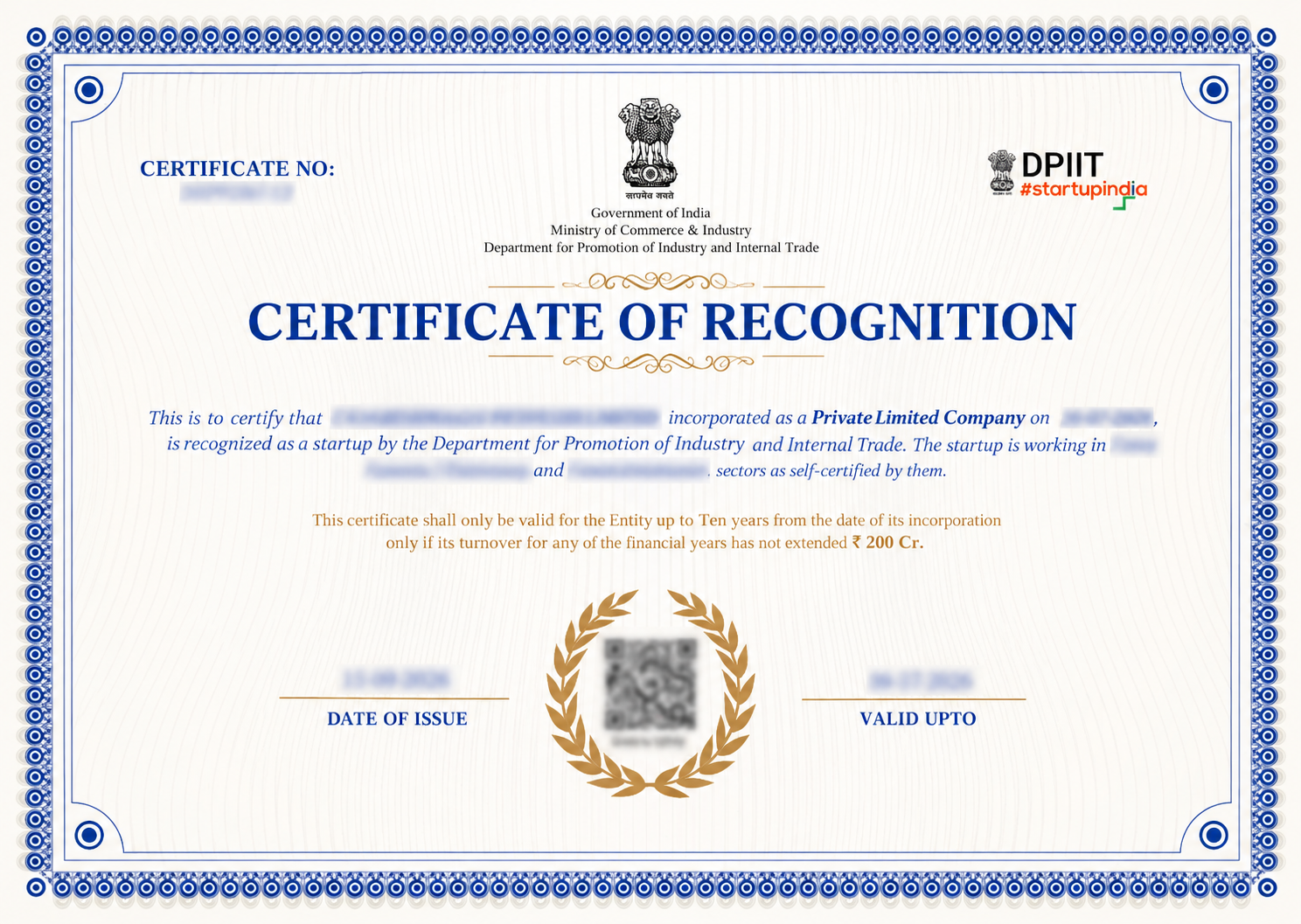
"Explore how Legalstartup has helped businesses reach new heights as their trusted partner."

Thousands of businesses and founders trust LegalStartup.