
Issue shares in your company with Legal Startup. A dedicated compliance expert checks your authorised capital, prepares the board and shareholder resolutions, coordinates valuation, completes the allotment and files the return with the Registrar of Companies.
Free call & custom quote · Professional fee + government fee
Issue of shares is the process by which a company creates new shares and allots them to investors, existing shareholders or employees in exchange for consideration. In India it is governed by the Companies Act, 2013, mainly Sections 23, 42, 62 and 63 and the rules made under them. A typical issue needs sufficient authorised capital, board and shareholder approvals, receipt of money through banking channels, allotment, and a return of allotment (Form PAS-3) filed with the Registrar of Companies.
Last updated: October 2026. Forms, fees, thresholds and time limits can change, so we confirm the current position before filing. This page is general information and not a substitute for advice on your specific case.
When a company wants to raise capital, bring in a new shareholder or reward its team with equity, it issues new shares. The shares are offered at a price, the money is received, and the shares are then allotted to the person who paid for them. After allotment, the person becomes a member of the company and the share capital shown in the company's records increases.
Under the Companies Act, 2013, a private company can issue securities by private placement, rights issue or bonus issue, while a public company can also make a public offer. The route you choose decides the approvals, the documents, the pricing rules and the filings. A private placement under Section 42, for example, follows a strict procedure on offer letters, banking channels, the number of offerees and the time to allot.
An issue of shares can only be made within the authorised capital stated in the Memorandum of Association. If the new shares are more than the unissued authorised capital, the capital must be increased first. Where the investor is a non-resident, FEMA and Reserve Bank of India rules also apply. For official forms, filing fees and company records, visit the portal of the Ministry of Corporate Affairs at mca.gov.in. For ongoing bookkeeping, filings and board-level compliance after the issue, see our virtual CFO services.
Important limits and timelines every company should know before issuing shares.
The right route depends on who is receiving the shares and why.
Shares offered to selected investors, founders or other chosen persons.
New shares offered to existing shareholders in proportion to their holding.
Free shares issued to existing shareholders out of eligible reserves.
Shares issued to employees, directors or founders for their contribution.
A loan or advance converted into equity shares of the company.
Shares allotted to a non-resident under the foreign investment rules.
Not sure which route fits your plan? Tell us who is investing and how much, and our experts will suggest the right structure free of charge.
Why a properly documented issue of shares protects founders and investors alike.
Bring in funds for operations, expansion or new projects without taking a loan.
Paid-up capital and shareholding on the Registrar's records match your books.
Correct resolutions, offer documents and filings reduce the risk of penalties.
Clean allotment records and a clear cap table help in due diligence.
ESOP and sweat equity let employees and founders share in the company's growth.
We track the 60-day and 30-day timelines so late filing fees are avoided.
Share your documents and approve resolutions from anywhere in India.
From capital check to filed return of allotment, here is how an issue of shares is completed.
Timelines depend on the type of issue, valuation and how quickly documents and funds are ready. Not to scale.
We confirm whether a private placement, rights issue, bonus issue or ESOP suits your plan, and who the allottees will be.
We compare the issue size with the unissued authorised capital. If it falls short, the Memorandum is altered and Form SH-7 is filed.
We prepare the notice, explanatory statement and resolutions, and file the special resolution in Form MGT-14 where required.
Where the route needs it, a registered valuer fixes the price. For a private placement, the offer letter (Form PAS-4) and the record of offerees (Form PAS-5) are prepared.
The money is received through banking channels, and the board allots the shares within the time allowed.
We file Form PAS-3, update the register of members, issue the share certificates or credit the demat account, and give you the final set of documents.
Keep these ready to avoid delays. Our expert will confirm the exact list for your case.
The total cost of an issue of shares depends on the type of issue, the amount of authorised capital, whether a valuation is needed and how many allottees are involved. It generally has three parts:
MCA filing fees for forms such as SH-7, MGT-14 and PAS-3, which depend on the authorised capital, plus state stamp duty on the shares. We confirm the current charges before filing.
Our fee depends on the type of issue and the number of allottees. Call free for a custom quote before you pay anything.
A registered valuer's fee, an increase in authorised capital, FEMA reporting for foreign investors and a share transfer agreement are charged separately.
We share a clear, itemised quote before you begin – no hidden charges. Get your free quote →
Choose the situation that matches your plan, or call free for a custom quote.
You want to issue shares to a few investors, founders or existing shareholders.
New funds are coming in and the authorised capital or price needs to be fixed first.
A rights issue, bonus issue, employee shares or an investor from outside India.
Our professional fee is quoted after a free call based on the type of issue and the number of allottees. Government charges, stamp duty and valuer fees are separate. Not sure which option fits? Ask for a free consultation.
If your company is raising money or changing its shareholding, the issue must be documented correctly.
Founders taking money from angel investors, venture funds or strategic partners.
Companies bringing in a new director, partner or family member as a shareholder.
Founders who want to convert their loan or advance into equity shares.
Businesses whose authorised capital is too low for the new issue.
Teams that want to offer ESOP or sweat equity to key people.
Businesses issuing shares to NRIs or overseas investors under FEMA rules.
A quick view of how the main routes differ. Exact requirements depend on your company and its articles, so ask us which one applies to you.
| Route | Offered to | Key approvals | Key filings | Points to note |
|---|---|---|---|---|
| Private placement / preferential allotment | Selected persons | Board and special resolution | MGT-14, PAS-4 and PAS-5 records, PAS-3 | Offer limit of 200 persons a year, valuation, banking channels |
| Rights issue | Existing shareholders | Board resolution and offer notice | PAS-3 | Shareholders may renounce their right in favour of others |
| Bonus issue | Existing shareholders | Board and shareholders, as per the articles | PAS-3 | Paid up from eligible reserves, no fresh funds |
| ESOP | Employees and eligible directors | Special resolution | MGT-14, PAS-3 | Vesting and exercise terms must be defined |
| Sweat equity | Employees and directors | Special resolution | MGT-14, PAS-3 | Conditions and limits apply to this route |
A capital check, correct approvals and on-time filing prevent most problems.
Allotment is only one part. These follow-up steps keep the company compliant.
Form PAS-3 is filed with the Registrar along with the list of allottees.
Issue certificates to allottees or credit the shares to their demat accounts.
Keep the register of members and share certificate records current.
Show the new share capital and shareholding in the financial statements and annual return.
Need help with annual filings, accounting and board-level compliance after the issue? See our virtual CFO services. If your new funding will be used to protect your brand, see our trademark registration online service.
Quick answers on issue of shares in India.
Issue of shares is the process by which a company creates new shares and allots them to investors, existing shareholders or employees in return for consideration, usually cash. It increases the company's paid-up capital and is governed mainly by the Companies Act, 2013 and the rules made under it.
The main routes are private placement or preferential allotment, rights issue to existing shareholders, bonus issue from reserves, employee stock option plans (ESOP) and sweat equity. A public company can also make a public offer through a prospectus, which is a separate and more detailed process.
Check that the authorised capital is enough, hold a board meeting, obtain the required shareholder approval, fix the price with a valuation where required, send the offer, receive the money through banking channels, allot the shares by board resolution, and file Form PAS-3 with the Registrar of Companies.
A rights issue offers new shares to existing shareholders in proportion to their current holding. A private placement or preferential allotment offers shares to selected persons and needs a special resolution and compliance with Section 42 of the Companies Act, 2013 and its rules.
A private placement or preferential allotment needs a special resolution, and so do ESOP and sweat equity issues. A rights issue generally follows the board and offer-notice procedure, and a bonus issue needs approval as provided in the articles. The exact approvals depend on the type of issue and the articles of the company.
Authorised capital is the maximum share capital a company can issue under its Memorandum of Association. If the new issue exceeds the unissued authorised capital, the company must first increase it by altering the Memorandum, and the resolution and alteration are filed with the Registrar (Form MGT-14 and Form SH-7).
Under Section 42 and its rules, a private placement offer cannot be made to more than 200 persons in a financial year, excluding qualified institutional buyers and employees offered shares under an ESOP. We confirm the current limits before the offer is sent.
In a private placement, shares must be allotted within 60 days of receiving the application money. If the shares are not allotted in time, the money has to be repaid within the period prescribed by the rules.
Form PAS-3 (return of allotment) is filed with the Registrar of Companies within 30 days of allotment, along with the list of allottees and the required attachments. Special resolutions are filed in Form MGT-14, and an increase in authorised capital is filed in Form SH-7.
For a preferential allotment or private placement by an unlisted company, the issue price is generally supported by a valuation report from a registered valuer. FEMA pricing rules also apply when shares are issued to non-residents. We confirm the requirement for your case before filing.
Yes, subject to FEMA rules, sectoral caps, pricing guidelines and the approval route that applies to the business. The allotment must be reported to the Reserve Bank of India through the prescribed form within the time allowed. Our team checks eligibility before the issue is planned.
The cost has three parts: government charges such as MCA filing fees (which depend on the authorised capital) and state stamp duty, a valuer's fee where a valuation is needed, and our professional fee. Call for a free consultation and an itemised custom quote.
Share certificates must be issued within two months of allotment under the Companies Act, 2013 and its rules. Where securities are held in dematerialised form, the shares are credited to the allottee's demat account instead.
Planning an issue of shares? Speak to our compliance expert today – the first consultation and the quote are free.
Tell us what you need and our team will get back to you with the right guidance.
Legalstartup ke certificates, registrations aur recognitions jo hamari credibility dikhate hain.
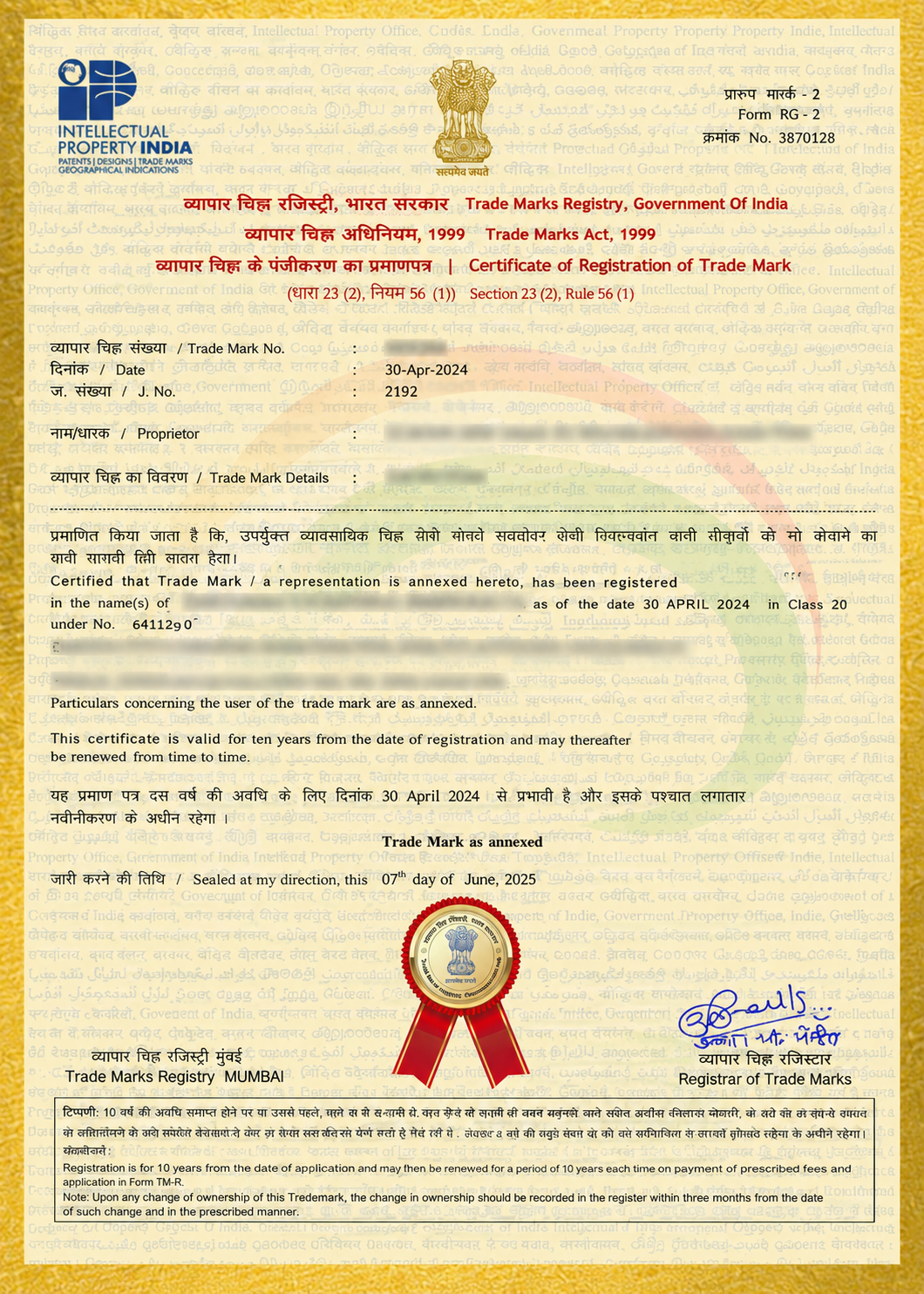
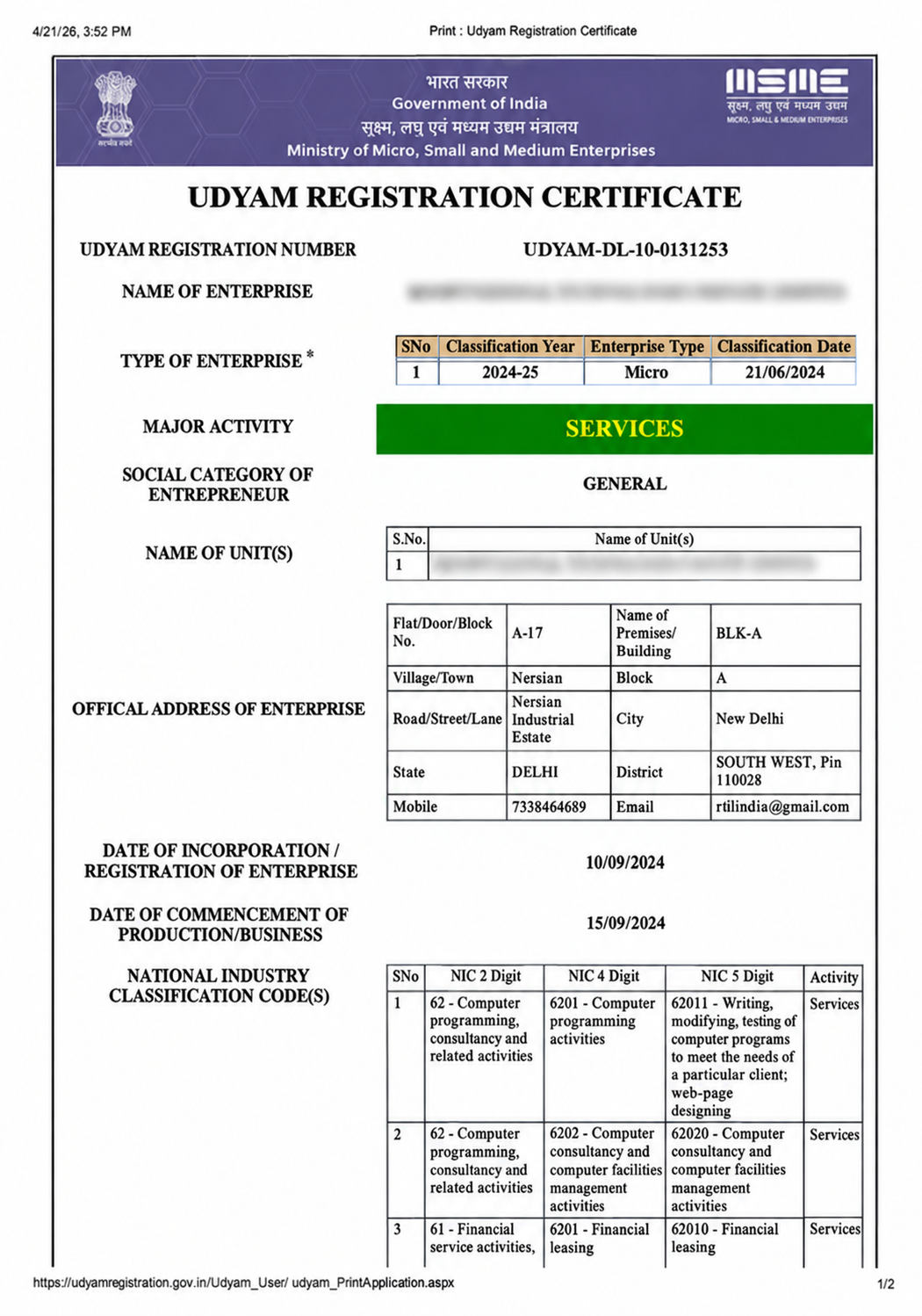
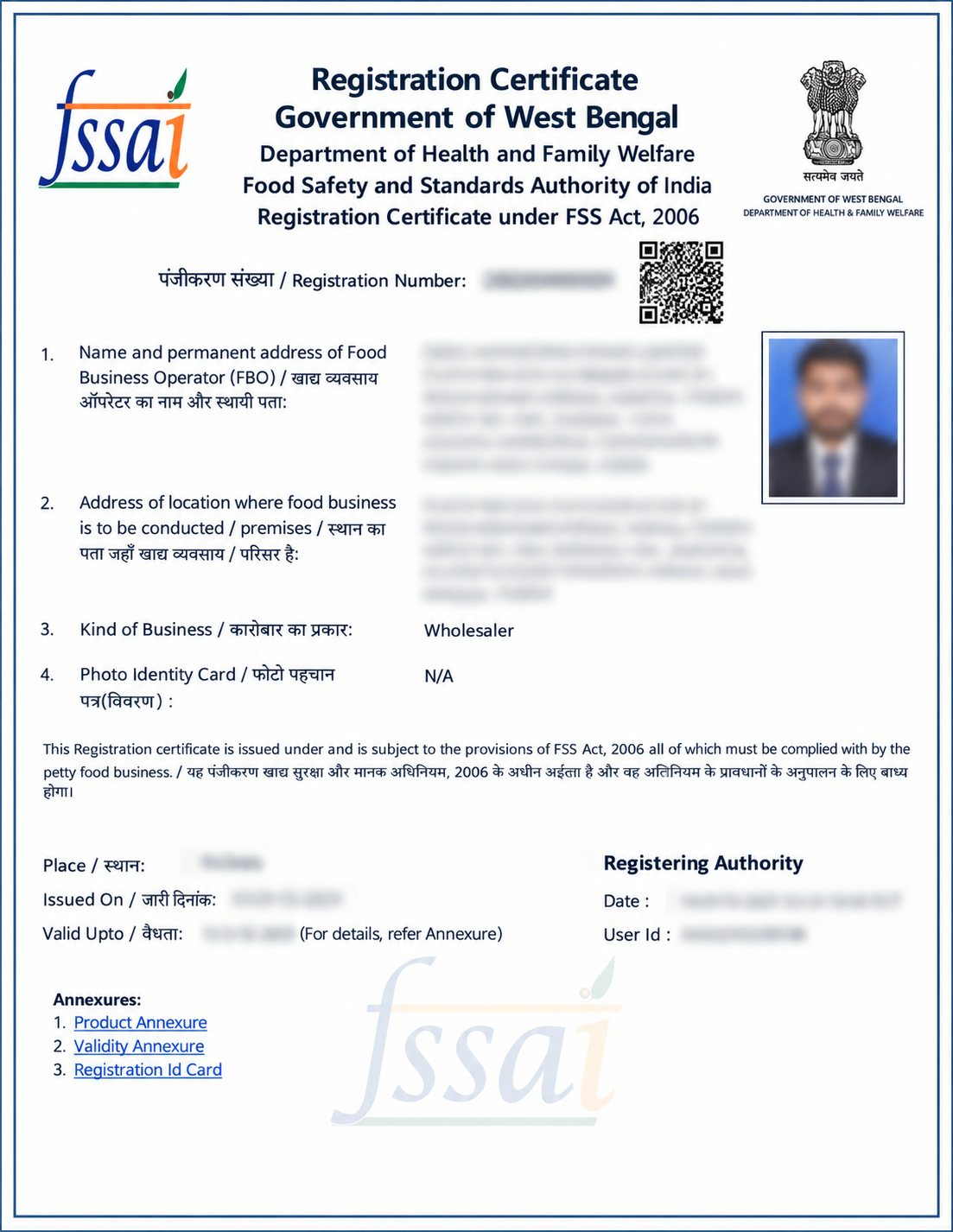
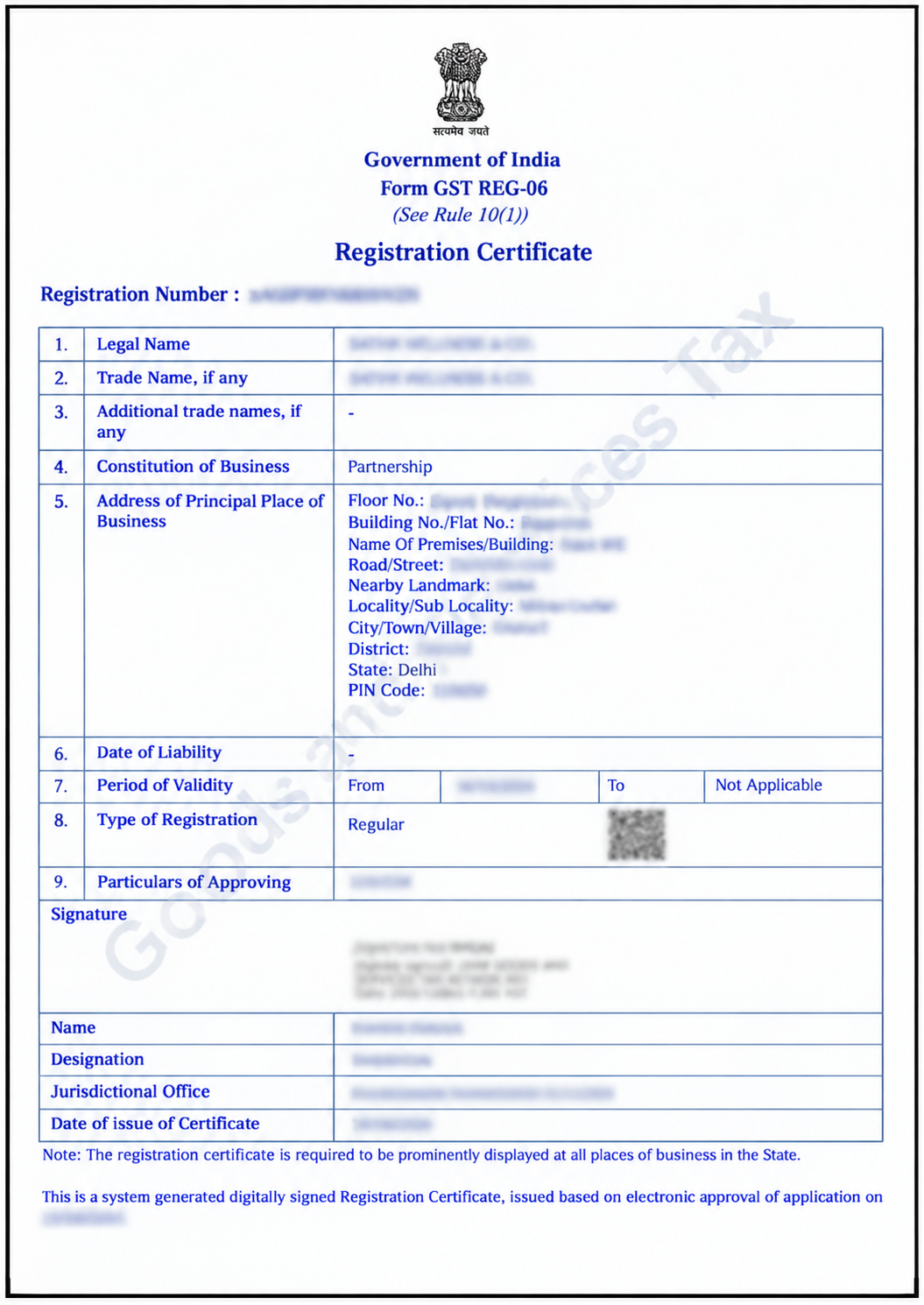
"Explore how Legalstartup has helped businesses reach new heights as their trusted partner."

Thousands of businesses and founders trust LegalStartup.