
Buy or sell shares with confidence using a clear share purchase agreement. A legal expert understands the deal, drafts or reviews the price, warranty and indemnity terms, and guides you on stamp duty, share transfer and updating the company's records.
Free call & custom quote · Quote shared before you pay anything
A share purchase agreement, or SPA, is a contract in which a seller agrees to sell and a buyer agrees to buy shares of a company at an agreed price. It records the number and class of shares, the price, the conditions to complete the deal, the seller's warranties and the buyer's protections, and it works alongside the share transfer documents and the company's records.
Last updated: October 2026. Laws, tax rules and filing requirements can change, and each deal is different, so we confirm the current position before drafting. Tax and valuation questions should also go to a tax professional.
When someone buys shares from an existing shareholder, the company does not issue anything new. The shares simply change hands. The SPA is the contract that governs that sale. It fixes the price and how it will be paid, lists what must happen before completion, and sets out what the seller promises about the company, such as clear title to the shares, accurate accounts and no hidden liabilities.
Two protections do most of the work. Representations and warranties are the seller's statements about the company and the shares. Indemnities are promises to compensate the buyer if those statements turn out to be wrong or specific risks arise. After signing, the transfer is completed through Form SH-4 for physical shares, or a delivery instruction to the depository participant for dematerialised shares, and the company updates its register of members and issues new share certificates where applicable.
Some deals need extra steps. The Articles of Association or a shareholders agreement may give existing shareholders a right of first refusal. Sales involving non-residents, listed companies or large combinations can attract foreign exchange, SEBI or competition law requirements. For official company information, visit the Ministry of Corporate Affairs website. To protect a brand held by the company, see our trademark registration online service.
What buyers and sellers should keep in mind in every share sale.
The right terms depend on who is buying, who is selling and how much control changes hands.
A promoter sells part of their shares to a new investor.
One shareholder leaves and the others buy their stake.
A buyer takes over control of an existing company.
Shares move between existing holders or to a new one.
One side of the deal is a non-resident.
An earlier investor exits and sells to a new or existing holder.
Not sure how to structure your deal? Tell us who is buying, who is selling and the stake involved, and our experts will suggest the right route, free of charge.
Why buyers and sellers put share deals in writing.
Price, payment timing and conditions are recorded and agreed.
Warranties and indemnities give recourse if the company is not as described.
Caps, time limits and disclosures can limit the seller's exposure.
Findings from your review turn into specific terms and price adjustments.
A checklist of documents and steps avoids last-minute surprises.
Properly documented transfers keep the company's registers accurate.
Share your details from anywhere in India without visiting an office.
From first call to completed transfer, here is how a share sale moves forward.
Timelines depend on the size of the deal, due diligence findings and any approvals needed. Not to scale.
Tell us the company, the shares involved, the proposed price and what each side wants from the deal.
We review the Articles, any shareholders agreement, share ownership records and rights of first refusal that affect the sale.
The SPA is drafted with price, conditions, warranties, indemnities, completion steps and dispute resolution.
Both sides review the draft, and we update it until the terms reflect what was agreed.
We explain the stamp duty, the transfer form to use and how the parties should sign.
The price is paid, the shares are transferred, and the company's register of members and share certificates are updated.
Keep these ready to avoid delays. Our expert will confirm the exact list for your deal.
The total cost depends on the deal size, how complex the terms are, the number of parties and whether due diligence and completion support are needed. It generally has three parts:
Covers understanding the deal, drafting or negotiating the SPA and the rounds of changes. It varies with complexity, so we share a quote after a free call.
Stamp duty is payable on the transfer and depends on the nature of the transfer. We guide you on the current position.
Due diligence, valuation, tax advice, a shareholders agreement and filings for foreign investment are separate, if you need them.
We share a clear, itemised quote before you begin – no hidden charges. Get your free quote →
Choose the situation that matches your deal, or call free for a custom quote.
You are buying or selling shares and need an agreement written.
The other side sent you an agreement to sign.
The deal is agreed and you need the transfer completed properly.
Our professional fee is quoted after a free call. Stamp duty and filing charges are separate and set by law. We do not provide tax or valuation certification. An agreement cannot remove all deal risk, but it allocates it clearly. Not sure which option fits? Ask for a free review.
If shares are changing hands for a price, you should have one.
Sell part or all of your stake on clear, protective terms.
Acquire shares with warranties and indemnities that protect your money.
Leave the company with a clean release and a defined payment.
Buy out a partner while keeping control and avoiding disputes.
Record transfers between related parties and keep registers accurate.
Structure cross-border purchases and sales with the right checks.
A quick view of how a share purchase agreement differs from related documents. Ask us which ones your deal needs.
| Document | What it is | Binding? | Used for | Watch out for |
|---|---|---|---|---|
| Share purchase agreement | Contract for buying and selling existing shares | Yes, as a contract | Sale of shares between a seller and a buyer | Weak warranties leave the buyer exposed |
| Share transfer form (SH-4) | Instrument to transfer physical shares | Effects the transfer on the register | Completing the transfer with the company | Needs stamping and lodging |
| Share subscription agreement | Contract for new shares issued by the company | Yes, as a contract | Fresh investment into the company | Different from a purchase of existing shares |
| Term sheet or MOU | Outline of proposed deal terms | Mostly non-binding, except stated clauses | Early stage of a deal | Not a substitute for the final SPA |
Careful diligence and clear terms prevent most share deal disputes.
Signing is not the end. Here is what usually follows.
The buyer pays as agreed and the seller delivers the transfer form, share certificates or demat instruction.
The company registers the transfer, updates the register of members and issues share certificates where applicable.
File any forms triggered by the deal, such as changes in directors or foreign investment reporting, and keep tax records.
Note the time limits for claims and any continuing obligations such as confidentiality.
If a party breaches the agreement, see our legal notice online service. For governance after the deal, see our shareholders agreement service, and for confidentiality during talks see our NDA agreement service.
Quick answers on share purchase agreements in India.
A share purchase agreement, or SPA, is a contract in which a seller agrees to sell and a buyer agrees to buy shares of a company at an agreed price on stated terms. It also sets out the conditions, warranties, protections and steps to complete the transfer.
Whenever shares of a company are being bought or sold, for example when a founder sells to an investor, a shareholder exits, or a buyer acquires a controlling stake. A written SPA records the price, conditions and risk allocation so that both sides are protected.
The SPA is the commercial contract between buyer and seller. A share transfer form such as Form SH-4 is the instrument used to transfer physical shares and lodge them with the company, while dematerialised shares move through a delivery instruction to the depository participant. Both are usually needed.
Details of the parties and the company, the number and class of shares, price and payment terms, conditions before completion, representations and warranties, indemnities, completion steps and deliverables, confidentiality and other post-sale obligations, termination, governing law and dispute resolution.
Representations and warranties are statements by the seller about the company and the shares, such as ownership, liabilities and compliance. An indemnity is a promise to compensate the buyer for losses if those statements prove untrue or specific risks arise. They are central to buyer protection.
Stamp duty is payable on the transfer of shares under the Indian Stamp Act, 1899, and the rate depends on the nature of the transfer and the applicable law. An insufficiently stamped document may not be accepted as evidence until duty and penalty are paid, so confirm the position before completion.
The law does not make it compulsory, but buyers benefit greatly from legal, financial and tax due diligence. It reveals liabilities, disputes and compliance gaps that can affect the price and the warranties you ask for.
It depends on the deal. The Articles of Association or a shareholders agreement may give existing shareholders pre-emption or first refusal rights, and a private company's board may need to approve transfers. Sales involving non-residents, listed companies or large combinations may also need compliance with foreign exchange, SEBI or competition law rules.
The seller may have to pay capital gains tax on the profit, and a buyer may face tax consequences if shares are acquired below fair market value. Tax treatment depends on the type of shares, the holding period and the parties, so take advice from a tax professional.
The cost depends on the deal size, its complexity, the number of parties and whether due diligence and closing support are needed. We do not publish a fixed price; call free and we share an itemised quote before you pay anything.
Buying or selling shares? Speak to our legal expert today – the first consultation and the quote are free.
Tell us what you need and our team will get back to you with the right guidance.
Legalstartup ke certificates, registrations aur recognitions jo hamari credibility dikhate hain.
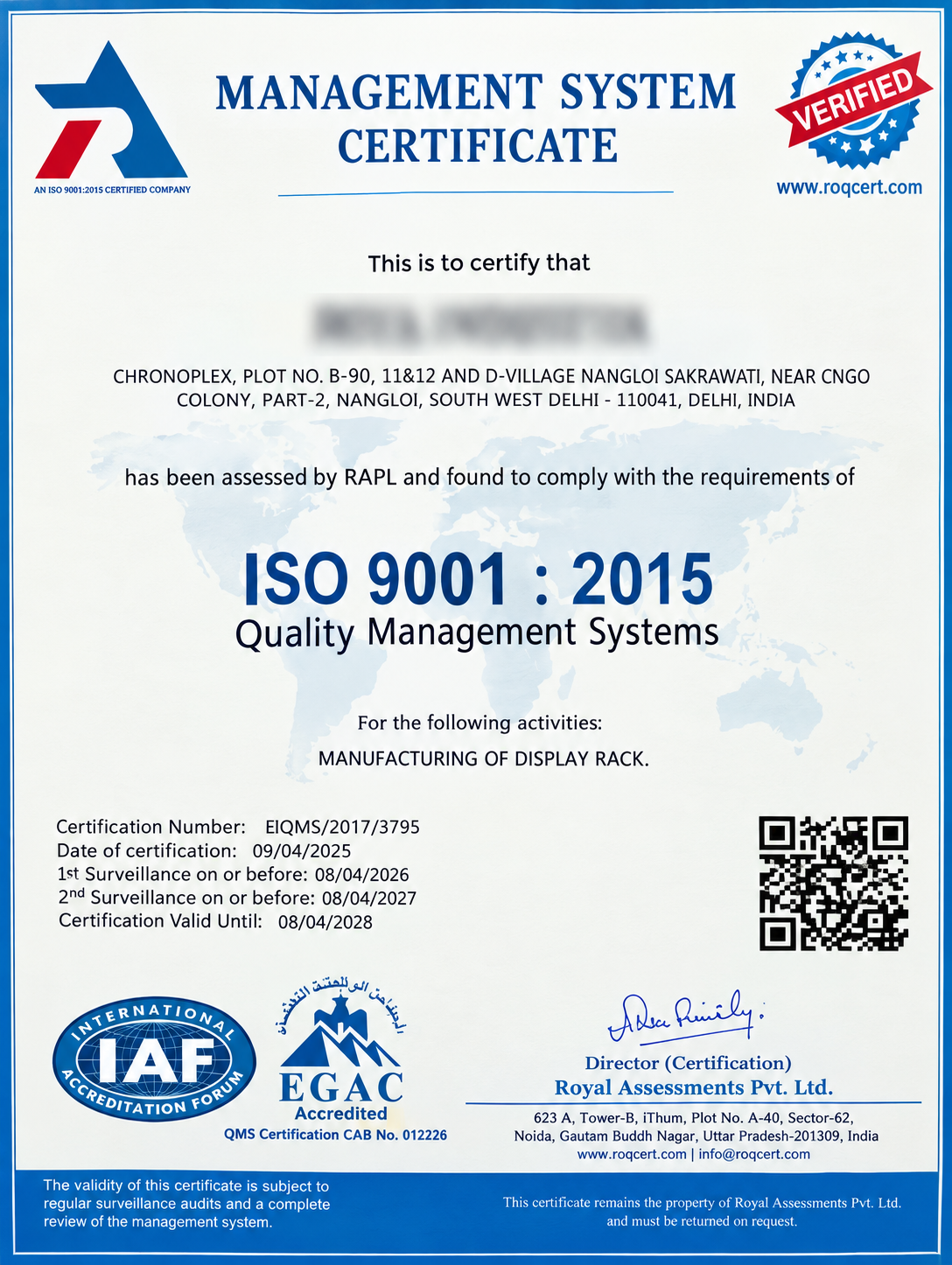
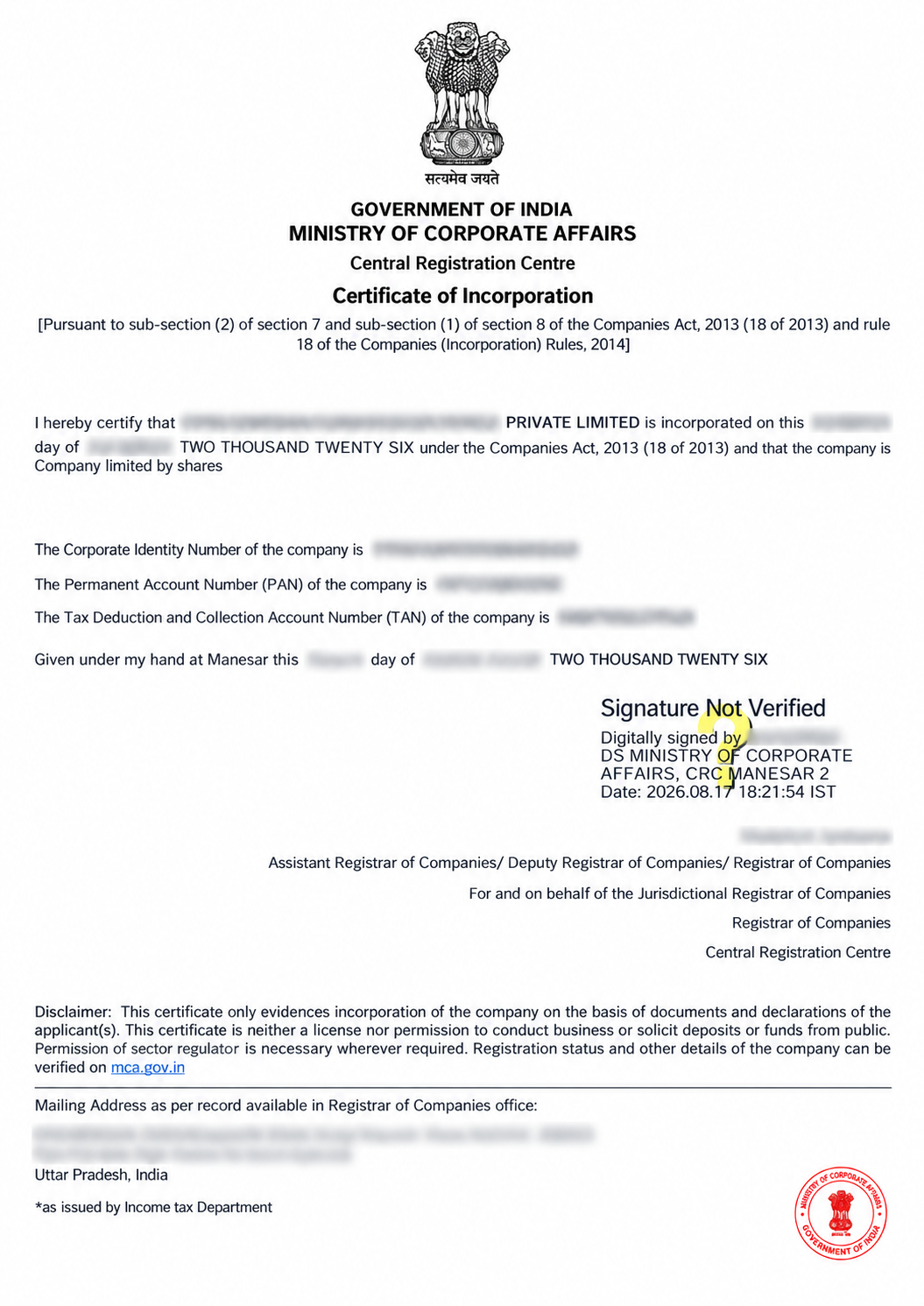
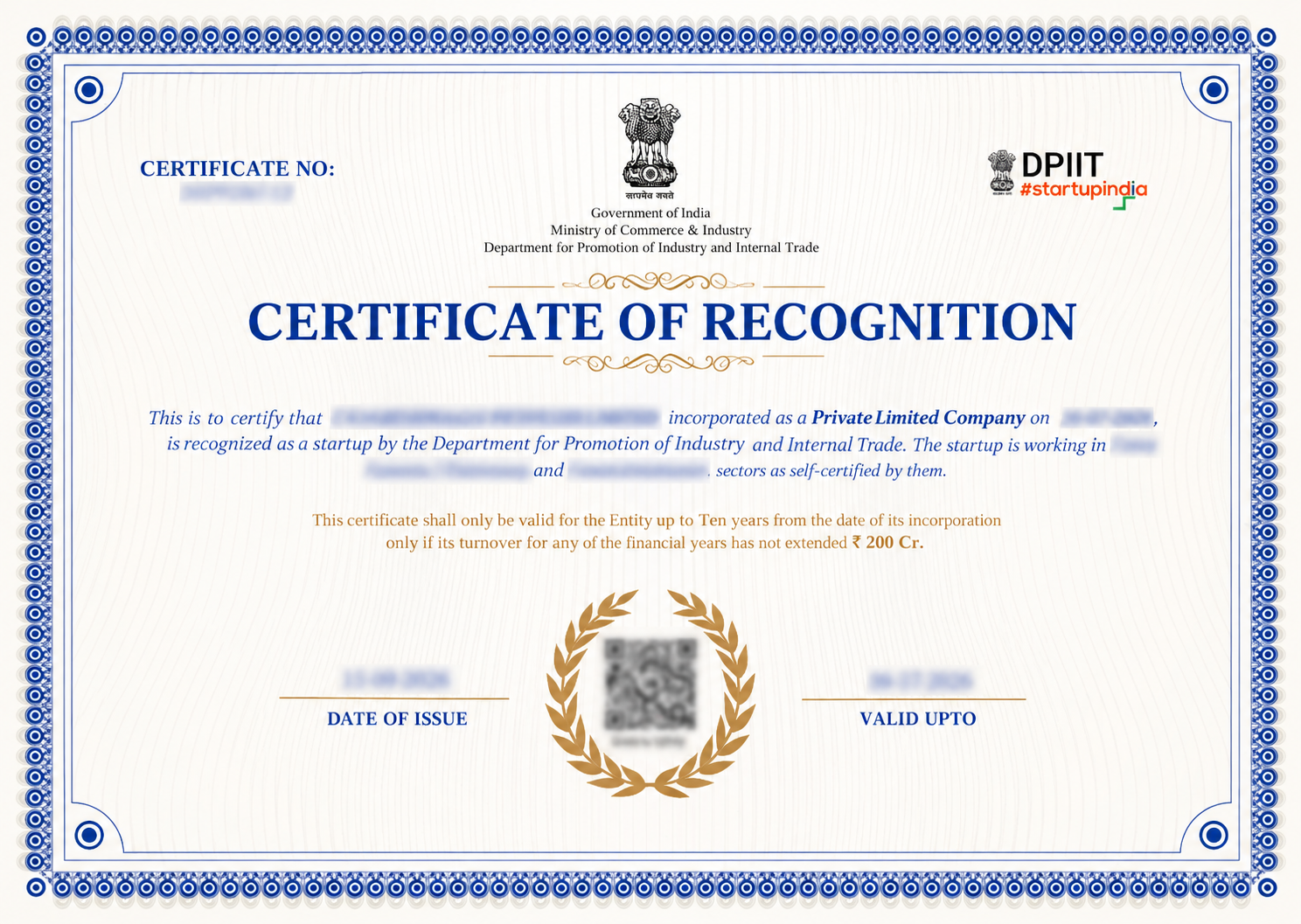
"Explore how Legalstartup has helped businesses reach new heights as their trusted partner."

Thousands of businesses and founders trust LegalStartup.