
Get your legal heir certificate with Legal Startup. A dedicated legal expert checks eligibility, prepares your documents and affidavit, files the application and follows up with the issuing authority.
Free call & custom quote · Professional fee + government fee, where applicable
A legal heir certificate is an official document that identifies the surviving legal heirs of a deceased person. Family members use it to claim bank deposits, insurance, pension and provident fund dues, and to update property records after a death.
Last updated: October 2026. Rules, forms and fees differ by state and by the personal law applicable to the deceased. This page is general information, not legal advice.
When a person dies, their bank accounts, investments, insurance and property do not automatically move to the family's name. Institutions want proof of who the rightful heirs are. A legal heir certificate provides that proof by listing the heirs and their relationship to the deceased.
The certificate is issued after the authority checks the application and, where required, verifies the details. Who counts as a legal heir depends on the personal law that applies, for example the Hindu Succession Act, 1956, the Indian Succession Act, 1925 or Muslim personal law, and on whether the person left a will.
A legal heir certificate does not decide ownership disputes, and it is not a court order. If there is a will, probate may be required, and if the amount is large or an institution asks for it, a court-issued succession certificate may be needed. Read the laws on the India Code portal and check court matters on eCourts Services.
Things every family should know before applying.
The right route depends on what you need to claim or change.
Heirs are identified under the applicable personal law.
Institutions ask for proof of heirship before releasing money.
Update land or flat records in the heirs' names.
Government and private employers settle dues with the heirs.
When a court-issued certificate is asked for instead.
Heirs live in different cities or abroad.
Not sure what you need? Tell us the family details and what you want to claim, and our experts will suggest the right document free of charge.
Why families get this document made at the right time.
A single official document showing who the legal heirs are.
Helps claim bank balances, insurance, pension and PF.
Supports mutation of land and flat records after a death.
A properly prepared heir list reduces confusion among relatives.
Avoid rejections caused by missing or mismatched papers.
We handle the paperwork and follow-up so you can focus on family.
Share documents by WhatsApp or email from anywhere.
From first call to the certificate in hand, here is how it generally works.
Timelines and steps depend on the state and the local office. Not to scale.
Tell us about the deceased, the family and what you need the certificate for.
We check if a legal heir certificate is enough, or if a succession certificate or probate is needed.
We list all heirs, collect proof and draft the affidavit as the authority requires.
The application is filed on the state portal or with the office, as applicable.
We follow the status and help with any verification or query from the authority.
You get the certificate and guidance on using it for bank, insurance or property work.
Keep these ready to avoid delays. Our expert will confirm the exact list for your state and case.
The total cost depends on your state, the issuing authority, the number of heirs and whether the matter is simple or complex. It generally has three parts:
Application fee and stamp costs differ by state and authority, so we confirm the current amount before filing.
Our fee depends on the work involved. Call free for a custom quote before you pay anything.
Affidavits, notarisation, court petitions and extra copies are charged separately.
We share a clear, itemised quote before you begin – no hidden charges. Get your free quote →
Choose the situation that matches your case, or call free for a custom quote.
A straightforward case where a revenue-authority certificate is enough.
An institution asks for a court-issued certificate or the amount is large.
Several heirs, heirs abroad, or claims across banks, insurance and property.
Our professional fee is quoted after a free call. Government and court fees are separate. Timelines depend on the authority and we do not guarantee a fixed date. Not sure which option fits? Ask for a free review.
If a family member has passed away, you may need one for claims and records.
To claim accounts, insurance, pension and family dues.
To update property and settle the parent's financial affairs.
When a young or unmarried family member has passed away.
Some institutions ask for it even when a nominee exists.
Heirs abroad who need the process handled remotely.
Those who were told their documents were incomplete or rejected.
These documents are often confused. Ask us which one your case needs.
| Document | When it applies | Issued by | Cost | Typical use |
|---|---|---|---|---|
| Legal heir certificate | Proof of who the heirs are | Revenue or local authority | Fee varies by state | Bank, pension, insurance, mutation |
| Succession certificate | Collecting debts and securities of the deceased | Civil court | Court fee plus costs | Larger claims, shares, deposits |
| Probate | The deceased left a valid will | Court | Court fee plus costs | Establishing the will |
| Family membership certificate | Listing living family members | Local authority | Fee varies by state | Pension and employer records |
Most delays come from incomplete or mismatched documents.
The certificate is a tool. Here is how families usually put it to use.
Keep several attested copies, since each institution may keep one.
Ask each institution for its claim format and document list.
Apply for mutation at the local revenue or municipal office.
Share copies and decisions with all heirs to avoid misunderstandings.
Quick answers on legal heir certificates in India.
A legal heir certificate is an official document that names the surviving legal heirs of a person who has died. It is commonly used to claim bank deposits, insurance, pension, provident fund and to update property records.
It is usually issued by the revenue authority such as the Tehsildar or Sub-Divisional Magistrate, or by a designated local authority. The issuing office and procedure differ from state to state, so we confirm the correct authority for your location.
A legal heir certificate is issued by a revenue authority and identifies the heirs. A succession certificate is issued by a civil court under the Indian Succession Act, 1925, and gives the holder authority to collect debts and securities of the deceased. Some institutions ask for one, some for the other.
Usually a surviving family member who is a legal heir, such as a spouse, child or parent, can apply. Eligibility and the order of heirs depend on the personal law that applies to the deceased and on the rules of the issuing authority.
Commonly the death certificate of the deceased, the applicant's identity and address proof, details of all legal heirs with their relationship, proof of the deceased's residence, an affidavit and photographs. The exact list varies by state and authority.
Many states provide online application through their e-District or revenue portals. You submit the form with documents, the authority may verify details, and the certificate is issued if everything is in order. Some areas still require an offline application.
The time depends on the state, the local office and whether verification or objections are involved. We share the expected process after checking your location and documents, and we do not promise a fixed date.
Government fees, stamp costs and affidavit charges differ by state and authority. Our professional fee depends on the scope of work. Call us for a free consultation and an itemised quote.
It depends on the institution and the value involved. Banks, insurers and employers often accept it, but some ask for a succession certificate, probate of a will or an indemnity bond. Check the requirement with the institution before applying.
A legal heir certificate does not settle ownership disputes. If there is a will, probate may be needed, and if heirs disagree, the matter may have to go to court. We recommend legal advice in such cases.
Need a legal heir certificate? Speak to our legal expert today – the consultation and the quote are free.
Tell us what you need and our team will get back to you with the right guidance.
Legalstartup ke certificates, registrations aur recognitions jo hamari credibility dikhate hain.
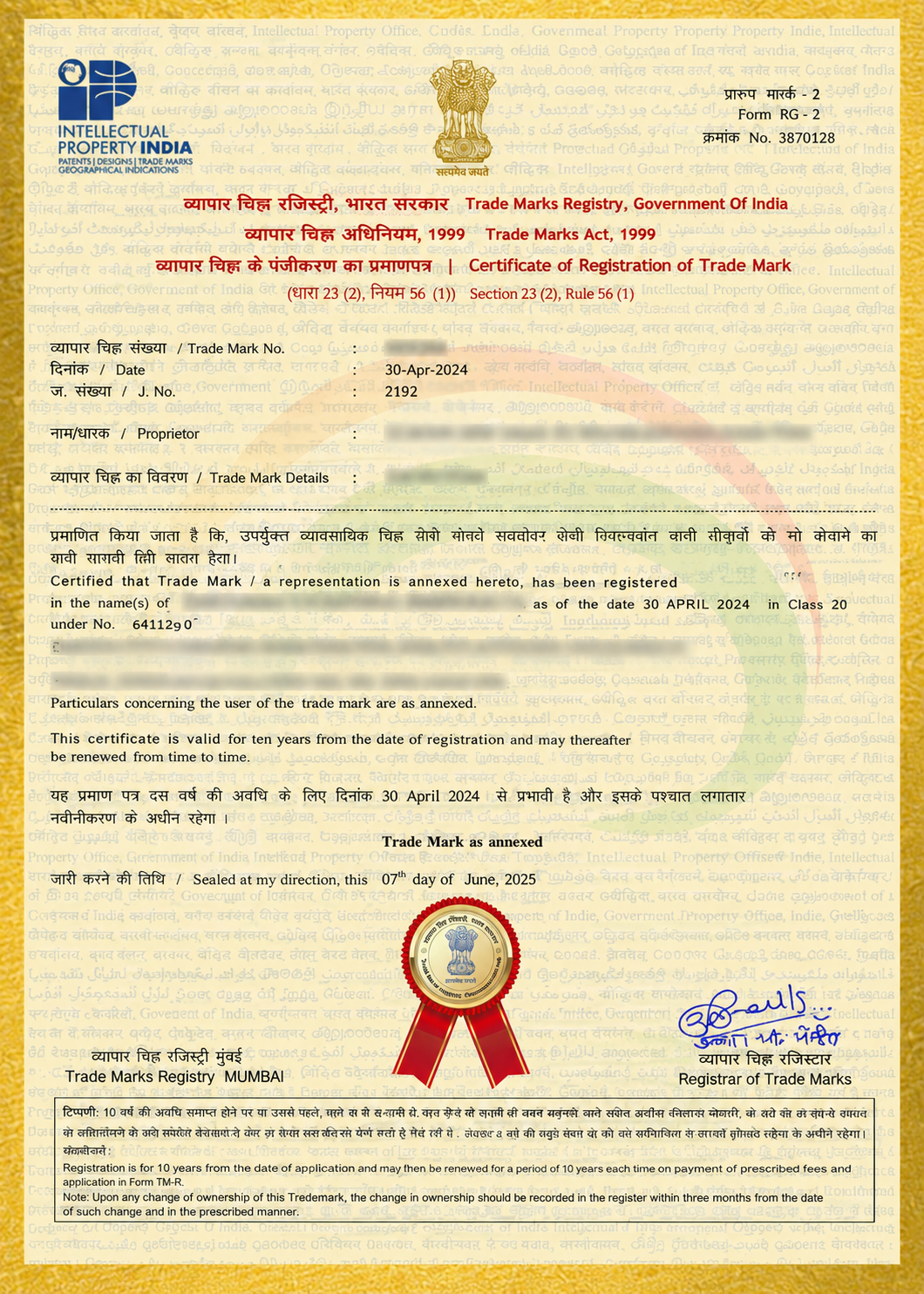
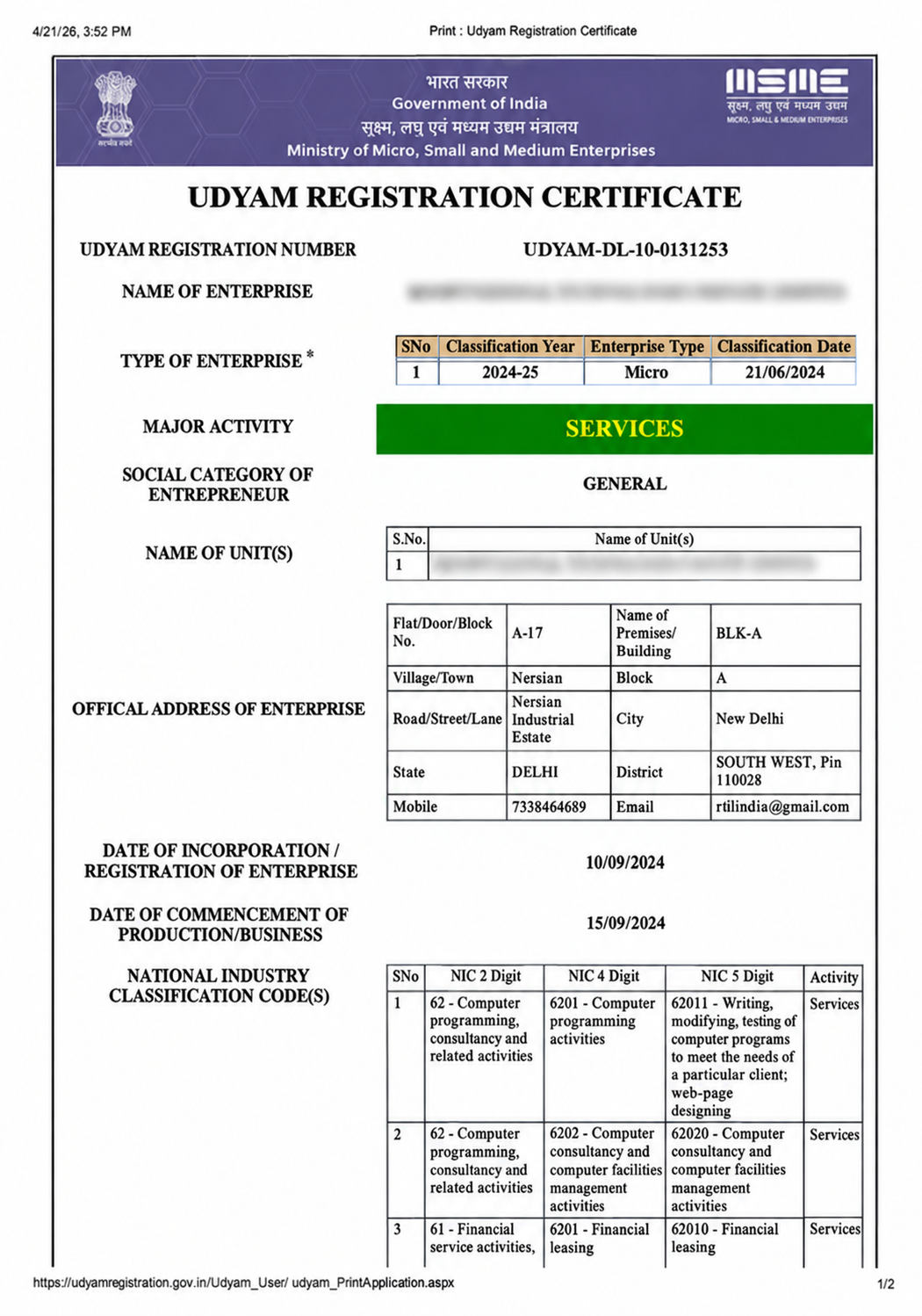
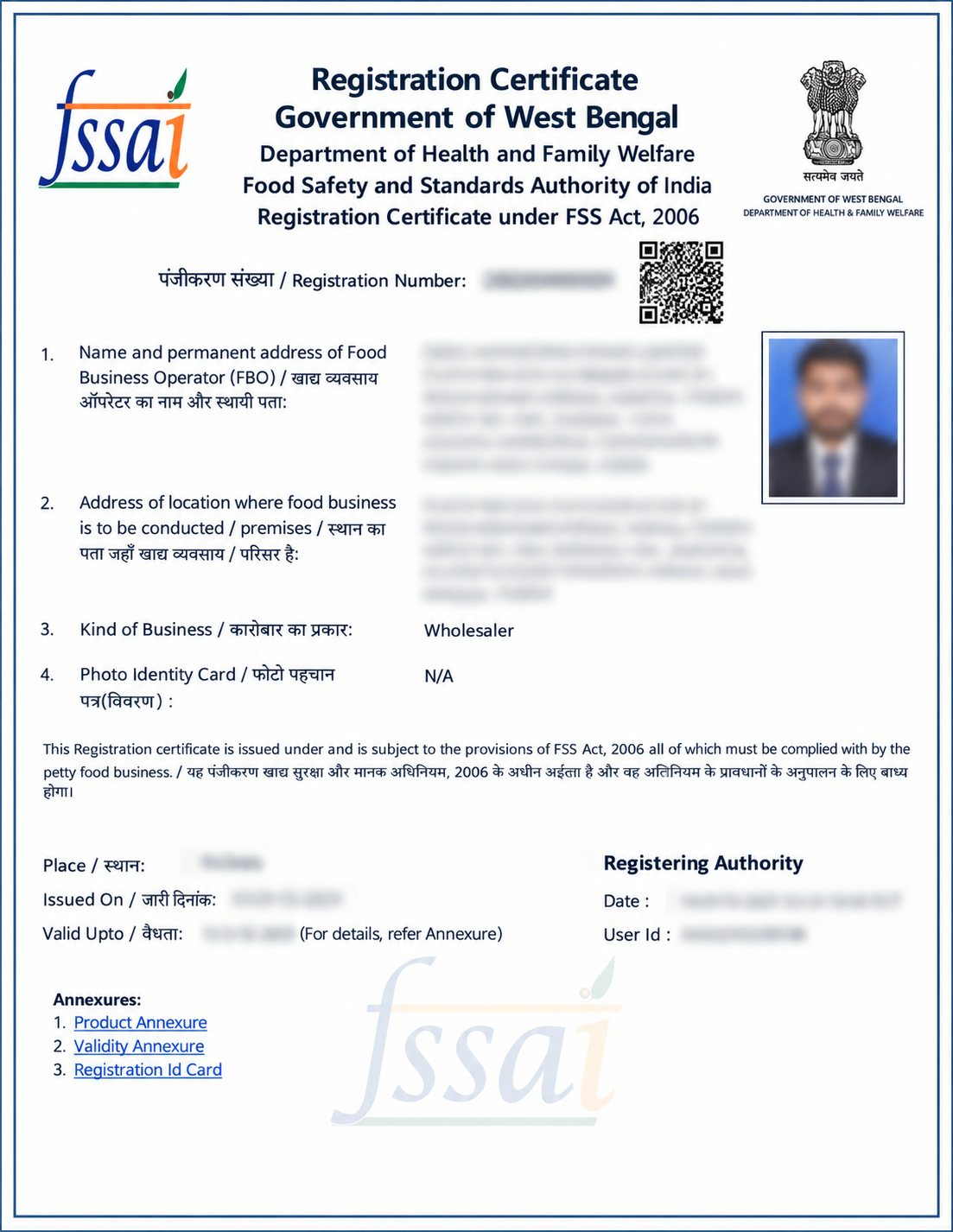
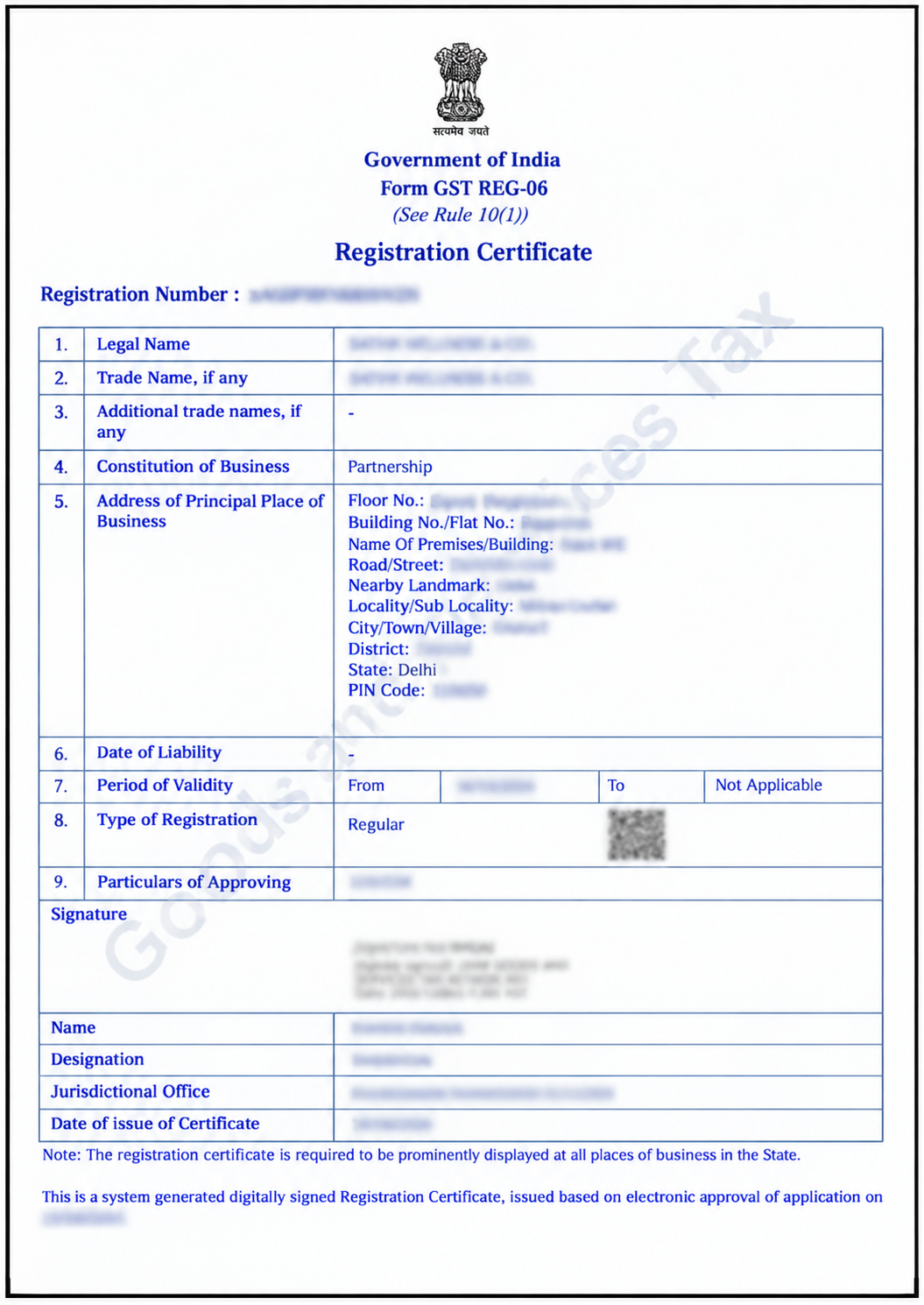
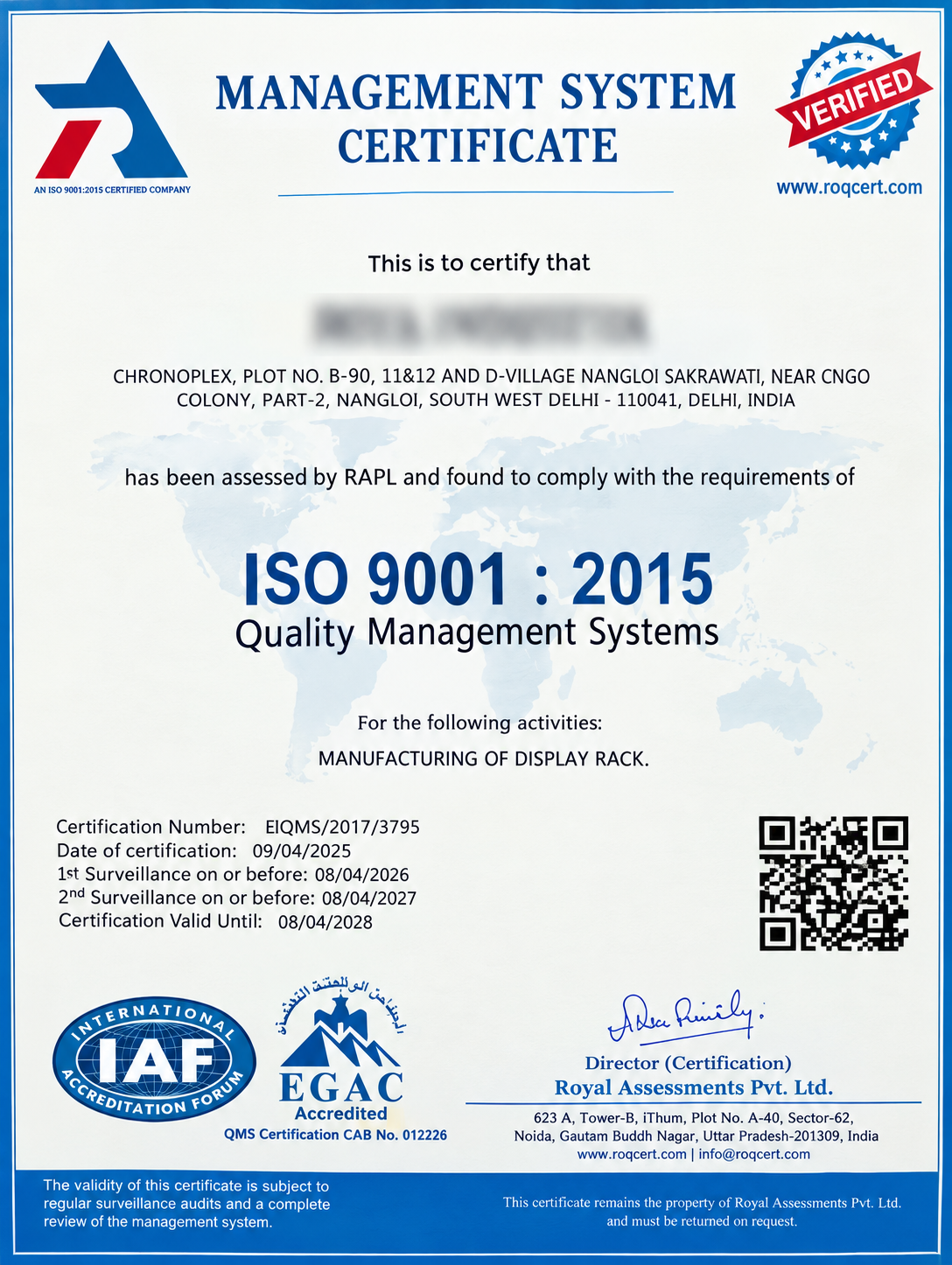
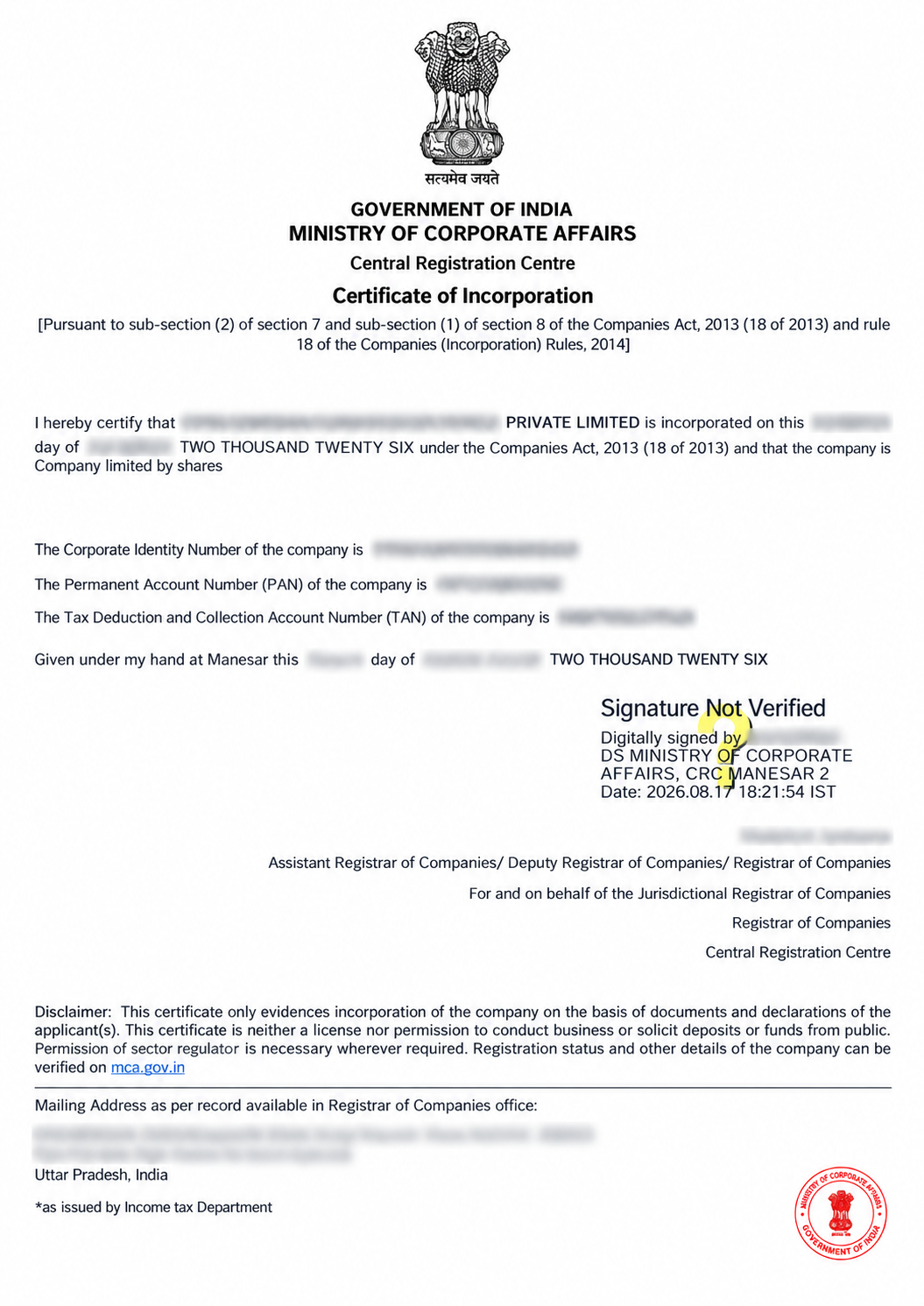
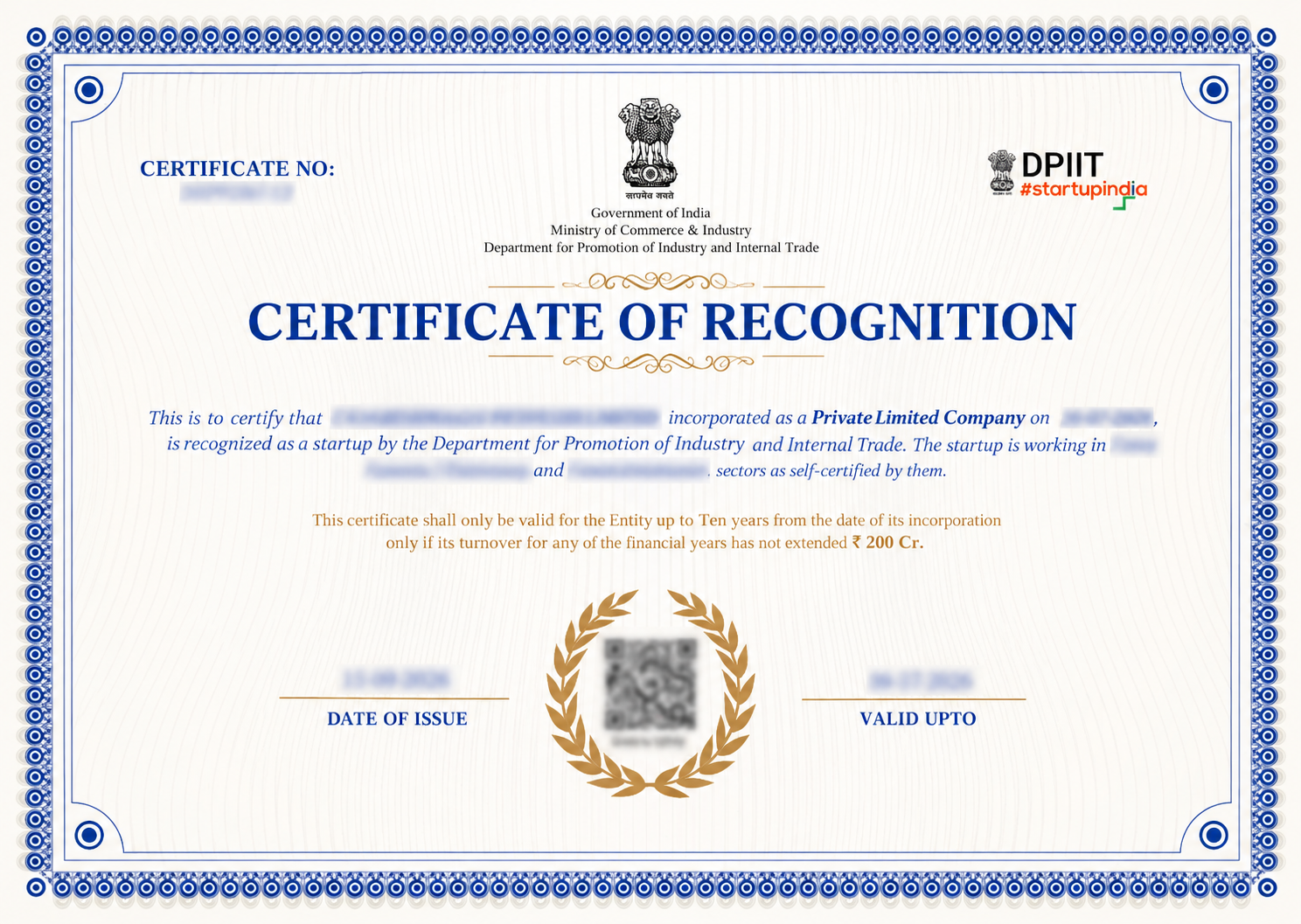
"Explore how Legalstartup has helped businesses reach new heights as their trusted partner."

Thousands of businesses and founders trust LegalStartup.