
Know what a non-compete agreement can and cannot do under Indian law. Legal Startup drafts and reviews non-compete, non-solicitation and confidentiality terms that are reasonable, clear and built to hold up, and suggests safer alternatives where a clause is unlikely to be enforced.
Free call & custom quote · Professional fee quoted before you start
A non-compete agreement is a contract in which a person promises not to carry on or join a competing business for a set period and area. In India, Section 27 of the Indian Contract Act, 1872 makes agreements in restraint of trade void, so a non-compete is enforceable only in limited situations and must be drafted with care.
Last updated: October 2026. This page is general information, not legal advice for your specific case. Court views and laws can change, so we review your facts before drafting.
A non-compete agreement, or non-compete clause inside a larger contract, restricts a person from competing with a business. It is used with employees, founders, partners, consultants, distributors and sellers of a business to protect customers, trade secrets and goodwill.
India does not follow the approach seen in some other countries. Section 27 treats a restraint of trade as void unless an exception applies, and courts look closely at whether a restriction is reasonable and protects a legitimate business interest rather than simply stopping someone from earning a living. A clause that looks strong on paper may not hold up when tested.
That is why the goal is not to add the longest possible clause, but to choose the right mix of protections for your case. Brand and trade name protection also matters; see our trademark registration online service.
The key points every business and individual should know.
What is possible depends on who is bound and why.
Restrictions while employed and protections after exit.
Restrictions on founders and investors in the venture.
The seller agrees not to compete with the buyer.
Contractors with access to clients and know-how.
Restraints on partners while they remain in the firm.
Restrictions on selling competing products during the term.
Not sure which situation applies? Share the details and our experts will advise free of charge.
Clear, reasonable terms are more likely to be respected and defended.
Describes exactly what the person cannot do, not just "any competing work".
States a limited period that is reasonable for the interest being protected.
Limits the area to where the business actually operates.
Links the restriction to protecting goodwill, trade secrets or customer relationships.
Records what the restricted person receives in return.
Protects business information and relationships with narrow, defined terms.
Ensures work created for the business belongs to the business.
Covers injunction, damages, governing law and arbitration or court jurisdiction.
From understanding your interest to a signed, stamped agreement.
Timelines depend on how quickly the parties agree on terms. Not to scale.
We identify what you actually need to protect: clients, know-how, goodwill or a market.
We check how Section 27 and court decisions are likely to treat the restriction in your situation.
We combine non-compete, non-solicit, confidentiality, IP and notice terms where each is suitable.
We draft precise, limited clauses in plain language rather than broad terms likely to fail.
All parties review the draft and we update it until the terms are agreed.
We guide you on stamp duty and execution so the agreement can be relied upon.
Keep these ready to avoid delays. Our expert will confirm the exact list for your case.
The cost depends on the type of agreement, the number of parties and how much negotiation is needed. It generally has three parts:
Our fee depends on the scope and complexity. Call free for a custom quote before you pay anything.
Set by state law, so it varies by state and document. We confirm the amount before execution.
Related documents such as a shareholders' agreement, employment contract or sale agreement are charged separately where needed.
We share a clear, itemised quote before you begin – no hidden charges. Get your free quote →
Choose the option that matches your situation, or call free for a custom quote.
You need a non-compete and related protections drafted.
You received a non-compete, or want to know if one can be enforced.
Restrictive covenants in a sale, investment or founder arrangement.
Our professional fee is quoted after a free call. Stamp duty and any related document charges are separate. Not sure which option fits? Ask for a free consultation.
Anyone sharing sensitive information or goodwill should understand their position.
Protecting client lists, know-how and product plans from misuse.
Setting clear expectations about competing ventures.
Making sure the seller does not rebuild a competing business nearby.
Looking for founder commitment and protection of the investment.
Checking what a clause really restricts before signing.
Understanding exclusivity and territory limits during the contract.
A quick view of how these tools differ. Ask us which ones suit your case.
| Protection | What it does | During the contract | After the contract | Note |
|---|---|---|---|---|
| Non-compete | Stops competing work | Generally reasonable | Often unenforceable, except for sale of goodwill | Needs narrow drafting |
| Non-solicitation | Stops poaching clients or staff | Generally reasonable | Uncertain, depends on reasonableness | Keep it specific |
| Confidentiality / NDA | Protects information | Enforceable | Enforceable for the defined period | Strongest practical tool |
| IP assignment | Moves ownership to the business | Enforceable | Enforceable for work already created | Must be in writing |
Overbroad clauses often fail and give a false sense of security.
An agreement works best when it is backed by good practice.
Store stamped, signed copies safely with a record of when each person signed.
Limit access to sensitive data and keep records, which helps in enforcing confidentiality.
Protect the business name and logo in the business's own name.
Delay can weaken a claim for an injunction, so speak to a lawyer promptly.
Quick answers on non-compete agreements in India.
A non-compete agreement is a contract in which a person agrees not to carry on or work in a competing business for a stated period, area or scope. It is commonly used with employees, founders, consultants and sellers of a business.
Section 27 of the Indian Contract Act, 1872 makes agreements in restraint of trade void, subject to a limited exception for sale of goodwill. Restraints during a contract are treated more leniently than restraints after it ends.
Generally not. Indian courts have tended to refuse to enforce restrictions that stop a former employee from earning a living after the job ends. Outcomes depend on the facts, so each clause should be reviewed.
Yes. A clause that stops an employee from working for a competitor or running a competing business while employed is generally treated as reasonable, because it supports the duty of loyalty.
Section 27 contains an exception for a seller of goodwill, who may agree not to carry on a similar business within specified local limits for a reasonable period, as long as the restriction is reasonable for protecting the buyer.
Common alternatives are a confidentiality or NDA clause, IP assignment, a reasonable notice period, garden leave, retention or deferred bonuses, and narrowly drafted non-solicitation terms. Their enforceability also depends on how reasonable they are.
The parties, a clear description of the restricted activity, a limited duration and area, the legitimate interest being protected, consideration, confidentiality terms, remedies, governing law and dispute resolution.
Where a restriction is valid, the usual remedies are an injunction and damages. Whether they are available depends on whether the clause is enforceable and on the facts of the case.
Stamp duty on agreements is governed by state law, so the requirement and amount depend on the state and the nature of the document. We confirm the position before execution.
Cost depends on the type of agreement, the number of parties and how much negotiation is needed. Stamp duty is separate. Call us free for a custom quote before you pay anything.
Need to protect your business or understand a clause you were given? Speak to our legal expert today – the first consultation and the quote are free.
Tell us what you need and our team will get back to you with the right guidance.
Legalstartup ke certificates, registrations aur recognitions jo hamari credibility dikhate hain.
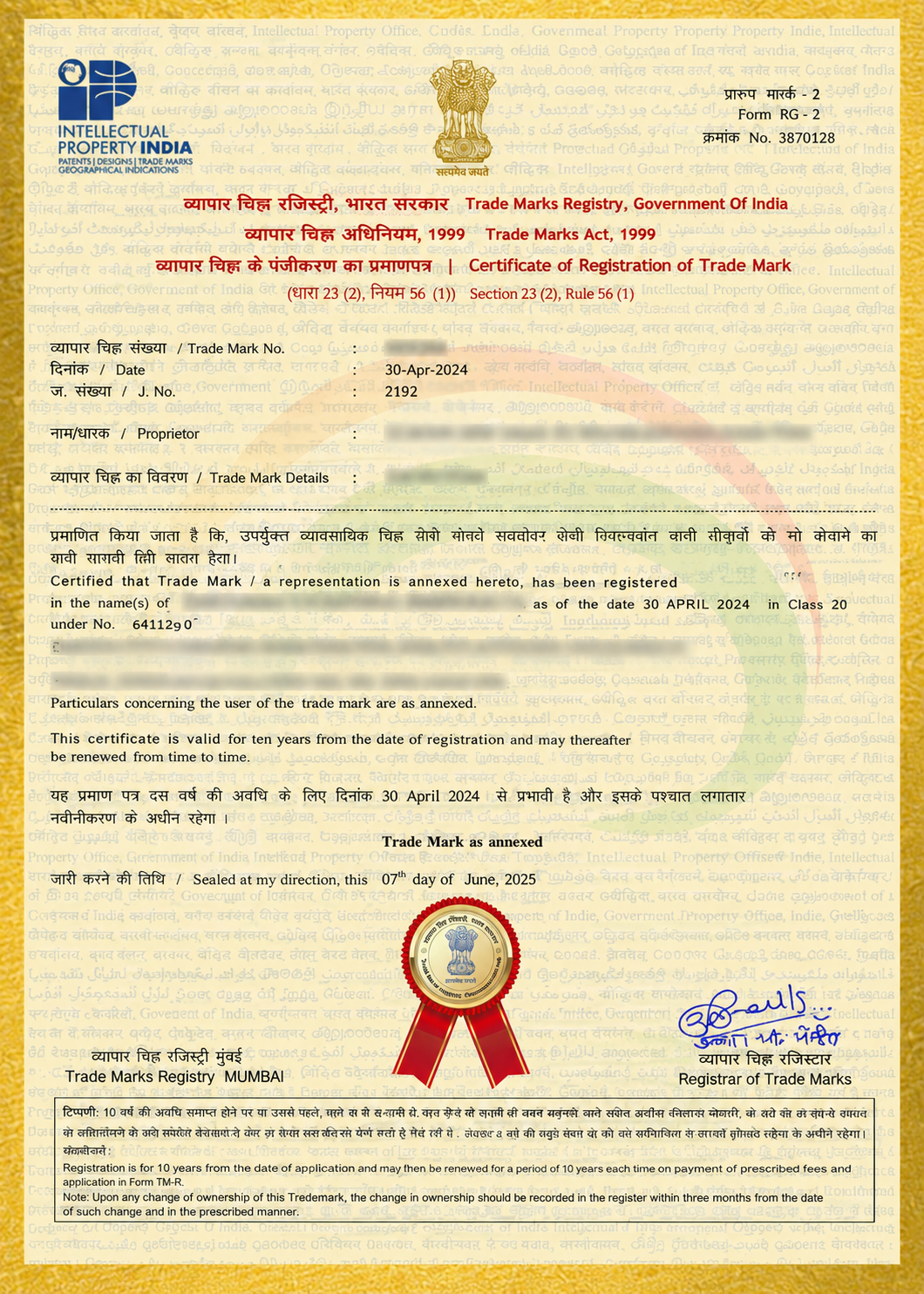
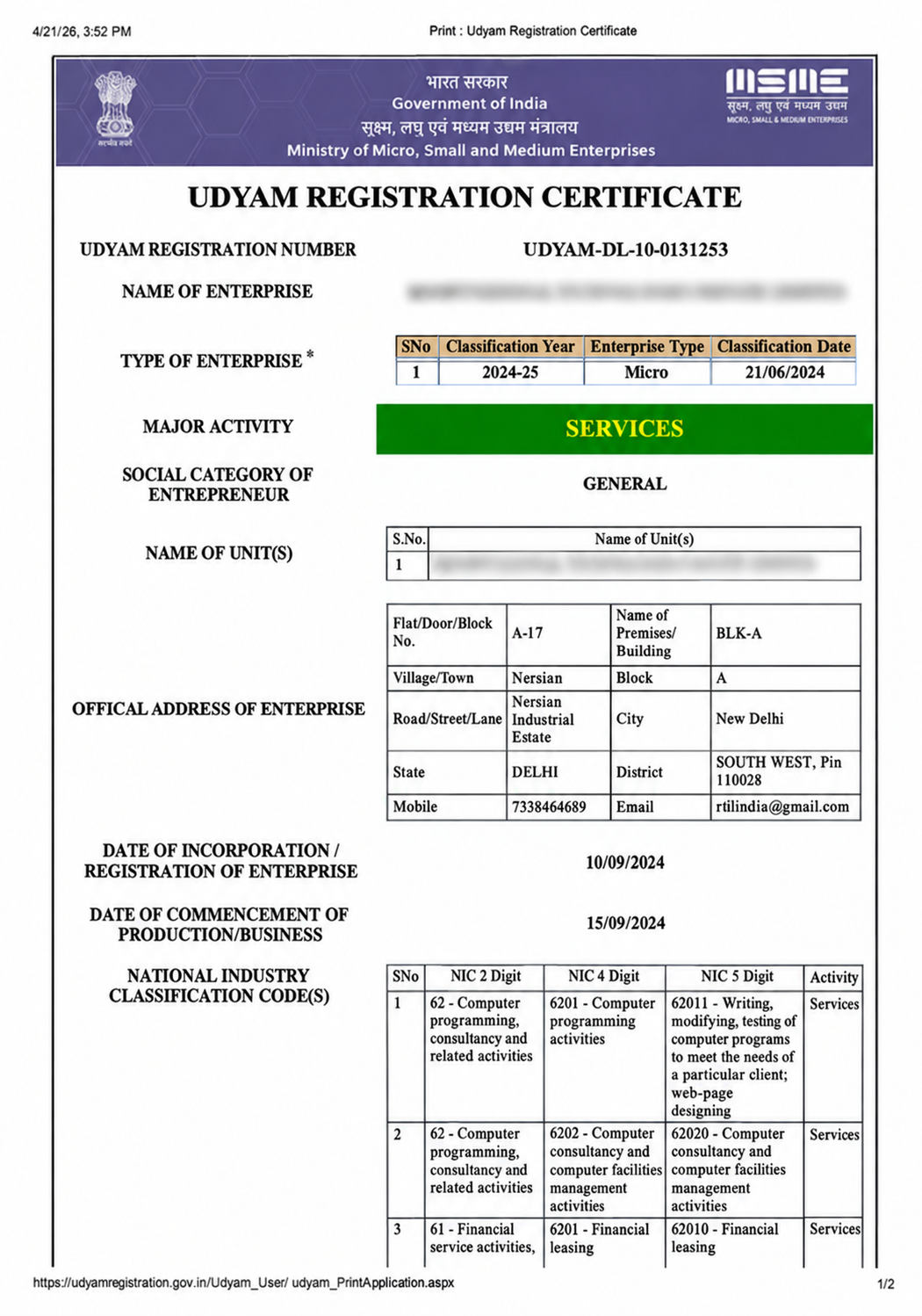
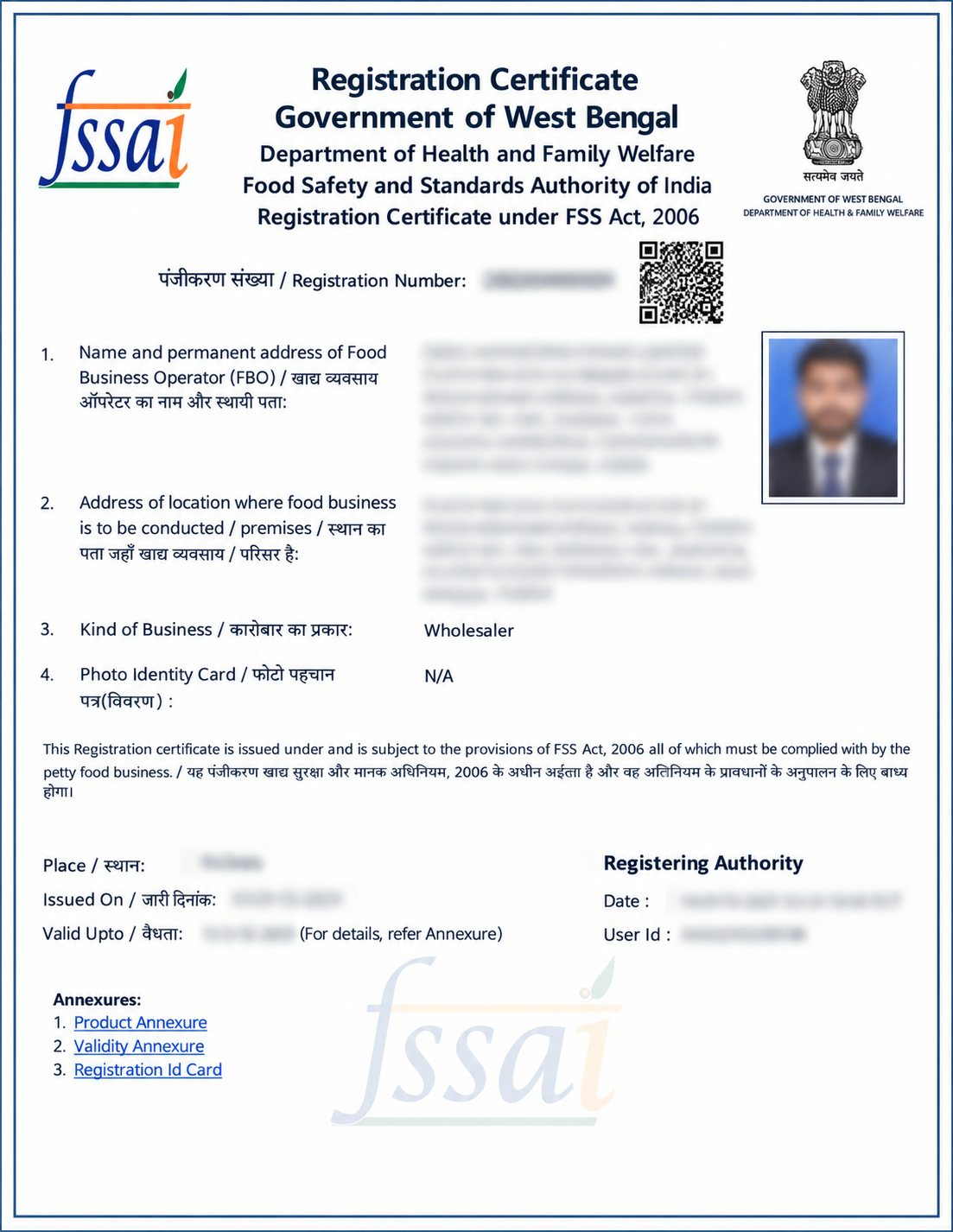
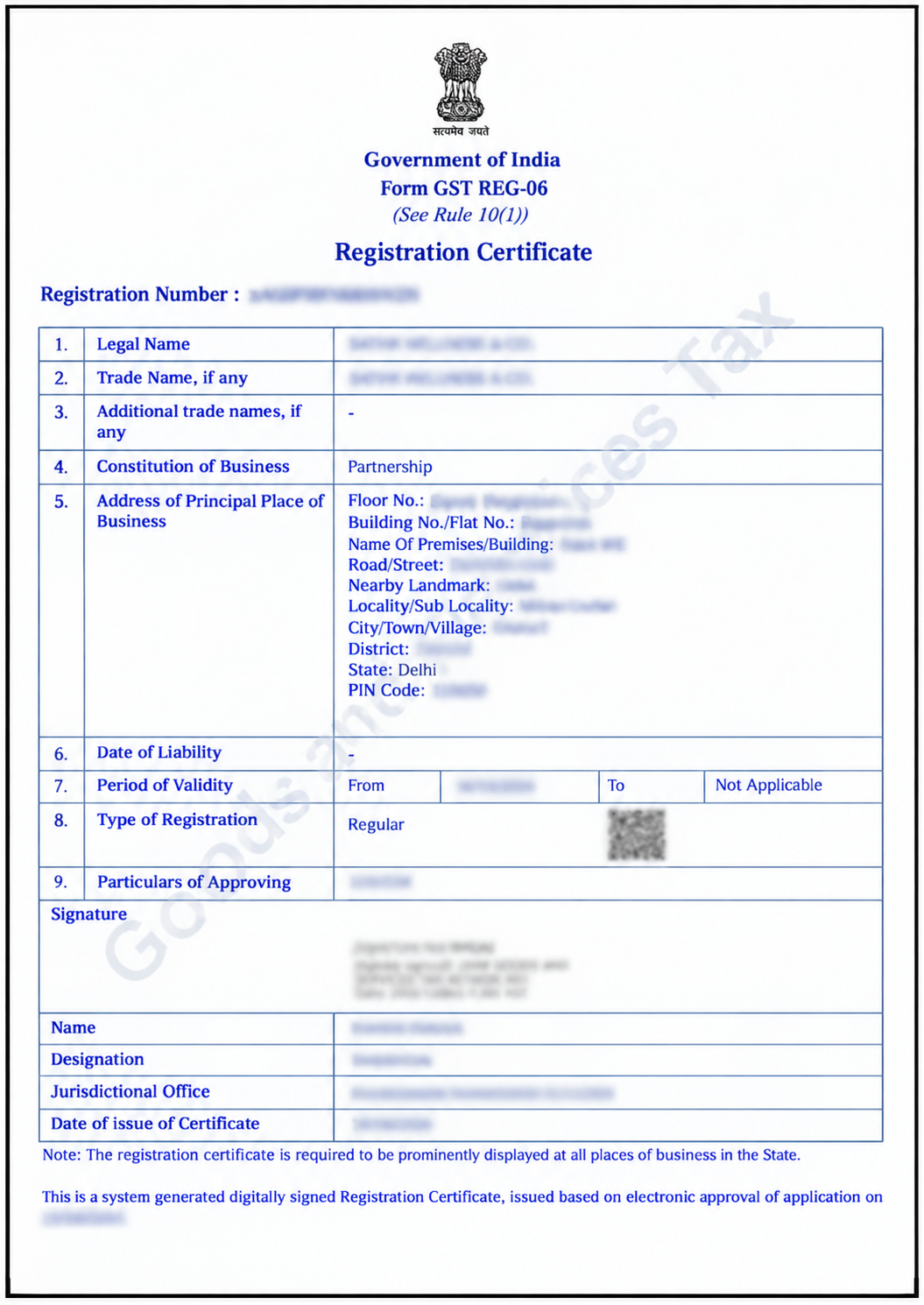

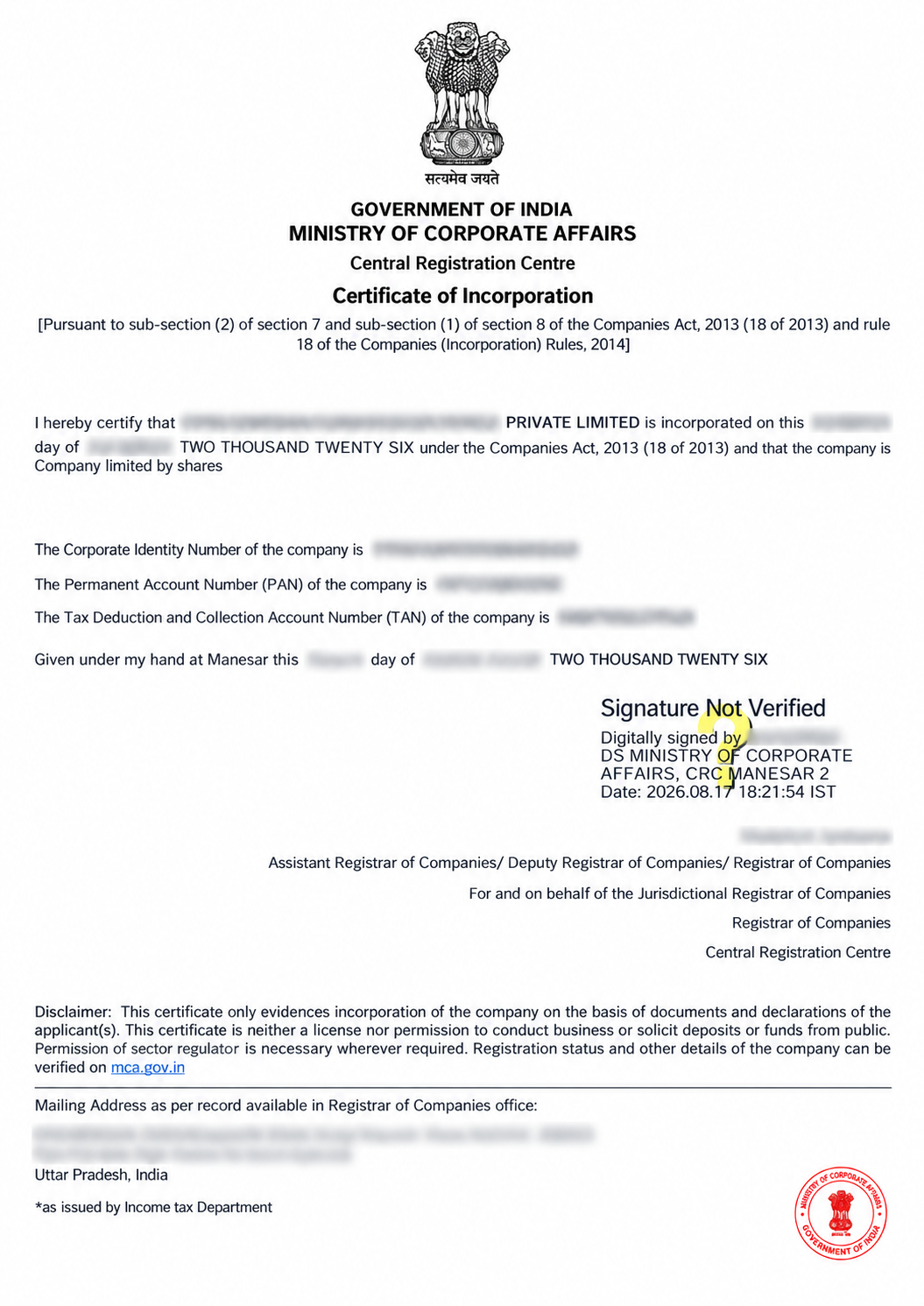
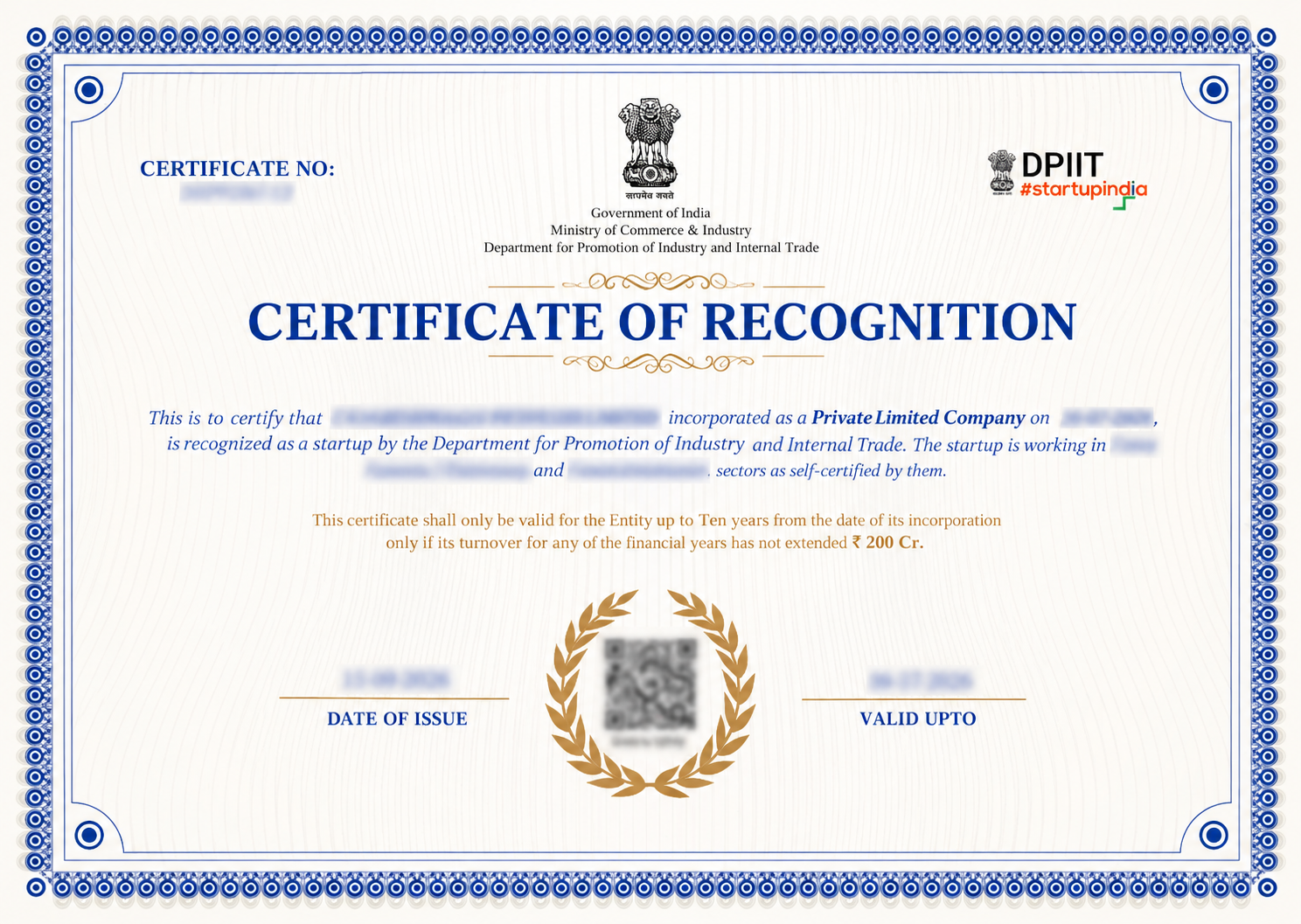
"Explore how Legalstartup has helped businesses reach new heights as their trusted partner."

Thousands of businesses and founders trust LegalStartup.