
Start accepting UPI, card and netbanking payments with the right gateway. A dedicated expert helps you compare options, get your documents and KYC in order, check your website policies, apply online and fix a rejected application.
Free call & custom quote · Our professional fee, gateway charges extra
Payment gateway solutions let a business accept online payments by UPI, cards, netbanking and wallets. In India you apply to a payment gateway or an RBI-regulated payment aggregator, complete KYC, link a business bank account and, for websites and apps, show the policy pages the provider expects. The right choice depends on your business type, volume and payment needs.
Last updated: October 2026. Gateway rules, fees and documents vary by provider and can change, so we confirm the current position before you apply.
A payment gateway is the technology that securely carries a customer's payment details from your checkout page, app or payment link to the bank or card network, and returns the result. It is what allows a customer to pay you online by UPI, debit or credit card, netbanking or wallet without cash or manual bank transfers.
Most small and mid-sized businesses in India get started through a payment aggregator, which collects the payment in its own account and settles it to the merchant. Larger businesses may take a direct merchant account with a bank. Either way, the provider verifies your business, your owners and your bank account before going live, and may review your website for policy pages, product details and business category.
Payment aggregators in India are regulated by the Reserve Bank of India. For official guidance on regulation and authorised entities, visit the Reserve Bank of India website. Brand-owning businesses may also want to protect their name and logo through trademark registration online while setting up online payments.
What every business should know before applying for a payment gateway.
The right route depends on your business and where you are today.
You are launching and need a gateway to take orders.
You invoice clients and want to collect payments online.
Your earlier application was declined or is stuck in review.
Your current gateway is costly, limited or unreliable.
You bill customers monthly or yearly.
You want to accept cards from customers abroad.
Not sure which situation applies to your business? Tell us what you sell and how customers pay today, and our experts will suggest a route free of charge.
Why businesses prepare their gateway application carefully.
Let customers pay by UPI, cards, netbanking or wallets at checkout.
Complete, matching documents reduce back-and-forth with the provider.
A secure, familiar checkout makes buyers more comfortable paying online.
Online records and settlement reports make accounts easier to match.
Fixing name mismatches and missing policies before applying avoids repeat attempts.
Clear policy pages and business details support both the provider and your customers.
Check fees, settlement terms and support before choosing a provider.
From needs assessment to your first live payment, here is how we support payment gateway onboarding.
Timelines depend on the provider, your business category and how complete your documents are. Not to scale.
We note what you sell, who pays you, expected volume and whether you need recurring or international payments.
We compare gateways and aggregators on charges, payment modes, settlement terms, support and business category fit.
We check that business name, PAN, bank account and website details match, since mismatches are a common cause of delay.
We review your policy pages, product or service descriptions and contact details, and prepare the KYC set the provider needs.
The application is submitted online, and we help you reply to any clarification from the provider's verification team.
Once approved, we share a go-live checklist covering test payments, settlement account and checkout display.
Keep these ready to avoid delays. Requirements vary by provider and business type, and our expert will confirm the exact list for your case.
The total cost depends on the provider you choose, your transaction volume and the payment modes your customers use. It generally has three parts:
Usually a fee on each transaction that varies by payment mode, plus GST, and in some cases a setup or annual fee. Rates are set by the provider and can change, so we check the current published terms.
Our fee depends on your business type, the number of gateways and whether an application needs fixing. Call free for a custom quote before you pay anything.
Business registration, GST, a current account, policy page drafting and developer work for integration are separate, if you need them.
We share a clear, itemised quote before you begin – no hidden charges. Get your free quote →
Choose the situation that matches your business, or call free for a custom quote.
You need to start accepting online payments for your business.
Your gateway application was declined or is stuck in review.
Switching providers, adding a backup gateway or several websites.
Our professional fee is quoted after a free call. Gateway charges are set by the provider and are separate. We help you apply; approval is decided by the provider. Not sure which option fits? Ask for a free review.
If customers should be able to pay you online, you need a way to collect those payments.
Launch checkout for your website or app with a provider that fits your category.
Collect fees from clients in India and abroad using payment links and invoices.
Accept advance and milestone payments without chasing bank transfers.
Set up recurring billing with clear terms and cancellation policies.
Collect fees or donations online with the right documents and category approval.
If a gateway has declined you, speak to us before applying again.
A quick view of how common ways to accept online payments differ. Ask us which one suits your business.
| Option | What it is | Best for | Onboarding effort | Watch out for |
|---|---|---|---|---|
| Payment aggregator | RBI-regulated provider that collects payments and settles to you | Startups, online stores and small businesses | Moderate, mainly KYC and website review | Category restrictions and settlement terms |
| Bank payment gateway | Merchant account directly with a bank | Larger or established businesses | Higher, more documentation and time | Setup requirements and bank policies |
| UPI QR or payment links | Collect payments without full website integration | Small sellers and service providers | Lower, often quicker to start | Limited checkout and automation features |
| International payment setup | Gateway that accepts cards from customers abroad | Exporters and global service providers | Higher, additional documents may apply | Currency, settlement and compliance rules |
Matching records and a complete website prevent most rejections.
Approval is the start. Here is how to keep collections reliable.
Run small test payments and check the checkout, receipts and refund flow.
Match settlement reports with your orders and bank statement every cycle.
Inform the provider when your business name, address, bank account or signatory changes.
Check success rates, charges and support, and consider a backup gateway as you grow.
Protecting your brand name online is also part of building a trusted payment experience. See our trademark registration online service.
Quick answers on payment gateways in India.
A payment gateway is the technology that securely passes a customer's payment details from your website, app or payment link to the bank or card network and returns the result, so you can collect payments online by UPI, cards, netbanking and wallets.
A payment gateway handles the secure transfer of payment data. A payment aggregator also collects the money from customers in its own account and settles it to you, and in India aggregators are regulated by the Reserve Bank of India. Many providers that merchants call gateways work as aggregators.
Choose a provider that supports your business type, keep your business, owner and bank documents ready, make sure your website carries the required policy pages, submit the application with KYC, and complete the provider's verification. We guide you through each step.
Usually the PAN of the business and owner, proof of business such as an incorporation certificate, partnership deed, GST or Udyam registration, owner identity and address proof, current or business bank account proof, and website or app details. The exact list varies by provider and business type.
Sometimes. Some providers offer payment links or UPI QR collection for businesses that sell through social media or messaging, while others require a live website or app. We check which route suits your business.
Often yes. Providers commonly accept proprietors and freelancers with a valid PAN, identity proof, a bank account and business proof, though requirements differ by provider and category. GST or Udyam registration can help in some cases.
Costs differ by provider. Common charges are a per-transaction fee that varies by payment mode, GST on those fees, and in some cases a setup or annual fee. We do not set gateway rates; we compare current published pricing and share our professional fee after a free call.
It depends on the provider, your business category and how complete your documents are. Clean applications are usually reviewed faster, while mismatched details or missing policies can cause delays or queries.
Common reasons include missing or unclear policy pages, a mismatch between business name, PAN and bank account, an incomplete or non-live website, a restricted or unclear business category, and incomplete KYC. Most of these can be fixed and resubmitted, or the application can be taken to another provider.
There is no single best option. The right choice depends on your business model, expected volume, payment modes, settlement needs, international requirements and support. We compare suitable options for your case before you apply.
Ready to accept online payments? Speak to our expert today – the consultation and the quote are free.
Tell us what you need and our team will get back to you with the right guidance.
Legalstartup ke certificates, registrations aur recognitions jo hamari credibility dikhate hain.
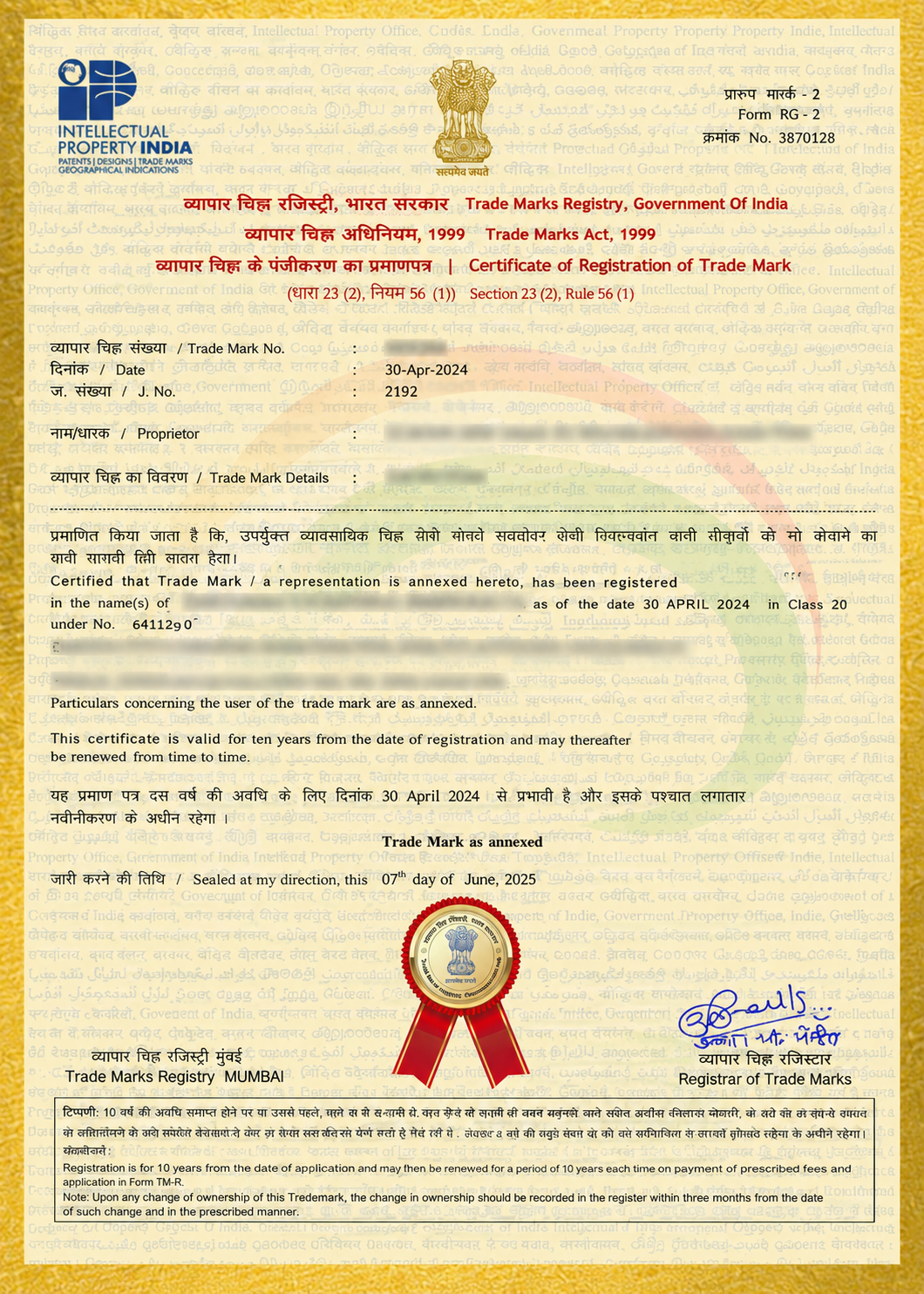
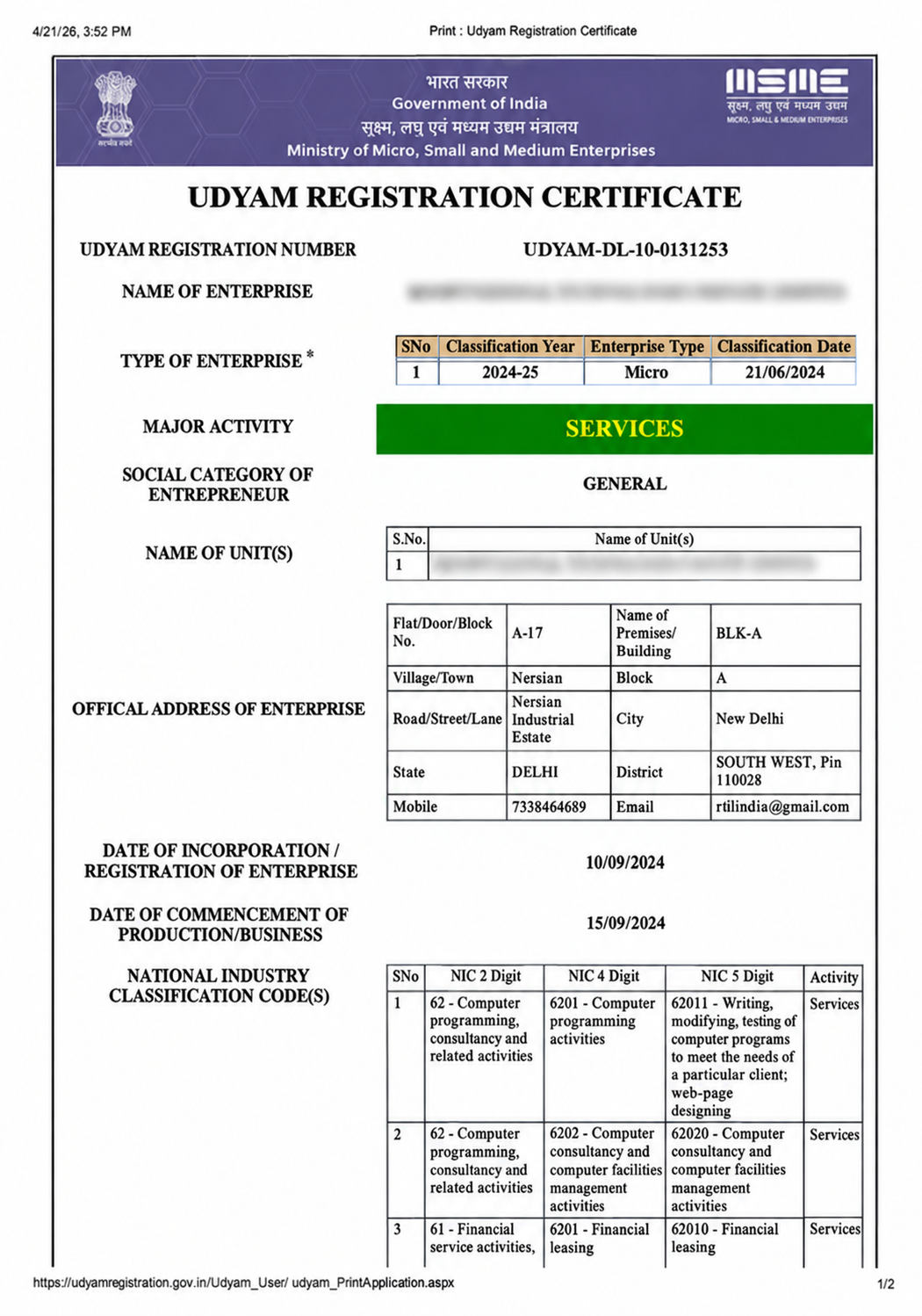
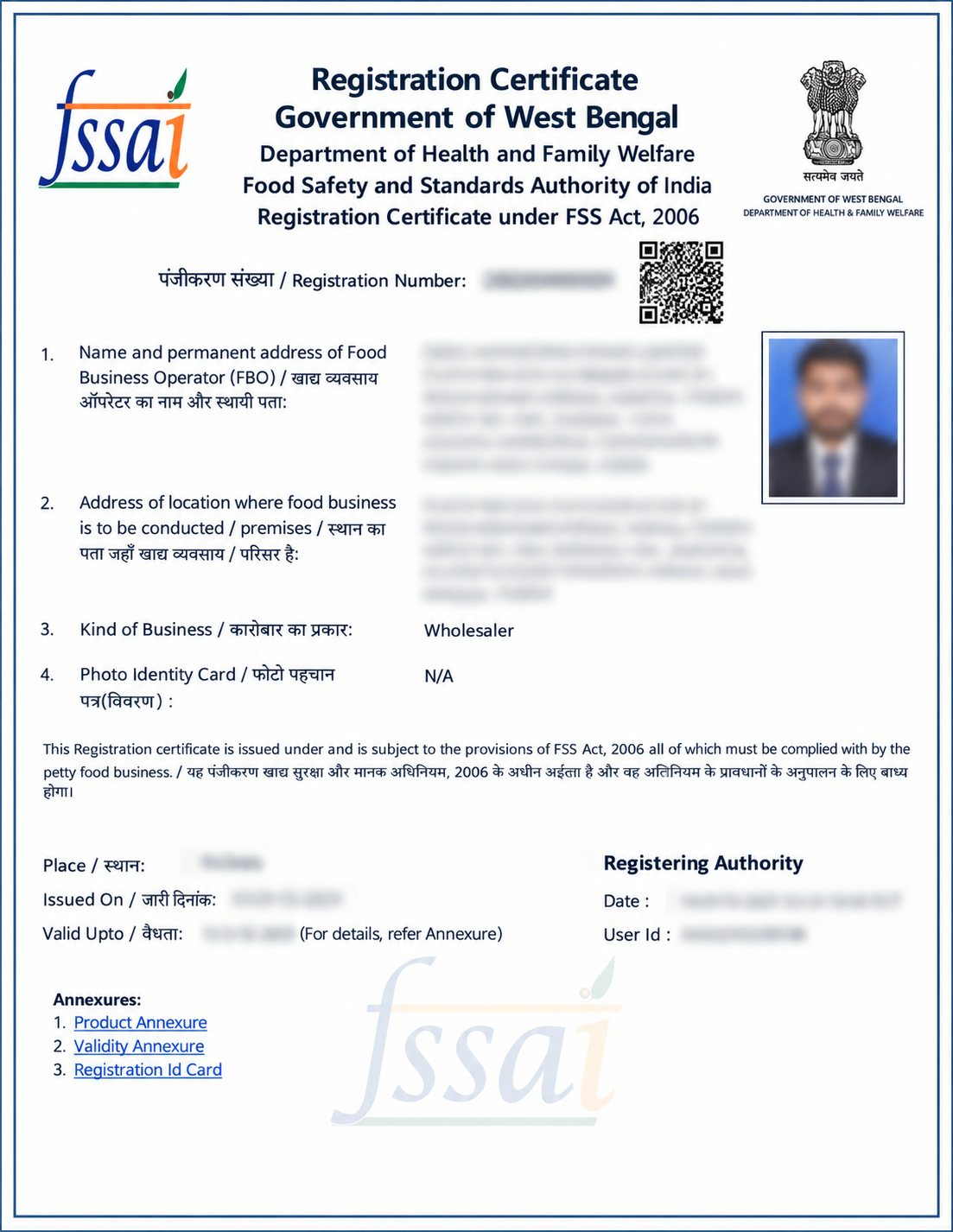
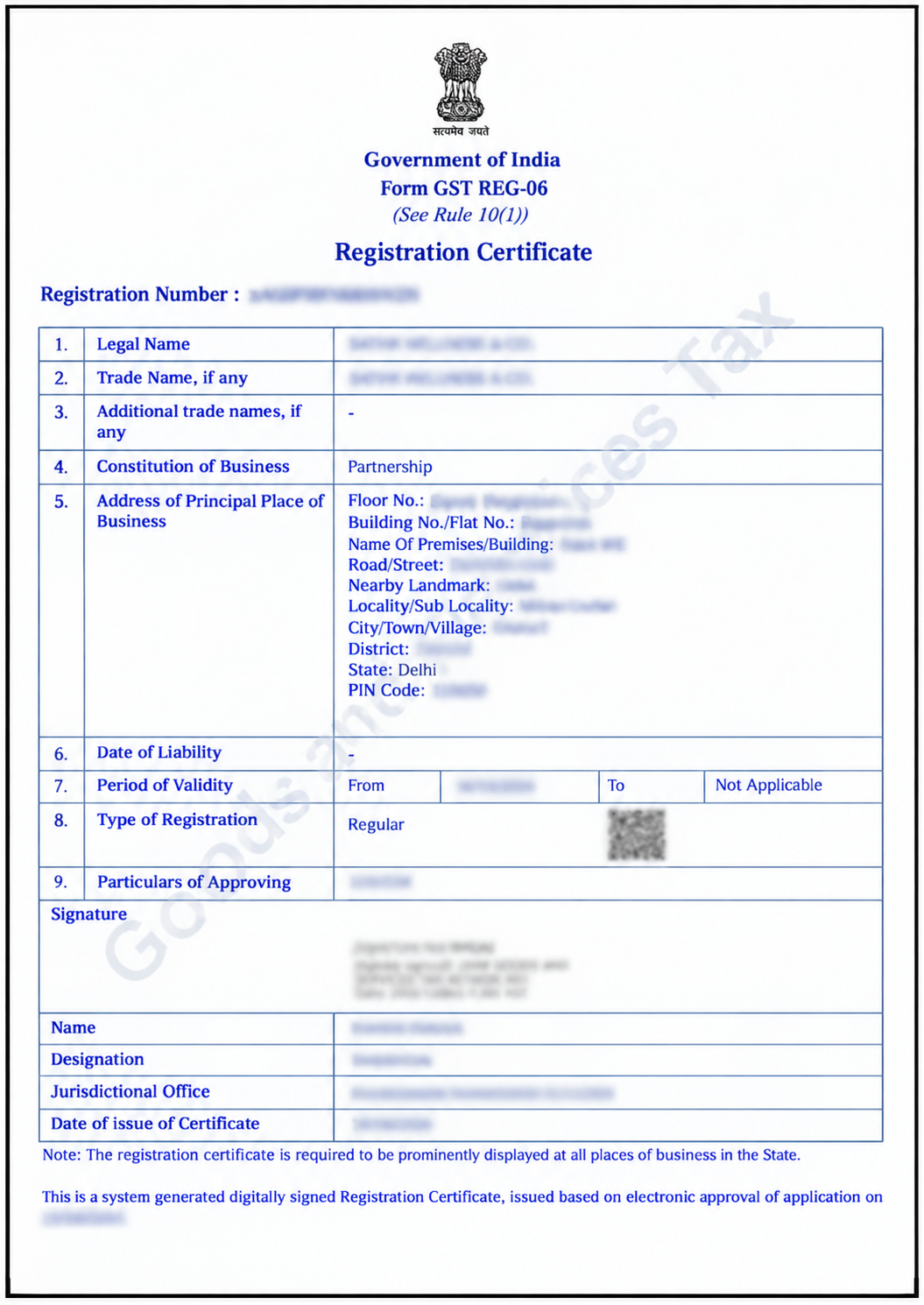
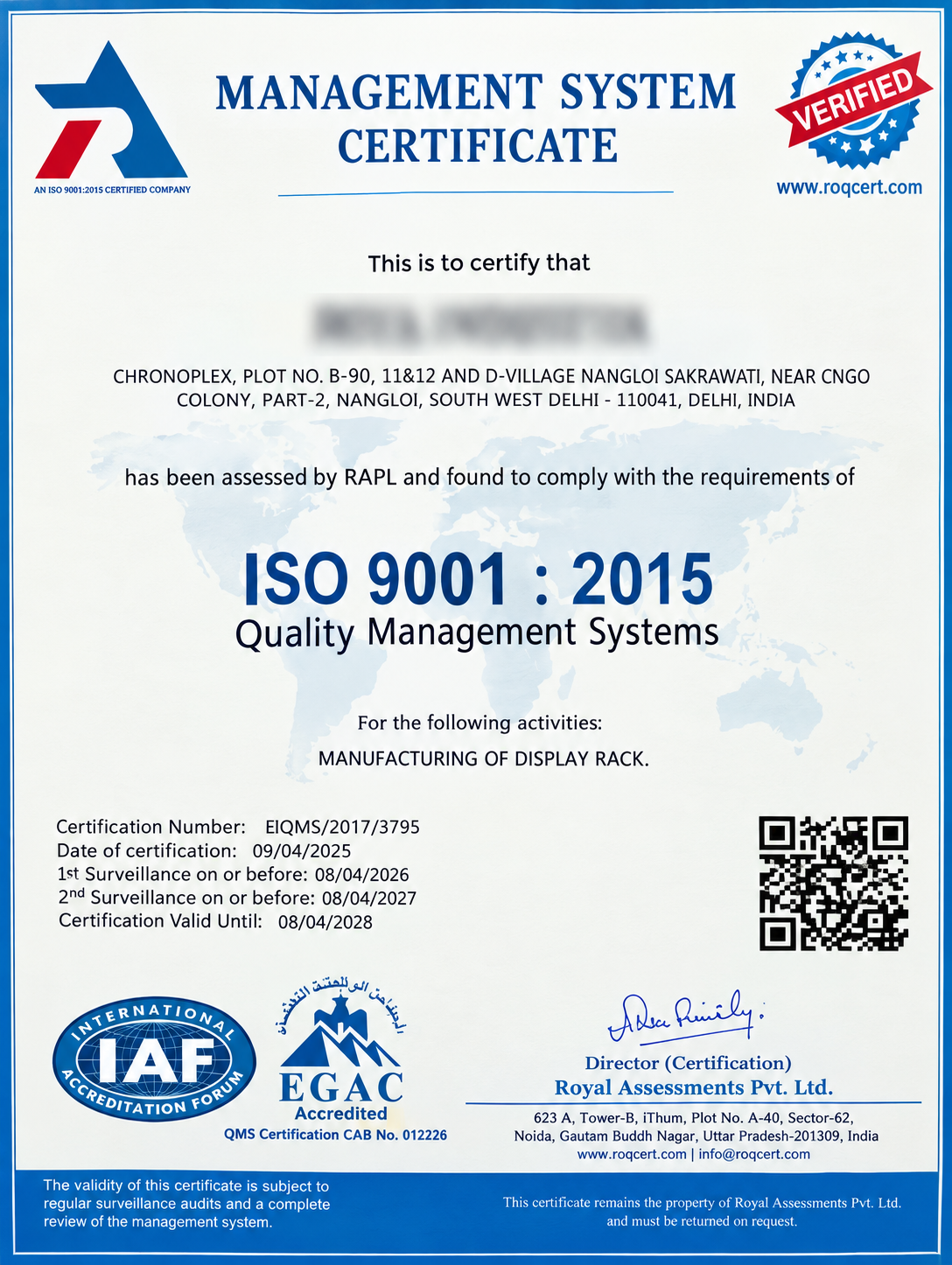
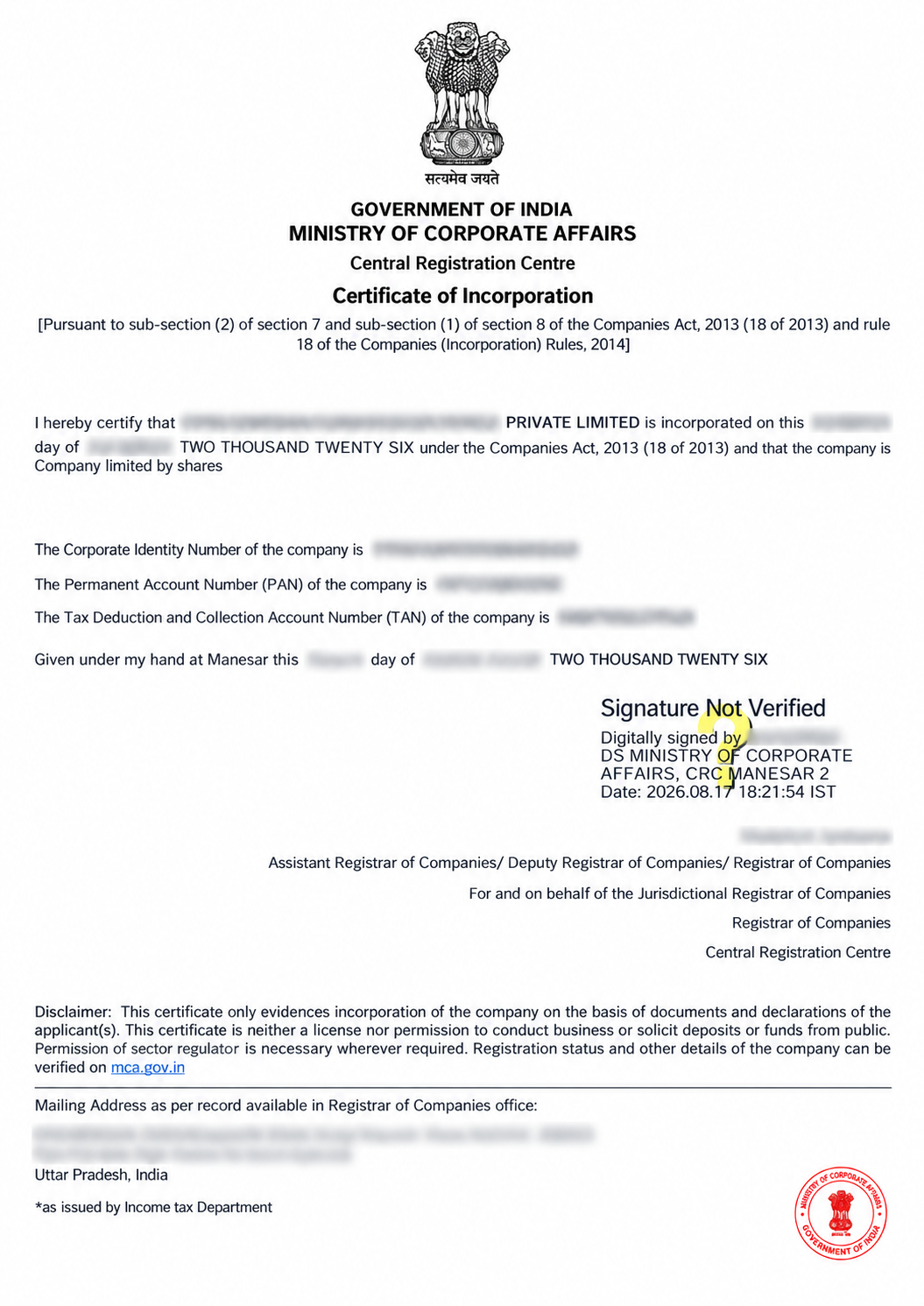
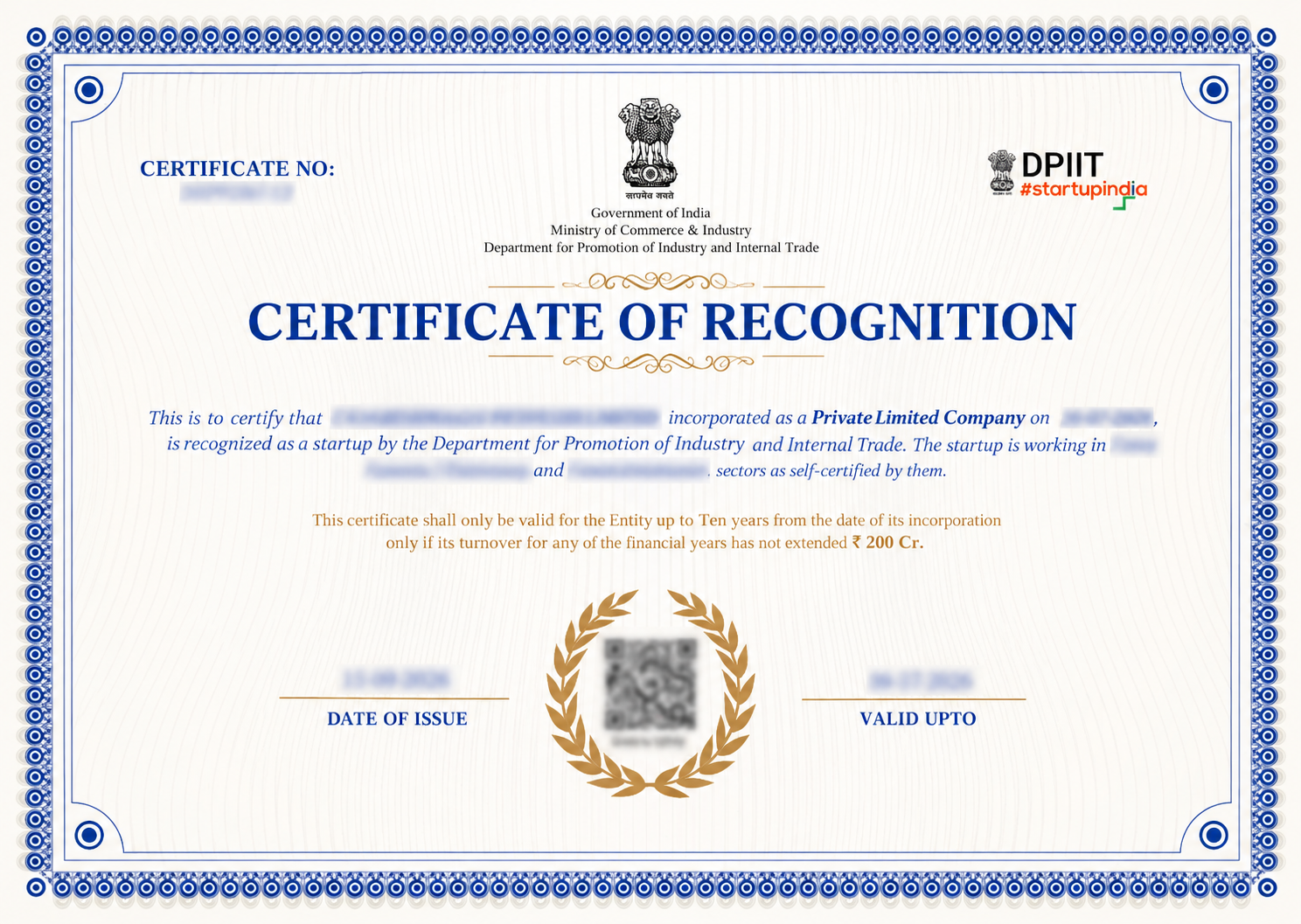
"Explore how Legalstartup has helped businesses reach new heights as their trusted partner."

Thousands of businesses and founders trust LegalStartup.