
Keep your charitable, religious or private trust compliant with Legal Startup. A dedicated expert tracks due dates, coordinates the audit, files the income tax return, renews 12A and 80G, and records trustee and deed changes so the trust's exemption and standing stay safe.
Free call & custom quote · Professional fee + government fee, if any
Trust compliance in India means the yearly tax, accounting and reporting duties of a trust under its trust deed, the Income-tax Act and the trust law of its state. A charitable or religious trust must file its income tax return, get an audit where required, renew its 12A and 80G approvals, apply its income for its objects and report changes to the charity commissioner or registrar.
Last updated: October 2026. Due dates, forms and rules can change or be extended, and public trust filings vary by state, so we confirm the current position before filing. This page is general information, not legal advice.
A trust is an arrangement in which trustees hold property for the benefit of beneficiaries or for a charitable or religious purpose. It is created by a trust deed and, depending on its purpose, is governed by the Indian Trusts Act, 1882, a state public trust law, and the tax provisions for charitable and religious trusts.
Compliance for a charitable or religious trust generally has four parts. The first is income tax, with the return, audit, donor statement and the 12A and 80G approvals. The second is the state charity commissioner or registrar, to whom changes and annual statements may be reported. The third is the trust deed itself, which sets out how trustees may act and how funds can be used. The fourth is good record-keeping: books of accounts, minutes and bank records.
A trust that breaks the exemption conditions can lose its tax benefits, so the rules on application of income, investments and benefits to trustees need regular attention. For official information, visit the Income Tax e-filing portal. If your organisation is a society or Section 8 company, or you receive foreign funds, see our NGO compliance page.
Important limits and timelines every trust should know.
Tax, approval and registrar filings for charitable, religious and private trusts.
ITR-7 with the audit report where it applies.
Spending and accumulation of the trust's income.
Keeping tax exemption and donor deductions alive.
For trusts with 80G approval.
Records after a change in trustees or terms.
Annual and event-based filings for public trusts.
Not sure which filings your trust owes? Share your registration details and our experts will check them free of charge.
Why trusts keep their filings and records in order.
On-time filing and correct use of funds help the trust keep its exemption.
Valid 80G records let donors claim deductions on their gifts.
Matching returns and records reduce queries from authorities.
Clear records protect trustees from personal disputes and liability.
Donors, banks and grant makers ask for filed returns.
Smooth succession of trustees and easier property matters.
Share documents from anywhere in India, no office visit needed.
From compliance check to filed returns, here is how our online trust compliance works.
Timelines depend on how ready your accounts are and on pending years. Not to scale.
We check the trust deed, registration, 12A and 80G status, past returns and notices to see what is due or pending.
We take bank statements, receipts, vouchers, donation records and trustee meeting minutes, and arrange the audit.
We review spending, accumulation, investments and any payment to trustees or related persons against the exemption conditions.
Audit report, ITR-7 and other forms are drafted for the trustees to review.
Forms are filed on the respective portals and any tax or fee is paid.
You receive acknowledgements and a calendar of upcoming due dates and renewals.
Keep these ready to avoid delays. Our expert will confirm the exact list for your trust.
The total cost of trust compliance depends on the trust's income and number of transactions, whether an audit is needed, whether any approvals have lapsed and how many years are pending. It generally has three parts:
Fees for registrar filings and any late fee or tax are payable to the government and vary by state. We confirm current amounts before filing.
Our fee depends on the trust's size, transactions and years pending. Call free for a custom quote before you pay anything.
Audit, bookkeeping, 12A and 80G renewals, deed amendments and trustee change filings are charged separately.
We share a clear, itemised quote before you begin – no hidden charges. Get your free quote →
Choose the situation that matches your trust, or call free for a custom quote.
Your trust is up to date and you want every year filed on time.
Returns are overdue, an approval has lapsed or the trust has received a notice.
Trustees or terms have changed, or 12A and 80G need renewal.
Our professional fee is quoted after a free call. Government fees, tax and any late fee are separate. Not sure which option fits? Ask for a free compliance check.
Every trust in India has duties under its deed and the law, whatever its size.
Trusts running education, health, relief and community programmes.
Temples, mosques, churches and other religious and charitable institutions.
Trusts that hold family or business assets for named beneficiaries.
Donor statements and certificates are due every year.
Every change should be recorded in the deed and the register.
Speak to us quickly to limit late fees and protect approvals.
A quick view of how the two main kinds of trust differ. Ask us which one applies to yours.
| Point | Private trust | Charitable or religious trust |
|---|---|---|
| Purpose | Benefit of named beneficiaries | Public charitable or religious purpose |
| Governing law | Indian Trusts Act, 1882 and the deed | Deed, state public trust law and tax provisions |
| Income tax return | Return as per the type of trust | Generally ITR-7 |
| 12A and 80G | Not applicable | Apply for tax exemption and donor deductions |
| Registrar or commissioner | Usually no annual report | Filings as per state law |
A due date calendar and clean records prevent most compliance problems.
Filing is one part of staying compliant. Here is how to keep the record clean.
Keep filing receipts, audit reports and signed accounts with the trust's records.
Record receipts, spending and trustee decisions as they happen.
Update the deed, the bank and the registrar when trustees or address change.
Note the next return, donor statement and renewal dates ahead of time.
Need other support for your organisation? Visit our Legal Startup home page to see our full list of services.
Quick answers on trust compliance in India.
Trust compliance is the set of tax, accounting and reporting duties a trust must follow every year under its trust deed, the Income-tax Act and the trust law that applies in its state. For a charitable or religious trust it covers the income tax return, audit, donor reporting, 12A and 80G renewal and filings with the charity commissioner or registrar.
Yes. A registered trust should file its return every year even if its income is below the taxable limit or it had no activity. A charitable or religious trust generally files ITR-7. The usual due date is 31 July, or 31 October where an audit is required, subject to extensions.
A private trust is created for named beneficiaries, usually a family, and is governed mainly by the Indian Trusts Act, 1882. A public charitable or religious trust serves the public and is also covered by state public trust law and the tax exemption provisions. Their compliance duties are different.
A charitable or religious trust must get its accounts audited by a chartered accountant if its total income before claiming exemption exceeds the basic exemption limit, and the audit report in Form 10B or 10BB is filed before the return. Many states also require audited accounts to be filed with the charity commissioner.
A trust claiming exemption must generally apply at least 85 percent of its income for its charitable or religious purposes in the year. Income not applied can be accumulated only if the conditions are met and the prescribed form is filed in time, and the rules must be checked each year.
A provisional approval is valid for three years and a full approval for five years. The trust must apply for the next approval within the prescribed time before expiry, generally at least six months before. Missing it can put the trust's tax exemption and donor deductions at risk.
Record the change by a resolution and a supplementary deed or deed amendment as the trust deed requires, update the bank, PAN and tax records, and report the change to the charity commissioner or registrar where the state law requires it. Time limits and forms vary by state.
A trust can lose its tax exemption, face tax on its income at a higher rate, have its 12A or 80G approval withdrawn, pay late fees and penalties, and face action from the charity commissioner. Trustees can also be held responsible for default. Fixing the backlog early costs less.
A tax-exempt trust must avoid using its income or property for the benefit of trustees, founders and their relatives or related parties, except as the law allows. Payments to trustees such as rent, salary or loans should be reviewed before they are made, since violations can cost the trust its exemption.
Yes. We review the trust's records, list the years and approvals pending, estimate the late fees, and give a quote before filing. Some lapsed approvals may need a fresh application, so it is best to act early.
Is your trust due for a return or renewal, or behind on past years? Speak to our compliance expert today – the compliance check and the quote are free.
Tell us what you need and our team will get back to you with the right guidance.
Legalstartup ke certificates, registrations aur recognitions jo hamari credibility dikhate hain.
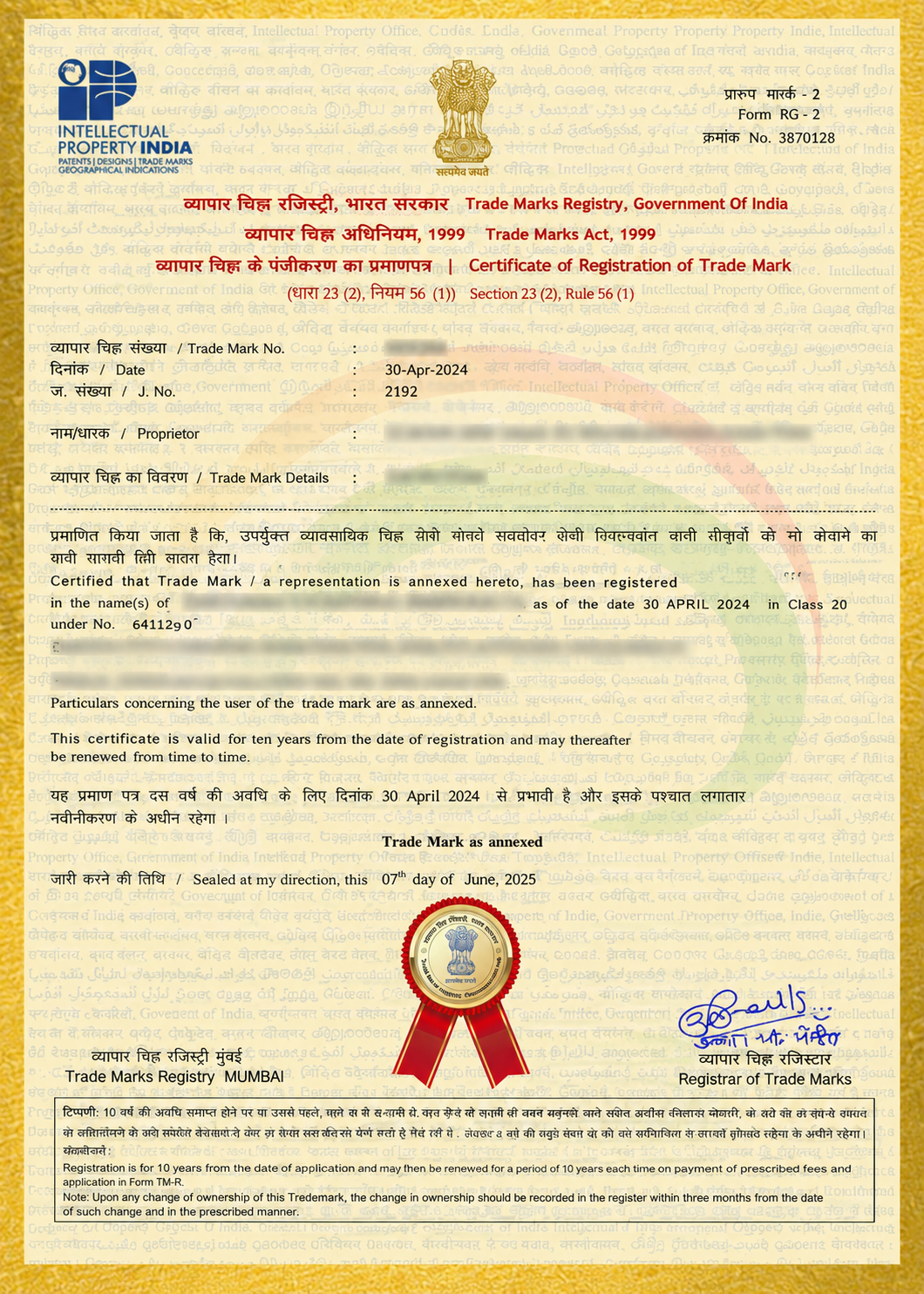
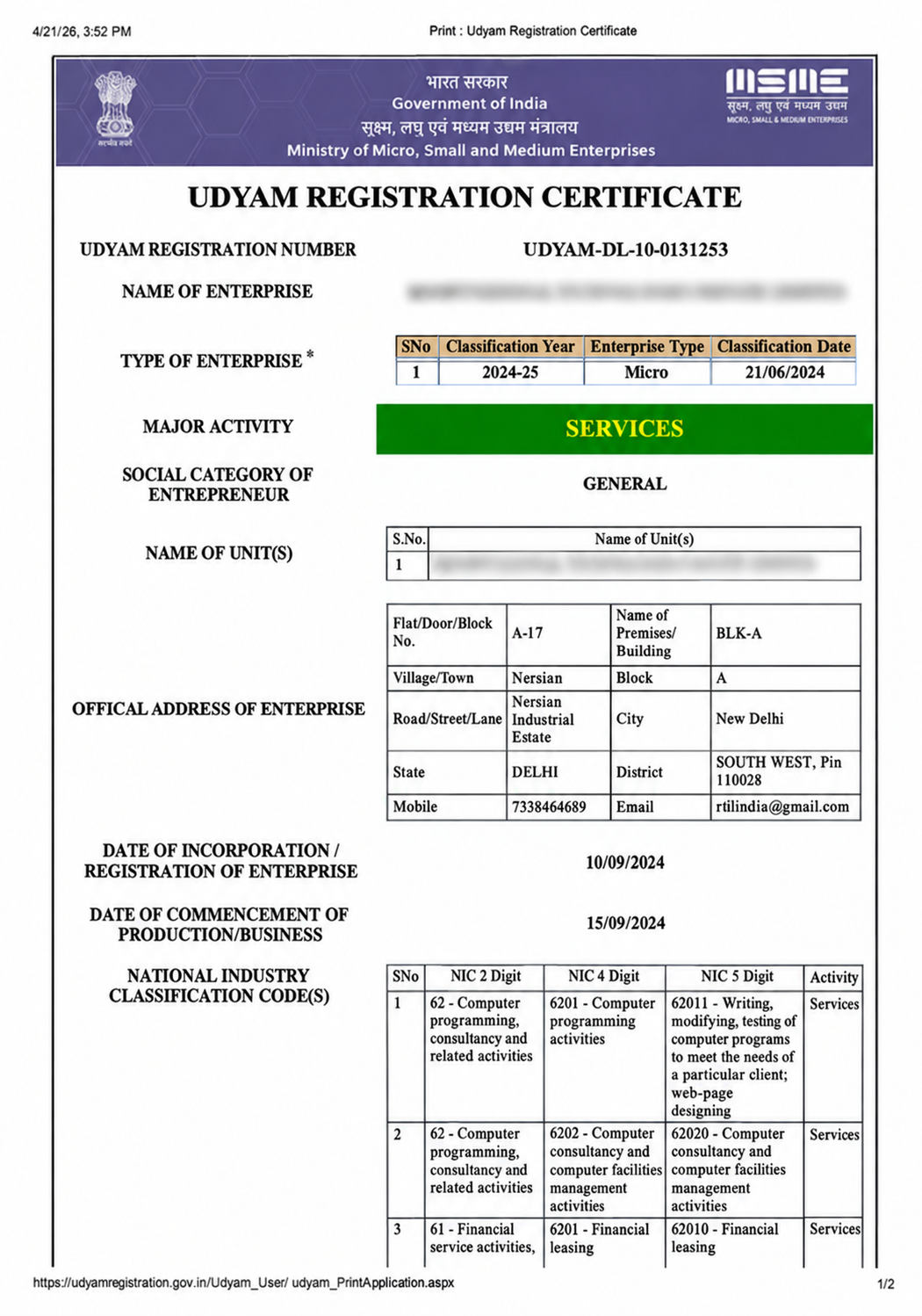

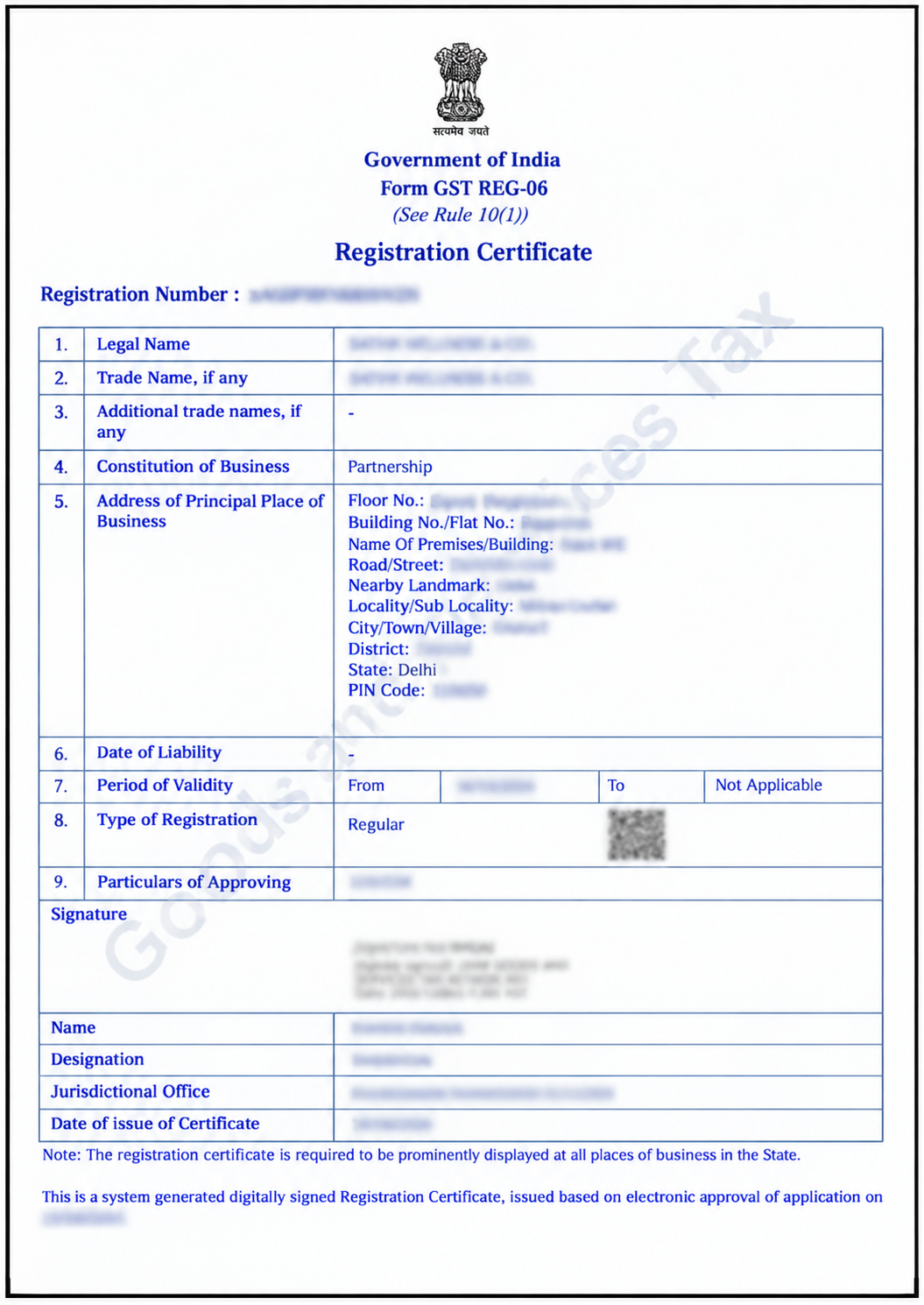
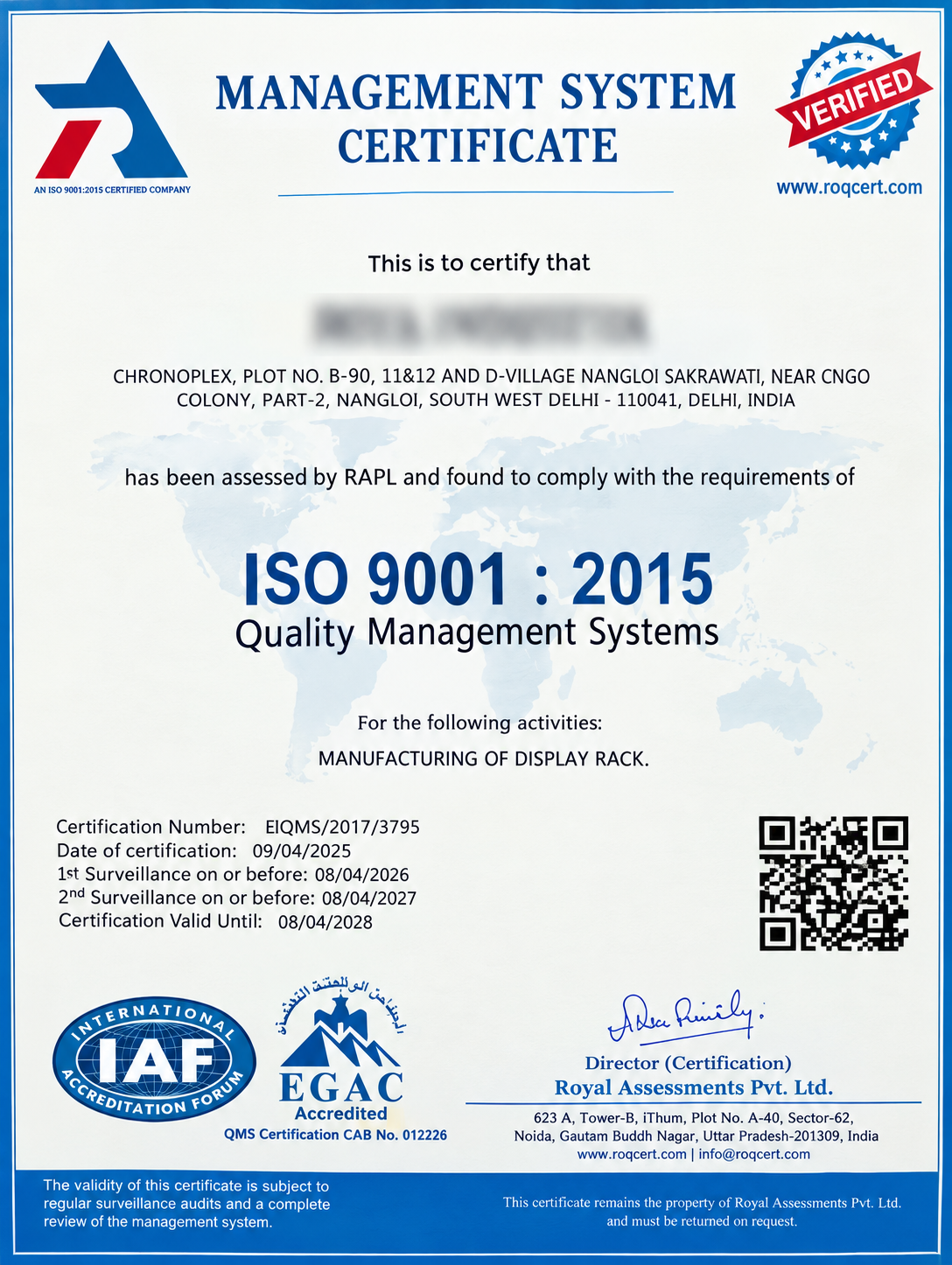
"Explore how Legalstartup has helped businesses reach new heights as their trusted partner."

Thousands of businesses and founders trust LegalStartup.