
Protect your company and your stake with a clear shareholders agreement. A legal expert understands your shareholding and goals, drafts or reviews the clauses on control, share transfer and exit, and guides you on aligning the agreement with your Articles of Association.
Free call & custom quote · Quote shared before you pay anything
A shareholders agreement is a contract between the shareholders of a company, and often the company itself, that sets out how the business is controlled, how shares can be transferred and how shareholders can exit. It is not mandatory under the Companies Act, 2013, but it fills the gaps that the Articles of Association usually leave, and it helps prevent disputes between founders, investors and promoters.
Last updated: October 2026. Laws, filing requirements and state stamp rules can change, and each company is different, so we confirm the current position before drafting.
A shareholders agreement records the commercial deal between the people who own a company. It covers how many directors each shareholder can appoint, which decisions need everyone's consent, whether shares can be sold to outsiders, what happens if a founder leaves, and how an investor can exit. It turns informal understandings into written, enforceable terms.
The Articles of Association are different. They are the company's constitutional document, filed with the Registrar of Companies and visible to the public. The shareholders agreement is a private contract with deeper commercial detail. Because the Articles bind the company, key provisions such as restrictions on transfer of shares are usually mirrored there, and the Articles are changed by a special resolution with the required filing with the Registrar. Section 58(2) of the Companies Act, 2013 also states that contracts between persons on the transfer of securities are enforceable.
Some clauses need extra care. Where foreign investors are involved, exit and put or call option clauses may be affected by foreign exchange rules. Post-exit non-compete clauses are treated cautiously under Section 27 of the Indian Contract Act, 1872. For official company filings and information, visit the Ministry of Corporate Affairs website. To protect your company's brand, see our trademark registration online service.
Important thresholds and timelines that shape a shareholders agreement.
The right clauses depend on who the shareholders are and what they want to protect.
Two or more founders who own the company together.
An angel, venture fund or strategic investor is coming in.
Two businesses hold shares in a shared company.
Shares held by family members or a small group.
An existing agreement needs to cover a new member.
A shareholder wants to leave or be bought out.
Not sure what your company needs? Tell us who the shareholders are and what you want to protect, and our experts will suggest the right terms, free of charge.
Why companies put shareholder terms in writing.
Board seats and key decisions are agreed up front, not argued later.
Reserved matters and tag-along rights safeguard smaller shareholders.
Transfer restrictions and first refusal keep unwanted outsiders out.
Clear exit routes and valuation methods reduce conflict when someone leaves.
A well-structured agreement makes fundraising smoother.
Steps for deadlock and conflict save time and cost.
Share your details from anywhere in India without visiting an office.
From first call to signed agreement, here is how drafting works.
Timelines depend on how quickly details are shared and on negotiation between the parties. Not to scale.
Tell us who owns what, who runs the company and what each shareholder wants to protect.
We check the Articles, existing agreements, cap table and any investor term sheet for conflicts or gaps.
The agreement is drafted with clauses on control, reserved matters, share transfer, exit, deadlock and dispute resolution.
Shareholders review the draft, and we update it until it reflects what everyone has agreed.
We guide you on reflecting key terms in the Articles, the special resolution needed and the filing with the Registrar.
We explain stamp duty for your state and the signing process, and note the key dates and obligations for you.
Keep these ready to avoid delays. Our expert will confirm the exact list for your case.
The total cost depends on the number of shareholders, how complex the terms are, whether an investor is involved and whether the Articles must be amended. It generally has three parts:
Covers understanding the deal, drafting or vetting the agreement and the rounds of changes. It varies with complexity, so we share a quote after a free call.
Stamp duty is set by the state. Filing fees apply if the Articles are altered. We guide you on the current amounts.
Amending the Articles, a share purchase agreement, extra parties and urgent turnaround are separate, if you need them.
We share a clear, itemised quote before you begin – no hidden charges. Get your free quote →
Choose the situation that matches your need, or call free for a custom quote.
You and your co-founders or promoters need a clear agreement.
An investor sent you a shareholders agreement or term sheet.
You want your agreement and Articles to work together.
Our professional fee is quoted after a free call. Stamp duty and filing fees are separate and set by law. An agreement cannot guarantee that disputes will not arise. Not sure which option fits? Ask for a free review.
If more than one person owns shares in your company, you should have one.
Set roles, vesting and exit terms before disagreements start.
Record investor rights and founder protections in a clear structure.
Protect your investment with board, information and exit rights.
Agree on control, funding and what happens in a deadlock.
Keep shares within the family and plan succession in writing.
Secure tag-along, information and approval rights for your stake.
A quick view of how a shareholders agreement differs from related documents. Ask us which ones your company needs.
| Document | What it is | Binding? | Public or private | Watch out for |
|---|---|---|---|---|
| Shareholders agreement | Contract on control, transfer and exit among shareholders | Yes, as a contract | Private | Must be aligned with the Articles |
| Articles of Association | Company's constitutional rules | Yes, binds the company and members | Public, filed with the Registrar | Amended only by special resolution |
| Term sheet | Summary of proposed investment terms | Mostly non-binding, except stated clauses | Private | Not a substitute for the final agreement |
| Share purchase agreement | Contract for buying or selling specific shares | Yes, for that transaction | Private | Covers one deal, not ongoing governance |
Clear terms and aligned documents prevent most shareholder disputes.
Signing is the start. Here is how to keep the agreement effective.
Each shareholder and the company should hold a stamped, signed copy.
Pass the special resolution where needed, file it with the Registrar and update the company's registers.
Record changes through a signed amendment, and use a deed of adherence when a new shareholder joins.
Revisit the terms when you raise funds, add shareholders or change the business.
If a shareholder breaches the agreement, see our legal notice online service. For early-stage understandings, see our MOU agreement online service.
Quick answers on shareholders agreements in India.
A shareholders agreement is a contract between the shareholders of a company, and often the company itself, that sets out how the company will be run, how decisions are made, how shares can be transferred and what happens on exit or dispute.
No, the Companies Act, 2013 does not make it mandatory. It is strongly advisable whenever a company has two or more shareholders, because the Articles of Association alone are usually too general to cover control, exit and dispute terms.
The Articles of Association are the company's public constitutional document filed with the Registrar of Companies. A shareholders agreement is a private contract with more detailed commercial terms. Key provisions are usually reflected in the Articles as well, so that they bind the company.
Shareholding and capital structure, board composition and voting, reserved matters needing special approval, share transfer restrictions such as right of first refusal, tag-along and drag-along rights, anti-dilution and pre-emptive rights, exit and deadlock clauses, confidentiality, dispute resolution and governing law.
A tag-along right lets minority shareholders join a sale by the majority on the same terms, so they are not left behind. A drag-along right lets the majority require the minority to join a sale of the company on the same terms.
Yes, it is a contract and is enforceable as one, and Section 58(2) of the Companies Act, 2013 states that contracts between persons on the transfer of securities are enforceable. Provisions that conflict with the Articles or with the law may not be enforced, so the documents should be aligned.
Stamp duty depends on the stamp law of the relevant state, and an insufficiently stamped document may not be accepted as evidence until duty and penalty are paid. Registration is generally not mandatory for a shareholders agreement, but we confirm what applies to your case.
Yes, by a written amendment signed by the parties in the way the agreement provides. If the Articles were also changed to reflect it, the Articles are altered by a special resolution and the required form is filed with the Registrar of Companies.
It depends on the clauses. A good agreement sets steps such as escalation to a senior meeting, mediation, a buy-sell mechanism or arbitration. Without a deadlock clause, the dispute may end up in court, which can be slow and costly.
The cost depends on the number of shareholders, the complexity of the terms and whether an investor is involved. We do not publish a fixed price; call free and we share an itemised quote before you pay anything.
Need a shareholders agreement drafted or reviewed? Speak to our legal expert today – the first consultation and the quote are free.
Tell us what you need and our team will get back to you with the right guidance.
Legalstartup ke certificates, registrations aur recognitions jo hamari credibility dikhate hain.
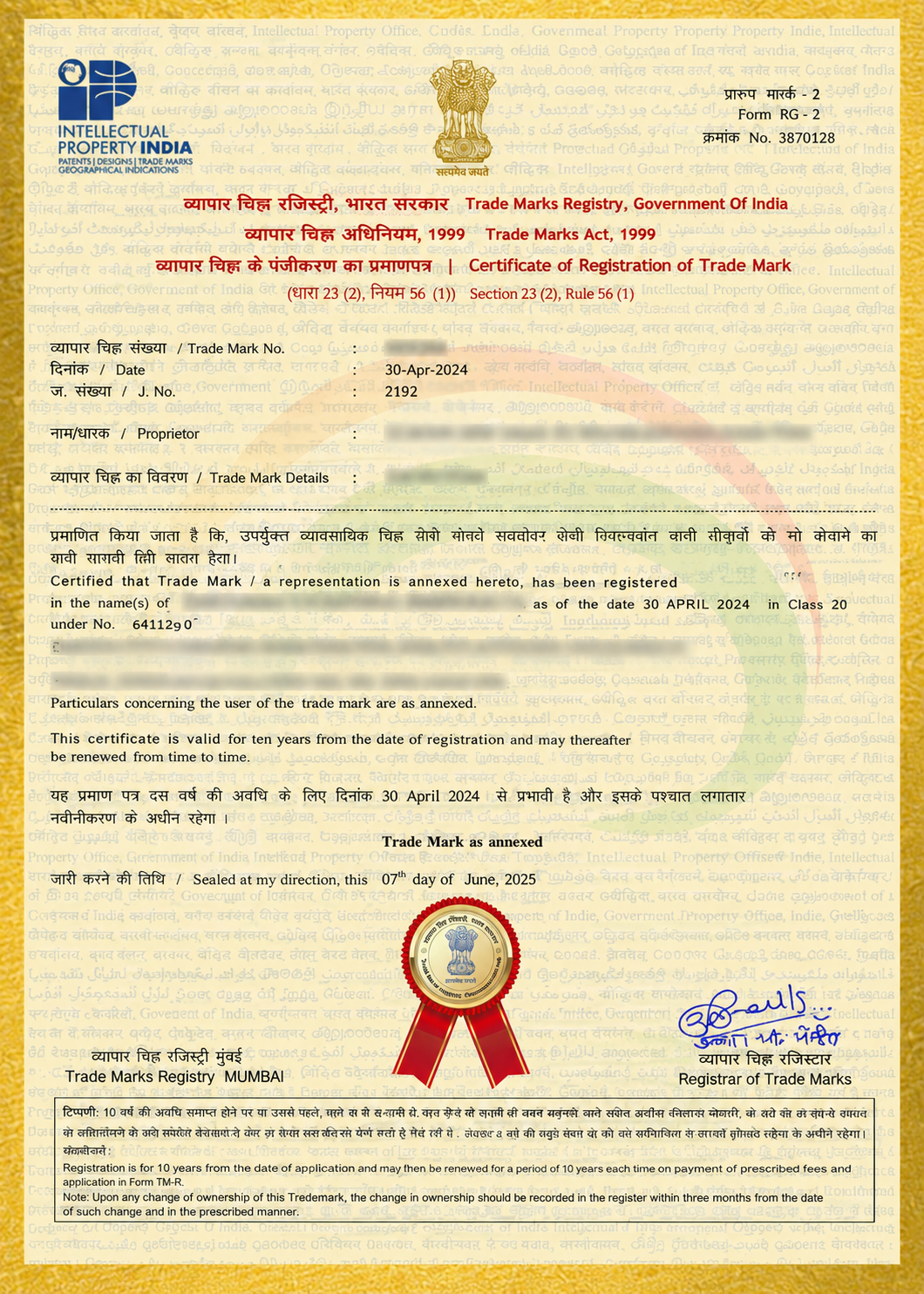
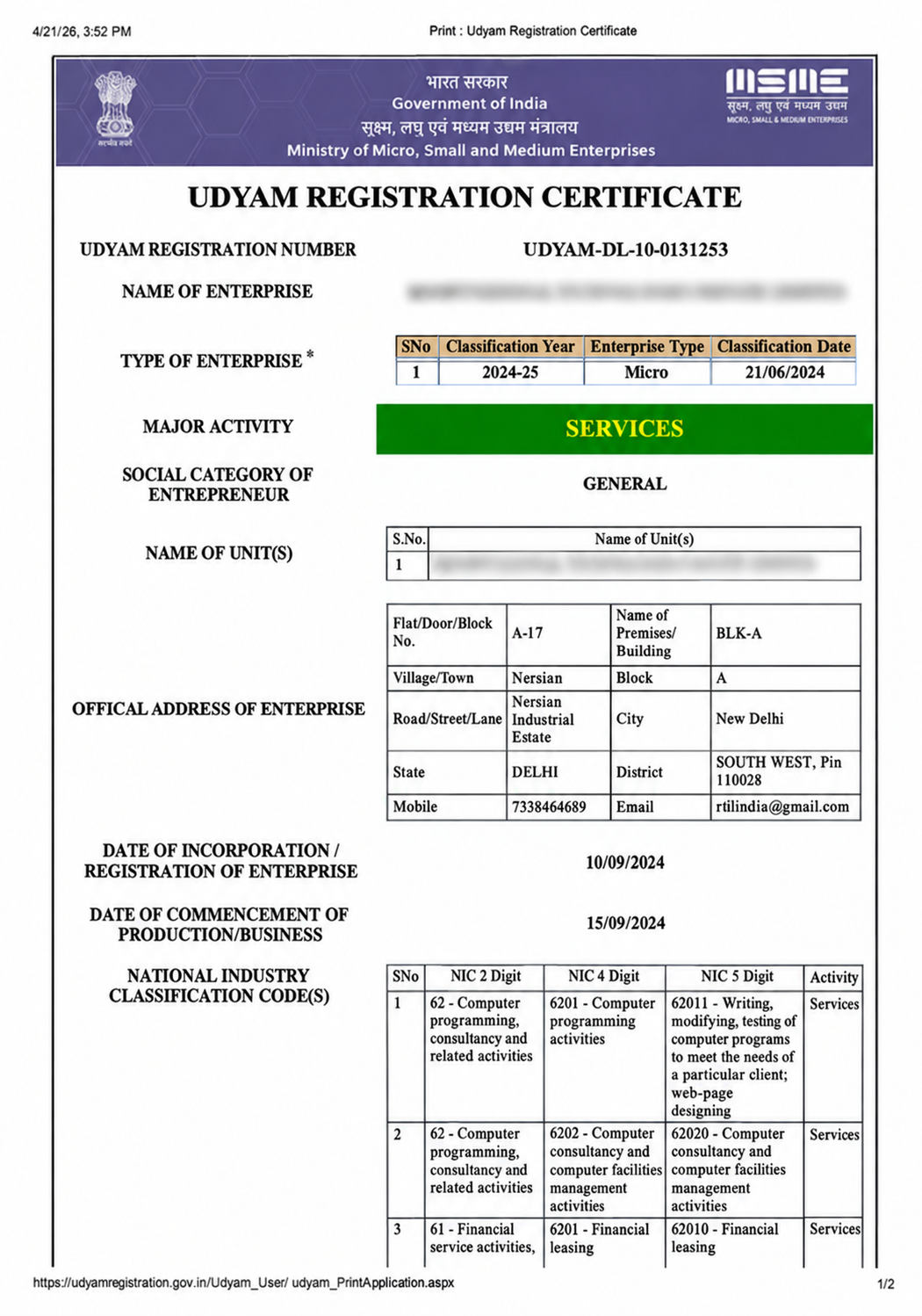
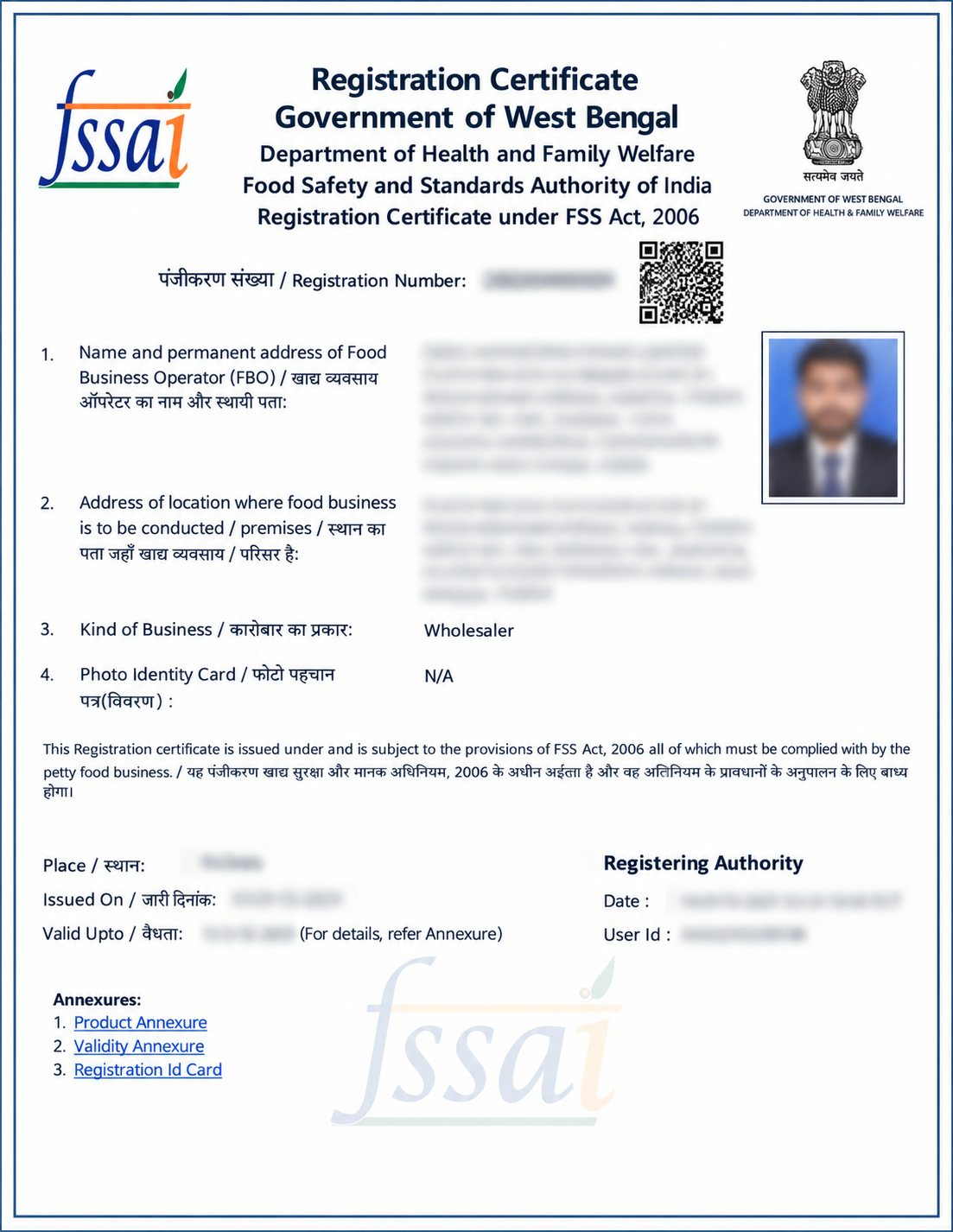
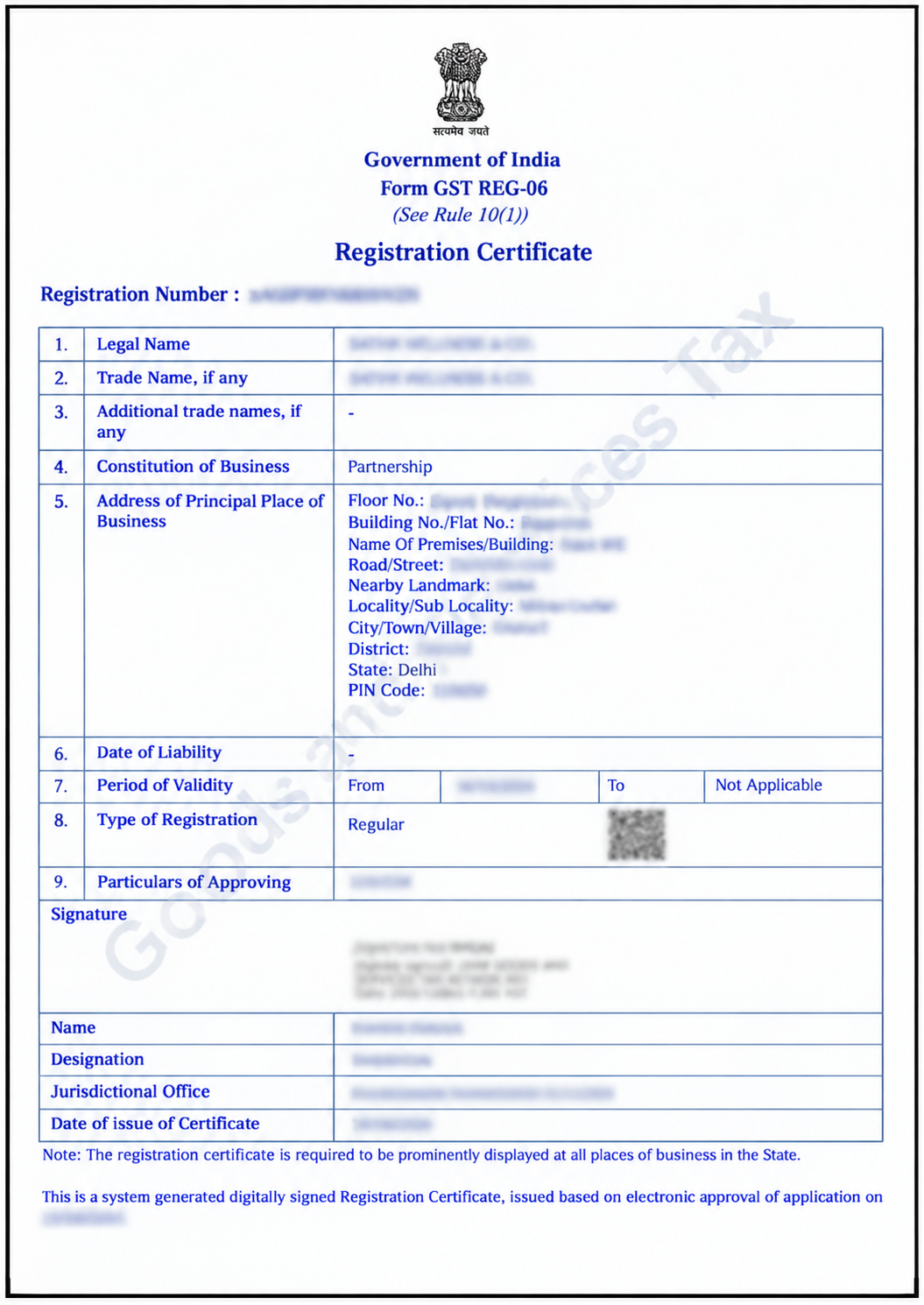
"Explore how Legalstartup has helped businesses reach new heights as their trusted partner."

Thousands of businesses and founders trust LegalStartup.