
Closing a company needs the right route and the right paperwork. Legal Startup helps you choose between strike off, voluntary liquidation and Tribunal winding up, prepares the resolutions and documents, closes tax and bank records, and files with the Registrar of Companies.
Free call & custom quote · Professional fee + government fee
Winding up of a company in India means closing it, settling its liabilities and removing it from the register. An inactive company can apply for strike off under Section 248 of the Companies Act, 2013, a solvent company can go through voluntary liquidation under the Insolvency and Bankruptcy Code, 2016, and the Tribunal can order winding up on grounds listed in Section 271.
Last updated: October 2026. Procedures, forms, fees and time limits can change, and each case depends on the company's facts, so we confirm the current position before filing.
Winding up is the process that ends a company's life. Its assets are realised, its debts are paid, any surplus goes to the members, and the company is dissolved. In practice, Indian companies close through one of three main routes, and the right one depends on whether the company is active, solvent and in good standing.
An inactive company with no assets or liabilities can have its name struck off the register under Section 248. A solvent company with assets or ongoing affairs can liquidate voluntarily under Section 59 of the Insolvency and Bankruptcy Code, 2016 with an insolvency professional acting as liquidator. Where creditors, members or the government seek closure, or the company has defaulted, the National Company Law Tribunal can order winding up under Section 271 of the Companies Act, 2013. An insolvent company can also enter liquidation under the Code.
Closing a company is not just a ROC exercise. Tax returns, GST registration, bank accounts, employee dues and creditor claims have to be dealt with first. For official forms, fees and filing, visit the Ministry of Corporate Affairs portal at mca.gov.in, the official website of the Government of India for company and LLP filings.
Important limits and requirements every promoter should know before closing a company.
The right route depends on whether your company is active, solvent and up to date.
The company has had no business for two financial years.
A solvent company wants to close in an orderly way.
The NCLT is asked to order winding up on a petition.
The company cannot pay its debts.
You may restart later and want to keep the company alive.
The name was removed and you want it restored.
Not sure which route applies to your company? Share its status, filings and liabilities, and our experts will review them free of charge.
Why promoters wind up an unused company instead of leaving it dormant in default.
No more annual filings, late fees or penalties building up on an unused company.
Unfiled returns can lead to disqualification of directors under the Act.
The company is removed from the register in the manner the law provides.
Avoid accounting, audit and filing costs for a company that no longer operates.
Creditors, tax authorities and members are dealt with in a structured way.
Promoters can move on to a new venture without carrying an old company.
Strike off and most ROC filings are done online from anywhere in India.
From choosing the route to dissolution, here is how closing a company works.
Timelines depend on the route, notice periods and Registry or Tribunal workload. Not to scale.
We review activity, assets, liabilities and filings to decide between strike off, voluntary liquidation, dormant status or another route.
Pay creditors and tax dues, file pending returns, cancel the GST registration and close bank accounts as the route requires.
We prepare the special resolution or member consent, indemnity bond, director affidavits and statement of accounts, or the declaration of solvency for liquidation.
For strike off, Form STK-2 is filed with the Registrar. For voluntary liquidation, the liquidator is appointed and the process is started under the Insolvency Code.
The Registrar issues notice and allows time for objections, or the liquidator realises assets, settles claims and prepares the final report.
The company's name is removed or the Tribunal orders dissolution, and we advise on the records you must keep afterwards.
Keep these ready to avoid delays. Our expert will confirm the exact list for your route.
The total cost depends on the route, the size of the company, how many returns are pending and whether a liquidator or the Tribunal is involved. It generally has three parts:
Paid to the MCA when filing the strike off application or other forms, and Tribunal fees where applicable. Late fees may apply to pending annual filings. The schedule can change, so we confirm it before filing.
Our fee depends on the route and how much clean-up the company needs. Call free for a custom quote before you pay anything.
Liquidator's fee, newspaper publication, valuation or audit reports, pending filing fees and any outstanding tax or creditor dues are charged separately.
We share a clear, itemised quote before you begin – no hidden charges. Get your free quote →
Choose the situation that matches your company, or call free for a custom quote.
The company has had no business for two years and has no dues.
The company has assets or ongoing affairs and wants an orderly exit.
Tribunal winding up, insolvency, dormant status or a struck-off company to revive.
Our professional fee is quoted after a free call. Government fee, liquidator fee and other costs are separate. Not sure which option fits? Ask for a free review.
If a company is no longer needed, closing it properly is better than leaving it in default.
Ventures that never took off or stopped operating for two years or more.
Promoters starting something new who do not want an old company's compliance burden.
Businesses with assets that want to close and return the surplus to members.
Defaulting companies risk penalties, and directors risk disqualification.
The Registrar can start strike off proceedings for companies that are not carrying on business.
If a struck-off company must be revived, speak to us quickly about the appeal.
A quick view of how the common routes differ. Ask us which one applies to your company.
| Route | When it applies | What is prepared or filed | Cost | Best for |
|---|---|---|---|---|
| Strike off | No business for two financial years | Resolution, indemnity bond and Form STK-2 | Lower | Small inactive companies |
| Voluntary liquidation | Solvent company with assets or affairs to close | Declaration of solvency, resolutions and liquidator | Higher, with liquidator fee | Orderly exit with assets |
| Tribunal winding up | Grounds under Section 271 | Petition and NCLT order | Highest, litigation costs | Contested or defaulting cases |
| Dormant status | Company may restart later | Application for dormant status | Low | Keeping the company alive |
A careful review and honest filings prevent most problems.
Dissolution ends the company, but some responsibilities continue.
Store the resolution, filing acknowledgement, bank closure proof and the final accounts safely.
Check that GST cancellation and final income tax filings are complete, and keep the proof.
Directors, officers and members can still be held liable for matters before dissolution.
A struck-off company can be restored on an appeal to the Tribunal within the time allowed.
Pivoting instead of closing? See our change object clause service to add or change your company's business.
Quick answers on winding up, strike off and liquidation of a company in India.
Winding up is the process of closing a company, in which its assets are realised, its liabilities are settled, any surplus is distributed to the members, and the company is finally dissolved and removed from the register.
A company can be wound up by the Tribunal under the Companies Act, 2013, or through voluntary liquidation under the Insolvency and Bankruptcy Code, 2016. Inactive companies can also be closed by striking off the name from the register under Section 248, and insolvent companies can go into liquidation under the Code.
Strike off under Section 248 of the Companies Act, 2013 removes the company's name from the register. A company that has not carried on any business or operations for the two immediately preceding financial years can apply, after a special resolution or the consent of 75% of members by paid-up share capital.
The company should have been inactive for two financial years, not have applied for dormant status in that period, and have no pending liabilities that cannot be settled. It files Form STK-2 with an indemnity bond, director affidavits and a statement of accounts.
The directors give a declaration of solvency supported by an audit report and valuation report, the members pass a special resolution within four weeks, and creditors holding two-thirds in value approve. An insolvency professional is appointed as liquidator, who settles claims, distributes the proceeds and applies to the Tribunal for dissolution.
Strike off is a simpler route for inactive companies in which the Registrar removes the company's name from the register without a liquidator. Winding up or liquidation is a formal process for companies with assets or liabilities, in which a liquidator realises assets and settles claims before dissolution.
Generally not, because the application requires a statement of accounts and an indemnity bond, and the company should have no outstanding liabilities. A company with significant assets or debts usually needs voluntary liquidation or other proceedings instead.
The certificate of incorporation, Memorandum and Articles, latest financial statements, the special resolution or member consent, an indemnity bond, director affidavits, bank closure proof, tax and GST closure details and, for voluntary liquidation, the declaration of solvency with audit and valuation reports.
Strike off takes several months because of the notice period and Registry processing. Voluntary liquidation and Tribunal winding up usually take longer, depending on the assets, creditor claims and Tribunal timelines.
No. After strike off, the liability of the directors, officers and members continues and can be enforced as if the company had not been dissolved. This is why dues should be settled and documents filed truthfully before applying.
Yes. A person aggrieved by the strike off can appeal to the Tribunal within three years of the order being published in the Official Gazette, and the Tribunal can restore the company's name if it finds it just to do so.
Under Section 271 of the Companies Act, 2013, grounds include inability to pay debts, a special resolution of the company, fraudulent conduct of affairs, not filing financial statements or annual returns for five consecutive financial years, and where the Tribunal considers winding up just and equitable.
Yes. An LLP can be wound up voluntarily or by the Tribunal under the LLP Act, 2008, and an inactive LLP can apply to the Registrar to strike off its name using Form 24. The procedure is different from that of a company.
Want to close your company the right way? Speak to our company law expert today – the review and the quote are free.
Tell us what you need and our team will get back to you with the right guidance.
Legalstartup ke certificates, registrations aur recognitions jo hamari credibility dikhate hain.
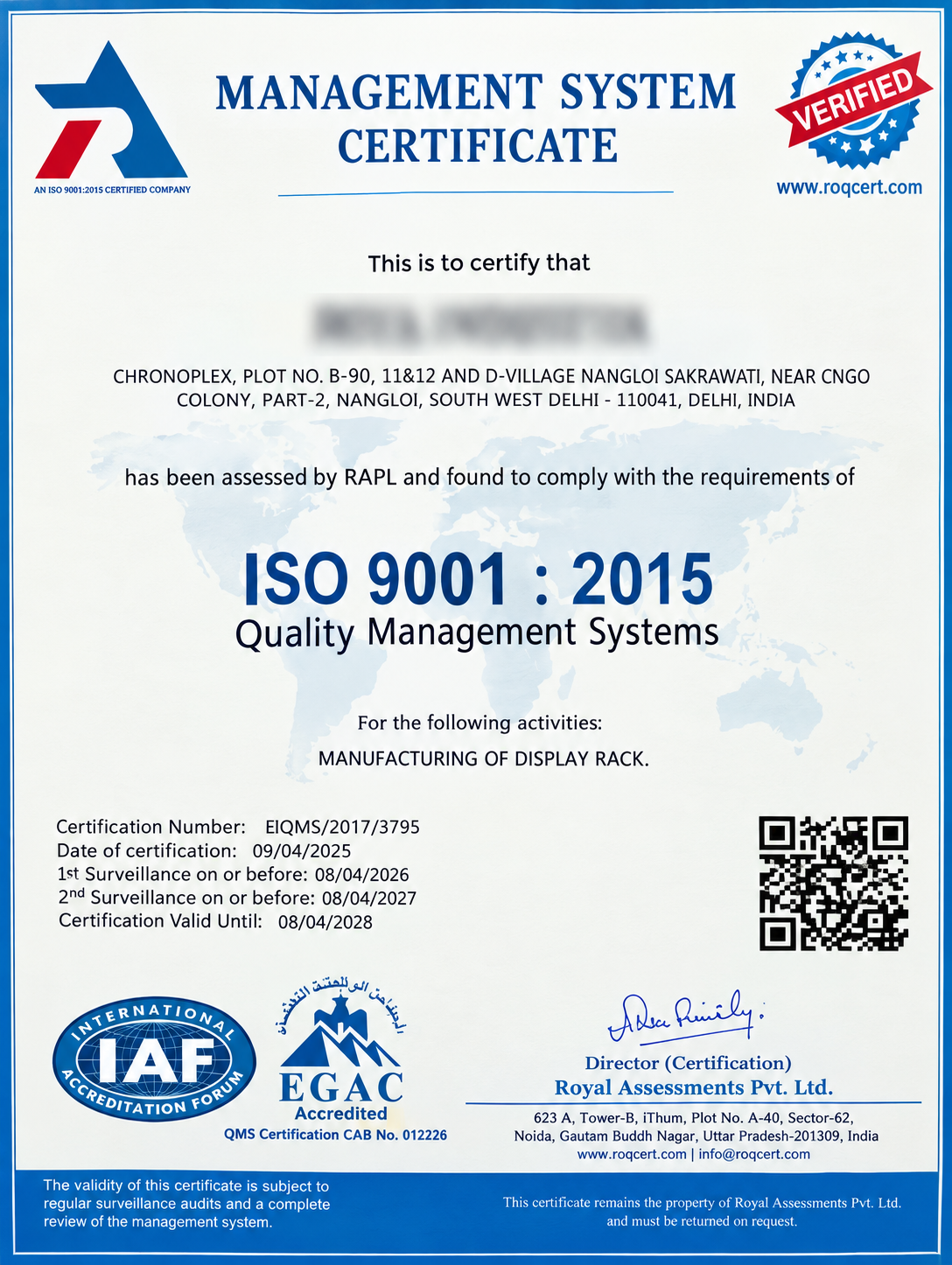
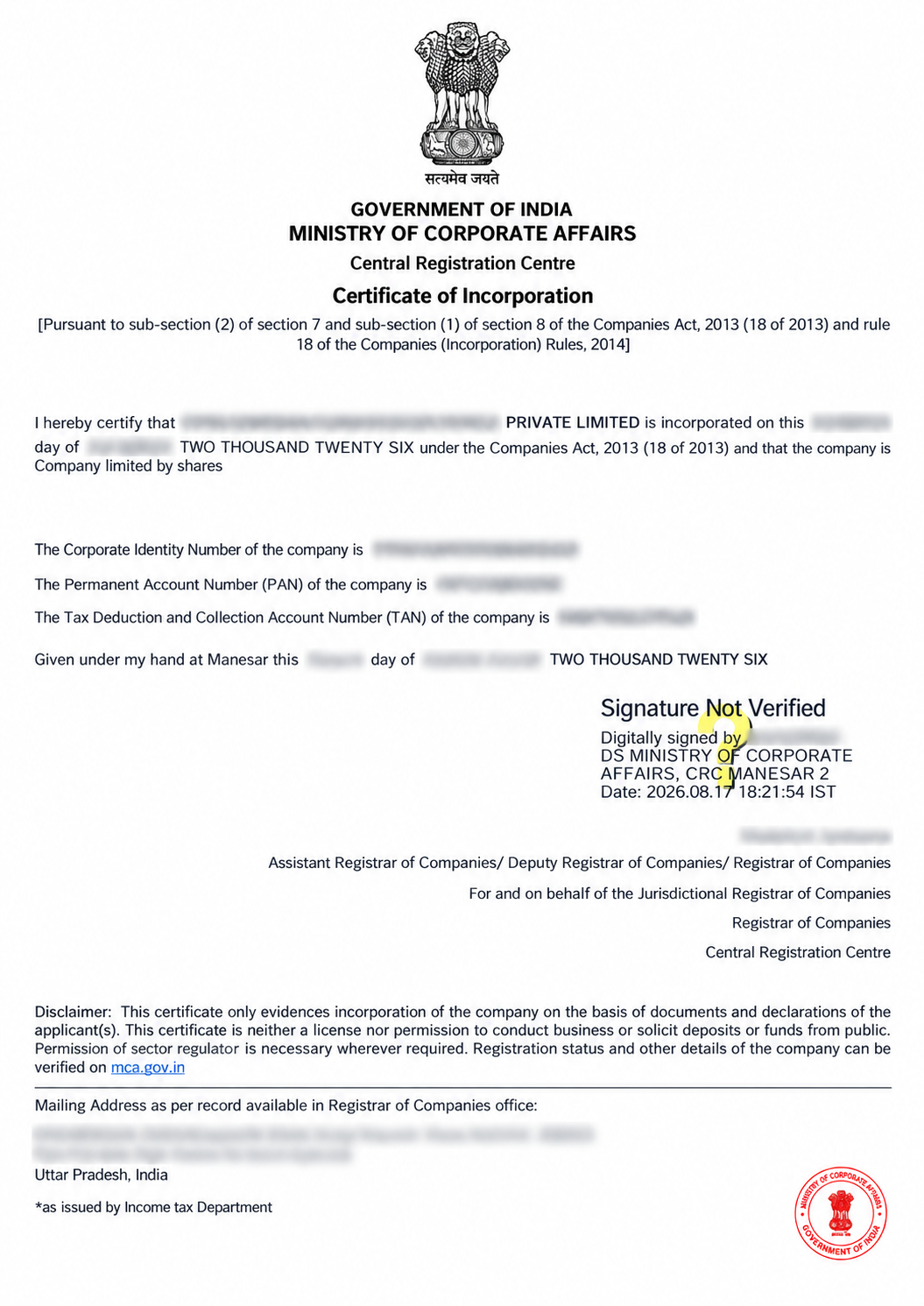
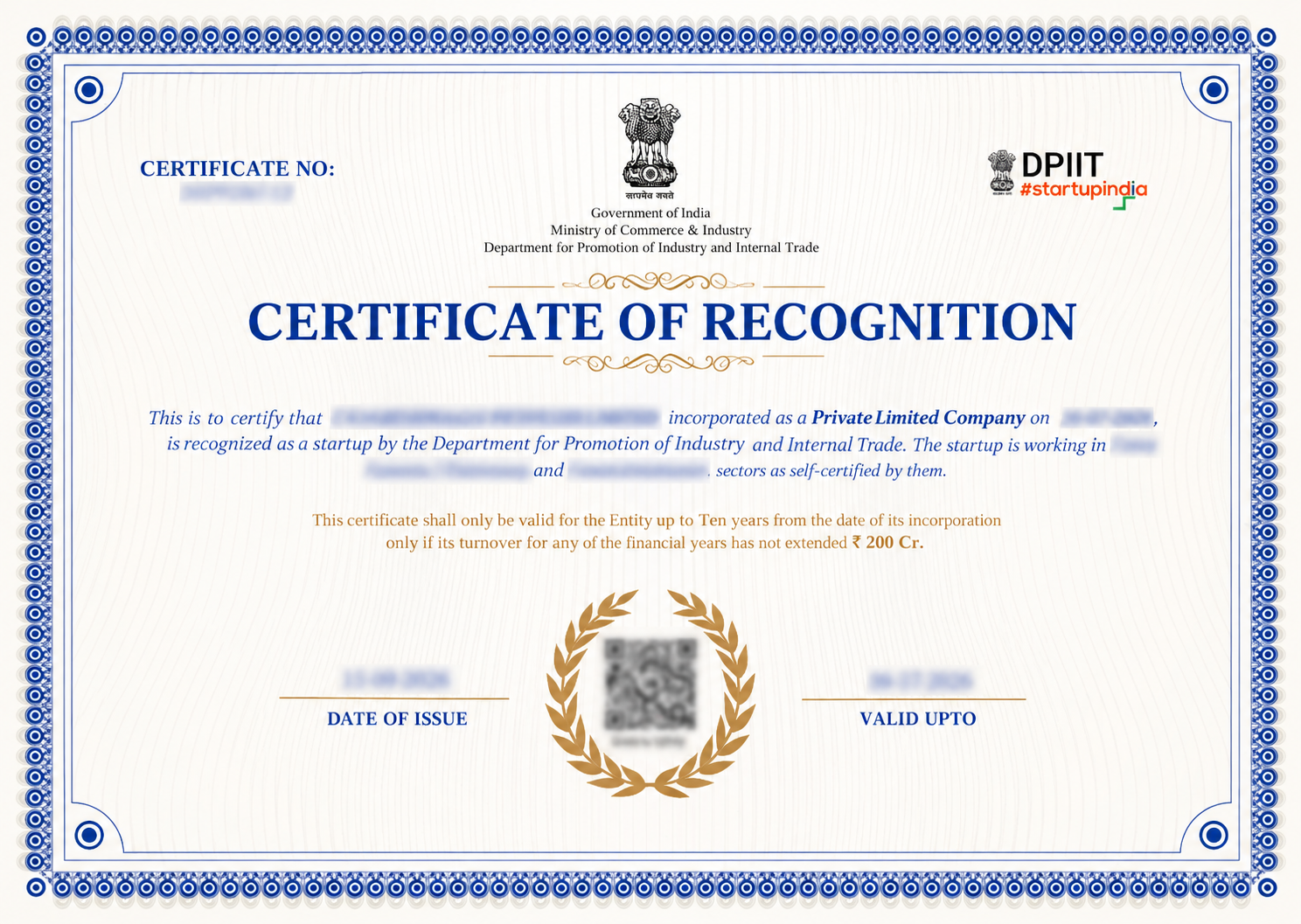
"Explore how Legalstartup has helped businesses reach new heights as their trusted partner."

Thousands of businesses and founders trust LegalStartup.