
Close your inactive non-profit company the right way with Legal Startup. A dedicated compliance expert checks eligibility, clears pending filings, handles the treatment of surplus assets and files the strike-off application with the ROC.
Free call & custom quote · Professional fee + government fee
Striking off a Section 8 company means applying to the Registrar of Companies (ROC), in Form STK-2 under Section 248(2) of the Companies Act, 2013, to remove the name of an inactive non-profit company from the register. The company is then dissolved. Surplus assets must go to another non-profit with similar objects, not to the members.
Last updated: October 2026. Forms, fees and conditions can change, and a Section 8 company's licence and Articles may add requirements, so we confirm the position before filing.
A Section 8 company is a non-profit company formed under a licence from the Central Government to promote objects such as charity, education, sports, art or social welfare. Its income and property must be applied only to those objects, and it cannot pay dividends to its members.
When such a company has no activity left, it should be closed formally. Simply stopping work leaves the company on the register, with annual filing duties and penalties continuing. Under Section 248(2), a company that has not carried on business or operations for two immediately preceding financial years can apply to the ROC to have its name removed, provided it has cleared its assets and liabilities.
Because of its non-profit status, a Section 8 company cannot hand its remaining funds to members. The Articles and the licence usually require surplus assets to go to another non-profit with similar objects, and any tax registrations such as 12A or 80G must be dealt with. For forms and the filing portal, visit the Ministry of Corporate Affairs at mca.gov.in. If a company has already been struck off by the Registrar, see our revival of struck off company service.
Important conditions every Section 8 company should know before applying.
The right route depends on the state of your company.
The company is inactive and has no assets or liabilities.
Annual returns or financial statements were not filed.
The company still has money or property.
Registered under 12A, 80G, CSR-1 or FCRA.
Operations continue, or liabilities remain.
The company was already removed under Section 248(1).
Not sure which situation applies to your company? Send us the CIN and our experts will review it free of charge.
Why trustees and directors close inactive non-profit companies formally.
No more ROC filings, audits or returns for a dormant entity.
Late fees and notices for unfiled returns stop building up.
Formal closure reduces the risk of future disqualification for non-filing.
Surplus funds move to another non-profit with similar objects.
The register shows the company as properly removed.
Accounts, GST and tax registrations are wound up in an orderly way.
File from anywhere in India through the MCA portal.
From eligibility check to dissolution, here is how the strike off works.
Timelines depend on how ready your records are and the ROC's processing. Not to scale.
We confirm that the company has been inactive for two financial years and review its Articles, licence and filing history.
Pending annual returns, financial statements and tax returns are filed, and all liabilities are settled.
Remaining funds or property are transferred to a similar non-profit company in line with the licence and Articles.
We draft the resolution or member consent, the indemnity bond and affidavit for each director and the statement of accounts.
The application is filed online with the attachments and fee, and we track it through the notice stage.
After the name is removed, we guide you on closing bank accounts and tax registrations and keeping records.
Keep these ready to avoid delays. Our expert will confirm the exact list for your case.
The total cost depends on how many years of filings are pending, whether the company holds assets and what approvals it has. It generally has three parts:
The fee for Form STK-2, plus fees on any pending ROC filings. The schedule can change, so we confirm the current fee before filing.
Our fee depends on the state of your records and the work needed. Call free for a custom quote before you pay anything.
Late filing fees, tax return preparation, a certified statement of accounts, a Digital Signature Certificate and stamp paper for bonds are charged separately where they apply.
We share a clear, itemised quote before you begin – no hidden charges. Get your free quote →
Choose the stage that matches your company, or call free for a custom quote.
You want to know whether your company can be struck off.
Your company is inactive and ready to be closed.
Pending filings, assets or liabilities, or a different route.
Our professional fee is quoted after a free call. Government fee is separate. Acceptance of the application is decided by the ROC. Not sure which option fits? Ask for a free review.
If the company's work has ended, closing it formally protects the people behind it.
Non-profit companies whose project or mission is complete.
Companies that have no grants, donors or activity left.
Directors who are receiving ROC notices for unfiled returns.
Promoters shifting to a trust, society or another entity.
Non-profits combining with another organisation with similar objects.
Directors who took over a company with no records and want a clean exit.
A quick view of how each route differs. Ask us which one applies to your Section 8 company.
| Route | When it applies | What is filed | Cost | Effort |
|---|---|---|---|---|
| Voluntary strike off | Inactive, no assets or liabilities | STK-2 under Section 248(2) | Lowest | Low to moderate |
| Dormant status | The cause continues but there is no activity | Application for dormant status | Fee and minimal annual filings | Low |
| Merger with another non-profit | A similar non-profit can take over | Scheme of merger | Higher | High |
| Winding up | Liabilities or assets remain | Petition or liquidation proceedings | Highest | Highest |
A clean record before filing prevents most rejections.
Dissolution ends the company, but a few records still need attention.
Check the MCA record and the notice confirming the company's name has been removed.
Close the company's bank accounts and keep the closure proof.
Cancel GST and complete income tax steps, including intimation for 12A, 80G or FCRA registrations.
Preserve books, minutes and bonds as the law and your advisers recommend.
If the board needs to change before closure, see our change in director service. For director KYC issues, see DIR-3 KYC. If your brand also needs protection, see our trademark registration online service. For local support, see our pages for trademark registration in Dwarka and Jaipur.
Quick answers on closing a Section 8 company in India.
A Section 8 company is a non-profit company registered under Section 8 of the Companies Act, 2013 under a licence from the Central Government, formed to promote objects such as charity, education, science, art, sports or social welfare. Its profits must be applied to those objects and not distributed to members.
Yes. A Section 8 company that has not carried on business or operations for two immediately preceding financial years, and that has no assets or liabilities, can apply to the Registrar of Companies for removal of its name under Section 248(2) of the Companies Act, 2013.
Clear all dues and file pending returns, transfer surplus assets as required, pass the resolution or obtain member consent, prepare the indemnity bonds and affidavits of directors and the statement of accounts, and file Form STK-2 with the ROC on the MCA portal with the prescribed fee.
A Section 8 company cannot distribute its assets among members. Surplus assets should be transferred to another non-profit company with similar objects, as required by the licence and the Articles, before the strike-off application is filed.
Form STK-2 is the application to the Registrar for removing the name of a company from the register under Section 248(2). It is filed with an indemnity bond and an affidavit from each director, along with a statement of accounts and other attachments.
It depends on how ready the records are and on the ROC's processing, including the public notice stage. Pending returns or objections can delay the process, so we review the records before filing.
The certificate of incorporation, licence and Articles, resolution or member consent, indemnity bond and affidavit of every director, a certified statement of accounts, bank closure proof and details of tax registrations, along with a Digital Signature Certificate for filing.
The cost has a government fee for Form STK-2, our professional fee and the cost of any pending filings or tax clean-up. The fee schedule can change, so we confirm the current fee and share an itemised quote after a free call.
A company with liabilities or ongoing operations is generally not eligible for strike off under Section 248(2). Alternatives include settling the liabilities first, merger with another non-profit company, or winding up. We review your records and suggest the right route.
A company struck off by the Registrar can apply to the National Company Law Tribunal for restoration under Section 252, generally within three years of the strike-off order.
Is your Section 8 company inactive? Speak to our compliance expert today – the eligibility review and the quote are free.
Tell us what you need and our team will get back to you with the right guidance.
Legalstartup ke certificates, registrations aur recognitions jo hamari credibility dikhate hain.
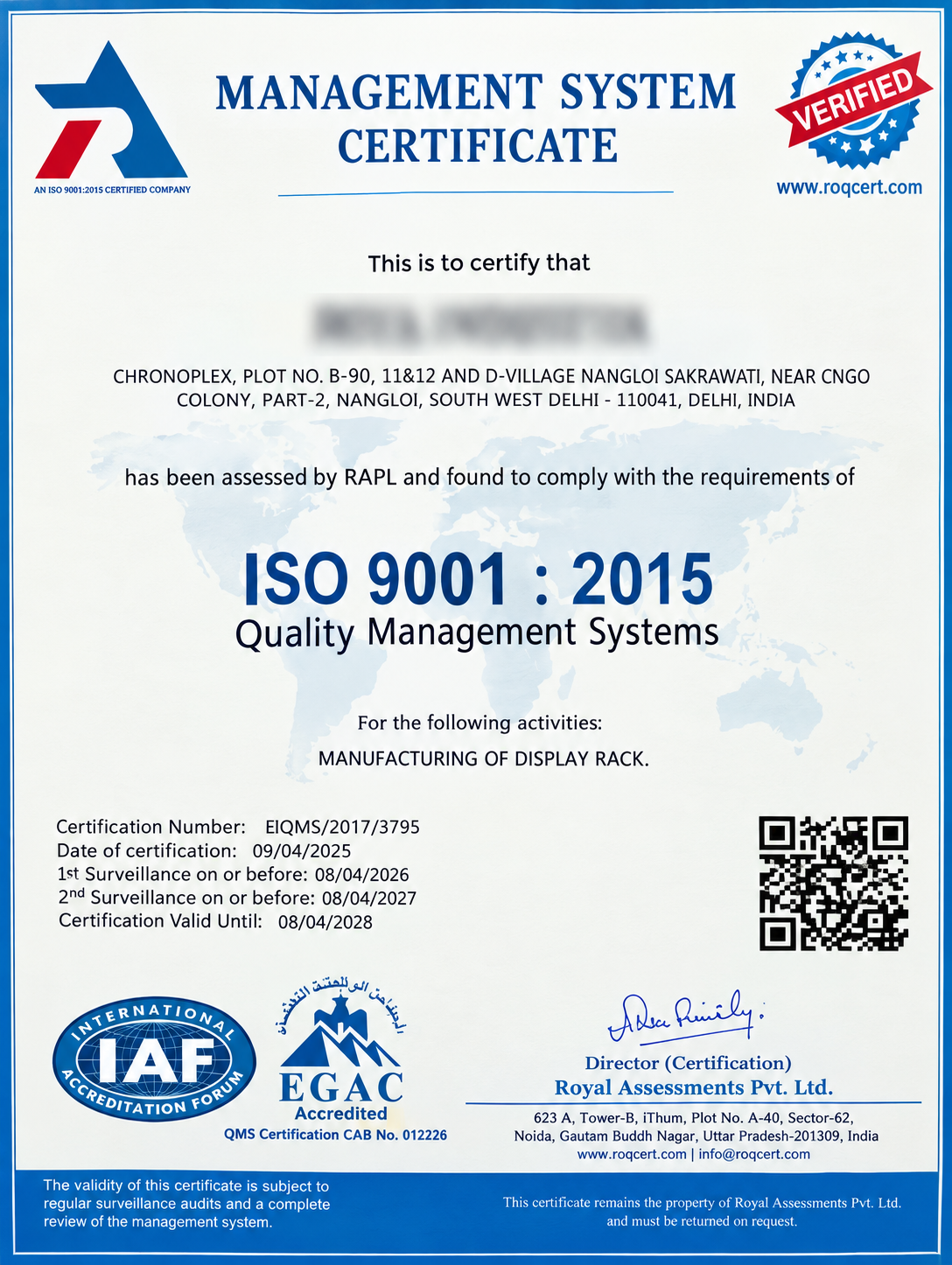
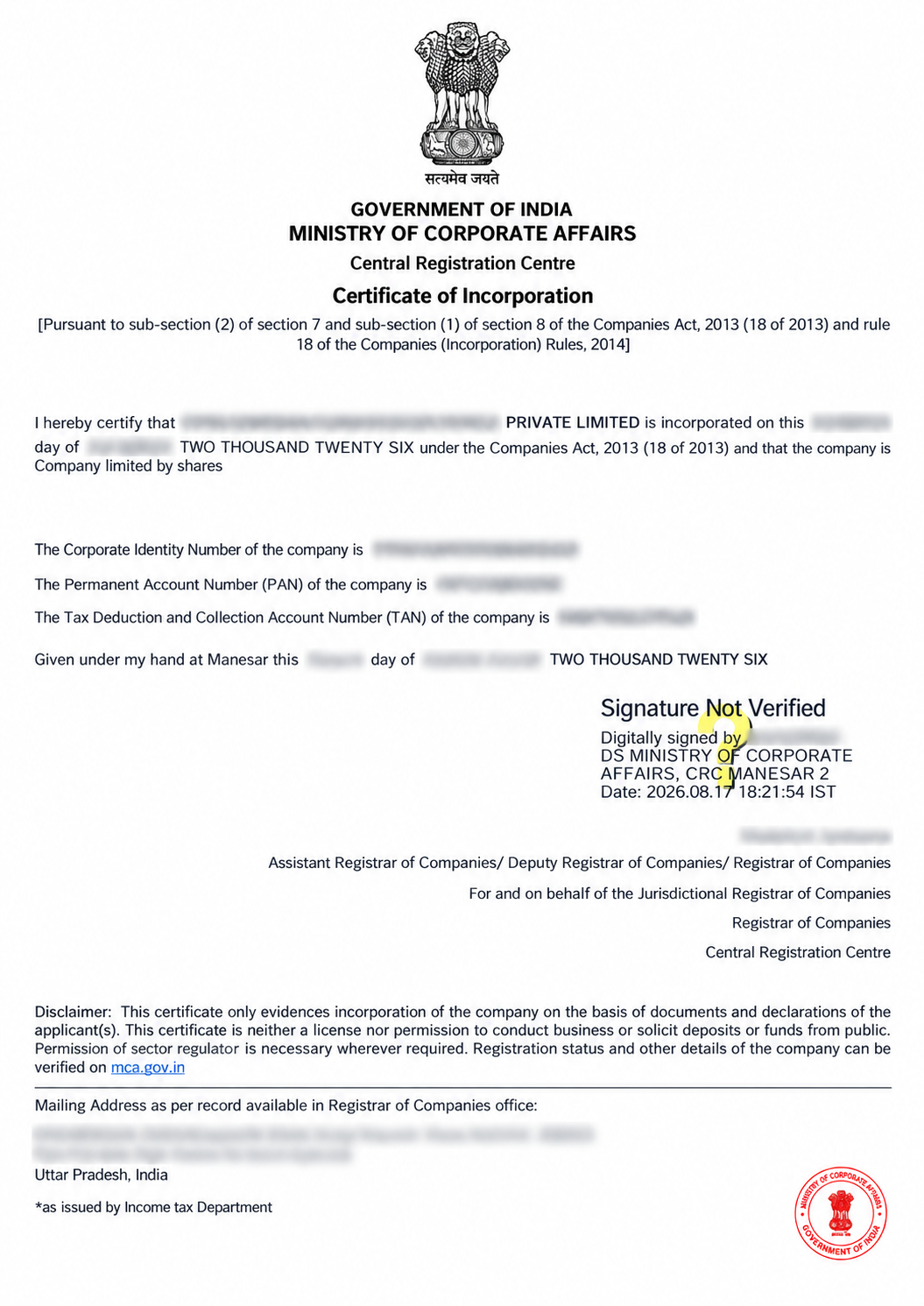
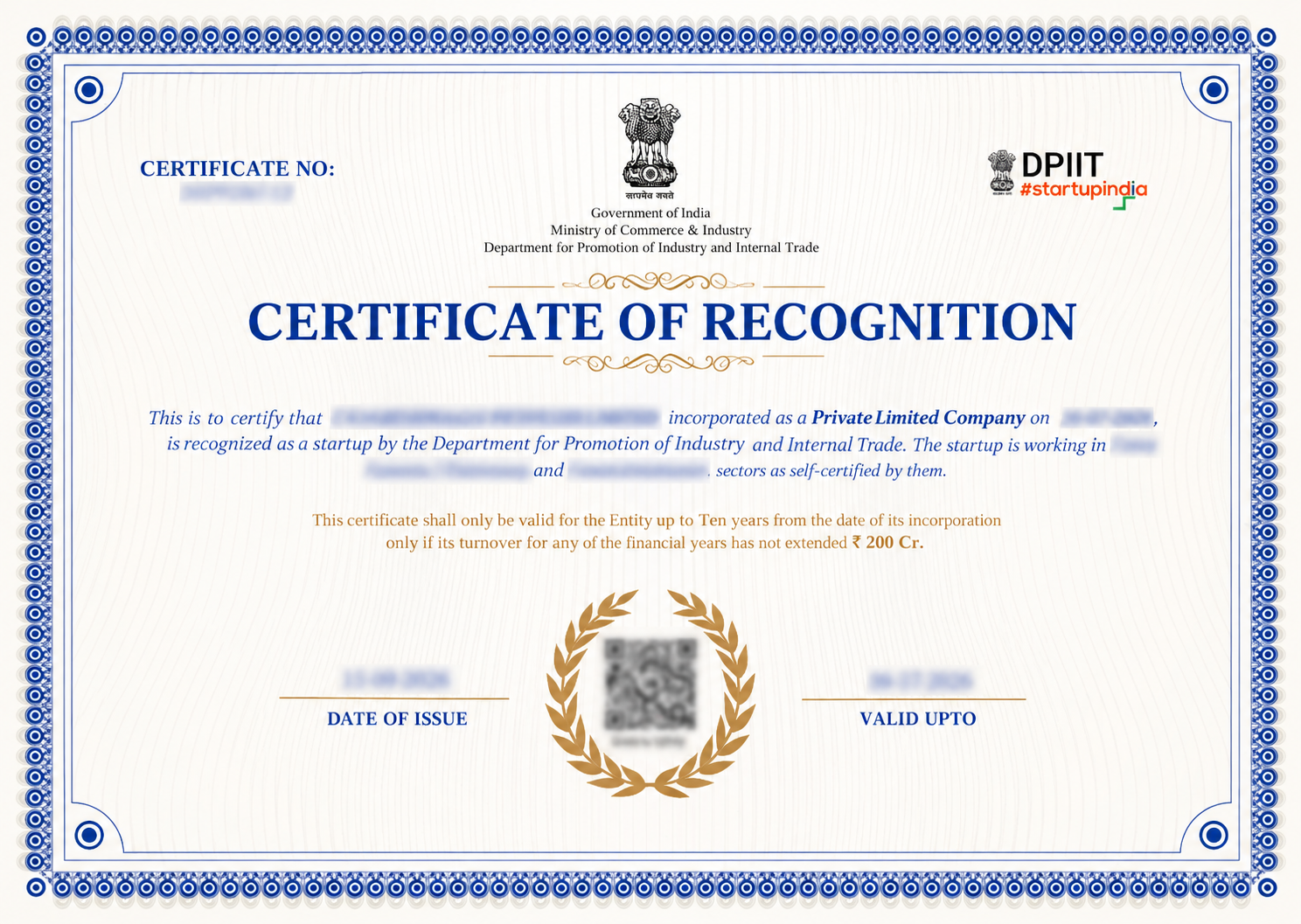
"Explore how Legalstartup has helped businesses reach new heights as their trusted partner."

Thousands of businesses and founders trust LegalStartup.