
Give up your share in inherited or jointly owned property the right way. Legal Startup checks the title, drafts the relinquishment deed, guides you on stamp duty and walks you through registration, so the family settlement is clear and legally recorded.
Free call & custom quote · Professional fee quoted before you start
A relinquishment deed, also called a release deed, is a legal document in which a person gives up their right, title or share in a property in favour of another person who already has an interest in it, usually a co-owner or co-heir. It is commonly used when family members inherit property together and one or more of them want to step aside.
Last updated: October 2026. This page is general information, not legal or tax advice for your specific case. Stamp duty, registration charges and tax rules vary and can change, and personal laws can differ for some communities, so we confirm the current position before drafting.
When a property passes to several heirs, each person usually holds an undivided share. A relinquishment deed lets one heir or co-owner give up that share in favour of another co-owner, so that the remaining owner holds the property alone or with a larger share.
It is different from a gift deed or a sale deed. The person releasing already has an interest in the property, and the release is typically made within the family. The deed must identify the property precisely, state who is giving up what and in whose favour, and say whether any payment is made. Whether money changes hands can affect stamp duty and tax.
Because it permanently removes a person's rights, a relinquishment deed should be signed voluntarily and with full understanding. Registration is essential for immovable property, and the title and heirs should be checked first, since a defective release can lead to disputes later.
Key legal points every releasing party and receiving party should know.
The right deed depends on how the property is held and who is involved.
An heir gives up their share after the owner's death.
A co-owner releases their share to another co-owner.
A family member releases rights in joint family property.
A share is given up with no money exchanged.
A share is given up in return for a payment.
Several heirs, or heirs living abroad.
Not sure which situation applies? Share the property details and our experts will advise free of charge.
Clear terms protect everyone and reduce the chance of later disputes.
Names, addresses and relationship of the releasor and the person receiving the share.
Accurate address, area, boundaries and title details of the property.
States exactly what portion of the property is being given up.
Records whether any payment is made, or that the release is without payment.
Confirms the release is made willingly, without pressure or fraud.
The releasor confirms they have no further right, title or claim in the property.
Declarations about ownership, encumbrances and any pending dues or disputes.
Signatures of the parties and witnesses, followed by registration.
From title check to registered deed and mutation.
Registration is completed at the sub-registrar's office and timelines vary by state and office. Not to scale.
We learn how the property is held, who the heirs are, and what each person wants.
We review ownership papers, legal heir details and encumbrances to confirm who holds what share.
We draft the deed with a precise property description, the share released and clear declarations.
We confirm the stamp duty for your state, share and relationship, and guide the payment.
The parties and two witnesses attend the sub-registrar's office with their IDs to register the deed.
The receiving owner applies to update property tax and revenue records in their name.
Keep these ready to avoid delays. Our expert will confirm the exact list for your case and state.
The total cost depends on the state, the value of the share, the relationship between the parties and the complexity of the case. It generally has three parts:
Set by each state, often based on property value or share and the relationship. We confirm the current rate before you pay.
Paid at the sub-registrar's office and also set by state rules.
Our fee depends on the property and the work involved. Call free for a custom quote before you pay anything.
We share a clear, itemised quote before you begin – no hidden charges. Get your free quote →
Choose the option that matches your situation, or call free for a custom quote.
You want a correctly drafted deed for a straightforward release.
You want help through to the registered deed.
Several heirs, parties abroad, missing papers or a deed to review.
Our professional fee is quoted after a free call. Stamp duty and registration charges are separate and set by the state. Not sure which option fits? Ask for a free consultation.
Anyone who wants to give up or receive a share in inherited or joint property.
Heirs who prefer to give up their share in favour of a sibling or parent.
Releasing a share voluntarily, with full understanding of their rights.
People who jointly own property and want one owner to hold it.
Those receiving shares who need a valid, registered record of ownership.
Heirs abroad who wish to release their share in Indian property.
Groups of heirs who agree on who will hold which property.
A quick view of how these documents differ. Ask us which one suits your plan.
| Document | What it does | In favour of | Registration | Note |
|---|---|---|---|---|
| Relinquishment deed | Gives up an existing share | Usually a co-owner or co-heir | Mandatory for immovable property | Not easily reversed |
| Gift deed | Transfers ownership as a gift | Any person | Mandatory for immovable property | Duty and tax rules differ |
| Partition deed | Divides joint property among co-owners | All co-owners | Mandatory for immovable property | Each owner gets a separate part |
| Will | Directs who inherits after death | Named beneficiaries | Optional | Takes effect only after death |
Most disputes come from unregistered deeds, missing heirs and unclear consent.
Registration is the main step, but records should also be updated.
Keep the original registered deed and receipts safely with the receiving owner.
Update municipal, revenue or society records to show the new holding.
Transfer property tax, electricity, water and similar accounts into the new owner's name.
Record the release for income tax purposes and speak to a chartered accountant if needed.
Quick answers on relinquishment deeds in India.
A relinquishment deed, also called a release deed, is a legal document by which a person gives up their right, title or share in a property in favour of another person who already has an interest in it, such as a co-owner or co-heir.
Yes, for immovable property. Under the Registration Act, 1908, a document that releases a right in immovable property of the value prescribed must be registered to be effective, so a notarised or stamp paper deed alone is not enough.
A relinquishment deed gives up an existing share in favour of a co-owner or co-heir, while a gift deed transfers ownership to any person. A release in favour of a stranger may be treated as a transfer and charged accordingly.
Normally in favour of another co-owner or co-heir who already holds an interest in the same property. A release in favour of an outsider may be treated as a different kind of transfer, with different duty and consequences.
A person who is an adult, of sound mind and who holds a right or share in the property, such as a legal heir or co-owner. Where there are several heirs, each person giving up a share should sign.
Stamp duty is set by each state and depends on the state, the property value or share, and often the relationship between the parties. Many states charge lower duty for releases within the family. We confirm the current rate before execution.
A completed relinquishment is generally not reversed by the person who signed it. It can be challenged in court on grounds such as fraud, coercion, undue influence or lack of capacity, so the circumstances of signing should be clean and documented.
Yes. Daughters have equal rights under the Hindu Succession Act, 1956 as amended in 2005, and a daughter can give up her share through a registered relinquishment deed made voluntarily and with full understanding.
Tax treatment depends on the facts, including whether any money is paid and how the property was acquired. The Income-tax Act has a wide definition of transfer, so confirm your case with a chartered accountant before signing.
IDs and photographs of the parties, title documents of the property, death certificate and legal heir certificate where the property is inherited, latest property tax receipt, and ID proof of two witnesses.
The cost has three parts: our professional fee, the state stamp duty, and registration charges. Fees vary with the case. Call us free for a custom quote before you pay anything.
Planning to give up or receive a share in a property? Speak to our legal expert today – the first consultation and the quote are free.
Tell us what you need and our team will get back to you with the right guidance.
Legalstartup ke certificates, registrations aur recognitions jo hamari credibility dikhate hain.
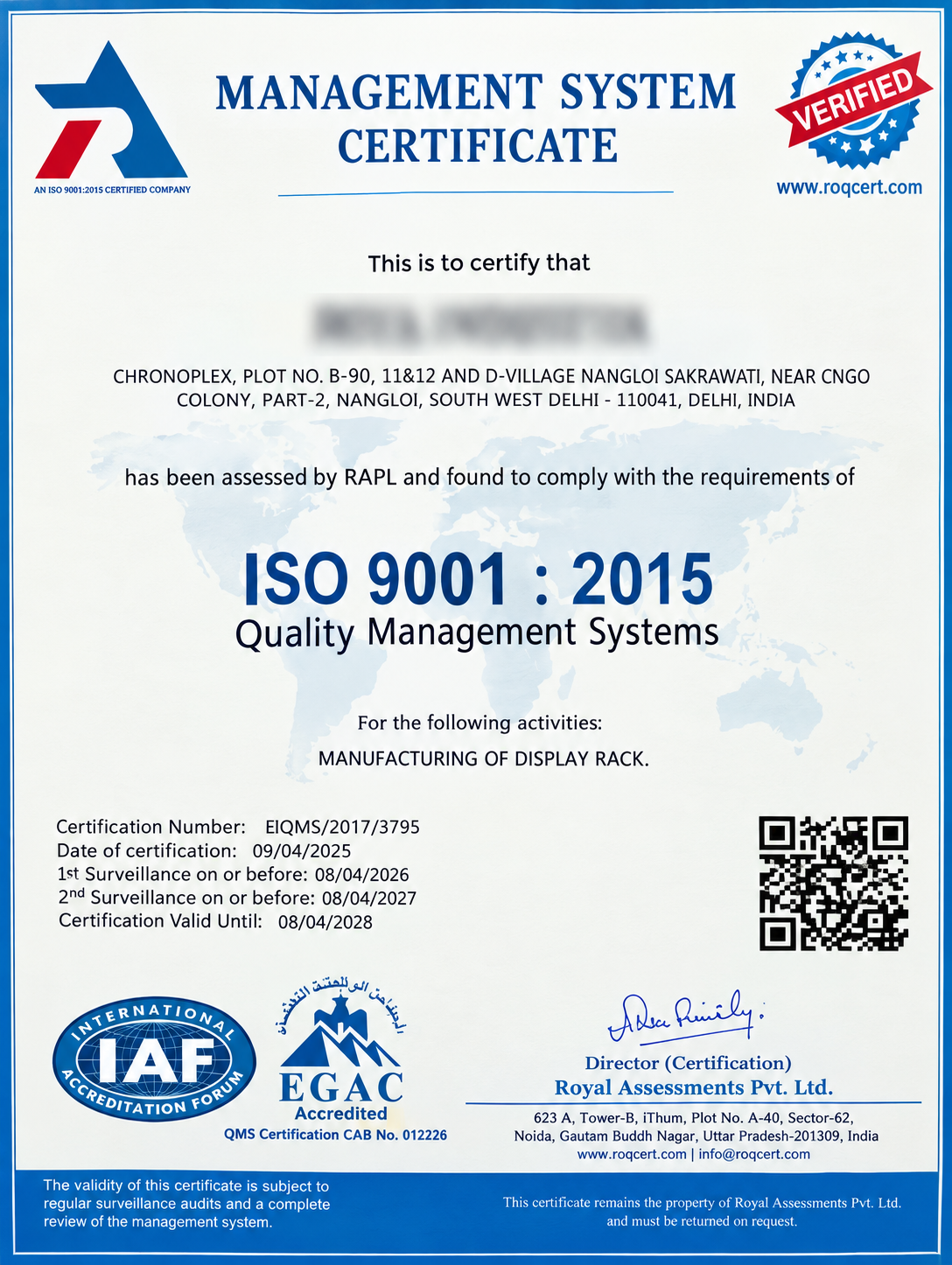
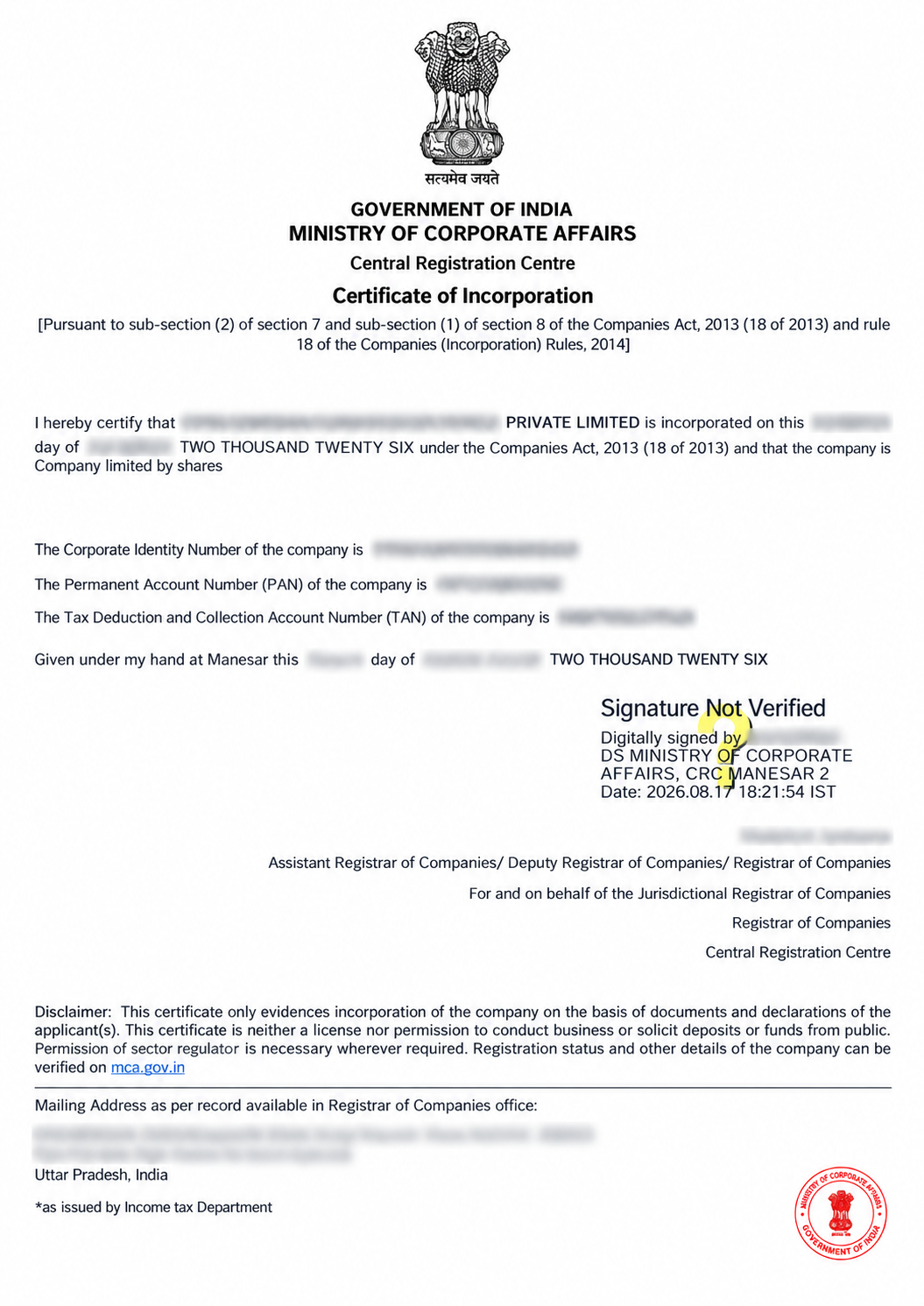
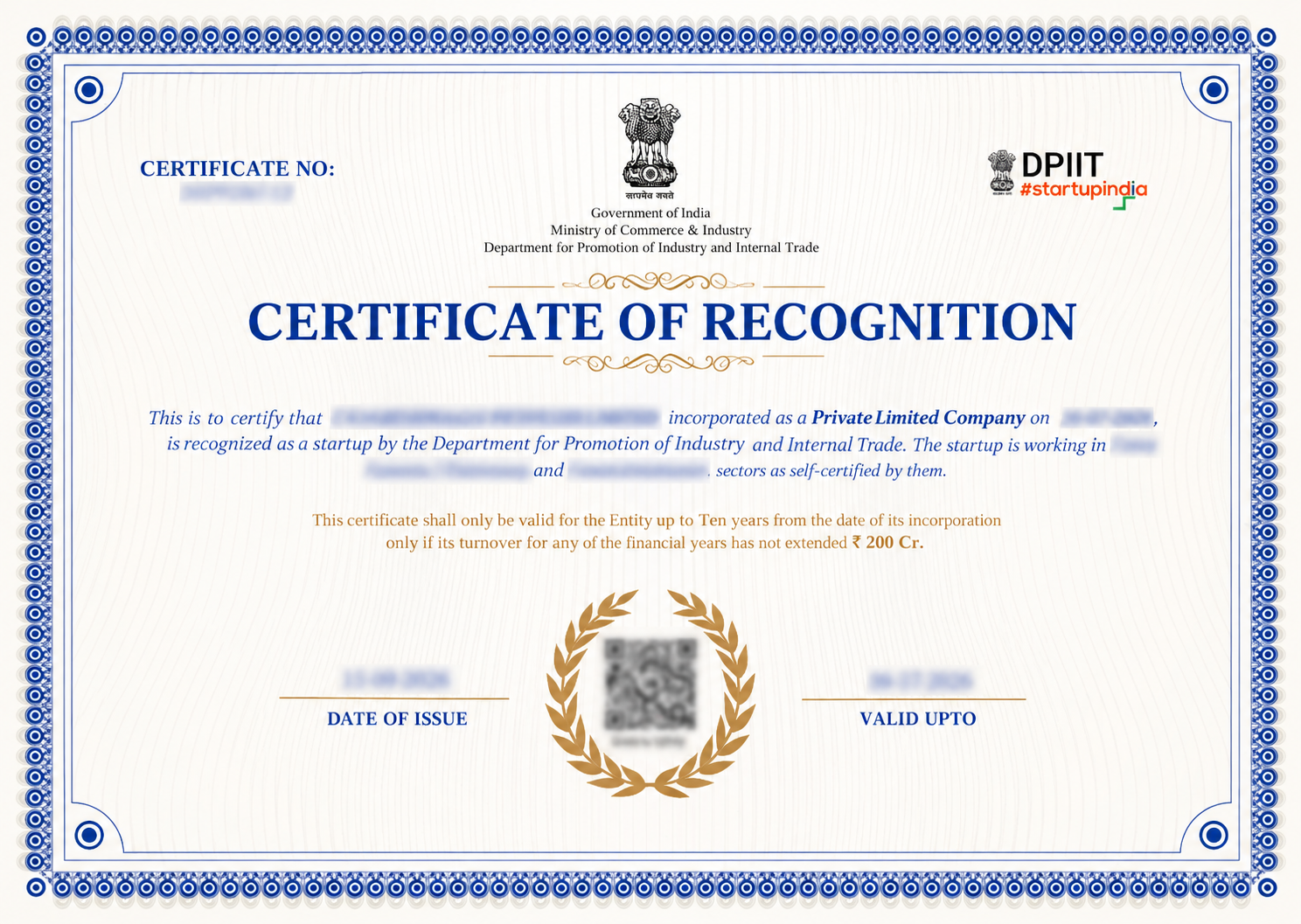
"Explore how Legalstartup has helped businesses reach new heights as their trusted partner."

Thousands of businesses and founders trust LegalStartup.