
Move your partnership firm to a Limited Liability Partnership with Legal Startup. A dedicated compliance expert checks eligibility, prepares the partner consents and LLP agreement, gets the name approved and files the conversion with the Registrar of Companies.
Free call & custom quote · Professional fee + government fee + stamp duty
Converting a partnership to an LLP in India means registering your existing partnership firm as a Limited Liability Partnership under Section 55 and the Second Schedule of the Limited Liability Partnership Act, 2008. All partners of the firm become partners of the LLP, the firm's assets and liabilities pass to the LLP, and the partners get limited liability going forward.
Last updated: October 2026. Forms, fees and rules can change, so we confirm the current position before filing. Review the tax impact with your chartered accountant.
A traditional partnership firm is not a separate legal entity, and each partner is personally liable for the debts of the firm. A Limited Liability Partnership combines the flexibility of a partnership with a separate legal identity and liability limited to the partner's agreed contribution. Partners can therefore take the benefit of limited liability without winding up the business and starting from scratch.
The LLP Act, 2008 allows an existing firm to become an LLP through a conversion route. On registration, the LLP takes over the firm's assets, liabilities, contracts and business, the firm ceases to exist as a partnership, and the partners continue as partners of the LLP. The business, brand and customers stay with the same group of people, but on a new legal footing with a new PAN and a fresh set of compliances.
Conversion is a legal filing, not just a name change, so the partners' consent, the LLP name, the LLP agreement and the Registrar's approval all need to line up. For official forms, fees and the LLP name search, visit the Ministry of Corporate Affairs portal at mca.gov.in. For accounting and filing support after conversion, see our Virtual CFO services.
Important requirements and time limits for converting a partnership to an LLP.
The steps differ slightly depending on your firm's position.
Two or more partners who all agree to move to an LLP.
The firm has borrowed from banks or other lenders.
The firm holds GST, MSME or other business registrations.
Land, a shop or other assets stand in the firm's name.
Consultancies and service businesses run as partnerships.
Partners want investors or a larger structure.
Not sure which situation applies to your firm? Send us your partnership deed and our experts will review it free of charge.
Why partners move from a firm to a Limited Liability Partnership.
A partner's liability is generally limited to the agreed contribution, not personal assets.
The LLP can own property, sign contracts, sue and be sued in its own name.
The business continues even when partners join or leave.
Banks, customers and tenders view a registered LLP as a more established business.
Roles and profit sharing are set in the LLP agreement, without the rigid company structure.
The law does not set a minimum contribution for an LLP.
Share documents and sign digitally from anywhere in India.
From partner consent to certificate of registration, here is how the conversion works.
Timelines depend on partner documents, name approval and Registrar workload. Not to scale.
We study the partnership deed, the partners' details, existing loans, registrations and property to confirm that conversion is workable.
We check name availability and propose names that meet the naming rules, usually the firm's name with LLP added.
Digital Signature Certificates are arranged for the designated partners, who sign the filings on behalf of the LLP.
All partners sign the consent, and the LLP agreement sets out contributions, profit sharing, roles and exit terms.
The conversion application is filed online with the required attachments and the prescribed fee.
After registration, the LLP agreement is filed in Form 3, and PAN, bank, GST and licences are updated for the LLP.
Keep these ready to avoid delays. Our expert will confirm the exact list for your firm.
Check these points before you start. They decide whether the conversion can go ahead.
The conversion provisions are in Section 55 and the Second Schedule of the Limited Liability Partnership Act, 2008. Rules and forms are available on the Ministry of Corporate Affairs website at mca.gov.in.
The total cost depends on the number of partners, the LLP's contribution, the state in which the agreement is stamped, and how complex the firm's records are. It generally has three parts:
Registrar of Companies fee depends on the LLP's contribution. Stamp duty on the LLP agreement differs from state to state. We confirm both before filing.
Our fee depends on the number of partners and the situation of the firm. Call free for a custom quote before you pay anything.
Digital Signature Certificates, GST and licence updates, and property or loan-related formalities may be charged separately.
We share a clear, itemised quote before you begin – no hidden charges. Get your free quote →
Choose the situation that matches your firm, or call free for a custom quote.
Your partners agree and the firm has no complicated records.
The firm has lenders, GST, licences or property to move to the LLP.
You want conversion and ongoing yearly filings handled together.
Our professional fee is quoted after a free call. Government fee and stamp duty are separate and depend on the LLP's contribution and the state. Not sure which option fits? Ask for a free review.
If partners want limited liability without moving to a full company structure, an LLP is worth considering.
Businesses with stock, credit and contracts that expose partners to personal liability.
Firms that want a more established identity for clients and tenders.
Keep the ownership within the family while limiting personal risk and planning succession.
Practices that want limited liability, subject to the rules of their professional body.
Firms seeking bank credit, bigger customers or a more credible structure.
Businesses that want lighter compliance than a company, with profit sharing set by agreement.
A quick view of how the three structures differ. Ask us which one fits your plans.
| Feature | Partnership firm | LLP | Private limited company | Key point |
|---|---|---|---|---|
| Legal status | Not a separate entity | Separate legal entity | Separate legal entity | LLP and company have their own identity |
| Liability of owners | Unlimited, personal | Limited to contribution | Limited to shares held | LLP limits personal risk |
| Minimum members | Two partners | Two partners | Two shareholders and directors | Same starting size |
| Compliance | Lowest | Moderate, annual filings | Highest | LLP sits in the middle |
| Equity funding | Not possible | Cannot issue shares | Can issue shares | Company suits investors |
Careful planning before filing prevents most problems.
The certificate is the start. Here is what to do next.
File the LLP agreement in Form 3 with the Registrar after registration.
Get the LLP's PAN and TAN, open or update the bank account, and inform lenders and customers.
Take or update GST and other registrations in the LLP's name. See our GST registration service.
File the annual return, the statement of account and solvency, and the income tax return on time.
For help with books, tax and annual filings, see our Virtual CFO services.
Quick answers on converting a partnership firm into an LLP in India.
Yes. Section 55 and the Second Schedule of the Limited Liability Partnership Act, 2008 allow a partnership firm to convert into an LLP. All partners of the firm must become partners of the LLP, and no other person can be a partner at the time of conversion.
Get the consent of all partners, obtain Digital Signature Certificates for the proposed designated partners, get the LLP name approved, prepare the LLP agreement, and file the application for conversion in Form 17 with the Registrar of Companies. After the certificate of registration is issued, file the LLP agreement in Form 3 within 30 days.
Form 17 is the application and statement for conversion of a firm into an LLP. Once it is approved, the Registrar issues a certificate of registration, and the LLP then files its LLP agreement in Form 3.
The partnership deed, PAN of the firm, identity and address proof and photographs of all partners, Digital Signature Certificates of the designated partners, proof of the registered office address with a no-objection letter from the owner, the latest balance sheet or statement of assets and liabilities of the firm, and the written consent of all partners. Our expert confirms the exact list for your firm.
Yes. All existing partners must consent and become partners of the LLP, and no outsider can be added at the time of conversion. New partners can be admitted afterwards as per the LLP agreement. An LLP needs at least two partners, and at least two designated partners who are individuals, with at least one resident in India.
An LLP is a new legal entity and gets its own PAN and TAN. Registrations tied to the firm's PAN, such as GST, usually have to be taken afresh or updated for the LLP, along with bank accounts and licences. We guide you on each of these after conversion.
The timeline depends on how quickly the partners' documents and consents are ready, name approval, and Registrar processing. We share an estimate after reviewing your firm, and we track the application until the certificate is issued.
The cost has the Registrar of Companies filing fee, which depends on the LLP's contribution, stamp duty on the LLP agreement, which differs from state to state, Digital Signature Certificate costs, and our professional fee. Call free for an itemised quote before you pay anything.
On registration, the firm's assets, liabilities and obligations vest in the LLP, and the firm stops being a partnership. In practice, you should inform lenders, customers, vendors and authorities, and check whether any contract or loan needs consent to continue in the LLP's name.
Often yes, with the word LLP or Limited Liability Partnership added at the end, provided the name is available and meets the naming rules. The name is checked and approved by the Registrar, so keep two or three alternatives ready.
File the LLP agreement in Form 3 within 30 days, file the annual return in Form 11 and the statement of account and solvency in Form 8 every year, and file the income tax return. An audit is needed if the LLP crosses the prescribed turnover or contribution limits.
Tax treatment depends on the conditions of the Income-tax Act and the facts of your firm, such as its assets and liabilities. Review the position with your chartered accountant before you file, and we will coordinate with them during the conversion.
An LLP gives partners limited liability, a separate legal identity and perpetual succession, which a partnership firm does not. It also comes with annual filings. If you plan to raise equity funding by issuing shares, a private limited company may suit you better, and we can compare both for your case.
Thinking of moving your firm to an LLP? Speak to our compliance expert today – the review of your firm and the quote are free.
Tell us what you need and our team will get back to you with the right guidance.
Legalstartup ke certificates, registrations aur recognitions jo hamari credibility dikhate hain.

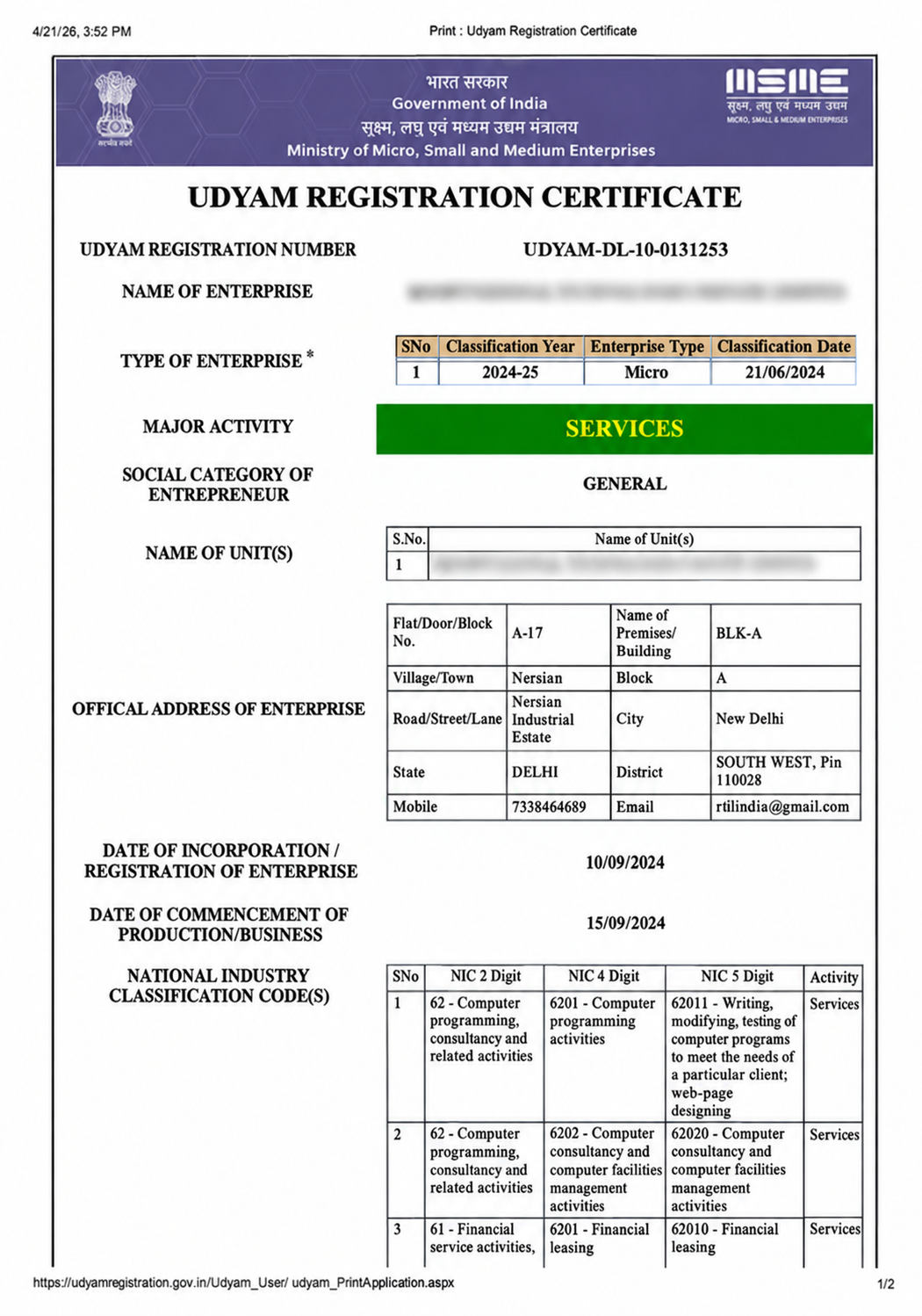


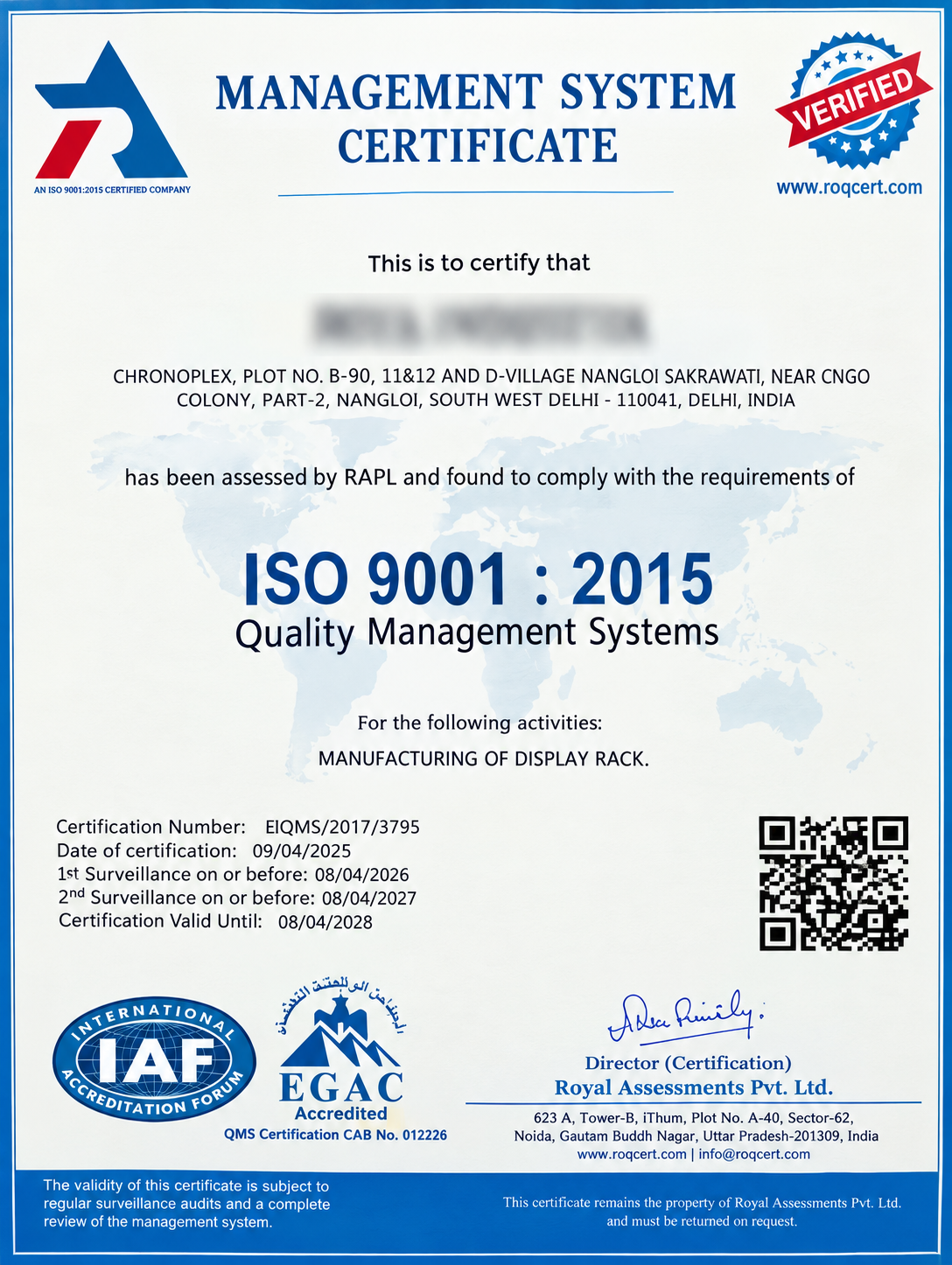
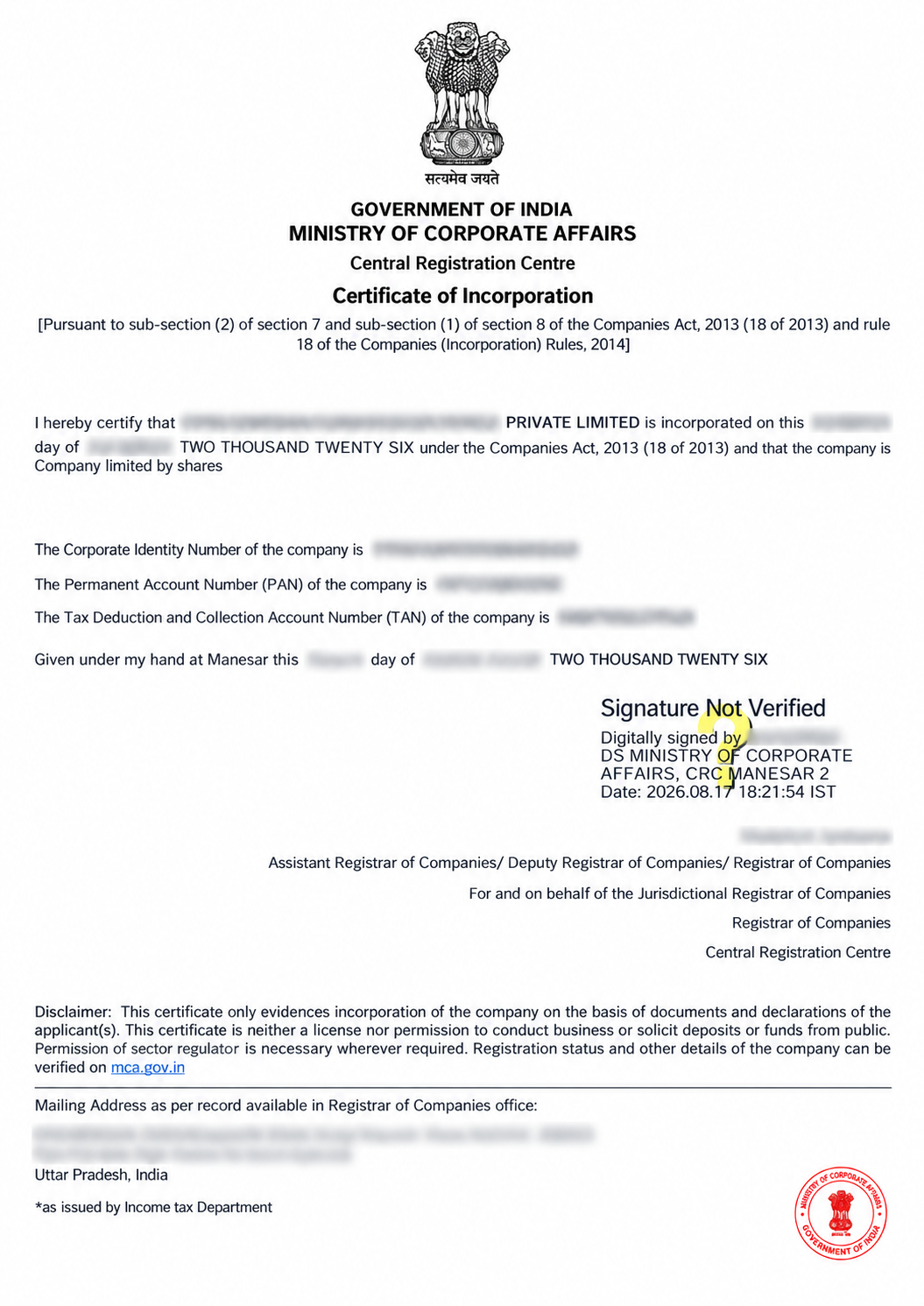
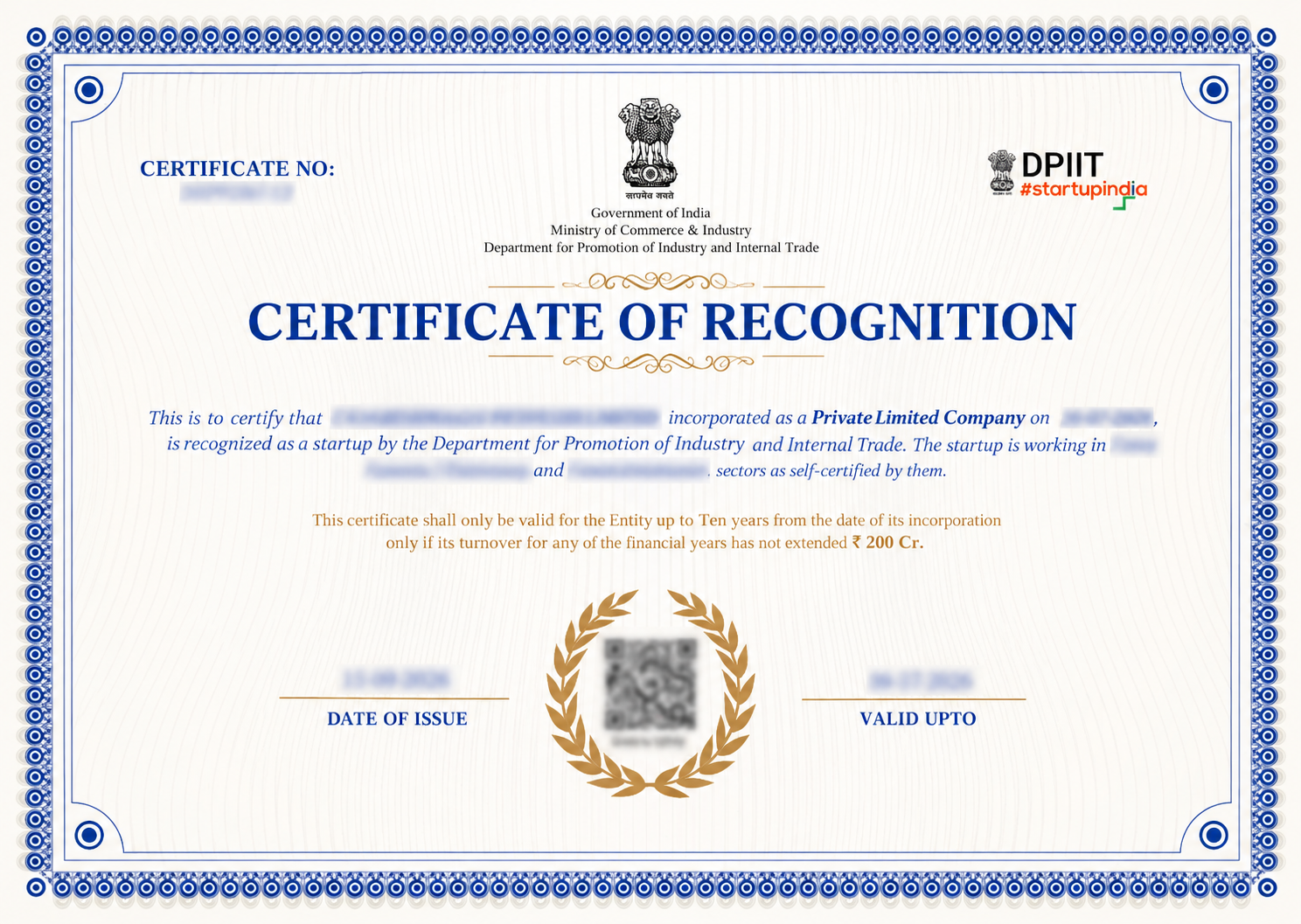
"Explore how Legalstartup has helped businesses reach new heights as their trusted partner."

Thousands of businesses and founders trust LegalStartup.