
Planning to import or export goods? A dedicated expert checks your eligibility, prepares your documents, files the Importer Exporter Code application on the DGFT portal, follows up on queries and guides you on the next steps for your first shipment.
Free call & custom quote · Government fee + professional fee, shown separately
IEC registration gives your business an Importer Exporter Code from the Directorate General of Foreign Trade (DGFT). It is the basic registration needed to import or export goods for business in India.
Last updated: October 2026. DGFT procedures, government fees, annual update windows and Foreign Trade Policy provisions can change, so we confirm the current position before you proceed.
The Importer Exporter Code, or IEC, is a 10-character identification code that customs, banks and DGFT use to recognise you as an importer or exporter. Without it, customs will generally not clear goods for import, and shipping bills for export cannot be filed in your name. The IEC is tied to the PAN of the business, so one entity holds one IEC, and branches are added under it.
Applications are made online. The process is paperless and the certificate is issued digitally, but the details must match your PAN records and be verified by Aadhaar-based e-sign or a digital signature. Mistakes in names, addresses or bank details are the most common reason for delay.
Apply and manage your IEC on the DGFT portal (dgft.gov.in), and track shipments and customs filings on ICEGATE. For exports you will also need a GST registration, and a Udyam registration can help small exporters access MSME benefits.
Whether an IEC is required depends on what you trade and how you trade it.
Businesses bringing goods into India.
Businesses sending goods out of India.
Sellers shipping products to customers abroad.
Businesses exporting services.
Not sure whether you need an IEC? Share your product, entity type and where you plan to sell, and our experts will advise free of charge.
Why importers and exporters get an IEC before their first shipment.
The IEC lets customs clear your goods and lets you file shipping bills for export.
Sell to overseas buyers and source goods from foreign suppliers under your own business name.
Banks use the IEC for foreign remittances and export proceeds, which keeps your transactions clean.
It is the starting point for claiming schemes such as duty drawback and other benefits, subject to eligibility.
The IEC stays valid for life, with only a yearly confirmation or update of details.
One IEC per PAN, with branches added under it, keeps compliance simple.
From document check to your IEC certificate.
Timelines depend on the DGFT review. Not to scale.
We review your entity type, PAN, address and bank account, and make sure names and details match across all records.
We give you a checklist and review the scans of your PAN, ID, address proof and bank proof before upload.
We enter your business, branch, bank and contact details, and upload the documents on the DGFT portal.
The government fee is paid online, and the application is verified through Aadhaar-based e-sign or a digital signature as applicable.
If DGFT asks for corrections or more details, we guide you on the reply and resubmit the application.
Once approved, the digital IEC certificate is issued and we explain the next steps for banking, customs and GST.
Keep these ready to avoid delays. Our expert will confirm the exact list for your case.
The total has separate parts, and we show them separately so there are no surprises:
DGFT charges a fee for the IEC application, paid directly on the portal as notified from time to time.
Our fee depends on the type of entity and the support required. Call free for a custom quote before you pay anything.
IEC modification, reactivation, digital signature, GST registration and export setup guidance are quoted only if you need them.
We share a clear, itemised quote before you begin. Get your free quote →
Choose the situation that matches your business, or call free for a custom quote.
Businesses applying for the first time.
New exporters who want to start shipping.
Existing IEC holders with changes or a deactivated IEC.
Our professional fee is quoted after a free call. The government fee is separate. Approval is decided by DGFT, and incentives depend on your eligibility. Not sure which option fits? Ask for a free consultation.
A quick view of the registrations exporters often mix up.
| Registration | Issued or filed with | Purpose | Needed for | Complexity |
|---|---|---|---|---|
| IEC | DGFT, through its online portal | Identifies you as an importer or exporter | Importing or exporting goods | Low |
| AD code registration | Customs, through the bank and the port | Links your IEC and bank account for shipments | Exports through customs ports | Low to medium |
| RCMC | Export promotion council or commodity board | Membership needed for some Foreign Trade Policy benefits | Claiming certain export benefits | Medium |
| GST LUT | GST portal | Allows export without paying IGST upfront | Zero-rated exports under GST | Low to medium |
Most delays and deactivations come from small data errors or missed updates.
The IEC is only the first step. These are the usual next steps before your first shipment.
Keep the digital IEC certificate safe and share the code with your bank, customs agent and buyers.
Register your IEC and bank account details with customs through your bank so that shipments can be cleared.
Have a GST registration and file a Letter of Undertaking if you export without paying IGST upfront.
Join the right export promotion council if you want certain benefits, and keep records for duty drawback claims.
Complete the yearly update on the DGFT portal within the notified window so that your IEC stays active.
Quick answers on IEC registration in India.
IEC stands for Importer Exporter Code. It is a 10-character code issued by the Directorate General of Foreign Trade (DGFT) under the Ministry of Commerce and Industry that identifies a business for importing and exporting goods. The IEC is linked to the PAN of the business, and the application is made online on the DGFT portal.
An IEC is generally required to import or export goods for business purposes. Certain cases are exempt, such as imports for personal use that are not for commercial purposes and some government departments. For exporting services, an IEC is usually not required unless you want to claim benefits under the Foreign Trade Policy. We confirm the position for your case.
Proprietorships, partnership firms, LLPs, companies, trusts, societies and HUFs can apply, provided the applicant has a PAN and a bank account in the name of the entity. One IEC is issued per PAN, and branches are added within the same IEC.
Common documents are the PAN of the entity, identity and Aadhaar details of the proprietor, partners or directors, the incorporation certificate, partnership deed or LLP agreement as applicable, address proof of the business premises, a cancelled cheque or bank certificate in the name of the entity, and a digital signature where required. We confirm the exact list for your case.
You register on the DGFT portal, fill the IEC application with business, bank and address details, upload the documents, pay the government fee and complete verification through Aadhaar-based e-sign or a digital signature as applicable. DGFT then reviews the application and issues the IEC certificate if everything is in order.
The time depends on how quickly the documents and verification are completed and on the DGFT review. When the details are correct and match the PAN records, the IEC is often issued within a few working days, but timing is decided by DGFT and we cannot promise a date.
An IEC does not expire and is valid for life, but DGFT requires every IEC holder to confirm or update the details each year within the notified window, which has been April to June. If this is not done, the IEC can be deactivated, so we recommend setting a reminder and checking the current DGFT instructions.
Yes. You can modify details such as address, bank account, directors or partners through the DGFT portal, and a deactivated IEC can usually be reactivated by completing the pending update and any verification asked by DGFT. We help with both.
For exports, you typically register the IEC and bank details with customs and your bank, which is often called AD code registration, have a GST registration and use a Letter of Undertaking (LUT) if you export without paying IGST, and obtain an RCMC from an export promotion council if you want certain Foreign Trade Policy benefits. We guide you through the steps that apply to you.
There is a government fee for the IEC application, which is separate from our professional fee. Our fee depends on the type of entity and whether you also need modification, reactivation or export setup support. We share an itemised quote after a free call.
Want to start importing or exporting? Speak to our expert today – the consultation and the quote are free.
Tell us what you need and our team will get back to you with the right guidance.
Legalstartup ke certificates, registrations aur recognitions jo hamari credibility dikhate hain.
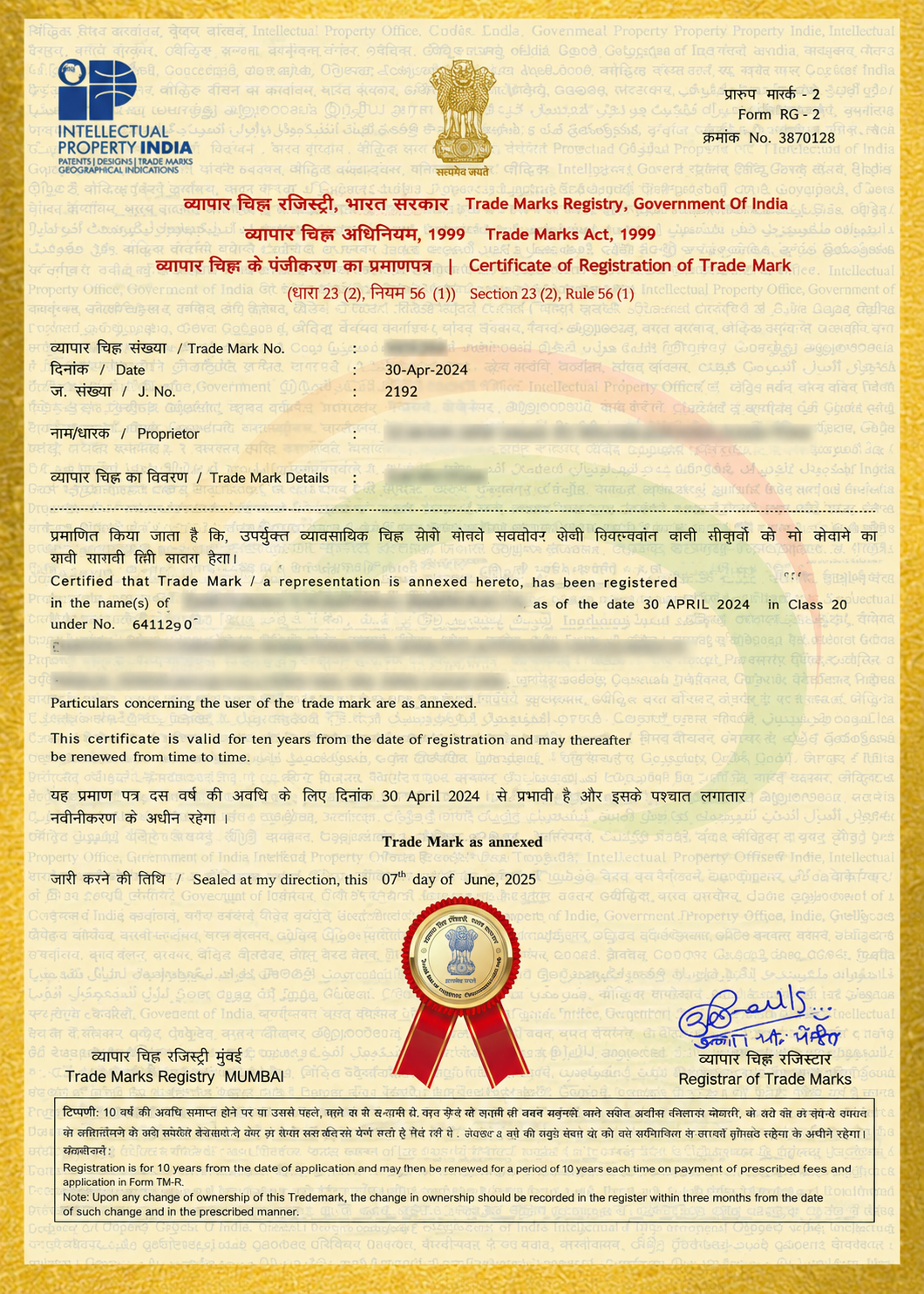
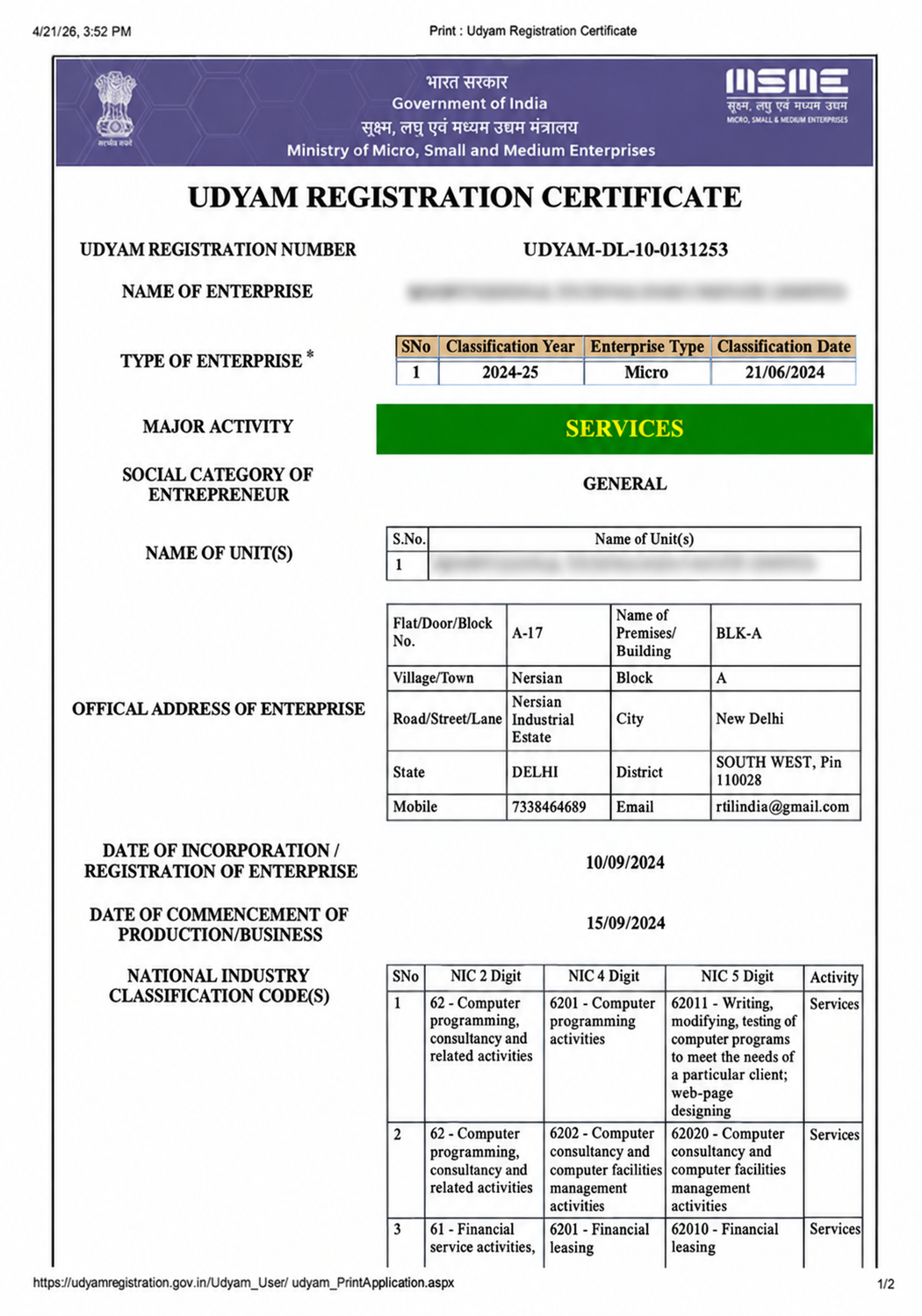
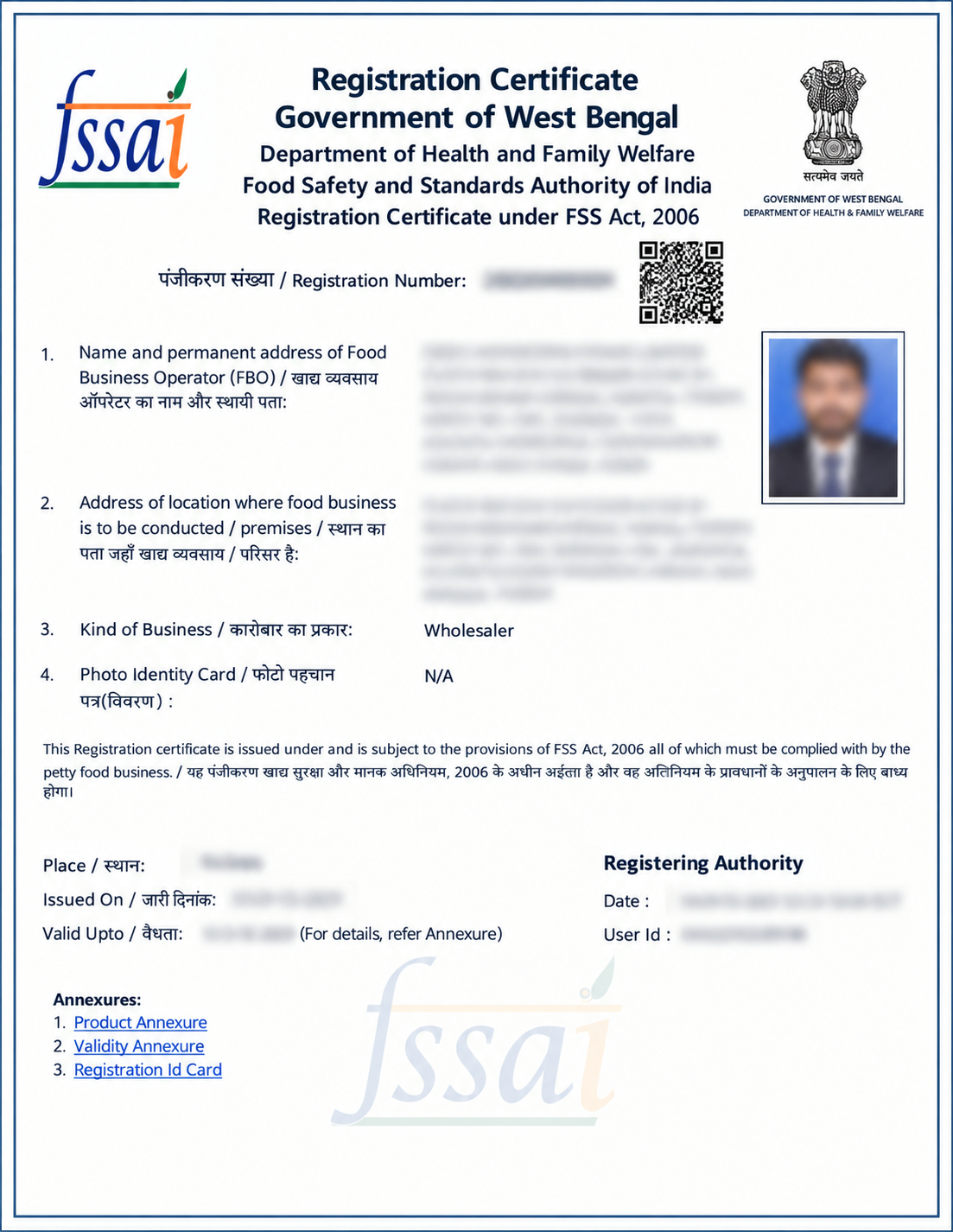
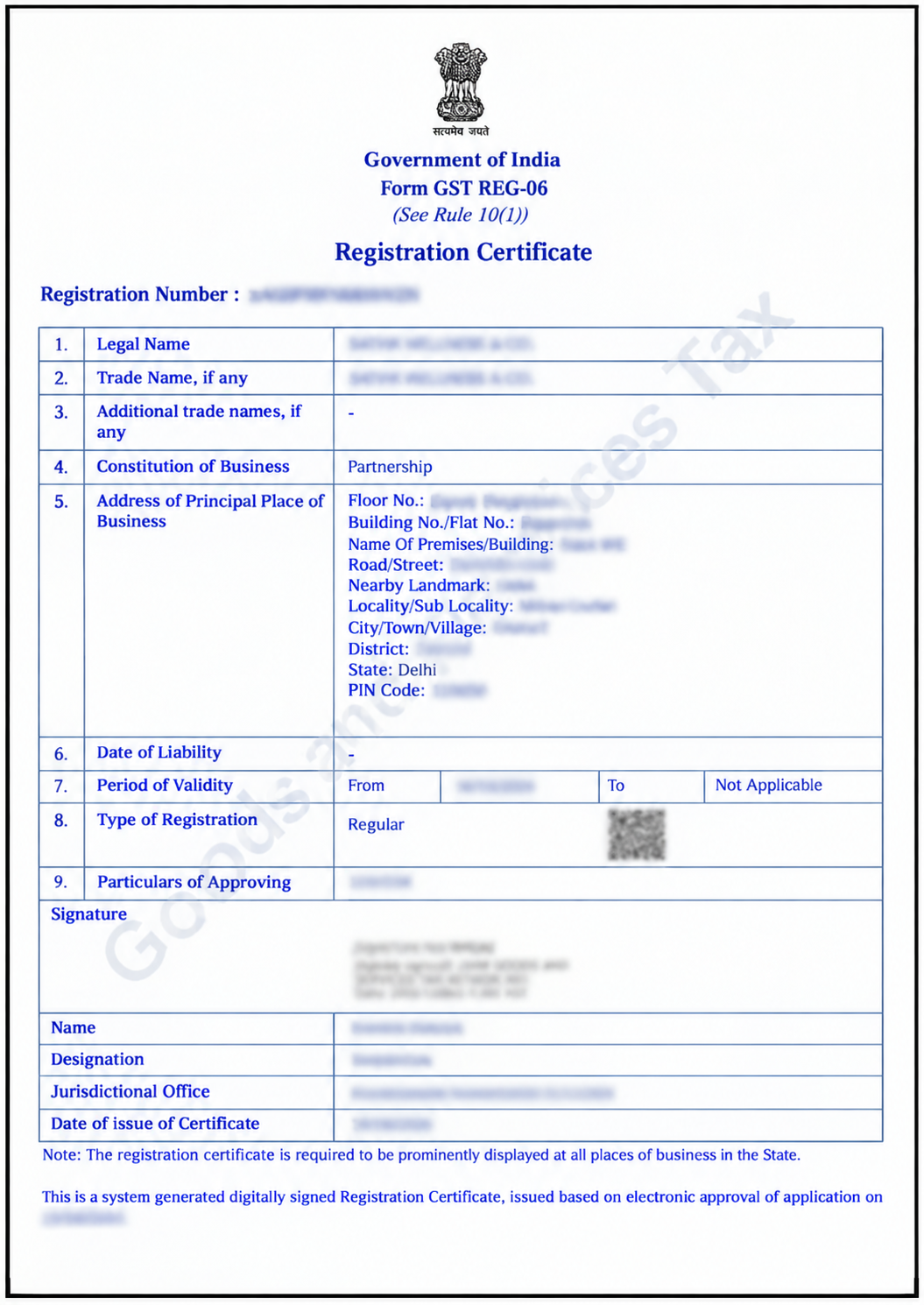
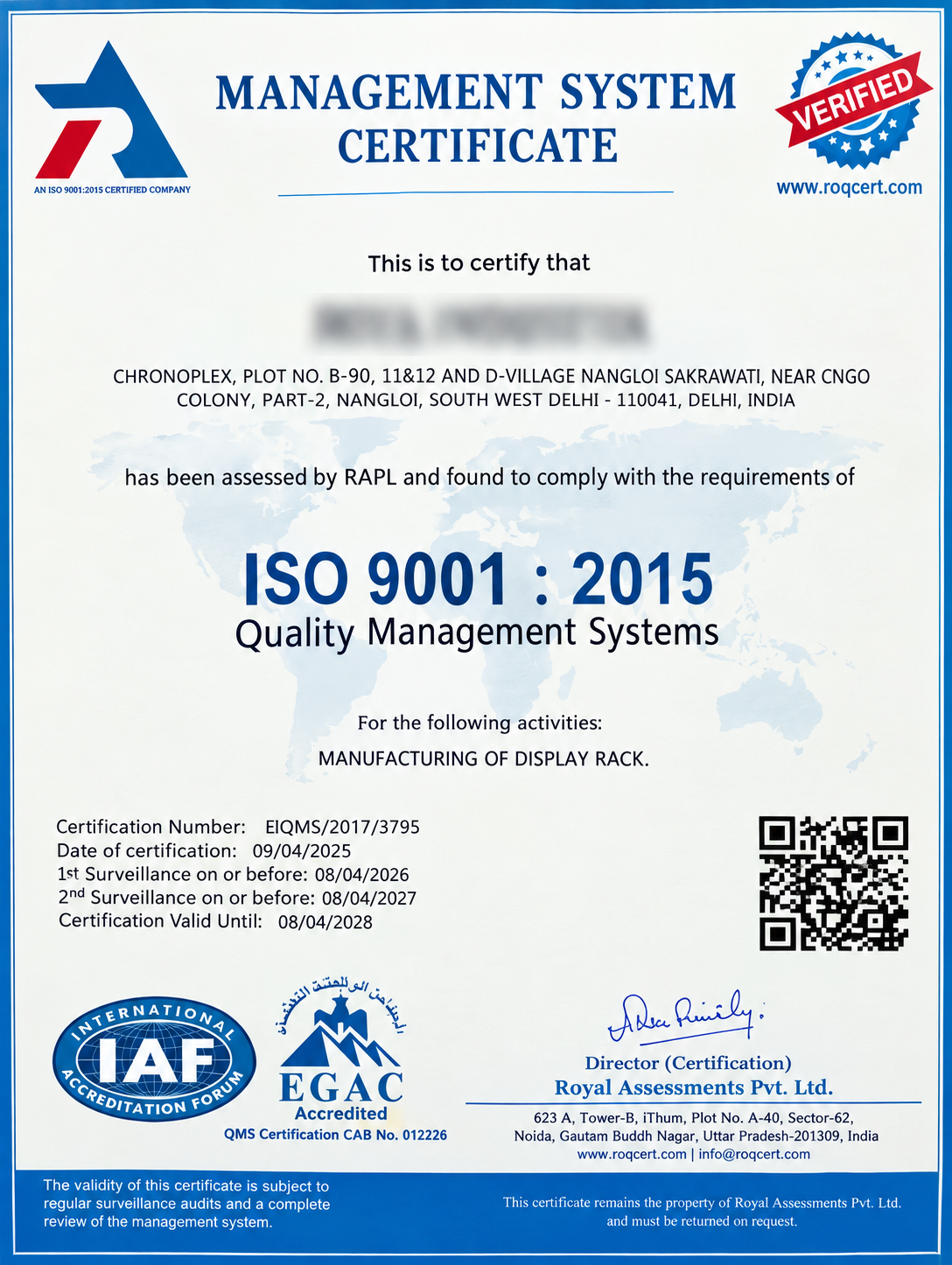
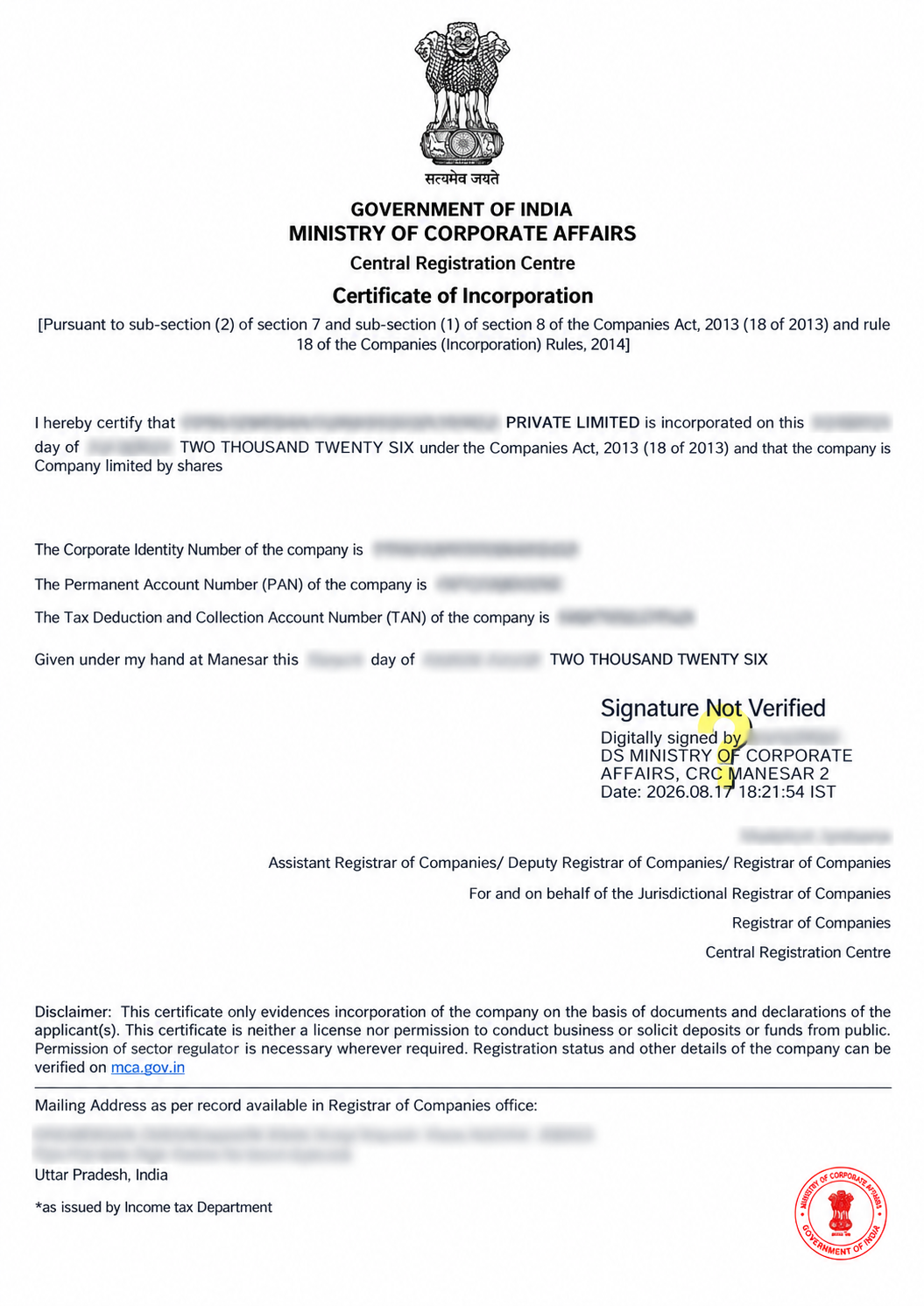
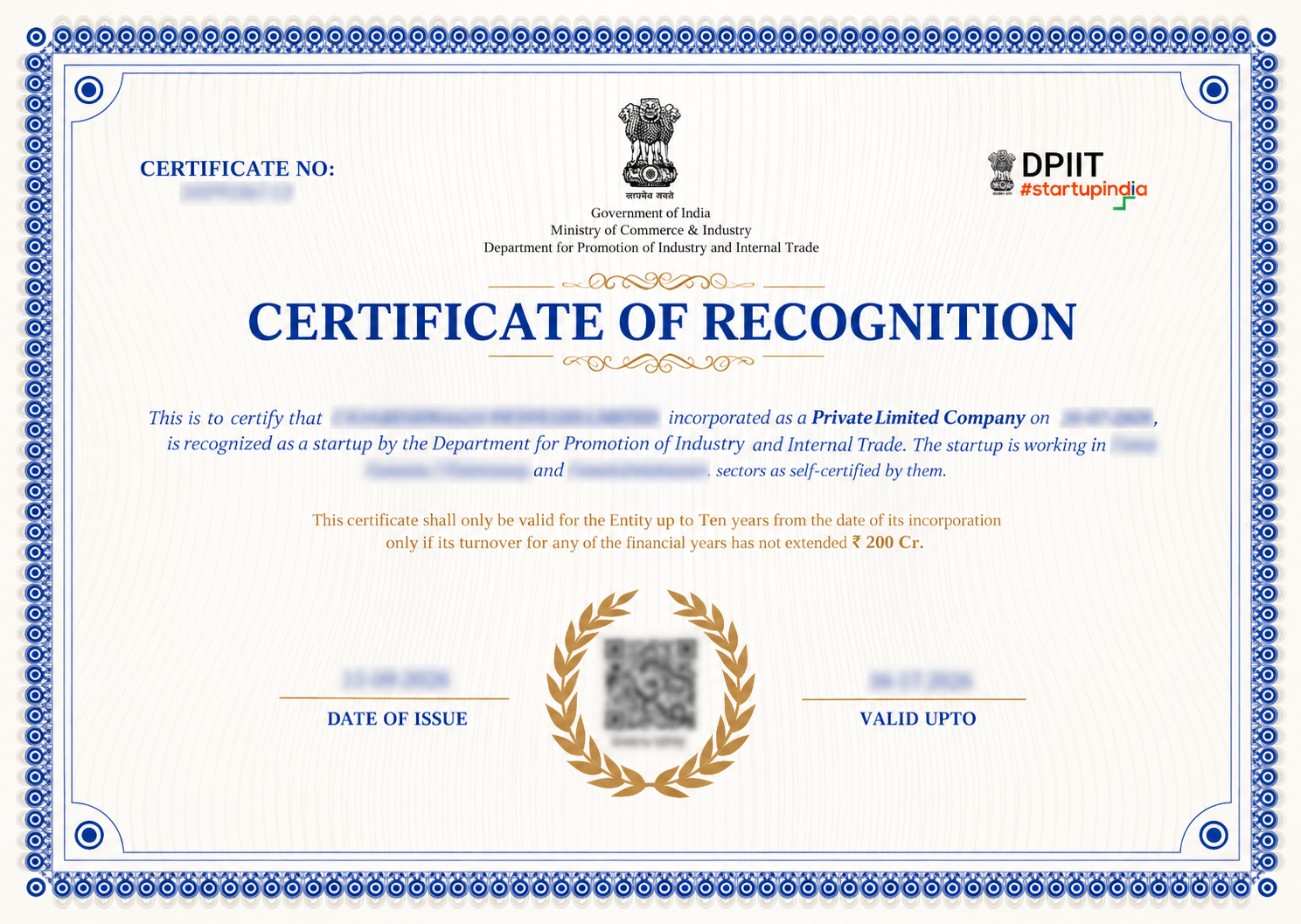
"Explore how Legalstartup has helped businesses reach new heights as their trusted partner."

Thousands of businesses and founders trust LegalStartup.